In season with Atanas Balkanski of ARIA and Panchetata
On instinct, seasonal produce and surprises that still feel comforting.
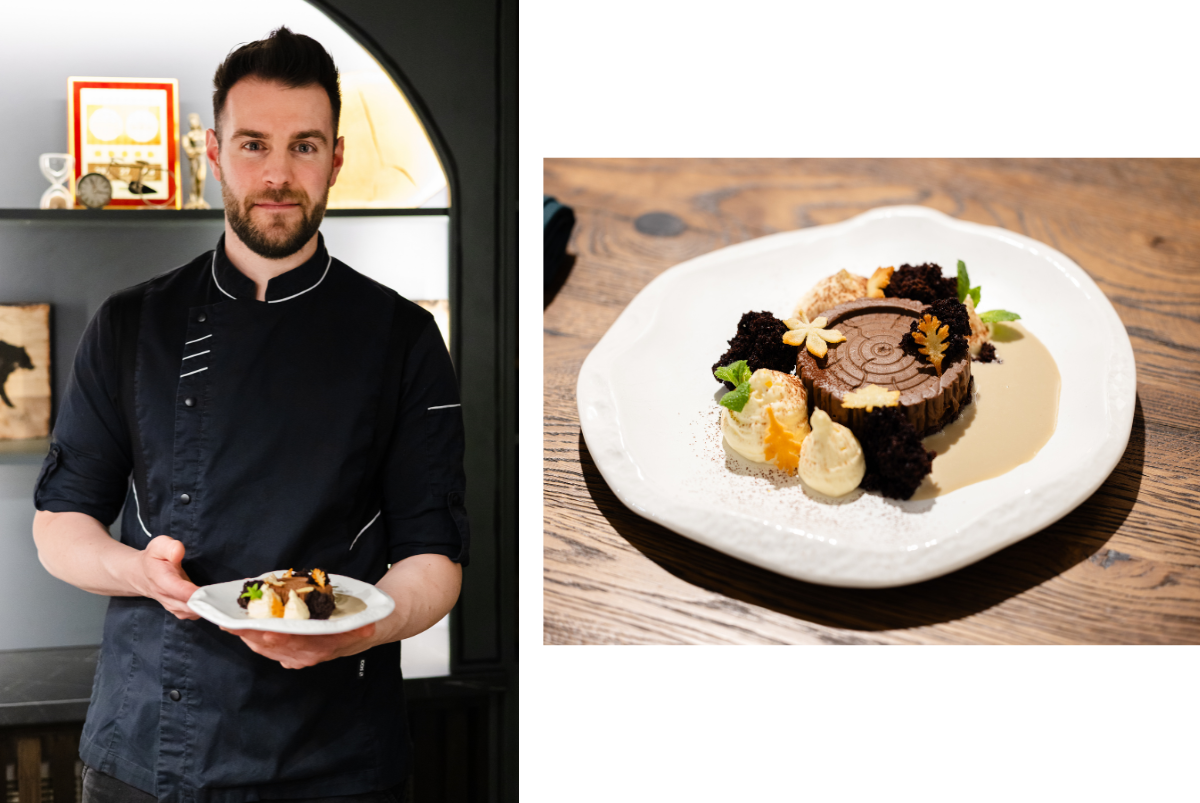
For Atanas Balkanski, spring is something to taste before you try to explain it: green, fresh and exactly on time.
Between the precision of ARIA and the relaxed pace of Panchetata, he works along the line between familiarity and surprise. The ingredient leads; technique gives it room. We spoke in May 2026, so the dishes below reflect that spring’s menus.
Spring is at the heart of these menus. How do you make the season something people can taste?
Spring gives us some of the freshest produce, but much of it is available only briefly. I love working with the first greens: spinach, dock, wild garlic and nettles. I try to show them at their best, alongside ingredients such as lamb, asparagus and young carrots. The aim is lighter, fresher plates with clear flavours. You should be able to sense the season without needing any further explanation.
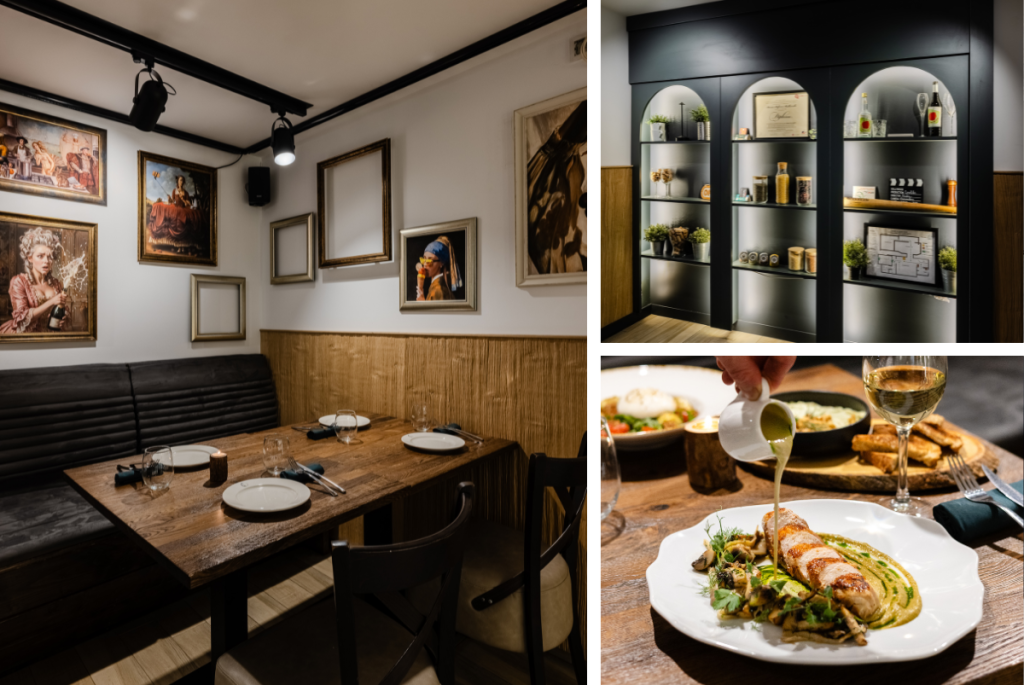
ARIA and Panchetata share a belief in Bulgarian produce and authentic flavour. Where do their approaches differ?
The philosophy is the same: flavour and Bulgarian ingredients come first. The presentation differs. ARIA is more precise, with each dish built around a particular ingredient. The menu is short and considered, inspired by the season and Balkan flavours. Panchetata is a more casual restaurant (in Bulgarian), bringing the Balkans into conversation with food from elsewhere. There are interpretations of classics, alongside substantial brunch dishes and desserts.
You use both precise methods such as sous vide and more instinctive ones such as smoking. How do you decide what an ingredient needs?
I start with the ingredient itself: its flavour, its season and the possible ways of preparing it. I use sous vide when I want control and consistency. I also cure and marinate proteins to keep the result consistent from plate to plate. The question is never which technique is better in the abstract. It’s which one helps that particular ingredient reach its potential.
What is harder: leading guests towards a new flavour or knowing when to stay with the familiar?
Sensing the boundary is harder. Introducing a new flavour takes confidence and context. Knowing when to stop takes experience. People should feel comfortable even when they’re trying something unfamiliar. Lose them at that point and you lose their trust. I always include something less expected, an element that invites curiosity. Guests often try something they thought they disliked and are pleasantly surprised. As I like to say, don’t decide you dislike an ingredient before you’ve tried it prepared well.
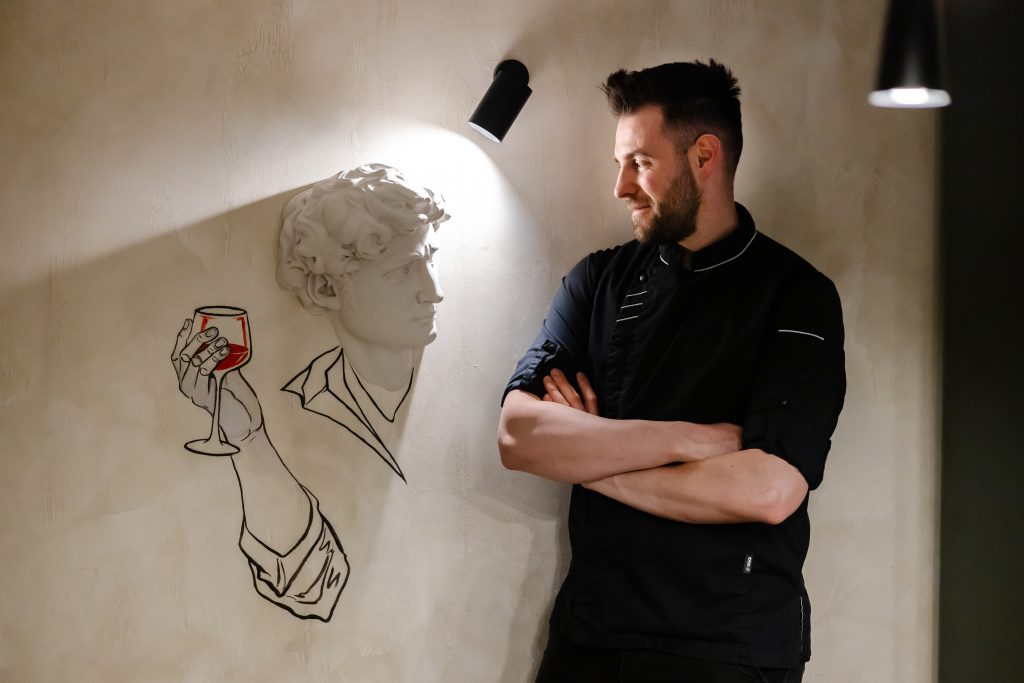
Which spring dish would you choose from each restaurant?
It’s difficult to choose just one from a whole menu. At ARIA, I’d pick the asparagus dish, designed to use every part: fresh green asparagus with white-asparagus and butter-bean cream, crisps made from the thicker stalks and an almond-and-herb salsa. There’s also our interpretation of kozunak, the enriched sweet bread associated with Bulgarian Easter. At Panchetata, I’d choose lamb’s tongues with courgettes and spring onions as a small plate. For a main, slow-roasted lamb pavé with crisp drob sarma, a rice-and-offal preparation wrapped in caul fat, yoghurt and samardala foam, peas and a mint-scented lamb jus.
City Walk: coffee, long evenings and favourite stops in Plovdiv
What’s happening in the city? Follow GoGuide on Instagram to hear about it first.
Subscribe to our YouTube channel for a closer look at the city, and a wider view.