A walk through Oborishte, then and now
An imagined stroll with Lidia Shishmanova around Sofia’s Doctors’ Garden.
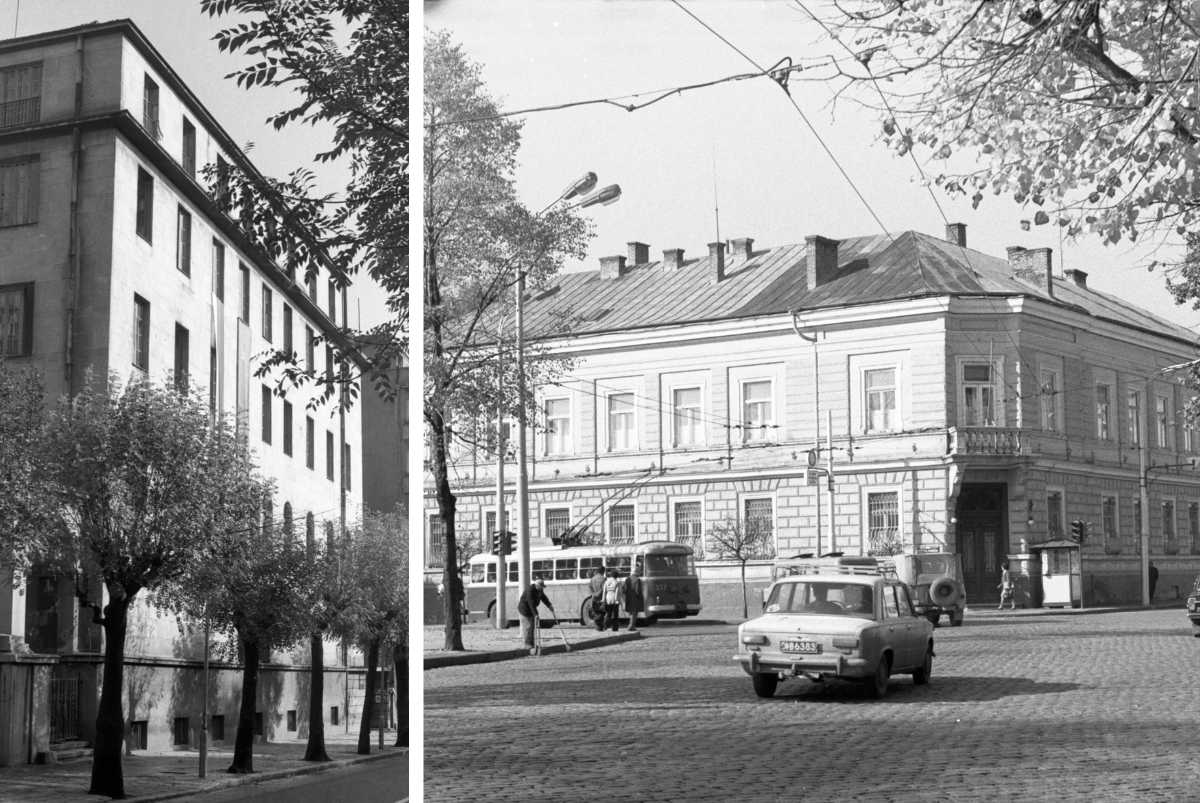
This is a literary reconstruction, not an interview or a recovered text by Lidia Shishmanova.
You’ve heard of the French salons of Madame de Staël and George Sand.
And that of the Russian princess Zinaida Volkonskaya? I hope so. They once made me ask why Sofia shouldn’t have a place of its own. I wanted a home where Bulgarian intellectuals could meet as ideas do: freely, noisily and sometimes late into the evening. So come home with me first. Leave your coat in the hall at 11 Shipka Street. Imagine a gramophone playing a waltz, a dark chest stacked with magazines and guests already deep in conversation. Musicians, actors and university lecturers: picture an evening in Sofia’s literary world.
I’m Lidia Shishmanova, wife of Professor Ivan Shishmanov, a scholar and literary historian who helped shape the young Bulgarian state’s cultural life. Now you’re here, let’s step outside into early-20th-century Oborishte. I’ll show you the streets around the Doctors’ Monument,
where industrialists’ houses, professors’ homes
We start on Shipka Street. At its junction with Vasil Aprilov Street stands one of the area’s most beautiful houses, the home of architect Georgi Fingov. Notice the sculpted woman’s head at the entrance.
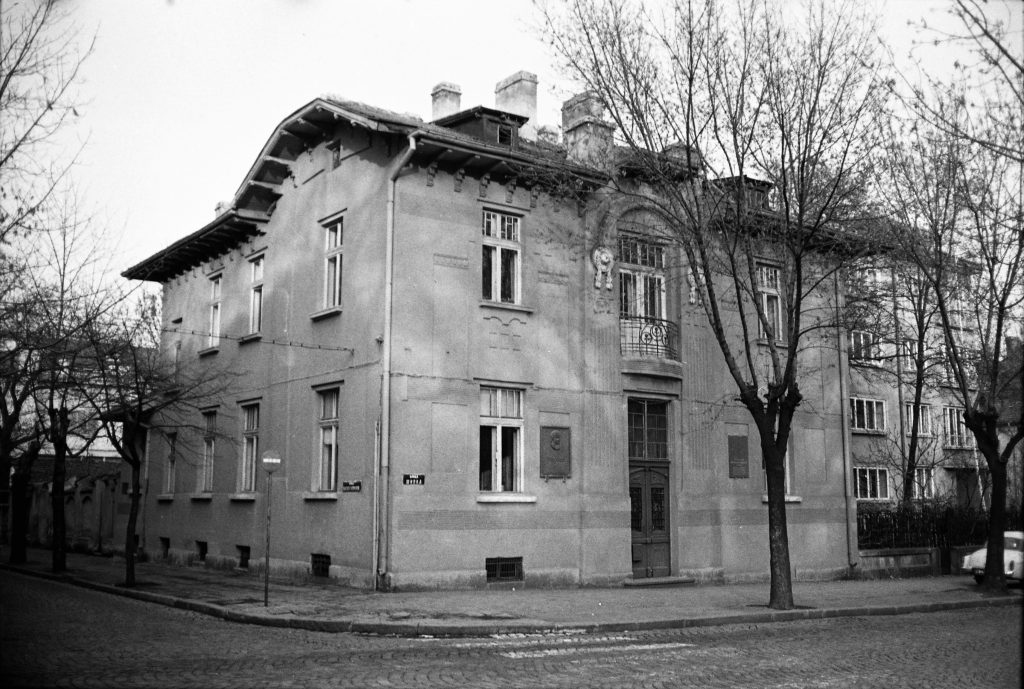
Nearby, at 23 Shipka Street, is the Botev family house, associated with Ivanka Boteva’s final years. May I tell you something strange? When I touched your hand, I seemed to glimpse the future. In one of its rooms, someone was writing about a lost Bulgaria.
Perhaps it was you?
The offices of L’Europeo were there in your time, weren’t they? Sometimes the laughter from the courtyard and the terrace beneath the old wisteria seemed to echo backwards through the years. But let’s keep walking.
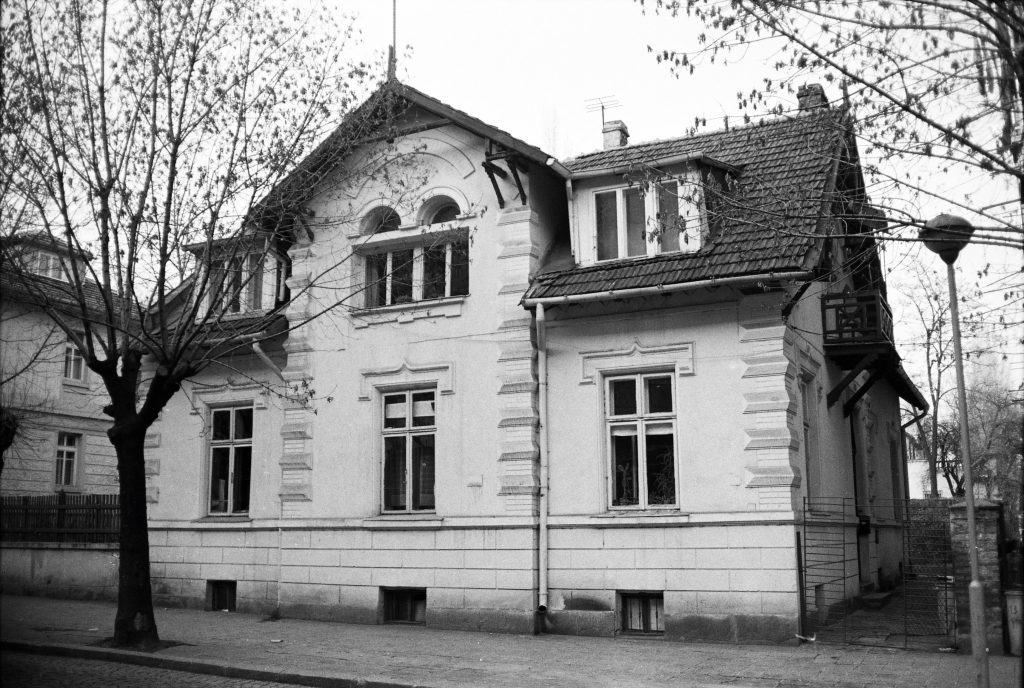
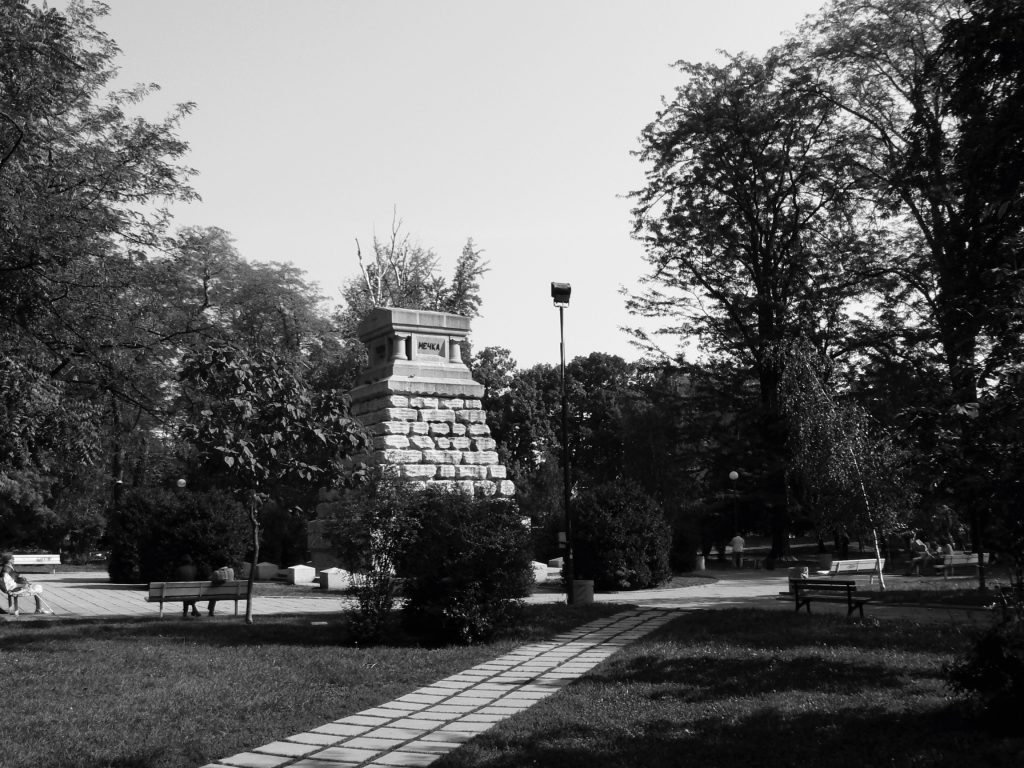
A few steps bring us to the neighbourhood’s heart: the small park between Shipka, San Stefano, Oborishte and Krakra streets. That is why many people know the area as the Doctors’ Monument neighbourhood. At the centre stands the memorial to medical personnel who died during the Russo-Turkish War of 1877–78.
The garden holds other stories too.
The garden’s varied trees reward a slower look. Mature trunks, unusual leaves and different crowns make patterns above the paths. Pause long enough and the planting becomes part of the story too.
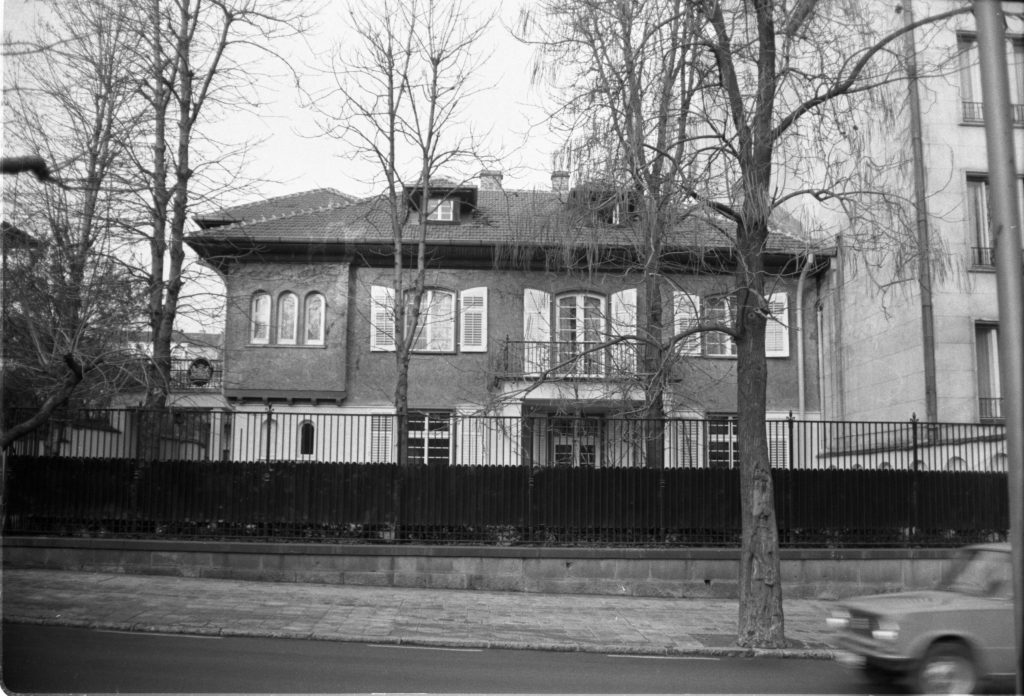
By the late 19th century, ministers, professors, diplomats and industrialists were settling around the garden. Every large city has neighbourhoods with that kind of presence: Kensington and Chelsea in London, parts of the Marais or the 16th arrondissement in Paris. In Sofia, Oborishte gradually took on a comparable role.
Along Krakra Street, stories stand on either side of the road.
Number 21 is associated with Andrey Lyapchev, one of Bulgaria’s prime ministers. Across the street is a house associated with Bogdan Filov, another political figure whose role requires fuller historical context than a picturesque walk can provide.
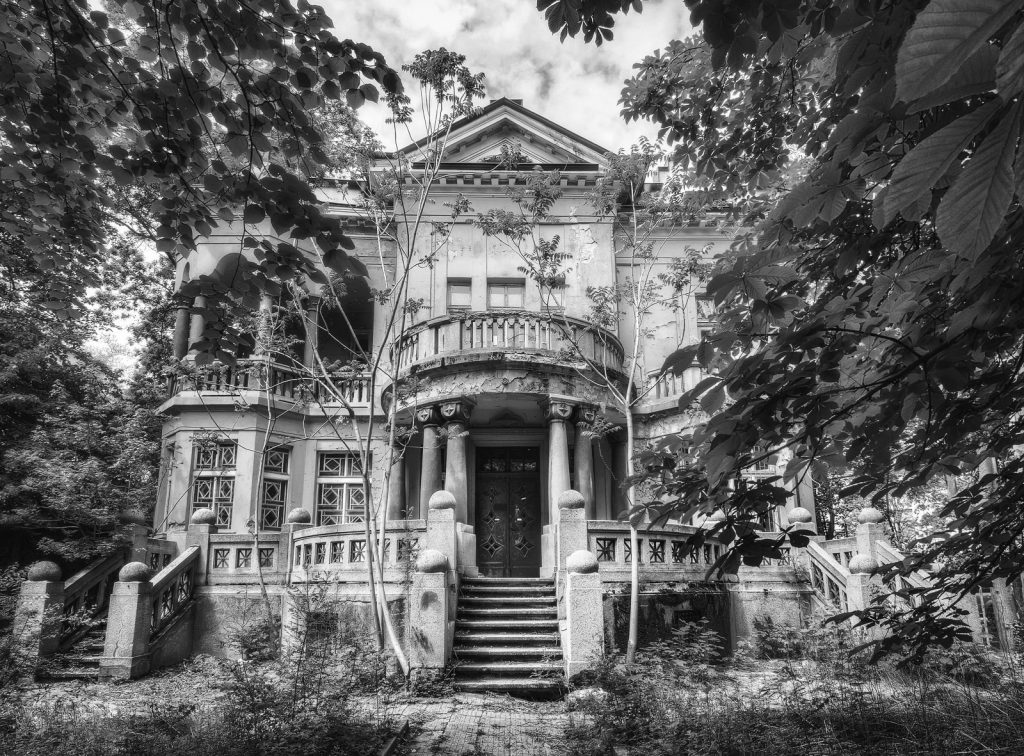
But which is the neighbourhood’s most famous house? Follow me along San Stefano Street to number 6, the House with the Strawberries. The original story describes it as Dimitar Ivanov’s home for his wife, Nadezhda Stankovich, designed by architect Georgi Kunev. Its tower, terraces and ornamental details make it hard to pass without looking.
The story says Nadezhda planted strawberries in the garden.
That small patch gave the house its memorable name. After 1944, the house was nationalised and the family lost it. In your century, SiteGround acquired it with plans for restoration. The owners describe technical design and approvals as stages still preceding the main restoration work; this is not a restored house open for tours. Don’t ask me to explain web hosting. It sounds like a telegraph office of the future, where people speak through glowing boxes.
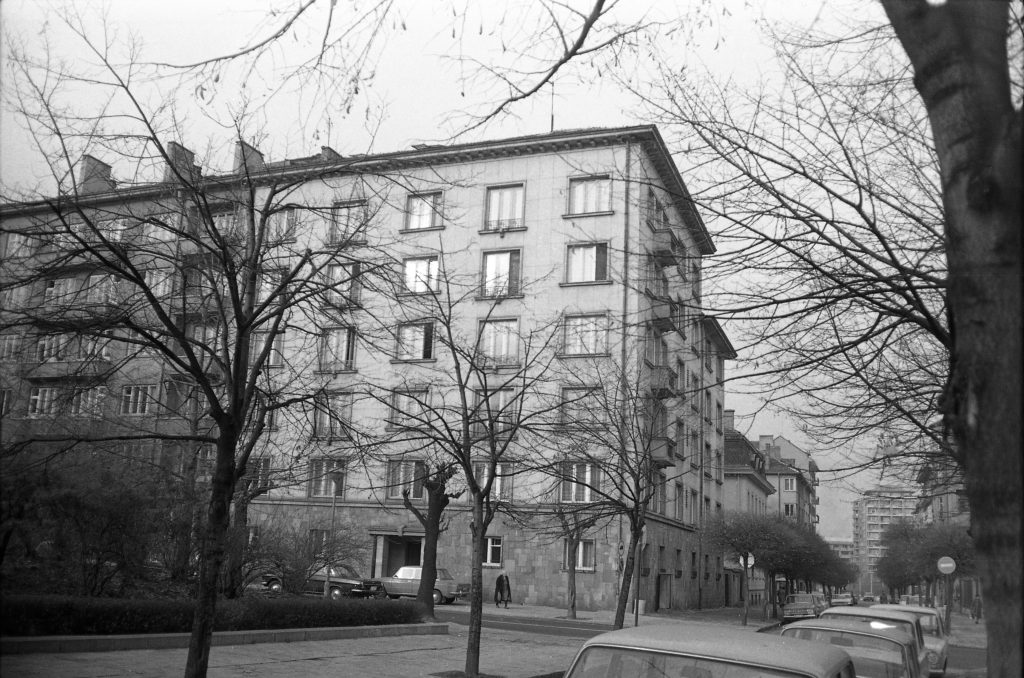
I’m getting a little tired. Shall we imagine a stop for a beer in the old Dalbok Zimnik beer hall, connected with the Prošek brothers’ brewery? The Czech brothers Georgi and Bogdan became part of Sofia’s story after Liberation. This is a stop in memory, not a venue you can book today.
Stories run through Oborishte beneath the surface of ordinary life.
Now picture an artist’s studio on Krakra Street: tall windows, light falling on easels, canvases against the walls and the smell of linseed oil and turpentine. Brushes in jars, sketches of figures and historical scenes. Perhaps a glass of red wine after the beer, while the paint is still drying and the conversation turns towards art.
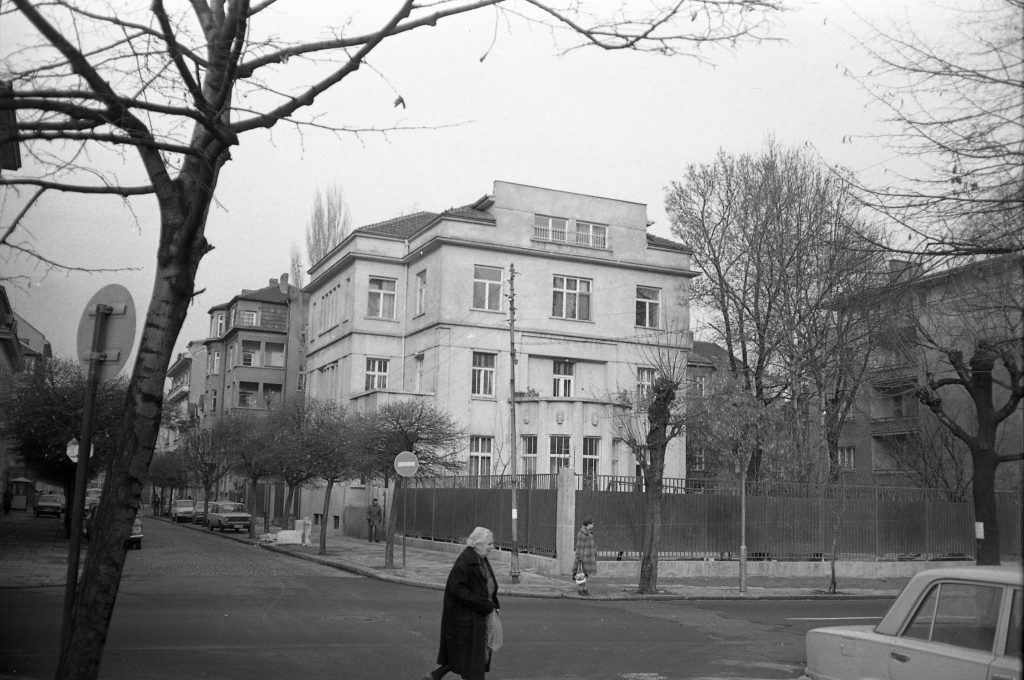
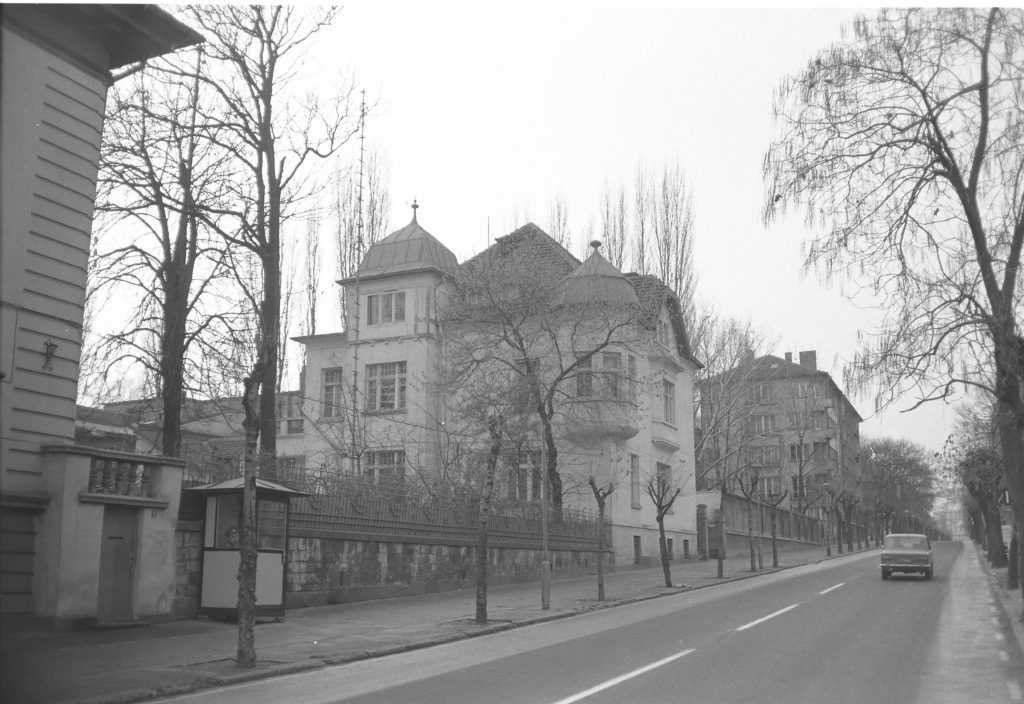
Then there are the diplomatic houses. Along Oborishte, Shipka, Veliko Tarnovo, San Stefano and Krakra streets, substantial homes have become embassies. Built for industrialists, bankers and politicians,
they carry European architectural influences, from Secession to neoclassicism.
Ownership and uses have changed, but many retain a quiet dignity that feels at home here. And then comes your own time. It suits Oborishte rather well.
Towards the lower end of Oborishte Street, near the river, there are bakeries, focaccia and food shops. Eggs Benedict for brunch? Vegan banitsa? In my day, a good conversation and a glass of wine were fashionable enough.
Still, I admit this future looks appetising.
Young parents push prams past old façades. People with laptops work in cafés where other conversations must once have taken place. Design fills the windows, good bread the tables, and the streets retain that rare sense of a city made for people. Oborishte has changed, but it hasn’t entirely lost itself. New buildings, habits and rhythms have arrived. Something holds the neighbourhood together all the same. Perhaps that is why it remains so loved: it still leaves room to breathe.
A walk through Lozenets, then and now
What’s happening in the city? Follow GoGuide on Instagram to hear about it first.
Subscribe to our YouTube channel for a closer look at the city, and a wider view.