A walk through Lozenets, then and now
An imagined meeting with Dora Gabe on the hill above Sofia.
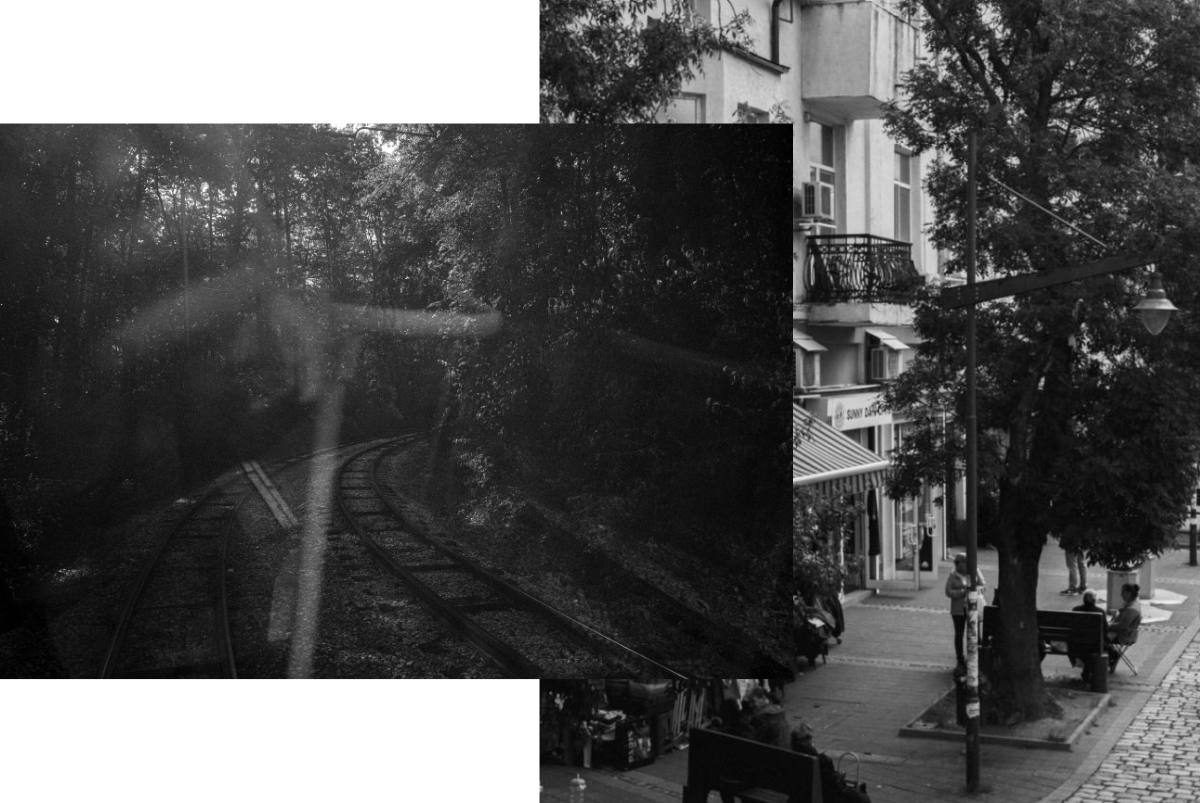
Photography: Yanitsa Genova and Ivan Hristov. This is an imaginative literary reconstruction, not an interview or a recovered text by Dora Gabe.
You call it Lozenets.
I remember when we called it Kurubaglar, from the Turkish for “dry vineyards”. Once there were rows of vines along the slope, the smell of earth and grapes at summer’s end. We followed paths rather than streets. But turn into my street, Zlatovrah, and remember: the bell with “Dora Gabe” written in small letters doesn’t work. Come straight in. Once, doors were left open. You came for coffee and stayed to talk, sometimes all afternoon. I say it to the others too: “Just come in.” To Valeri Petrov. Only modest Blaga still knocks. Can you smell the Inka coffee? I keep it in a metal tin to preserve the aroma. You’ll have a cup, won’t you? Let me clear the draft of Unreconciled from the table. You might call this a coffee break between briefings. I call it the silence before a poem.
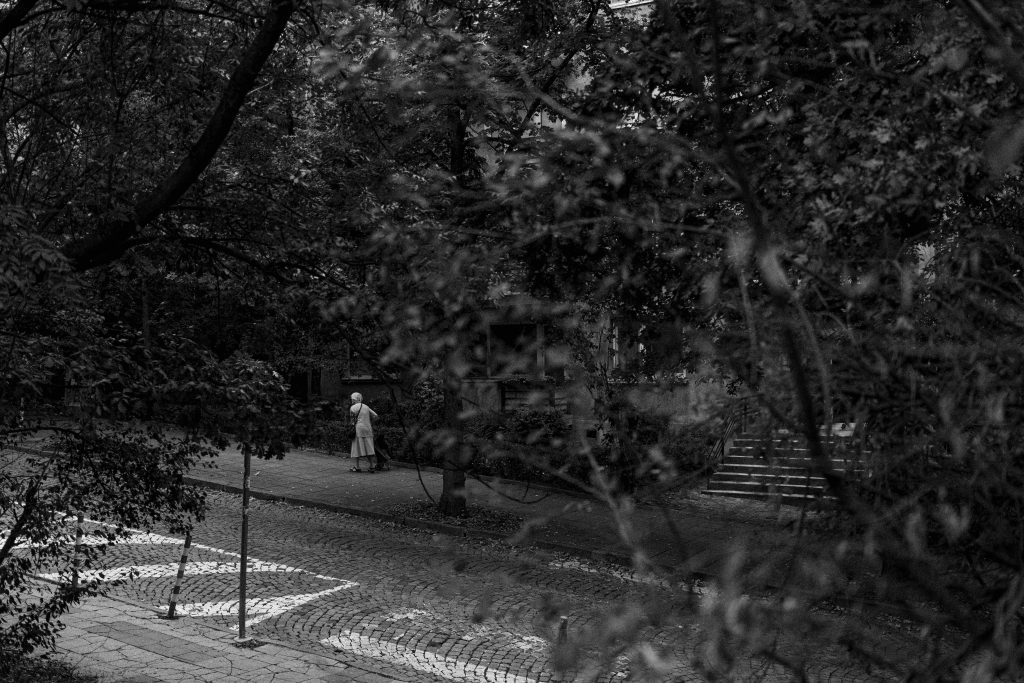
Photography: Yanitsa Genova
I put the coffee pot on the stove and wait for the foam, quietly repeating, “Wait, sun…” Around me lived people you might describe as giving a place a cultural atmosphere: writers, translators, people from theatre and music who wanted some distance from the centre’s noise. Lozenets offered that choice. Near enough to the city, far enough away to think. We met at home, out walking, sometimes simply in the street.
We worked a great deal. We read even more.
Then, they were simply neighbours: writers, actors, translators. Valeri lived nearby, a man as gifted at listening as at writing. Elsewhere, people rehearsed. Operetta floated through the open windows of the old ivy-covered house where Asen Ruskov and Elena Nenkova lived. Sometimes their voices seemed to compete with the wind on the hill. The neighbourhood was a small stage without a curtain.
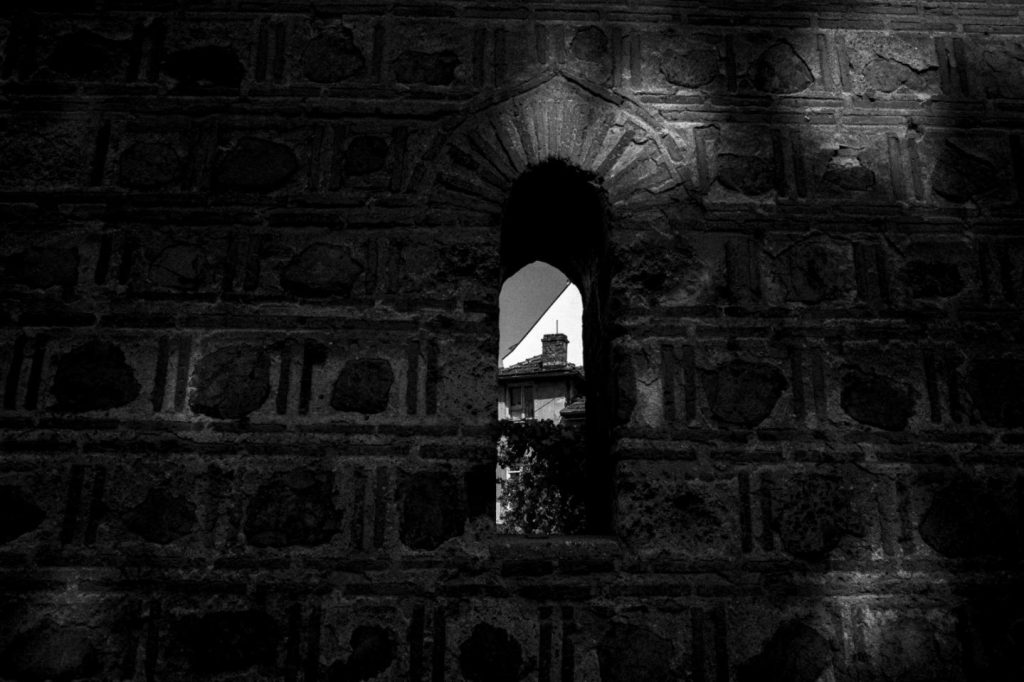
Photography: Yanitsa Genova
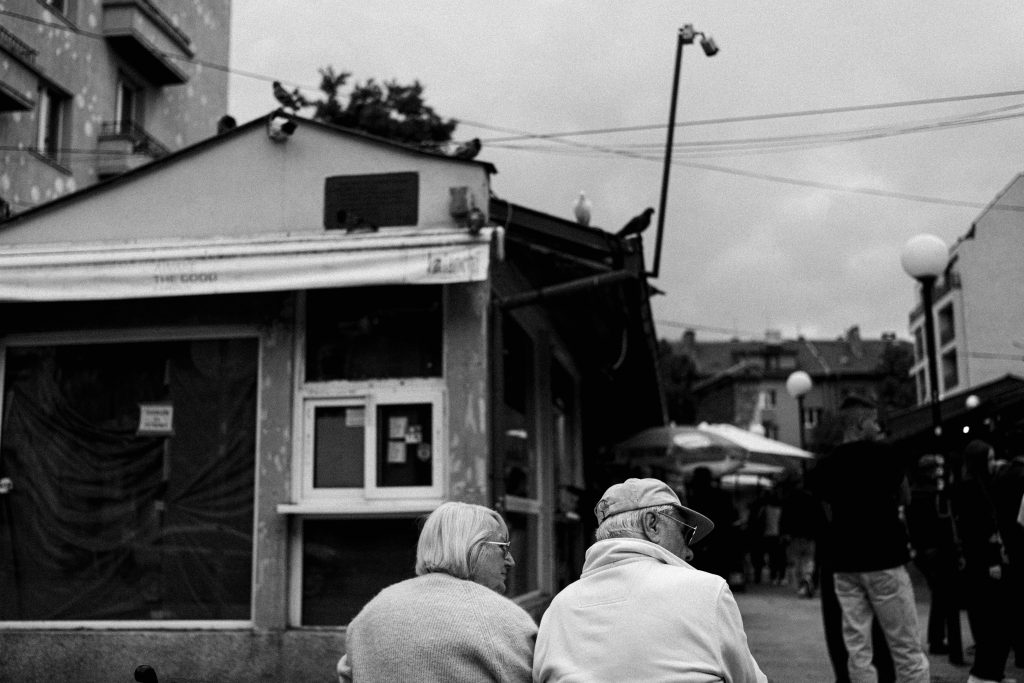
Walk downhill and we reach what you call the Roman Wall. We smiled at that name too. It isn’t Roman. It is generally associated with the Ottoman period and a former Muslim ritual site. Whatever its precise history, it became a landmark in daily life. Later, a market gathered around it: people, food, meetings.
That was how the neighbourhood breathed.
The Water Tower served a practical purpose, supporting the supply to homes on the hill. From above, Sofia could be seen without its insistence on being the centre of everything. That distance mattered. Sometimes you need to step back.
Photography: Yanitsa Genova
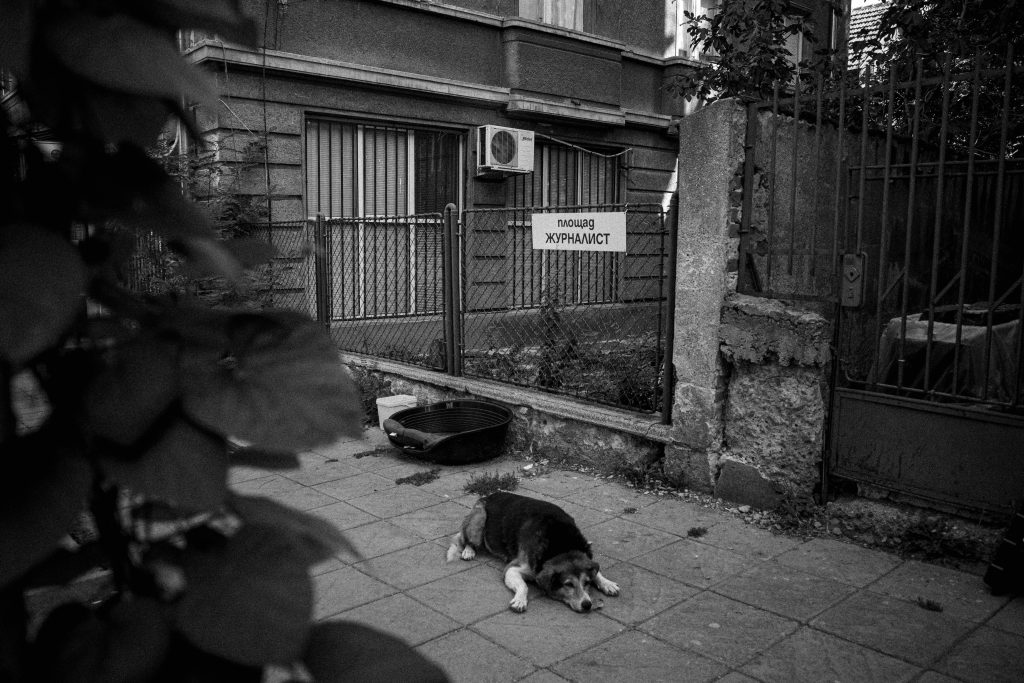
A little further on is the square you now call Journalist. Earlier, it bore the name of Princess Eudoxia, daughter of Ferdinand and Marie Louise. In the 1930s, an apartment building here became home to a number of Sofia journalists.
The square’s names changed with the times. It was later called Yordanka Nikolova before becoming Journalist Square again.
The square gradually became a place to discuss news before it reached print, while rumours travelled faster than the tram towards the centre. For a longer walk, Borisova Garden was the natural continuation. We called it the Pepiniera: a nursery in the literal sense, where young trees were grown and the future city took shape. Later came the television tower in the wooded park. The swimming pool we knew acquired the name Republika.
Photography: Yanitsa Genova
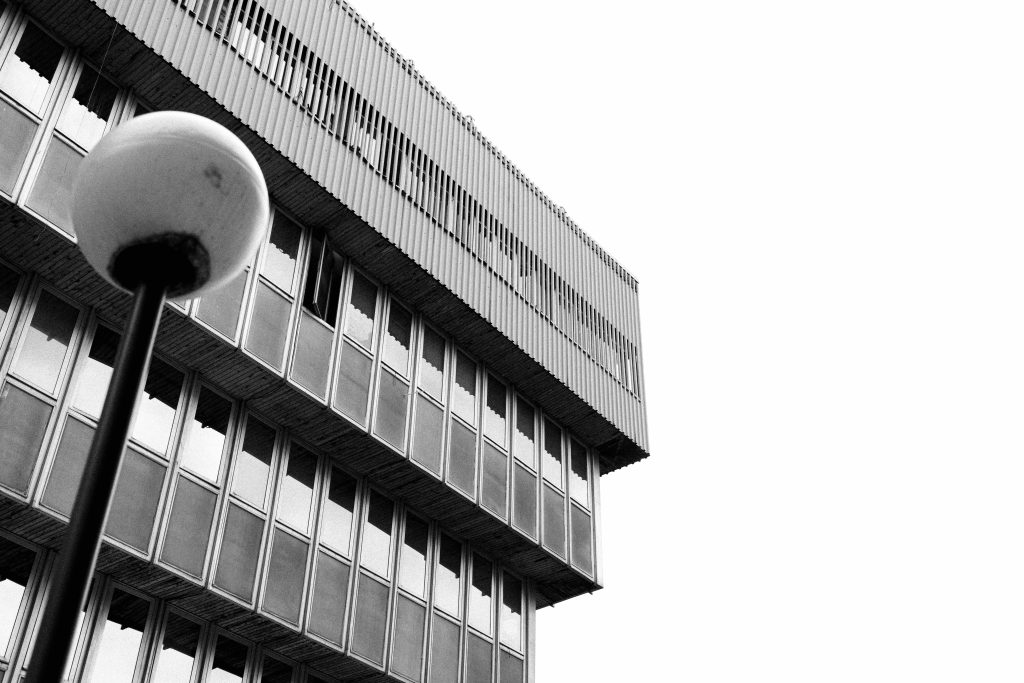
Then came expansion. Roads and the stadium grew, and the park’s boundaries shifted. Ariana Lake changed too. The beer garden on its small island, once a meeting place for Sofia’s bohemians, disappeared. The nursery became a garden, and memories settled beneath the paths. Then there was the neighbourhood’s great ship of time. You call it Hotel Marinela. We knew it as Vitosha New Otani. Kisho Kurokawa’s architecture, a Japanese garden, a different scale.
An opening towards a world we rarely saw.
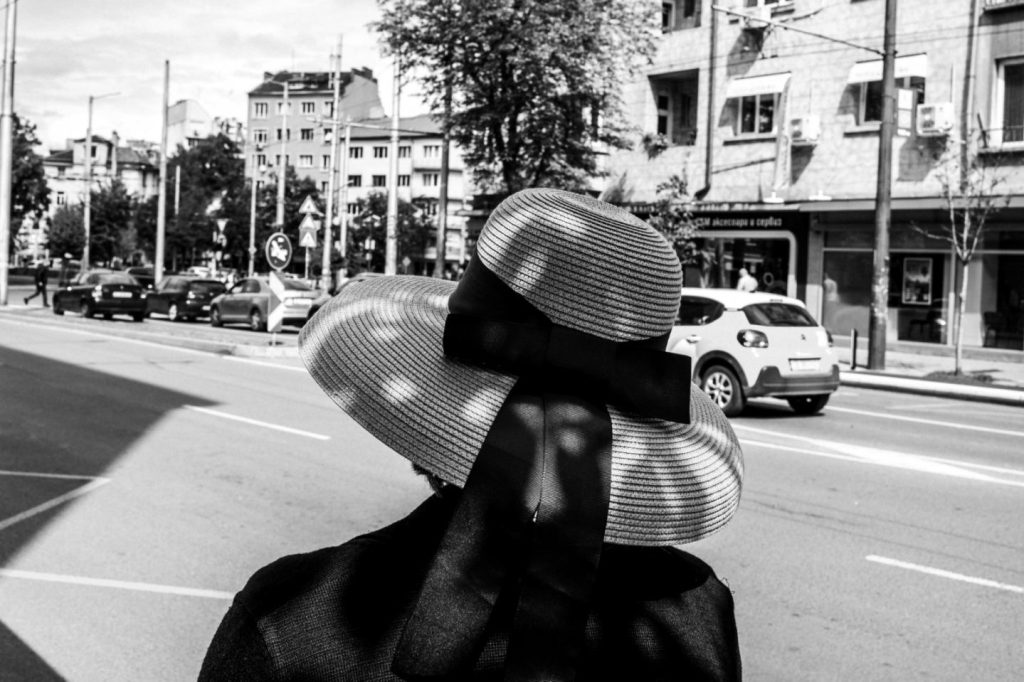
It expressed Sofia’s wish to speak to its own time. Before you take me into yours, look across the slopes. Notice how each house seems to stand slightly apart, keeping a little quiet to itself. Lozenets grew gradually, home by home, particularly through the 1930s and 1940s. Architects worked with the hillside. The façades differ; the streets bend. They follow the ground rather than forcing it into a grid.
Photography: Ivan Hristov
People who needed quiet to work were drawn here. Bulgarian National Radio added another presence, solid and serious, an archive of voices. News, poetry and music passed through the air. Radio became a connection between old Lozenets and a changing Sofia, a thread on which the years could gather.
And we listened more than we spoke.
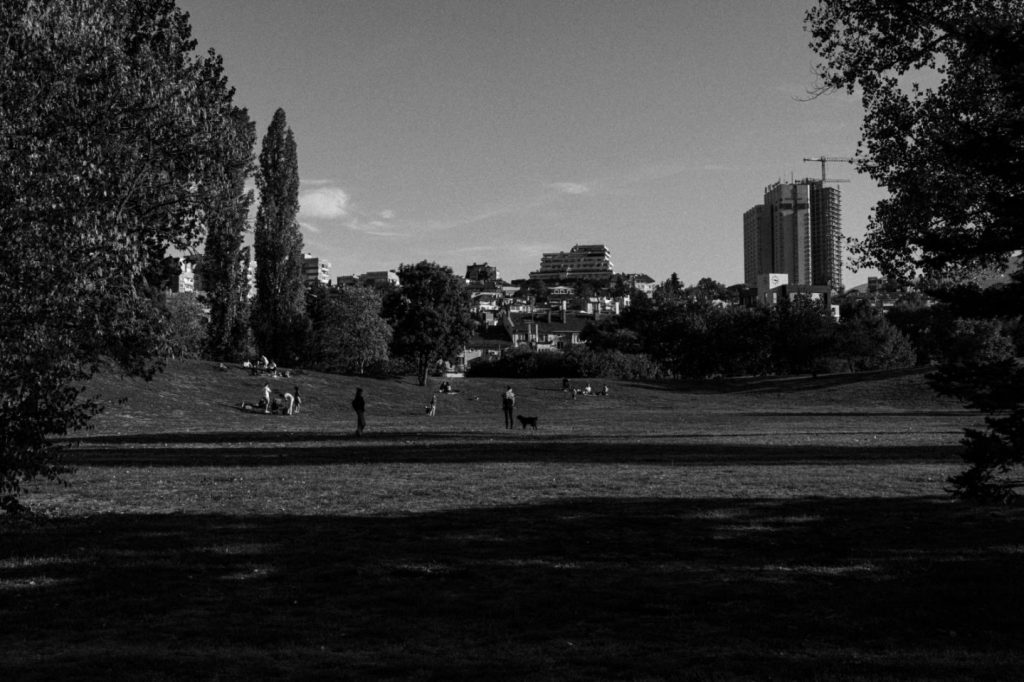
The market by the Roman Wall became a natural meeting place. Bread, vegetables, conversation. After the war, change accelerated: new buildings, new rhythms, new words. Some houses vanished; others grew taller. The air remained, and so did the slope. Lozenets was still somewhere from which to look towards the city. When you call it prestigious now, I remember a different reason for its appeal. It was the need for space, outside and within. For air. For time.
Photography: Yanitsa Genova
Before we step into your century, take my Unreconciled. And you’re giving me… GoGuide? In my day, we had a Sofia address directory, a thick book without photographs or glossy pages, but full of the city’s secrets. Let me take a look around your Lozenets.
I walk with GoGuide in my hand.
There’s more glass in the shopfronts than curtains. In one window, French lingerie seems as fine as a poem, though the designer has been economical enough with the fabric to suggest a haiku: three lines and done. Then a pastry shop. Once, cakes sat under glass covers: éclairs, Dobos slices, sponge fingers with cream. Now the names are macarons, Belgian chocolate ganache, yuzu mousse and crème anglaise with Madagascan vanilla. Do desserts have biographies now?
Photography: Yanitsa Genova
As I turn the pages of time, I notice something that wasn’t here before: stairs descending into the ground. European Union metro station beats beneath the neighbourhood like another heart. South Park is full of people running without fleeing a war. Glass façades reflect the sky; screens take the place of curtains. Radio no longer waits for the evening. It’s in the headphones of the girl beside me. The hotel that once felt like a ship of time has become a setting for new stories.
I smile. The hill is the same.
The air too. Only your words move faster. That needn’t be frightening. Every century has its rhythm. I hand back the magazine. Keep writing, while the hill still remembers.
The photographs in this feature form part of the Old Neighbourhoods of Sofia photography exhibition.
Ten things not to do in Lozenets
What’s happening in the city? Follow GoGuide on Instagram to hear about it first.
Subscribe to our YouTube channel for a closer look at the city, and a wider view.