The names on the metro: Aleksandar Teodorov-Balan
Meet the linguist behind a Sofia station name, and a lifelong argument about words.
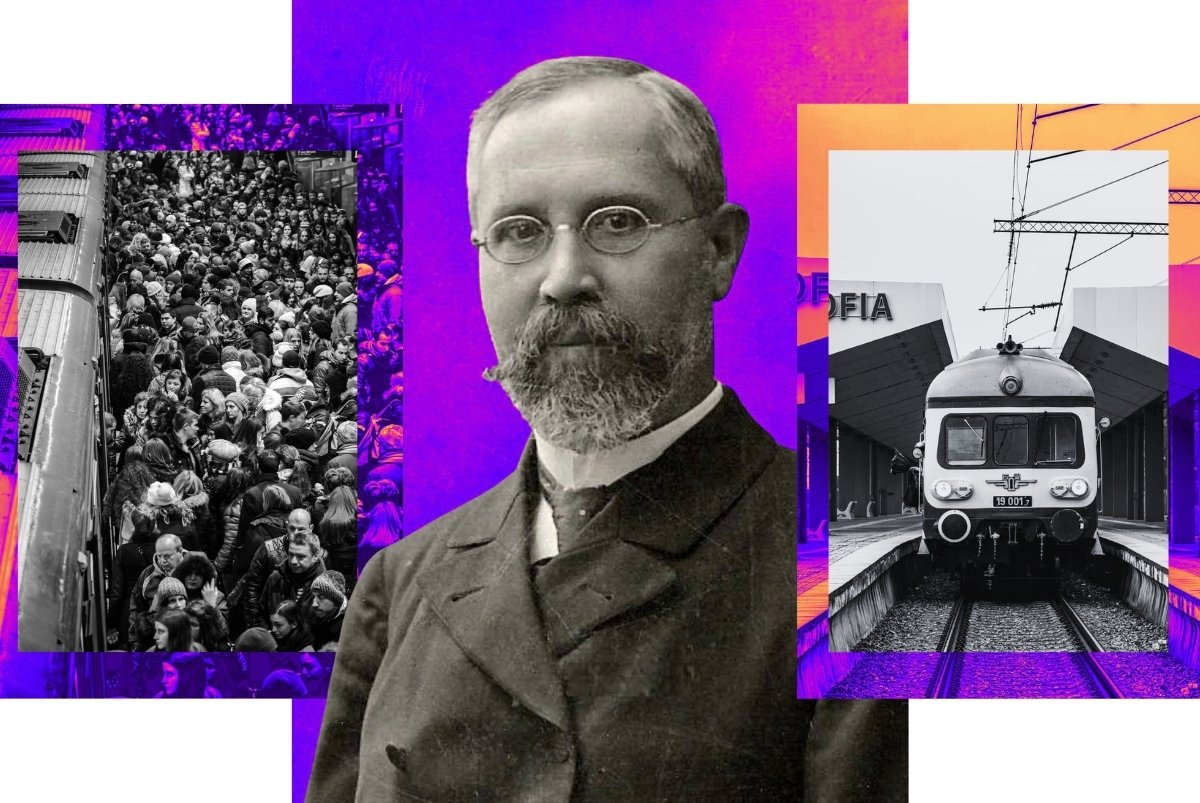
Photography: Etudes of Sofia
A metro map can be a surprisingly good place to begin a history of Bulgarian language and culture.
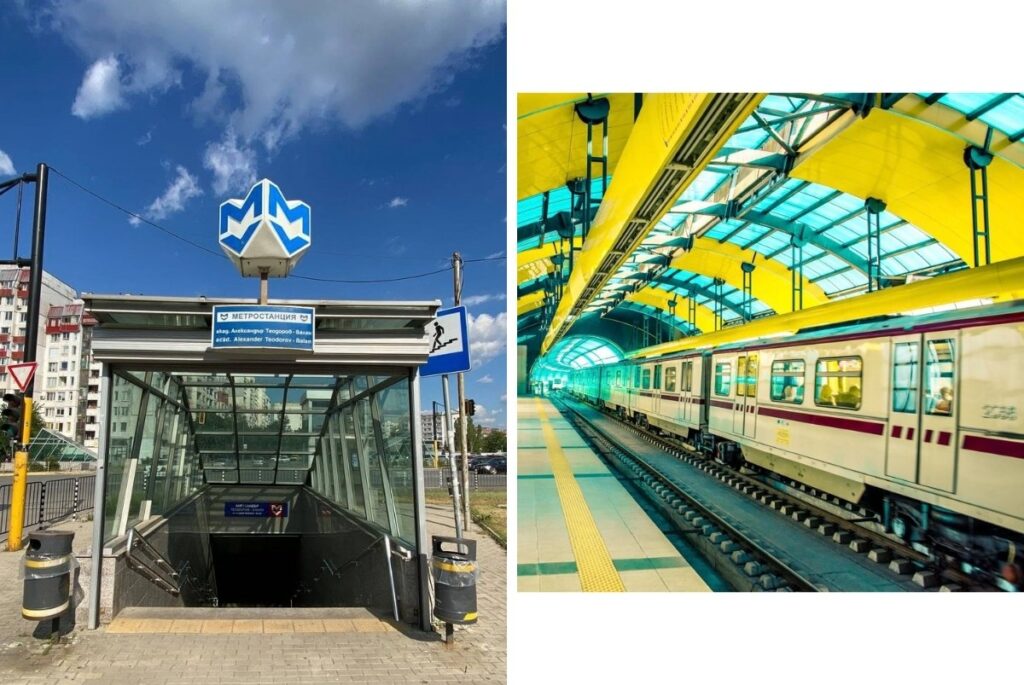
Aleksandar Teodorov-Balan, whose name appears on one of Sofia’s stations, devoted much of his life to enriching Bulgarian and reducing its reliance on borrowed words. Sofia’s 93rd School also carries his name.
Balan is a difficult man to introduce briefly.
Born on 27 October 1859 in Kubey, Bessarabia, to a family of Bulgarian settlers with roots in the Sliven region, he attended Bolgrad High School before studying Slavic philology in Prague and continuing his studies in Leipzig. He completed a doctorate at Charles University in Prague in 1884.
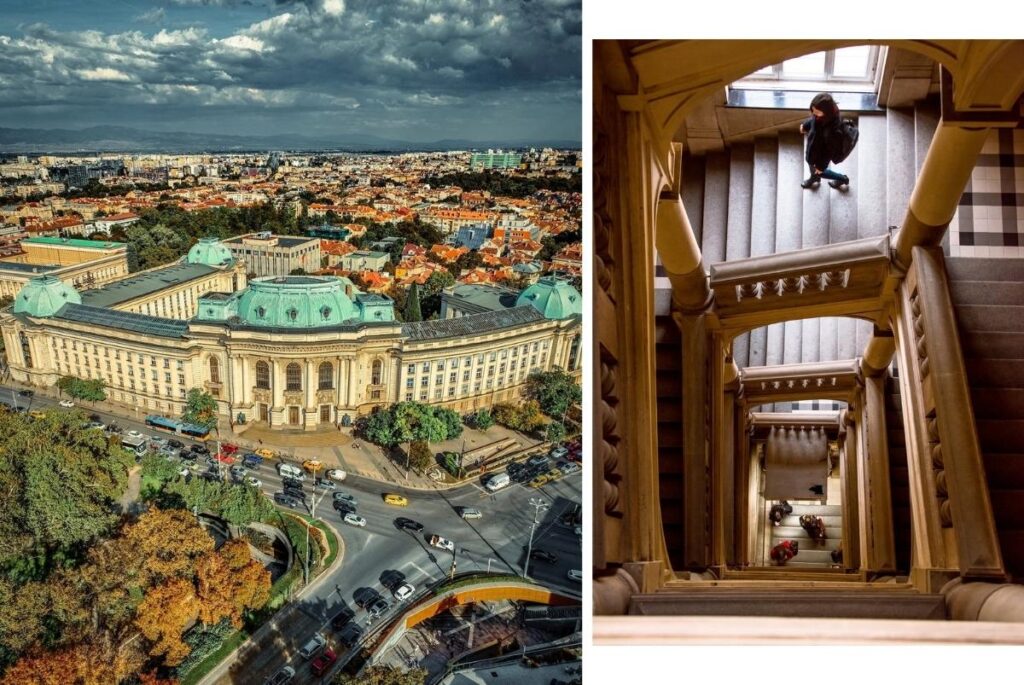
He went on to become Sofia University’s first rector. His contribution to Bulgarian philology was substantial, and his commitment to the language generated a rich collection of anecdotes.
According to those stories, he would correct strangers in the street
or in restaurants. One tale has him interrupting a minister’s formal speech over a misplaced stress. Other stories, attributed to his critics, attached elaborate invented alternatives for words such as “match” and “yoghurt” to his name. They are better understood as part of the folklore around Balan than as a reliable record of his proposals.
He would find plenty to discuss today.
A train stopping at the station named after him might be full of conversations about checking email, making gains and plating food, all expressed through English-derived words. What would he make of that? His campaign shows how language can be shaped by conviction, while everyday speech keeps moving in directions no single person can control.
His interests extended beyond philology. Balan was also involved in Bulgarian Freemasonry, which he understood as a means of public enlightenment. The commitment belonged to the same wider concern with education and the development of Bulgarian society.
His private life held deep affection and considerable loss.
He met Julia Gresso, a French teacher, while working in Plovdiv. They married in Sofia. Her illness and death in 1923 left him a widower. The family also lost children at young ages; three sons survived into adulthood, following paths in aviation, medicine and public service. Their later lives were affected by the political upheavals after 1944.
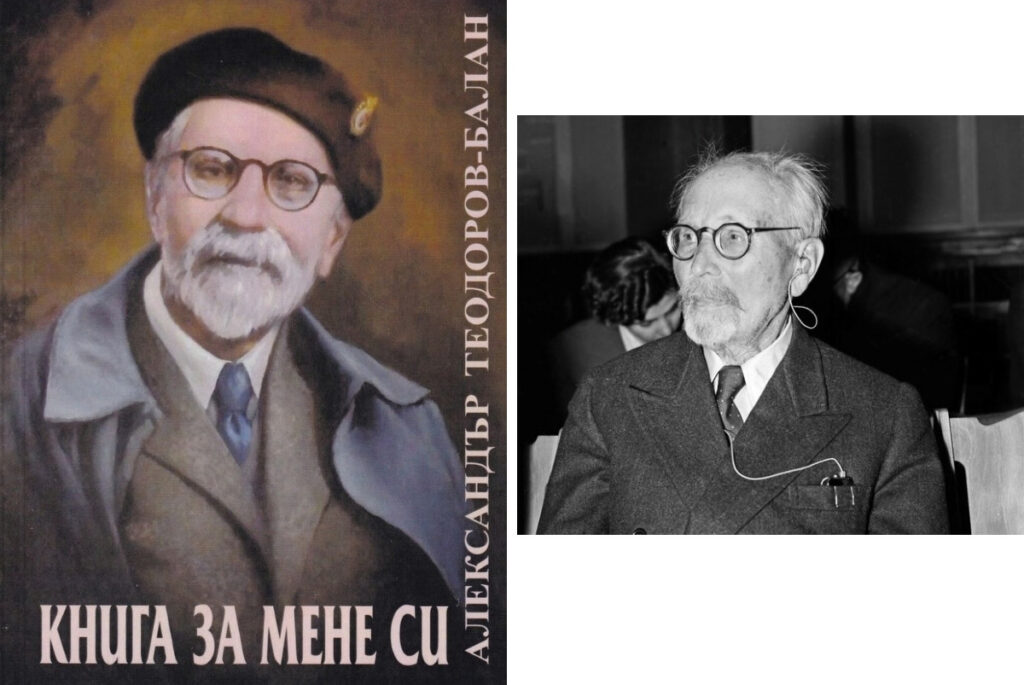
Balan lived to 99. Accounts of his habits emphasise walking and a disciplined routine, though longevity cannot be reduced to a simple formula. The title he chose for his autobiography gives another glimpse of his individual voice:
A Book About Myself.
He championed words that now feel entirely ordinary in Bulgarian, helping shape a language in which people work, create, travel and exchange ideas. Some he proposed, others he helped establish through use. His name on the metro map offers a small daily reminder of a much larger life.
Asen Peykov: a Bulgarian sculptor in Rome
What’s happening in the city? Follow GoGuide on Instagram to hear about it first.
Subscribe to our YouTube channel for a closer look at the city, and a wider view.