The World Is on Its Lunch Break
From bento to sobremesa: how different cultures turned lunch into a ritual
Somewhere in Mumbai, a metal box of homemade lunch is changing trains, bicycles and hands on its way to someone's desk
In Tokyo, someone is opening a bento. In Singapore, offices are emptying into a hawker centre. In Madrid, people are only just sitting down to a menú del día. Somewhere else, a salad is being eaten over a keyboard between two emails. We all have lunch, but we do it differently: a long spell at the table, or 15 minutes in front of a monitor. Perhaps lunch says more than anything about how much time we're willing to give ourselves halfway through the day.
Japan put lunch in a box
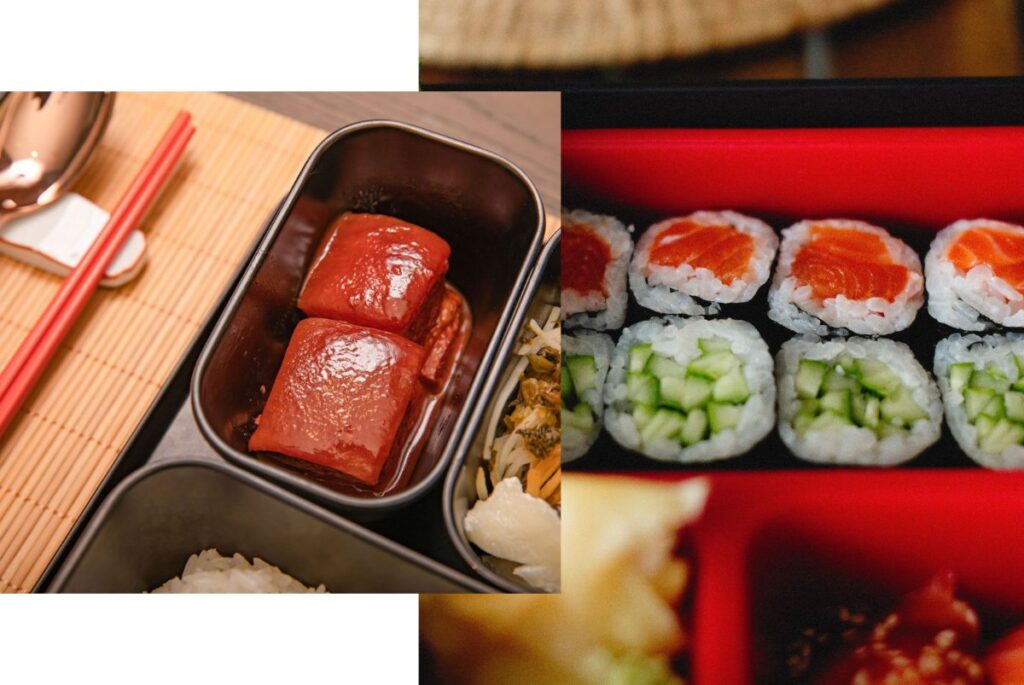
Japan was packing lunch long before lunchboxes became a lifestyle accessory and meal prep became Instagram content. There, a box of food has long been more than a way to carry your lunch. It's a small exercise in arrangement, seasonality and aesthetics. The story of bento begins with dried rice for the road, passes through picnics beneath the cherry blossom and finds its way into Japanese theatre.
Makunouchi bento was eaten during the intervals at traditional kabuki performances.
Then the boxes boarded the train. Ekiben is bento sold at railway stations, with different regions filling it with their own specialities. These days, some versions even heat themselves when you pull a string. Apparently, a cold lunch is another problem that engineering can solve.
In Mumbai, lunch goes to work without you
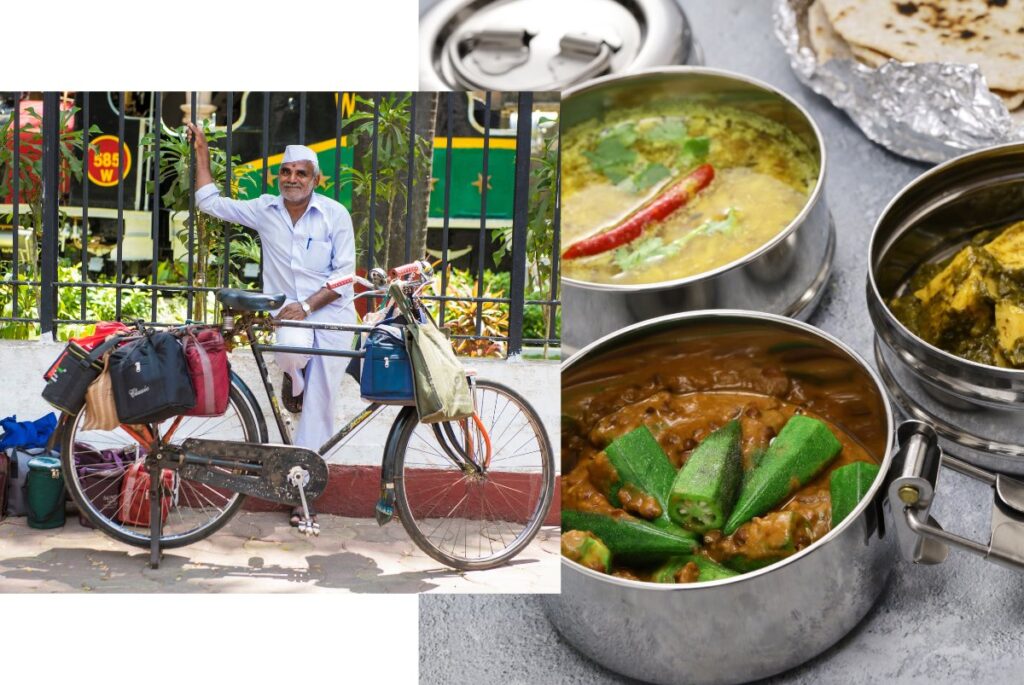
India has tiffin: a light meal, and a word closely associated with metal food containers. In Mumbai, those containers have an entire delivery system. Dabba is the lunchbox; a dabbawala is the person who collects it from your home and takes it to your office.
The system has been running since the late 19th century.
Thousands of boxes travel across the city by bicycle and train to reach the right person. Or almost always. One mistaken delivery sets the story of The Lunchbox (2013) in motion, bringing together two strangers who begin exchanging notes through the box. Food delivery, a love story and not an app in sight.
In Mexico, lunch arrives in instalments
In Mexico City, the working lunch often leads to a fonda: a small, unpretentious place where local workers come for comida corrida. It's a fixed-price lunch menu, but don't expect a single plate hurriedly dropped on the table. First might come agua fresca, a cold drink made with fruit or seeds, or horchata, a sweet rice drink with cinnamon. Then soup, followed by rice, pasta or salad, and only then the main course.
Sometimes there's even room for dessert.
Many fondas are built around lunch. Here, it isn't an inconvenient pause between emails but a proper meal. Something like a homemade lunch in the middle of the working day, except someone else has cooked, served and, thankfully, will do the washing-up.
Spain has a word for "I'm not getting up just yet"
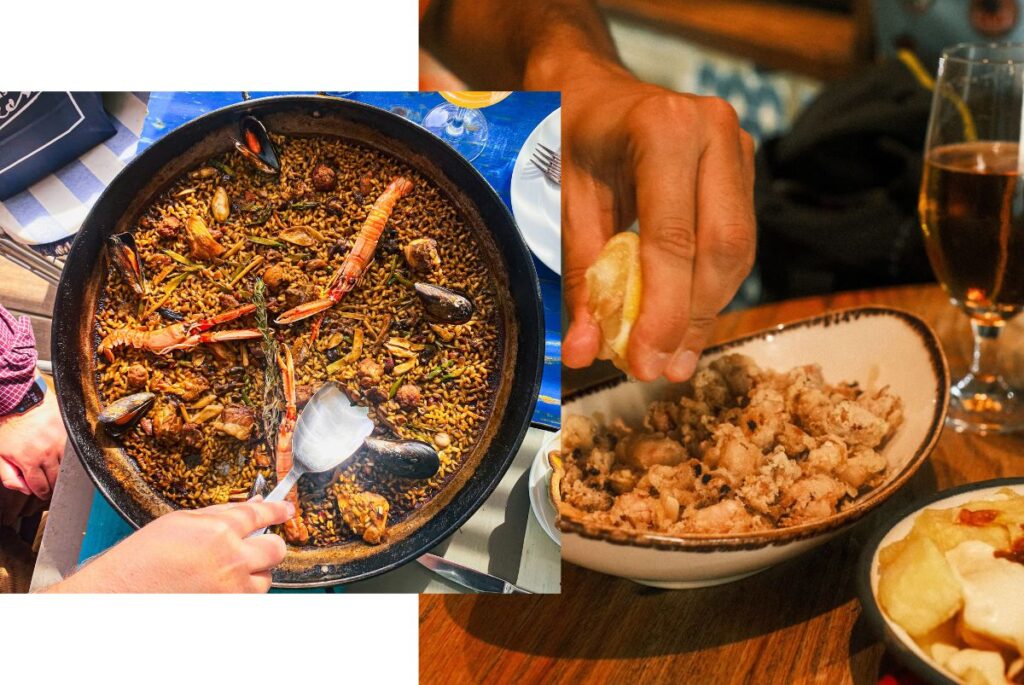
In Spain, menú del día is the classic fixed-price weekday lunch: a first course, a main, dessert or coffee, often with bread and a drink. But the best bit comes afterwards.
Sobremesa is the time you spend at the table after you've finished eating.
The plates are empty. The coffee has arrived. The conversation carries on. Spain has simply decided that this moment matters enough to have a word of its own. In Milan, even the lunchbox has a name: schiscetta. It comes from the local schiscià, meaning "to press", after the food packed into a box for work. Last night's dinner is perfectly at home in there. Proof that leftovers immediately sound better when you give them an Italian name.
In Singapore, everyone shares a table
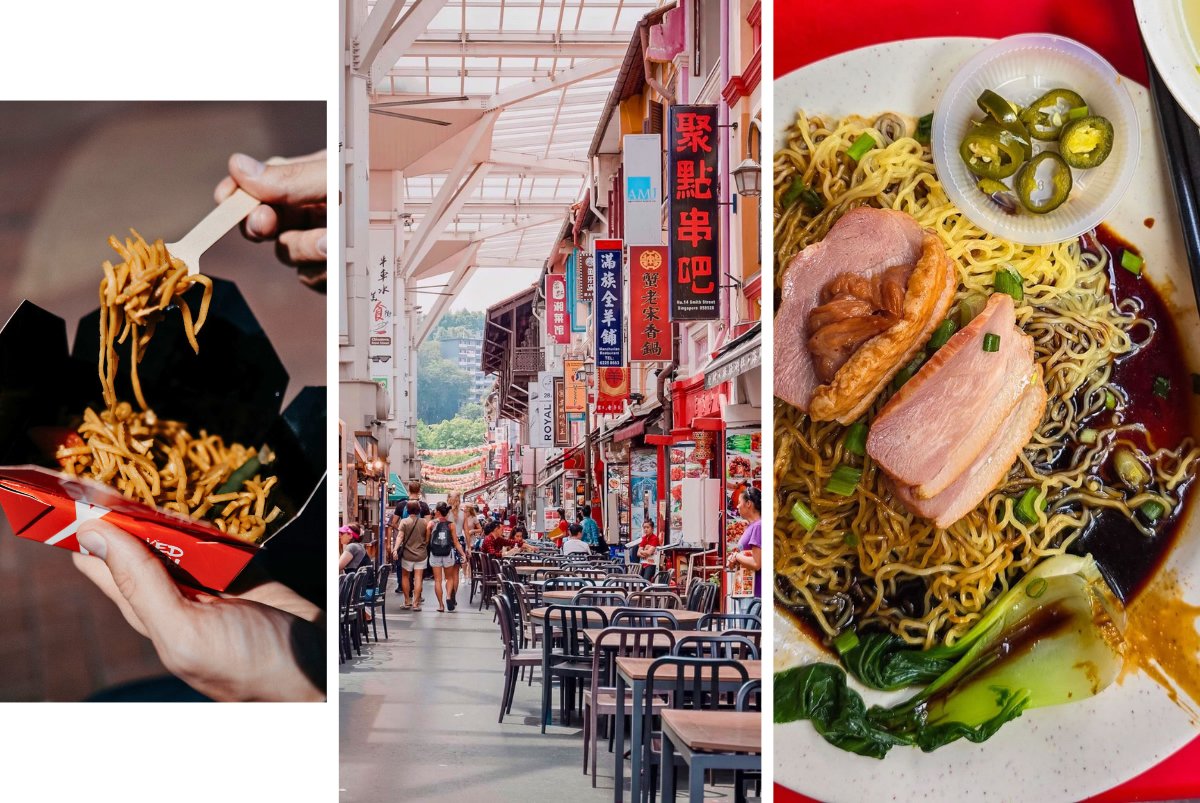
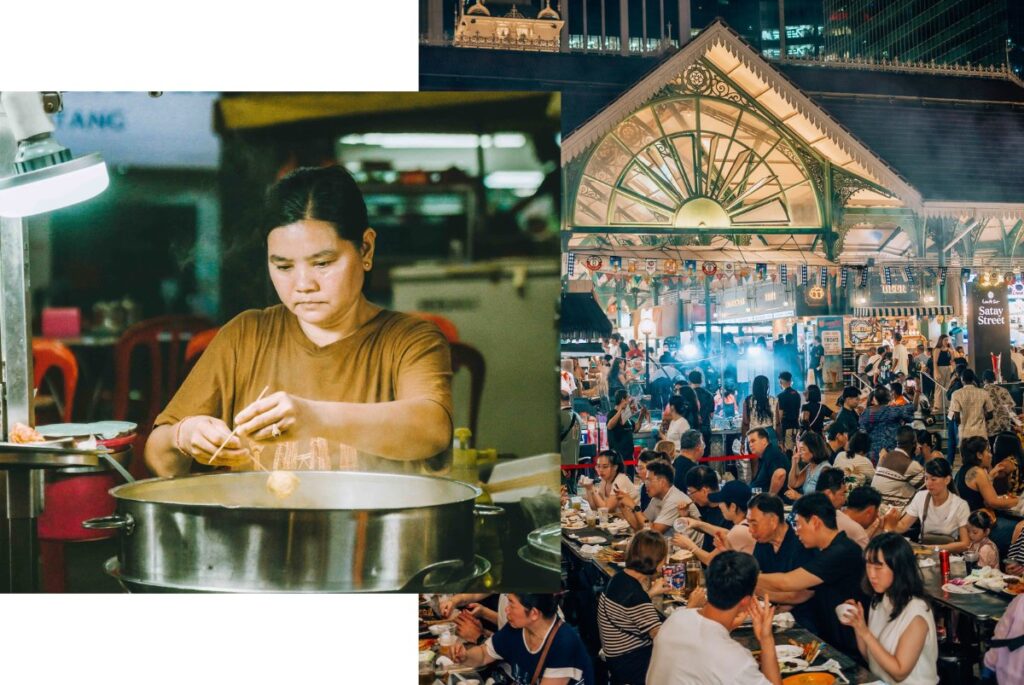
Singapore's hawker centres are found across the city, from residential neighbourhoods to the centre. Think of an enormous neighbourhood canteen: dozens of small stalls cooking different dishes, with tables shared by everyone. At the same table, you might be eating chicken rice, your colleague laksa, a spicy noodle soup with coconut milk, and the person beside them satay, grilled meat skewers with peanut sauce. Chinese, Malay and Indian culinary traditions quite literally meet for lunch. Hawker culture matters so much to daily life in Singapore that, in 2020,
it joined UNESCO's Representative List of the Intangible Cultural Heritage of Humanity.
A social network. Only it smells a whole lot better.
Lunch, with a little time on the side
Bento, tiffin, schiscetta. Ekiben on a train, a hawker centre with strangers, menú del día and a long sobremesa. Then along comes the modern office and invents almost the exact opposite. English even has a name for it: the sad desk lunch. One hand holds a fork, the other scrolls, and crumbs slowly take over the keyboard.
A lunch break with very little break in it.
The food changes, and so do the rituals. In one place, lunch travels halfway across the city. In another, it lasts long after the final bite. Elsewhere, it doesn't manage to prise you away from your screen at all. Perhaps that's the real difference: not what we put on the table, but how long we allow ourselves to stay there.
Eight Sofia lunch spots worth leaving your desk for
What's happening in the city? Follow GoGuide on Instagram to hear about it first.
Subscribe to our YouTube channel for a closer look at the city and beyond.