Gibraltar, beyond the familiar
Macaques, the Rock and an airport unlike most others
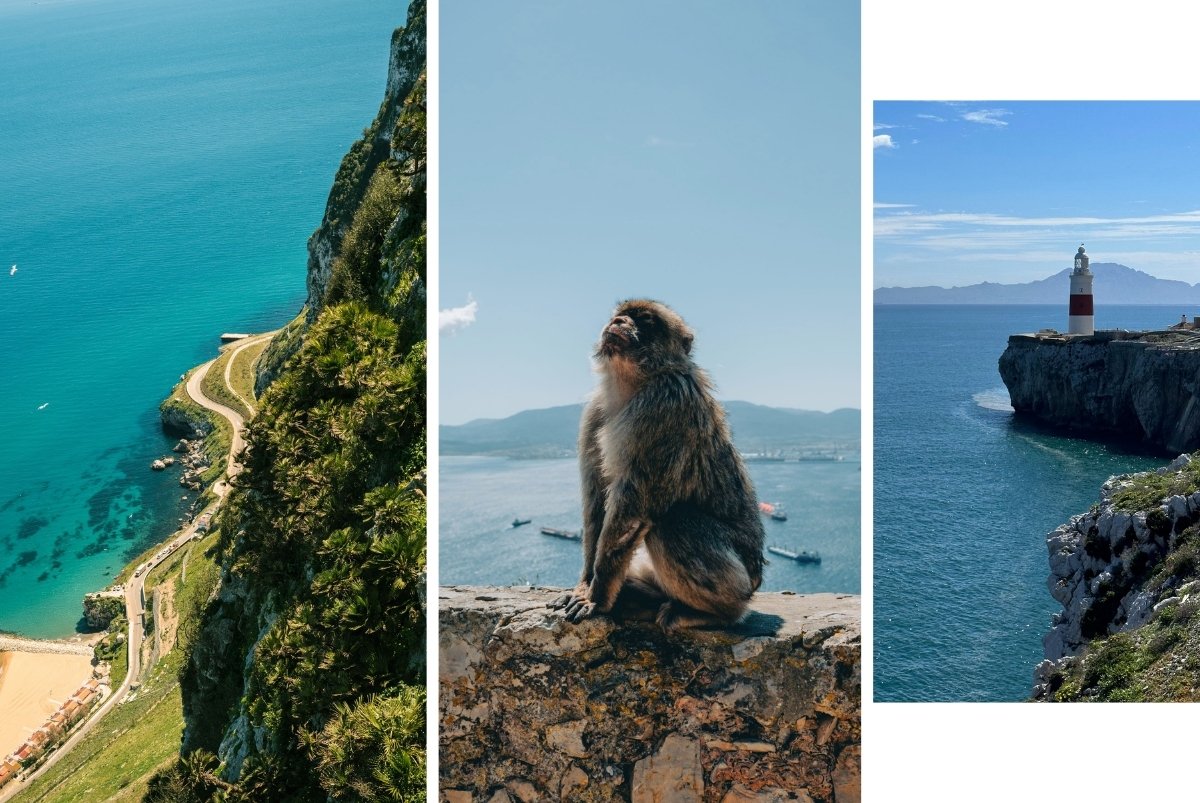
Gibraltar celebrates its national day on 10 September.
Perhaps people mark it with poetry by Gabriel Moreno, Giordano Durante or Trino Cruz, three notable Gibraltarian writers. My Bulgarian mind supplies a patriotic schoolroom verse with “Gibraltarian” slipped into it. I’ve always liked the weight and mystery of the name Gibraltar. It comes from the Arabic Jabal Tāriq, “Tariq’s Mountain”, after Tariq ibn Ziyad, the commander who landed in 711 and began the Muslim conquest of the Iberian Peninsula.
Gibraltar is an unusual place.
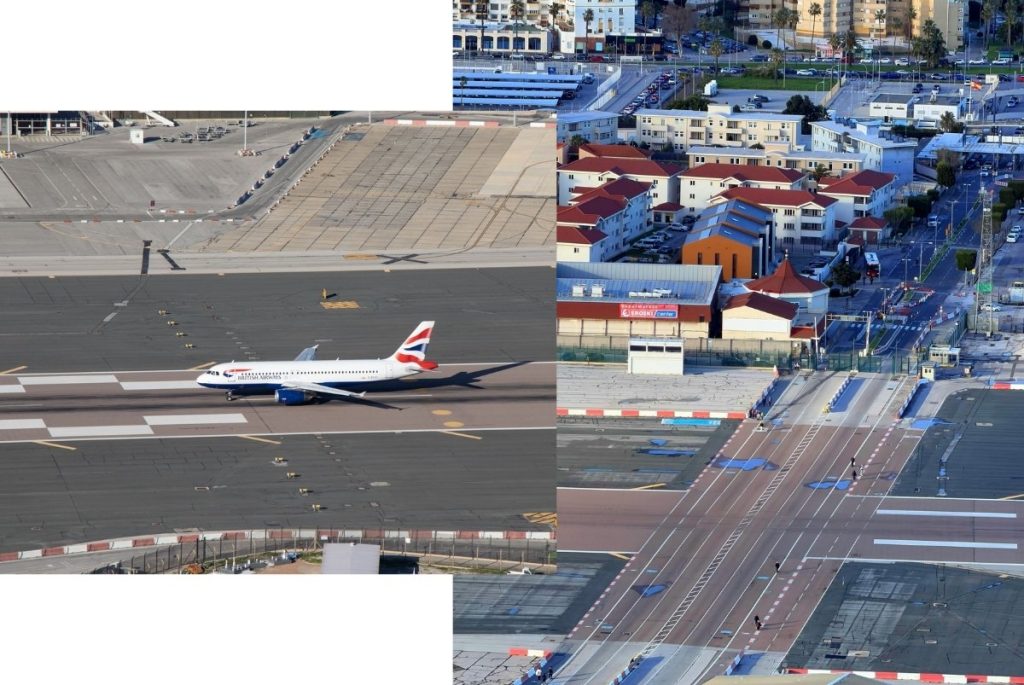
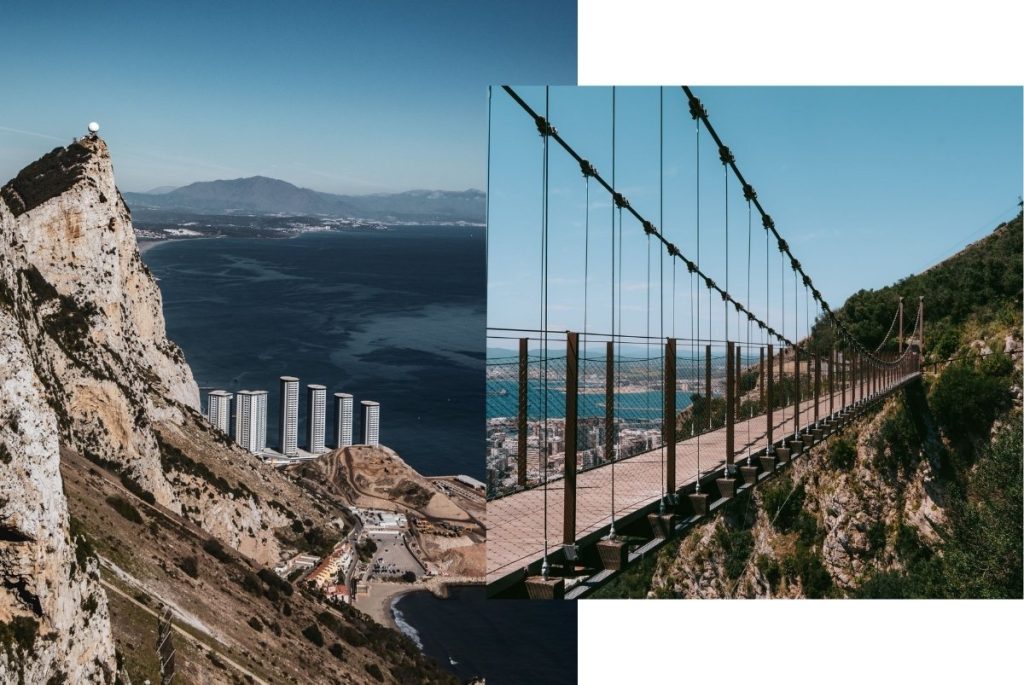
It begins with the airport runway, crossing the line of Winston Churchill Avenue. The familiar scene of cars waiting behind barriers for aircraft is now historical: road traffic moved to the Kingsway tunnel in March 2023. Pedestrians and cyclists can still use the controlled runway crossing, making the arrival unlike most European airports.
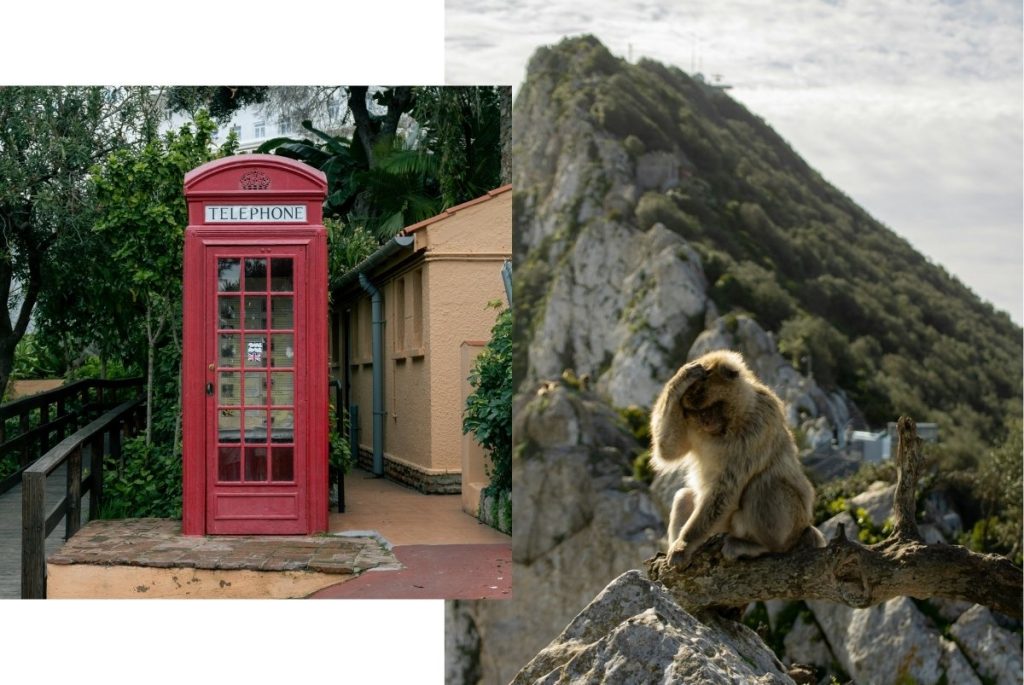
Then there are the macaques. Around 300 Barbary macaques live on the Rock, Europe’s only free-ranging non-human primate population. A local legend says Gibraltar will remain British while the monkeys remain. During the Second World War,
Winston Churchill ordered more animals brought from North Africa
after numbers had fallen sharply. Gibraltar is a British Overseas Territory. In 1967, voters chose continued links with Britain over Spanish sovereignty; in 2002, they rejected a proposal for shared British-Spanish sovereignty. The votes were overwhelming, above 98%. Gibraltarian identity and British ties remain closely connected.
So perhaps my invented patriotic greeting needs a British qualification. Joking aside, national day commemorates the first sovereignty referendum on 10 September 1967. English is official, while local conversation also uses Llanito, a distinctive vernacular. The author in me wonders what an overseas call centre would make of a speaker of Llanito alone.
In antiquity, the Rock was one of the Pillars of Hercules,
with Jebel Musa in Morocco often identified as the other. For ancient Greeks and Romans, this was the edge of the known world, associated with Non plus ultra: “nothing further beyond”.
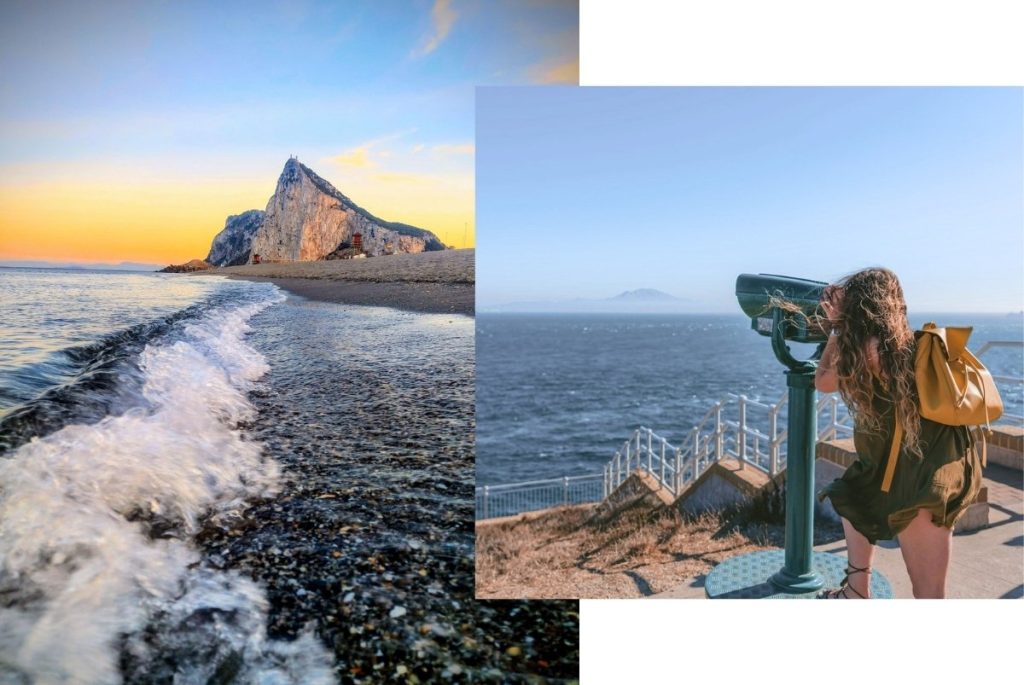
Gibraltar has inspired writers other than me. Nick Cave’s Peaky Blinders theme brought him to a wider audience, and onto my phone as a ringtone. In his 2003 song “Rock of Gibraltar” with the Bad Seeds, the Rock becomes an image of enduring, unshakeable love.
John Lennon married Yoko Ono here
on 20 March 1969. After difficulties with paperwork elsewhere, they flew to the Rock and married in a brief civil ceremony, away from much of the surrounding media attention. James Joyce’s Ulysses also ends with thoughts of Gibraltar.
For anyone raised on the 1990s cartoon Cro, there’s another intriguing story. A Neanderthal skull was found in Gibraltar in 1848, years before the German discovery that gave the species its name.
Its significance wasn’t recognised at the time, and it went into a collection.
Eight years later, remains from Germany’s Neander Valley were described, and the name followed. Had Gibraltar’s find been understood sooner, perhaps the terminology, and my childhood cartoon associations, would have been different. If the United States is the land of unlimited possibilities, Gibraltar is a small territory with a seemingly unlimited supply of stories.
August becomes September: where we’re heading to the sea (in Bulgarian)
What’s happening in the city? Follow GoGuide on Instagram to hear about it first.
Subscribe to our YouTube channel for a closer look at the city, and a wider view.