Osaka for flavour, Kyoto for soul, Tokyo for rhythm: part II
Into Tokyo’s crowds, and its quieter corners
Japan is a destination many travellers dream of,
and once you’ve been, leaving can be difficult. There’s always more to experience. The place becomes a favourite, the culture surprises you and the food keeps inviting another experiment. In the first part of this journey,
we began in Osaka, passed through Kyoto and headed towards Tokyo.
Now we reach a city with more than twice Bulgaria’s population, where getting deliberately lost is easy. Reading can take you there in your head; a ticket can do the rest. We’ll supply a few practical suggestions and less obvious stops. Enjoy the journey.
Days 7 to 10: Tokyo, where the future is loud
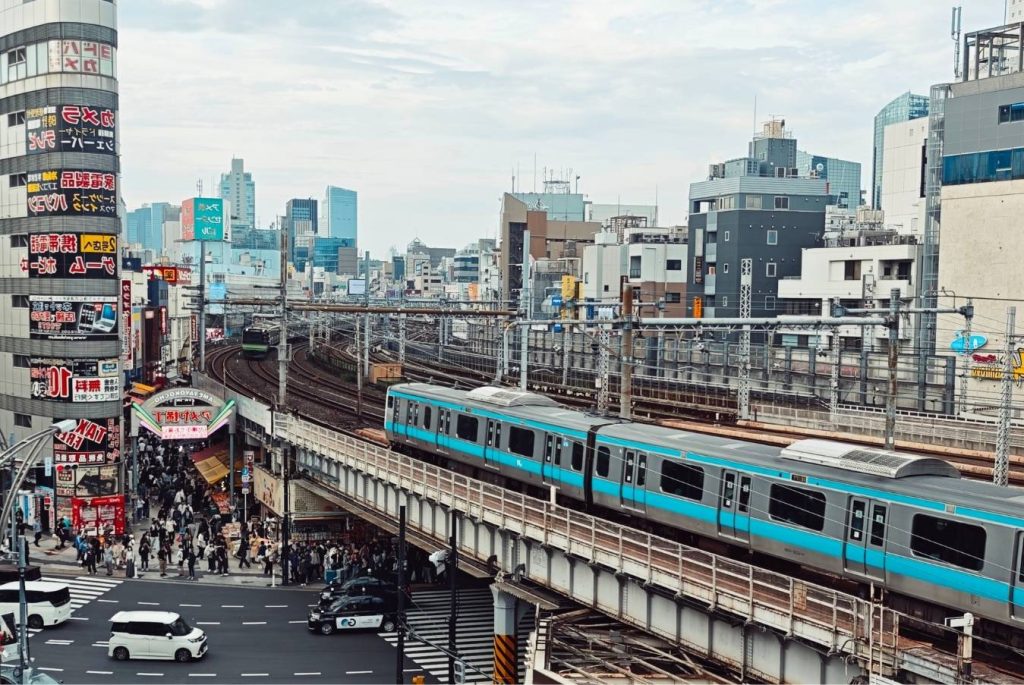
After everything else comes Tokyo. Take the Shinkansen, Japan’s high-speed train, to reach it. This isn’t a city you can fully understand, and perhaps you don’t want to. Contrasts keep coming: vending machines on every corner, trains in precise synchrony, quiet passengers and streets lit like a science-fiction film. One day you’re among thousands in Shibuya; the next you’re drinking coffee in a neighbourhood so quiet you forget the scale of the city around it.
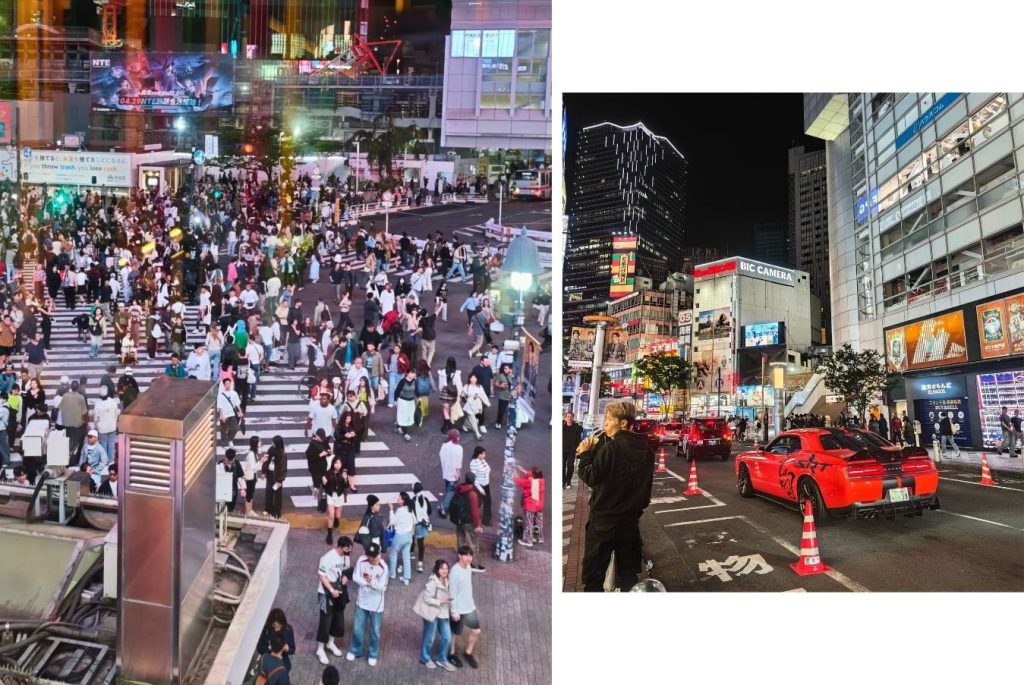
Begin in Shibuya. Pause at the crossing, where the lights stop traffic in every direction and hundreds of pedestrians move across without colliding. See it from above at least once, from Shibuya Sky or the Starbucks opposite. Then join the crowd.
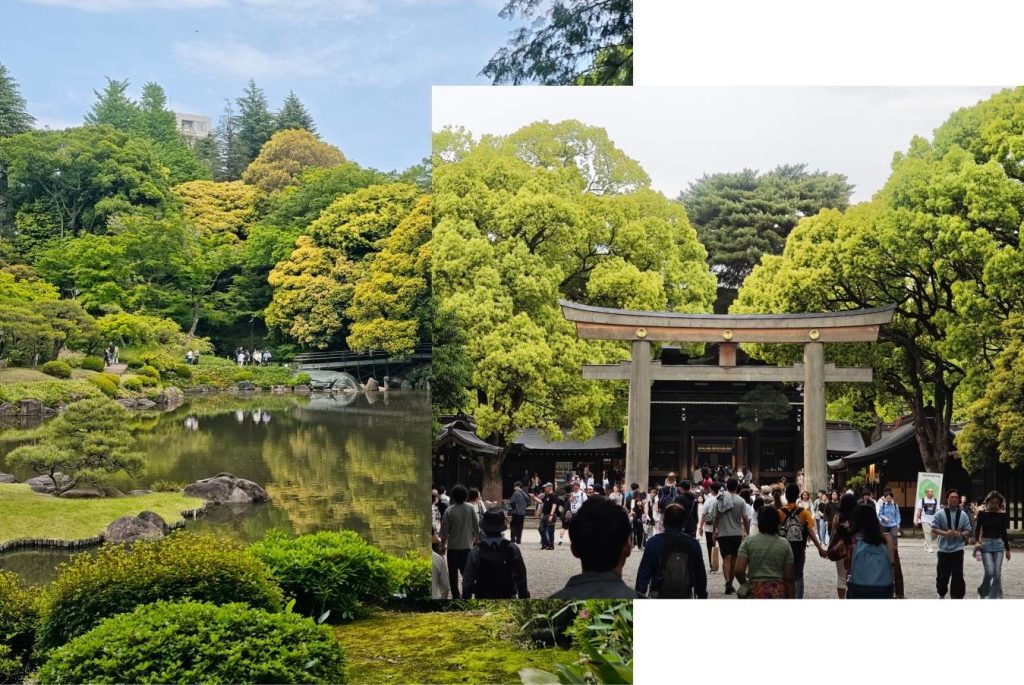
Rikugien is one of Tokyo’s loveliest places for a quiet walk,
a traditional garden of small bridges, still ponds and stone paths that make the surrounding city fade. We also recommend Yoyogi Park: broad paths, cyclists, picnics beneath trees and musicians practising as if nobody were listening. Good for an unhurried walk between busy districts and a rare moment of quiet.
A FEW LESS OBVIOUS STOPS
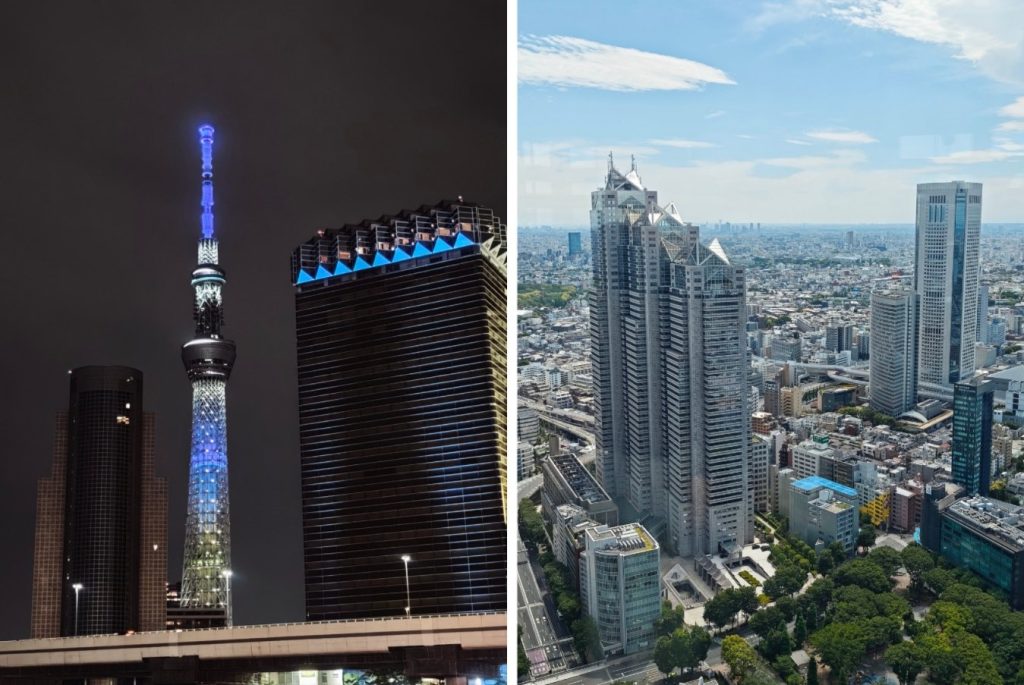
For a view over the city: Skytree and Tokyo Tower are obvious choices. The Tokyo Metropolitan Government Building in Shinjuku offers a free observation deck, with a night view we’d choose over some paid alternatives.
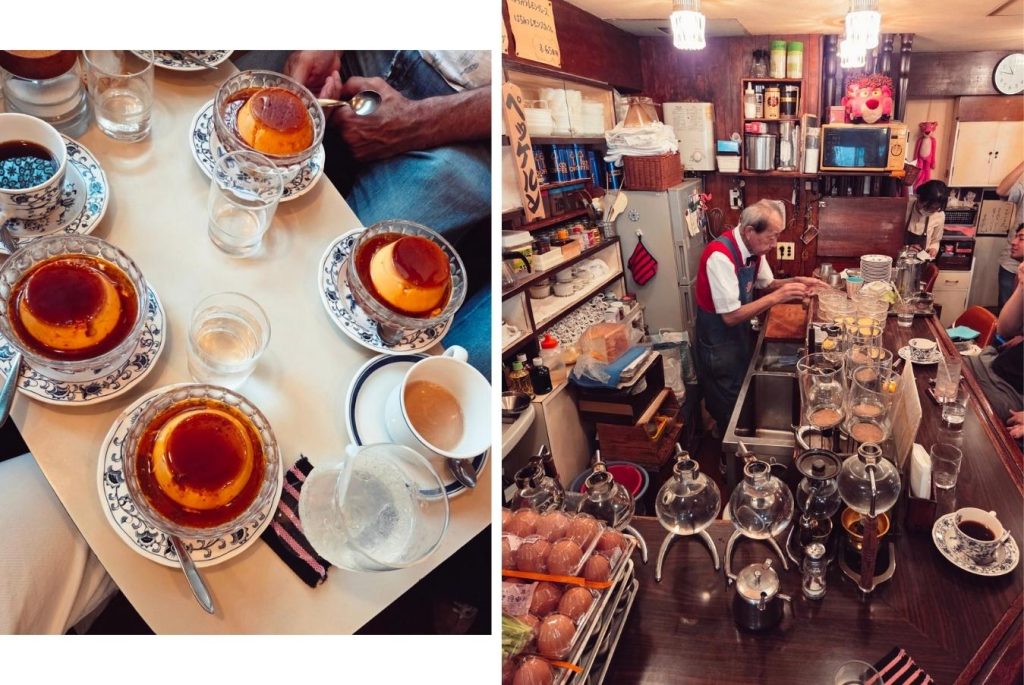
Hekkelun is known for its jumbo purin, a Japanese caramel pudding made to the same recipe for decades.
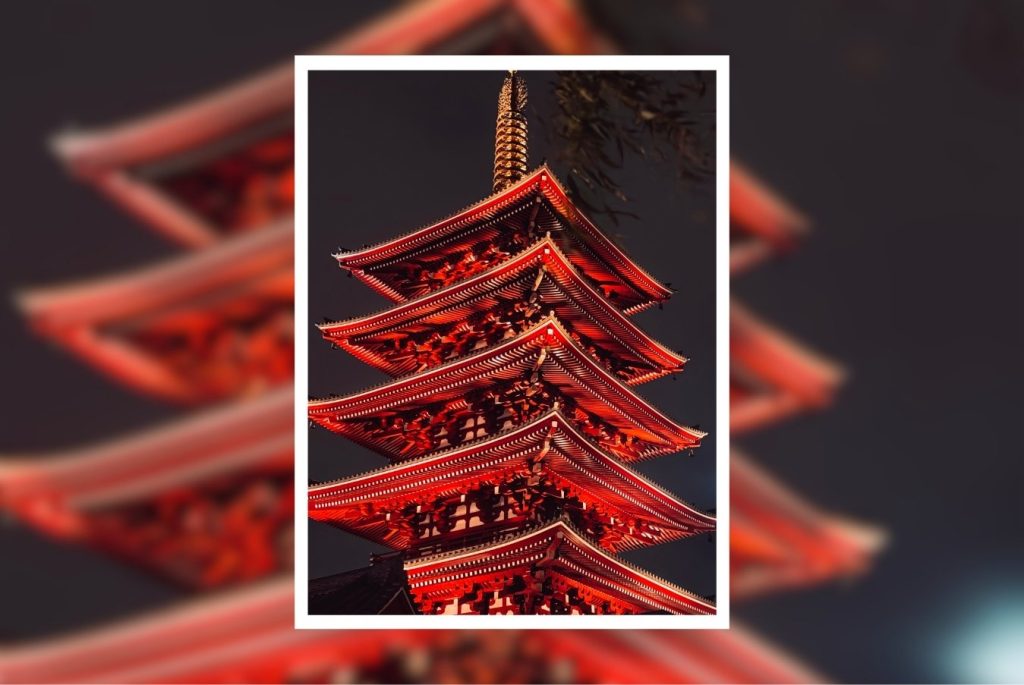
Sensō-ji is particularly atmospheric after dark. Save it for an evening walk.
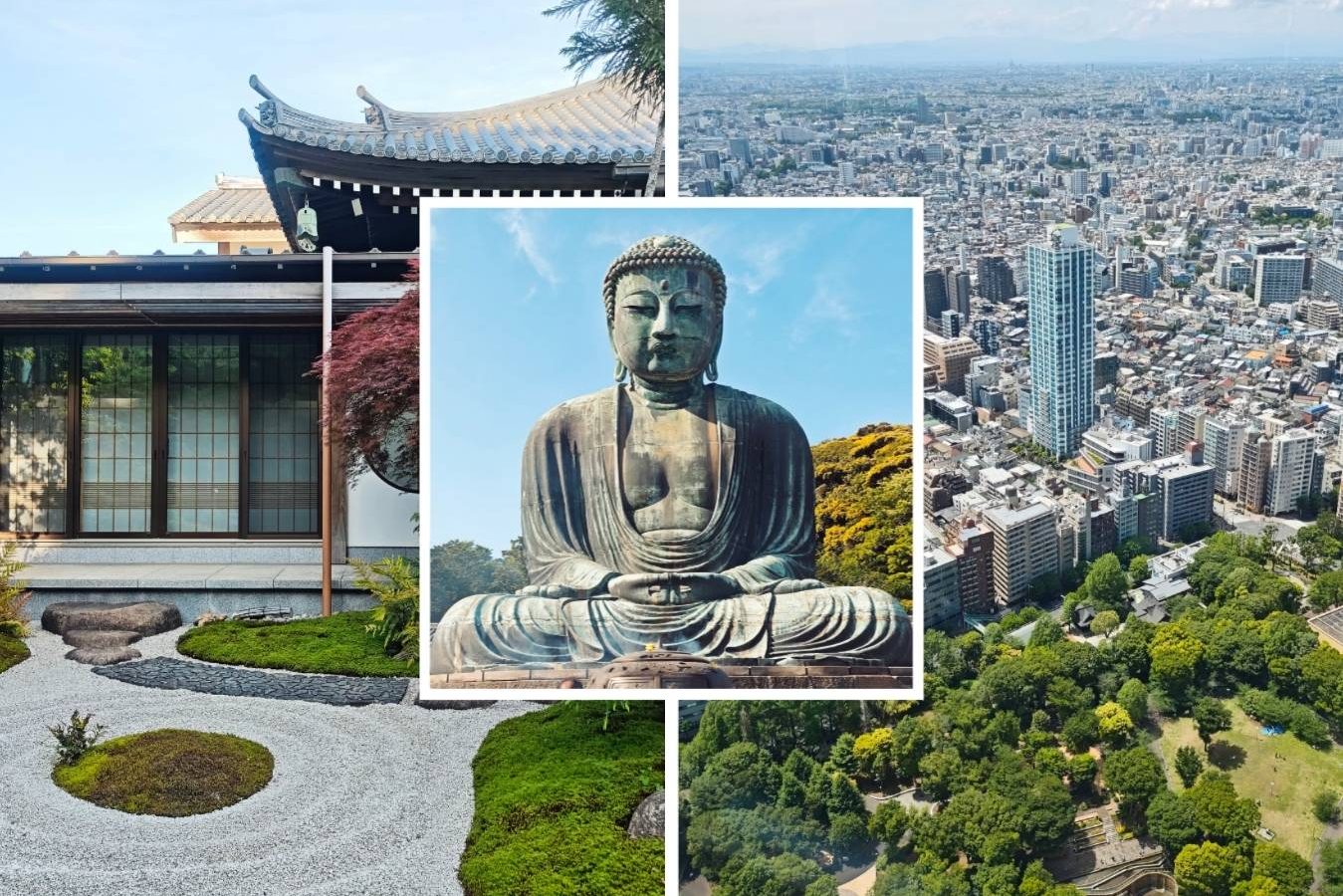
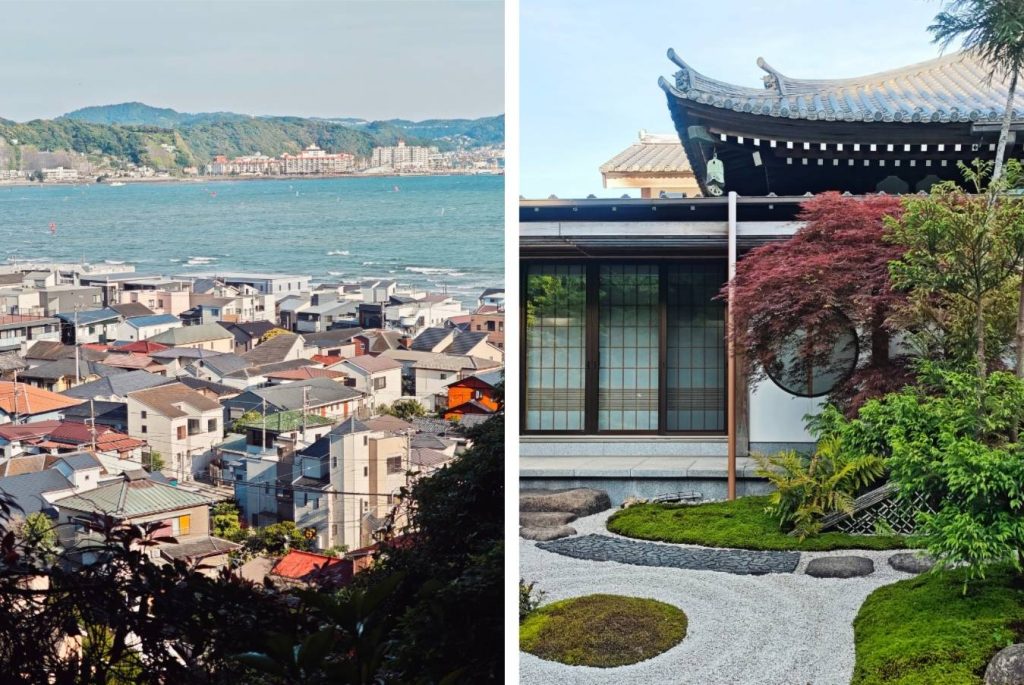
A day-trip idea: Kamakura feels like Kyoto by the sea. Temples in the hills, narrow shopping streets and, finally, the Great Buddha at Kōtoku-in. The bronze statue dates to 1252 and stands roughly 13 metres high, sitting outdoors with exactly the composure you’d expect.
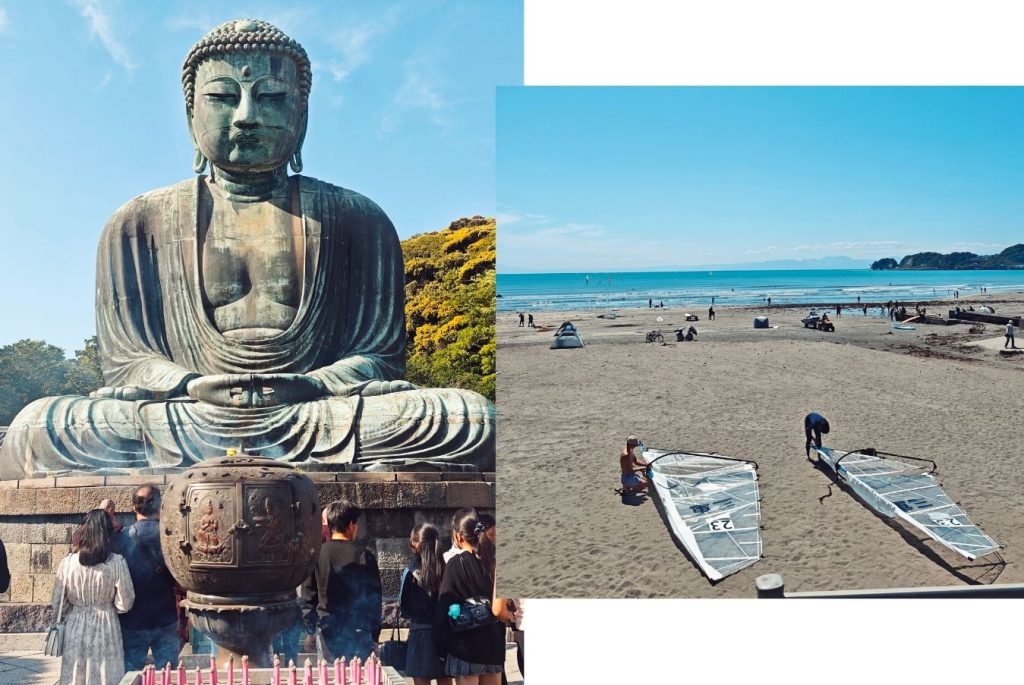
From the coastal headland of Inamuragasaki, Mount Fuji is said to look particularly clear. After the Buddha, visit Hase-dera for an ocean view, then head down to Yuigahama Beach.
The finish
Ten days in Japan will never be enough. But they’re enough to understand why people return. Osaka fed you. Kyoto slowed you down. Tokyo lost you. Somewhere among the three cities, the punctual trains and food that exceeded expectations, you realise that
Japan reveals itself a little at a time.
It gives you enough to leave with more questions than answers. That’s the trap. And the reason you return.
Osaka for flavour, Kyoto for soul, Tokyo for rhythm: part I (in Bulgarian)
What’s happening in the city? Follow GoGuide on Instagram to hear about it first.
Subscribe to our YouTube channel for a closer look at the city, and a wider view.