The women behind the poems: Boyka Vaptsarova and Mara Belcheva
Two lives that deserve a place in Bulgaria’s literary memory.
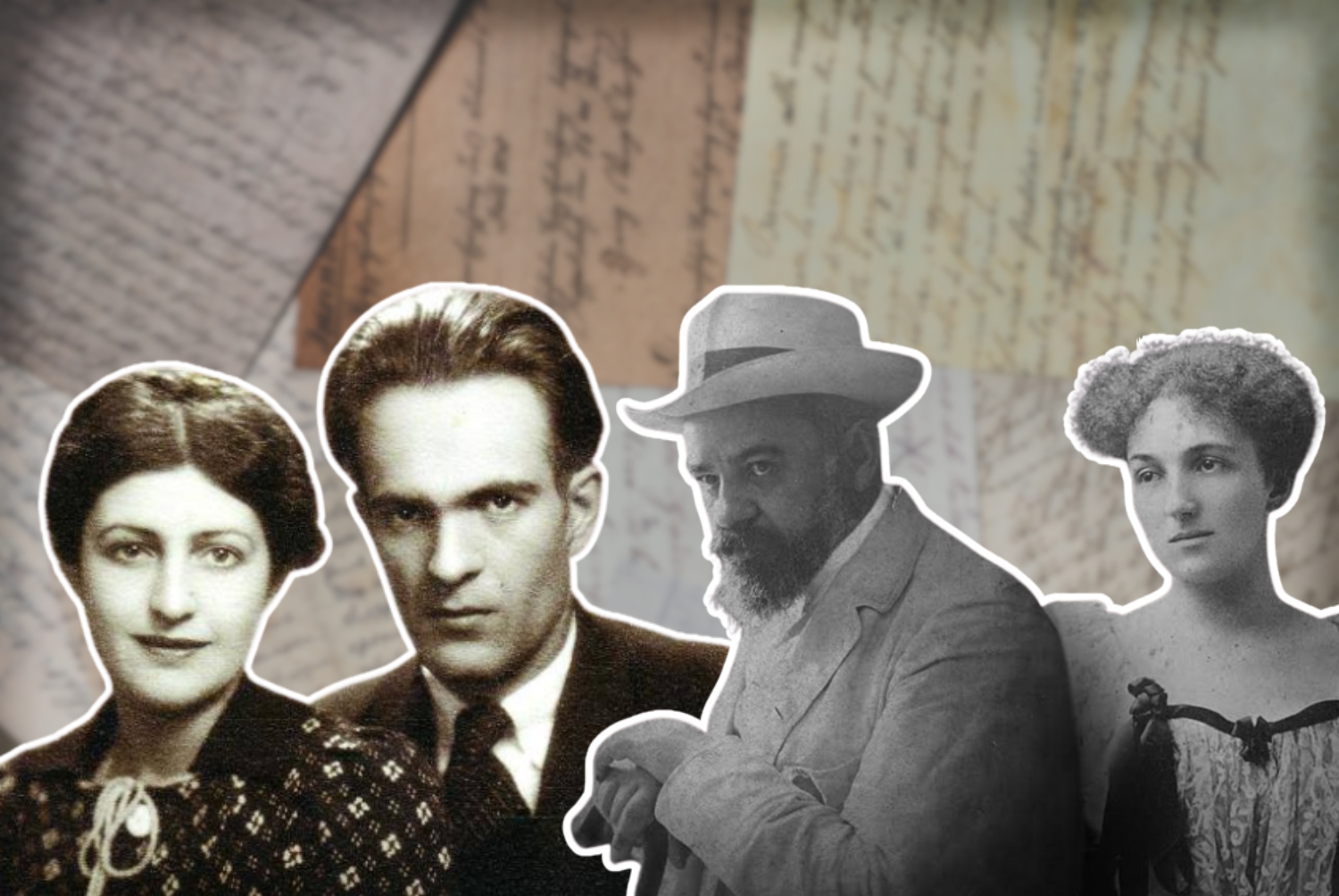
Every 24 May, Bulgaria’s celebration of culture, education and letters fills the day with poems, quotations and favourite passages.
Some we learned at school, some we found for ourselves, some we have yet to read. For a few minutes, though, let us turn towards two women whose names are less likely to appear in those celebrations: Boyka Vaptsarova and Mara Belcheva. Their lives are closely connected with Nikola Vaptsarov and Pencho Slaveykov, but they deserve attention in their own right. Without their work and determination, the stories of those celebrated men would have been much quieter.
Nikola Vaptsarov’s “white crow”
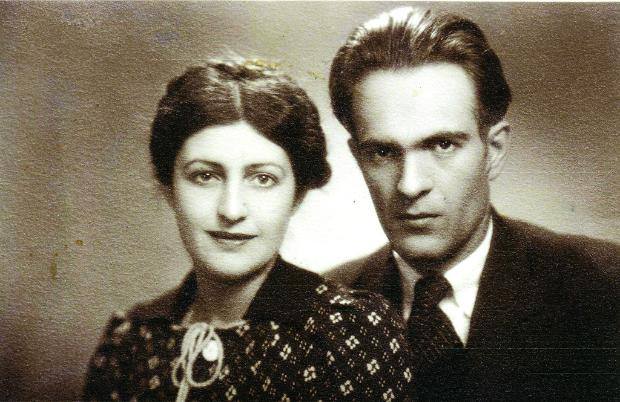
By 1939, Nikola Vaptsarov, then more familiar to some as Kolyo the technician, had written the poems that would become Motor Songs, the only collection published in his lifetime. He took the manuscript to people whose judgement he valued, hoping to see it in print. Friends including Georgi Karaslavov believed in the work. His wife Boyka was among its most determined supporters.
She was his “white crow”, the rare bird in his life.
Accounts of their relationship describe a woman from a comfortable family choosing a much harder life with the young mechanic and poet she loved. His unruly hair, angular face, changeable expression and restless energy mattered more to her than comfort. Elegant white clothes could wait for another life. In this one,
she would get her hands dirty helping Motor Songs into the world.
Both earned little, but Boyka found a way to help finance the book. She took out a loan through a mutual-aid fund connected with the bank where she worked. The decision made her belief in the poems tangible. Conviction in another person’s work can move mountains.
Or, in this case, publish a book of poems.
Motor Songs appeared in 1940 in an edition of 1,500 copies, under the name Nikola Yonkov. For a moment, let the couple have the joy of the new book, much of its small print run passed to friends and acquaintances. They could not know that two years later, shortly before his execution, Vaptsarov would write the farewell poems through which generations would remember him. Nor could they know how differently the work would be received after his death. Recognition arrived too late for him to see it.
The woman Slaveykov called “child”
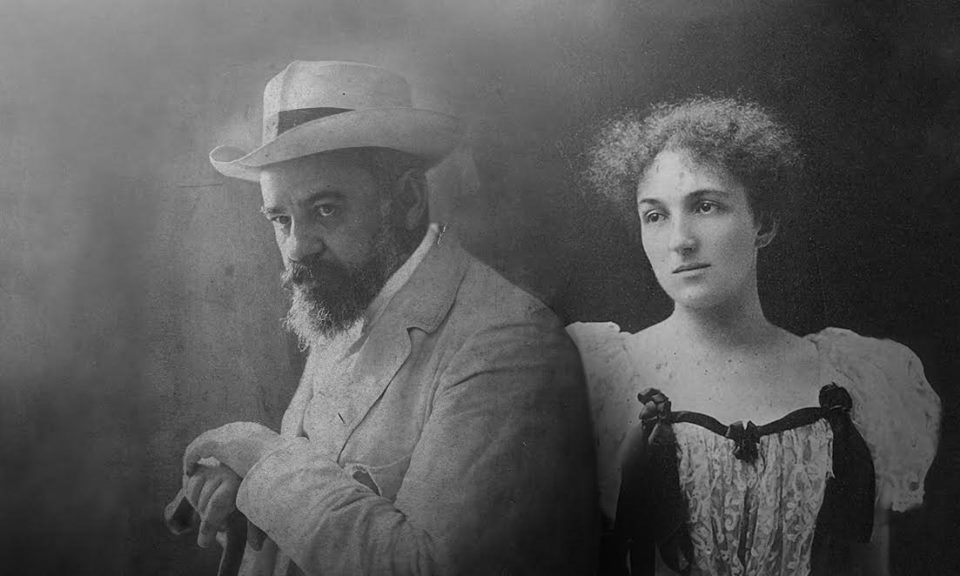
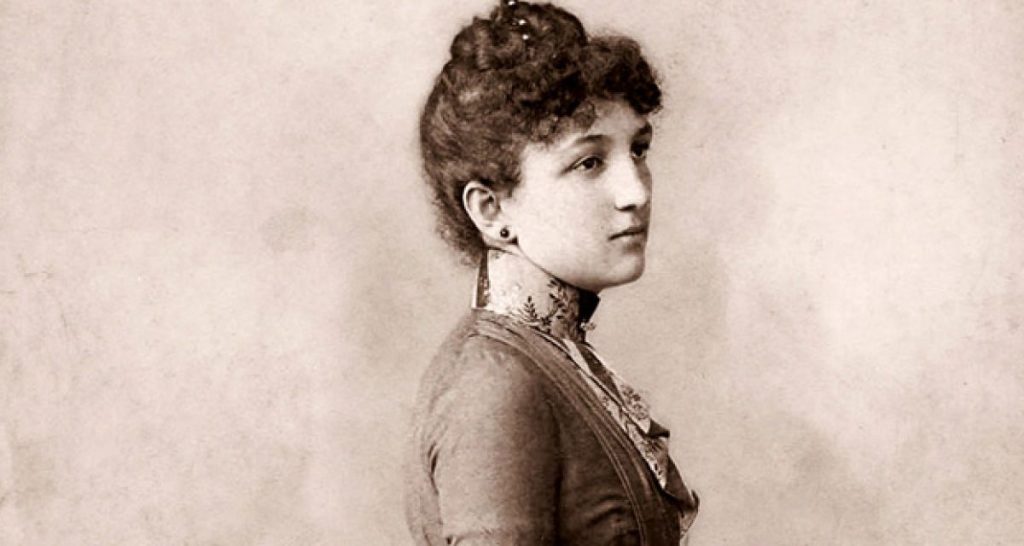
Mara Belcheva’s story belongs to an earlier chapter of Bulgarian literary life. Widowed in her early twenties after the death of finance minister Hristo Belchev, she had been born in Sevlievo and educated in Tarnovo and Vienna. She became a remarkably accomplished presence in Sofia’s cultural world. Her later commitment to Pencho Slaveykov included considerable personal and financial sacrifice.
She read poetry in several languages, translated and hosted literary gatherings.
Her relationship with Slaveykov became central to her life. She was a poet herself, yet her work was often overshadowed by his. At a time when more distinct female voices were emerging in Bulgarian poetry, her own writing and her care for his work remained tightly intertwined.
She also had a place in the intellectual world of the Misal circle.
Belcheva helped preserve, edit and promote Slaveykov’s work, including A Song of Blood, associated with his 1912 Nobel nomination. After his death, she returned to Bulgaria and continued writing about him and preparing his work for publication, while living in straitened circumstances. Her former home at 12 Hristo Belchev Street remained a reminder of another life. She translated Nietzsche’s Thus Spoke Zarathustra and published her own poetry, including Footsteps at the Threshold. Many poems carry the presence of the man who addressed her as “child” in his letters. Yet that tender name should not obscure her adult agency, work or sacrifice. There was far more to her than the role of a muse.
Her own poem deserves to be part of the day’s reading too.
Here is a new English rendering of the lines quoted in the Bulgarian article.
Footsteps at the Threshold
“Why dressed in all your Easter finery?”
I thought I heard somebody say.
I turned and fixed my eyes upon the threshold:
the wind had pushed the door away.
A sudden chill ran through me...
Since his footsteps ceased to be,
those steps more luminous than words,
no others have appeared for me.
Theatre and Bulgaria’s Day of Culture
What’s happening in the city? Follow GoGuide on Instagram to hear about it first.
Subscribe to our YouTube channel for a closer look at the city, and a wider view.