Rene Karabash’s prize: the readers who stayed
She Who Remains reached the International Booker shortlist, and found a life far beyond it.
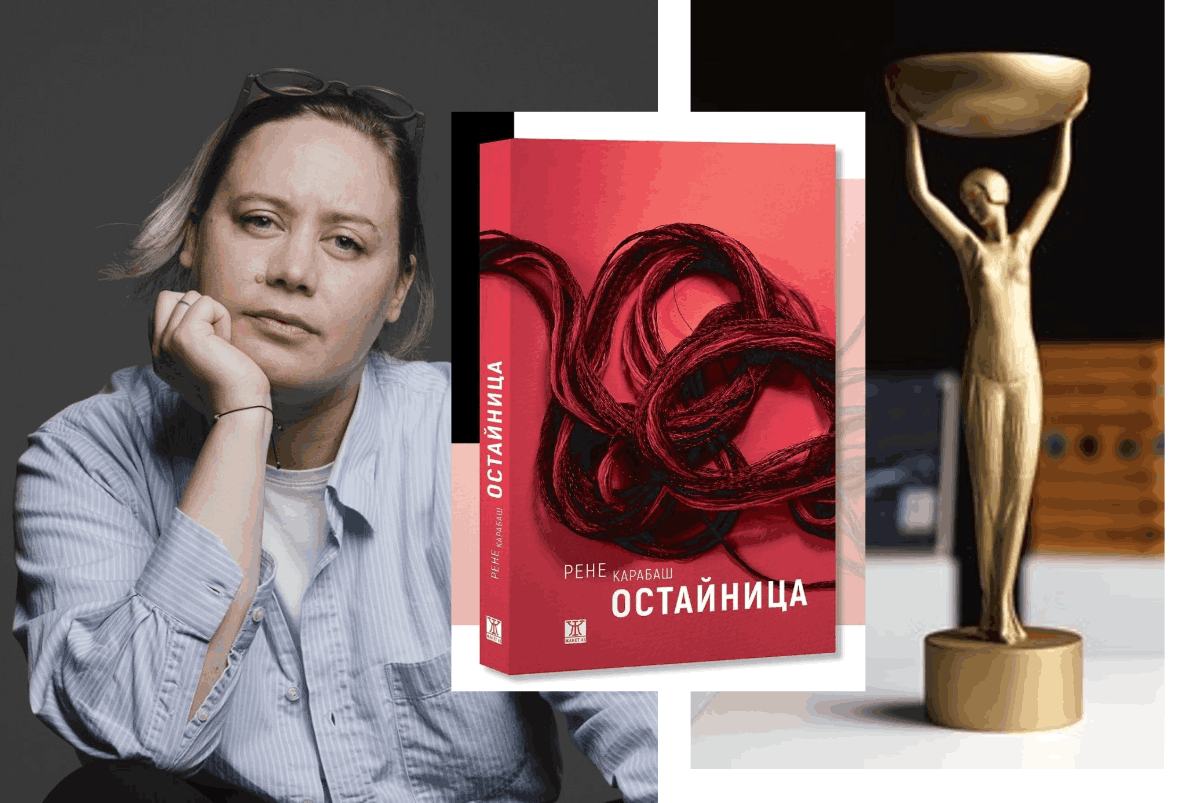
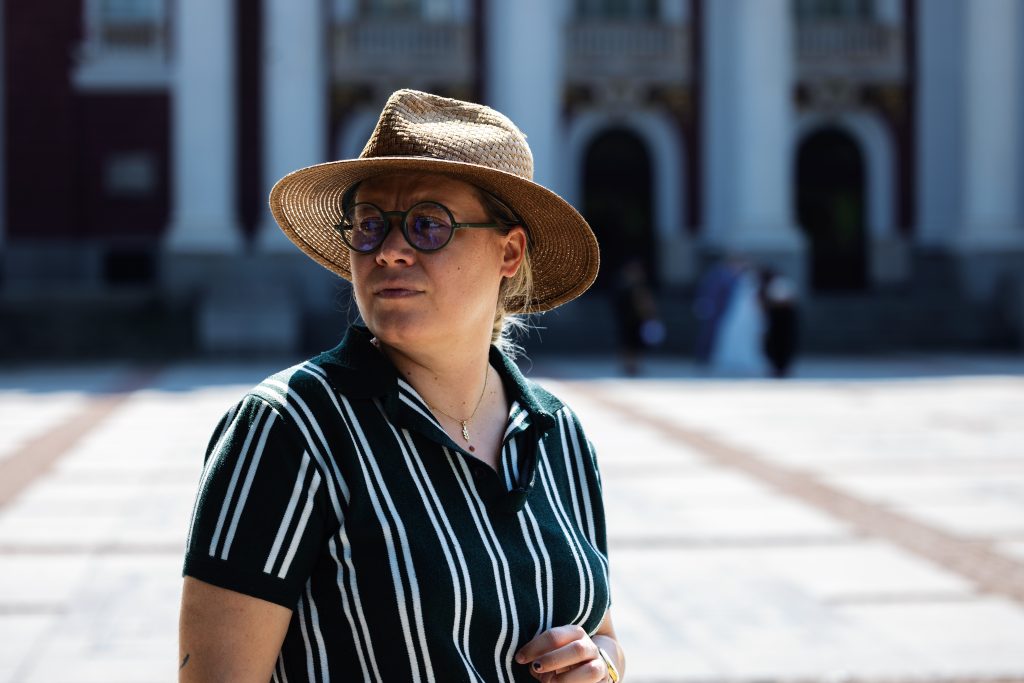
Portrait of Rene: Yana Lozeva.
How much joy can a country hold?
For Bulgaria’s readers, spring 2026 offered another reason to feel proud. Rene Karabash’s She Who Remains, translated by Izidora Angel, reached the six-book shortlist for the International Booker Prize after appearing on its thirteen-book longlist. The prize went to Taiwan’s Yáng Shuāng-zǐ and translator Lin King for Taiwan Travelogue. That result does not diminish what Karabash’s novel achieved, or the international attention it brought to Bulgarian literature.
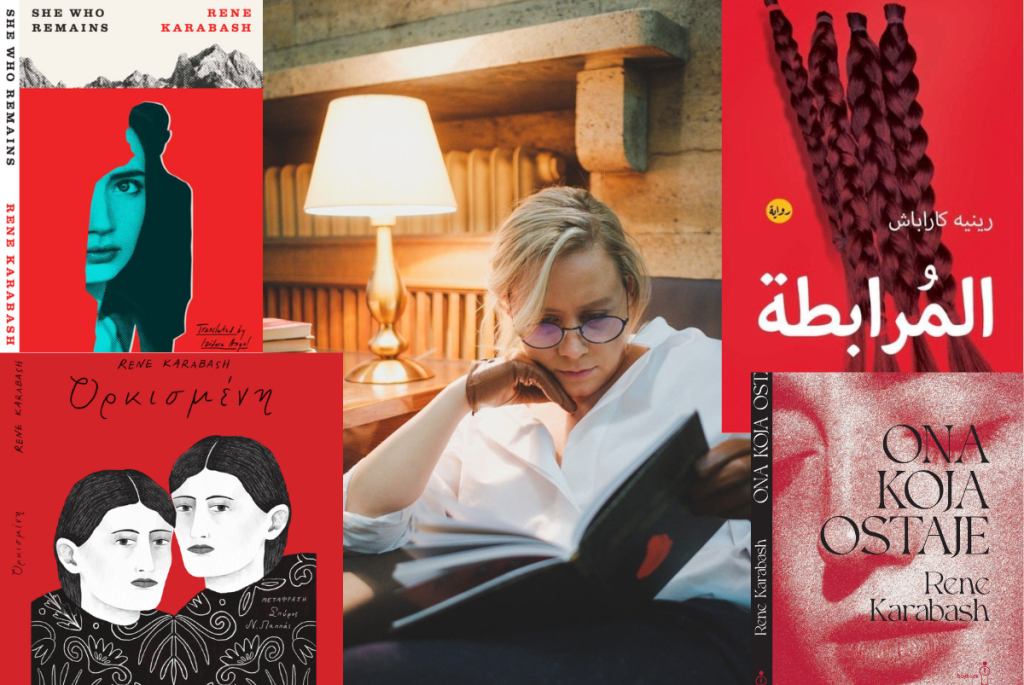
Cover photograph: Georgi Kazakov.
For Karabash, the greatest reward was the connection with readers. Speaking after the result, she described a book being widely read and discussed, and the pleasure of seeing people choose it. The prize recognises literary achievement, but also gives writers and translators a chance to reach readers far beyond their original language.
That possibility has tangible consequences.
In 2023, Georgi Gospodinov and translator Angela Rodel won the International Booker Prize for Time Shelter. Bulgarian books have since found a more visible place in international literary conversation. Karabash sees her own recognition as part of that movement, and hopes it will become increasingly familiar rather than exceptional.
She spent two years researching She Who Remains, then wrote it with the force of a story arriving in one breath.
She has described a voice reaching into painful places, pouring out without much regard for rules. The novel feels like a current carrying an entire world. Izidora Angel, who translated it, has spoken about a sense of magic in the book and a vocation in bringing it into English.
There has to be an unusual intimacy between writer and translator for a book to reach readers so fully in another language. Stories drawn from deep personal places can change how we imagine the world. It is heartening to see Bulgarian writing take its place in that wider space, despite the online hostility and political neglect that culture so often faces at home.
Bulgarian artists are becoming less easily dismissed as an exotic exception.
Karabash was candid about wanting to win, but also about feeling happy and fulfilled by what had happened. Her confidence in readers’ support was a personal response, not a public-vote result. Gospodinov has written about the quiet ease of being Bulgarian: reaching a point where national pride needs neither a heroic display nor constant proof, because you are simply part of Europe’s and the world’s conversations. That possibility feels a little closer. Thank you, Rene, for She Who Remains.
Making an international impression: five Bulgarian successes
What’s happening in the city? Follow GoGuide on Instagram to hear about it first.
Subscribe to our YouTube channel for a closer look at the city, and a wider view.