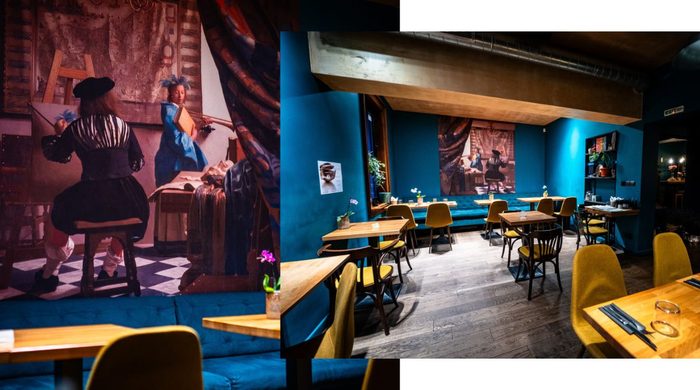
The museum in the Instagram age: an experience or a good shot?
When looking at art happens through a screen, and memories are measured in likes.
English version of GoGuide’s Bulgarian edition. Bulgarian translation from English: Kristiyana Burdeva.
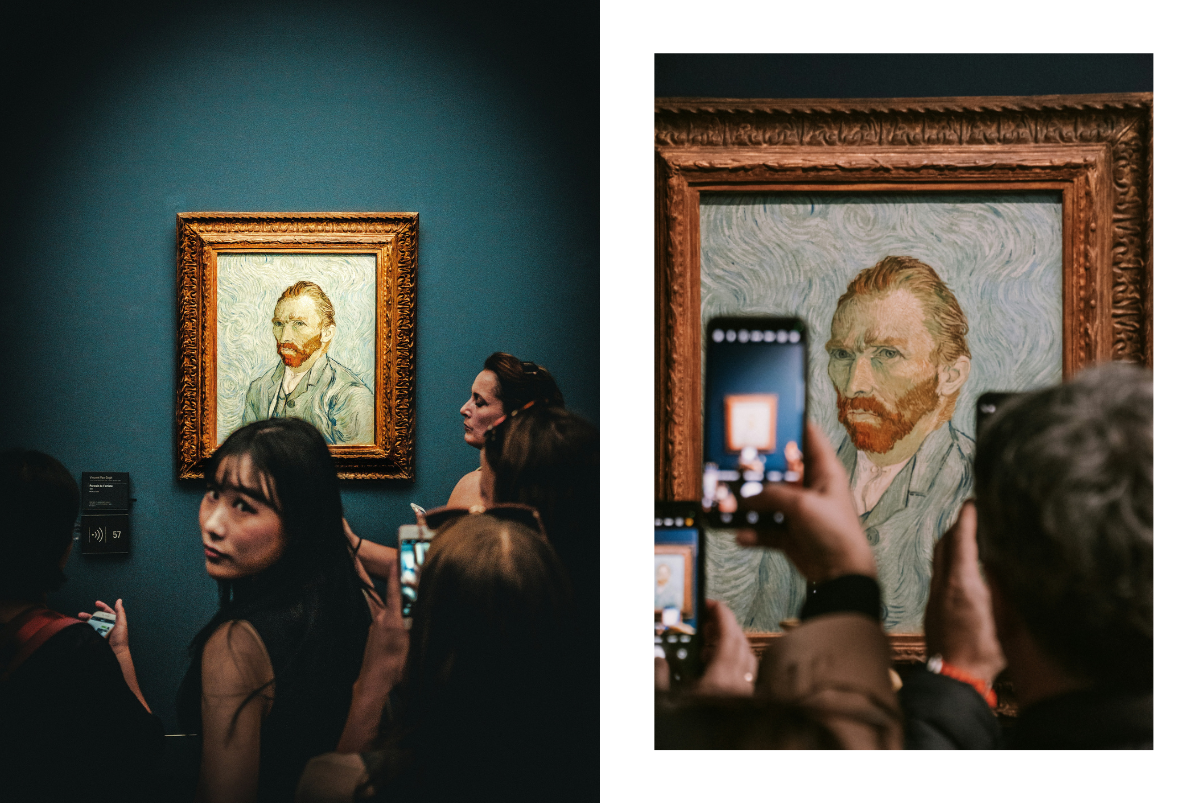
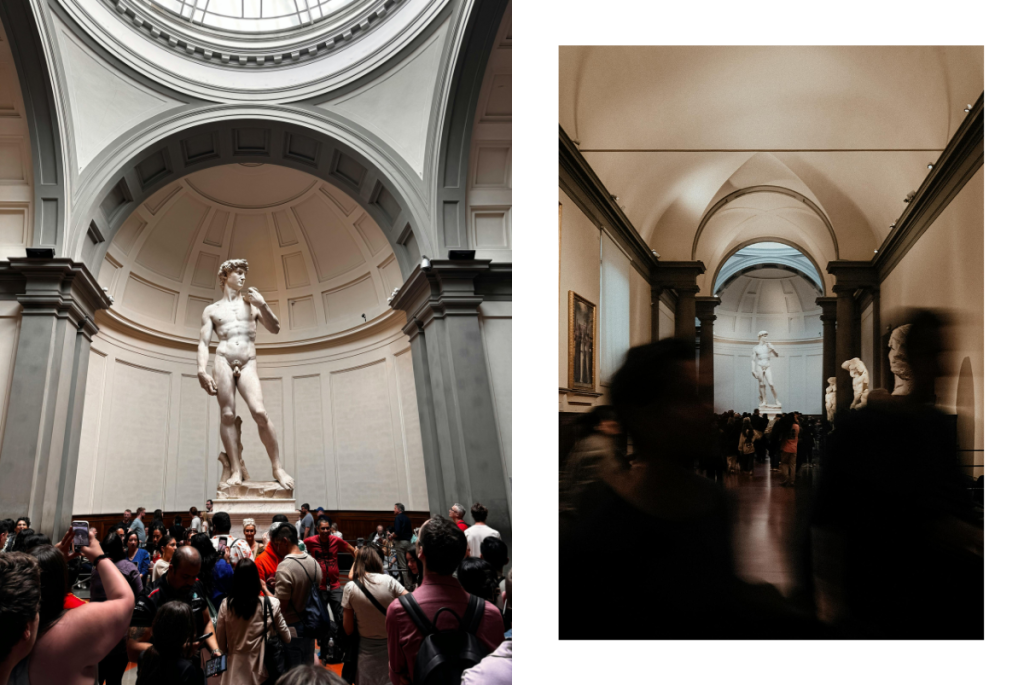
Visit a museum these days and you may find a sea of outstretched arms and glowing screens, their owners hunting the perfect angle to post under the hashtag “culture”.
It is an experience photographed rather than lived,
ideally from behind, by someone else. Social feeds fill with would-be Rodin Thinkers demonstrating how art should be admired. Museum access once involved very different barriers. When the British Museum opened in 1759, for example, admission was free but visitors had to apply for a limited number of tickets, collect them later and return at an appointed time. Today, museums work to bring many different audiences into cultural life: family visits, children’s workshops, routes for older visitors, thematic exhibitions and blockbuster shows. The largest institutions also benefit from a distinctive form of free publicity. They thrive on being Instagrammable.
Some attractions were designed with the platform in mind. Color Factory began as a San Francisco pop-up, while the Museum of Ice Cream also staged a Los Angeles edition. Their success raises an old question in a new setting: is this art? The answer may lie in what kind of entertainment is being offered. People enjoy themselves, but the experience is far removed from the museum imagined primarily for enthusiasts and scholars.
The danger is that the visitor stops truly looking.
Observation happens through the narrowing filter of a smartphone. Find the famous masterpiece, prove you were there, collect the likes. Reach and recognition become the point. And, honestly, how often do we revisit our own blurred photographs of paintings when excellent professional images are readily available online?
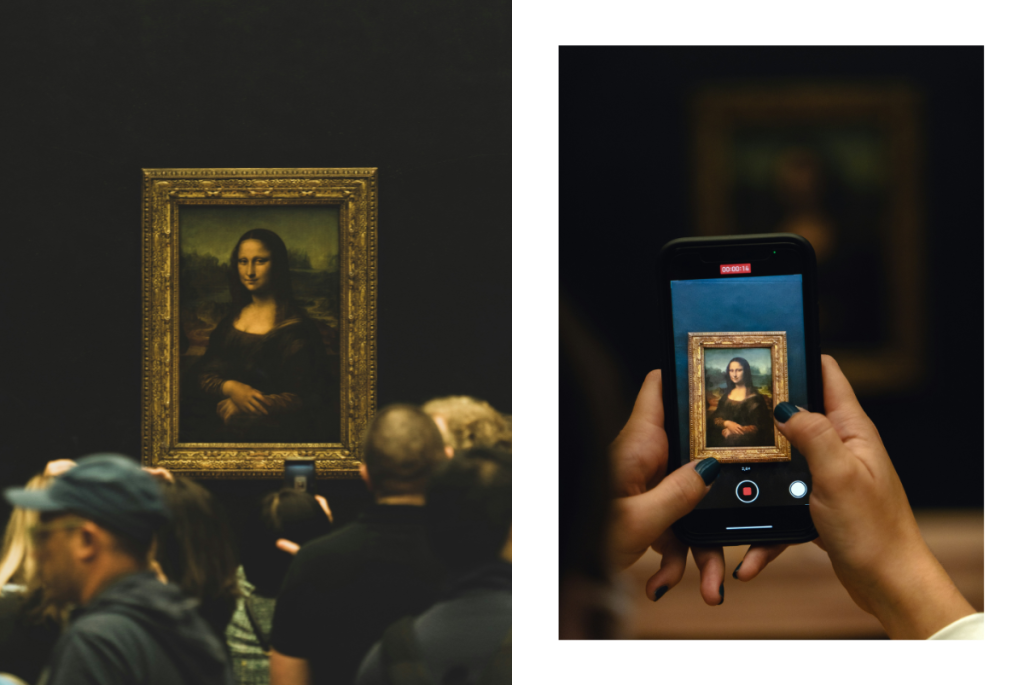
The line between a souvenir and a status symbol has become indistinct. We are caught in the impulse to photograph and post everything. Once the picture beside a celebrated sculpture or painting has been taken, what have we actually brought home? Contemporary art increasingly addresses its audience through interactive work designed to be experienced, felt and, inevitably, photographed.
Cultural and educational ambitions can become entangled with play,
sometimes in ways that risk trivialising the gravity of an artist’s work. What happens to Van Gogh’s suffering or Munch’s drama when commercial presentation overwhelms the art? What will our descendants find on their screens? Perhaps a scattered collection of reposts: memories of other people’s experiences, and virtual museums visited from the sofa. It sounds like a dystopian future. Perhaps we are already there.
A gallery snob’s handbook
What’s happening in the city? Follow GoGuide on Instagram to hear about it first.
Subscribe to our YouTube channel for a closer look at the city, and a wider view.