Kaloyan Grozev: “Everything begins with a personal story”
The photographer on visual storytelling, shared creative worlds and the value of lived experience.
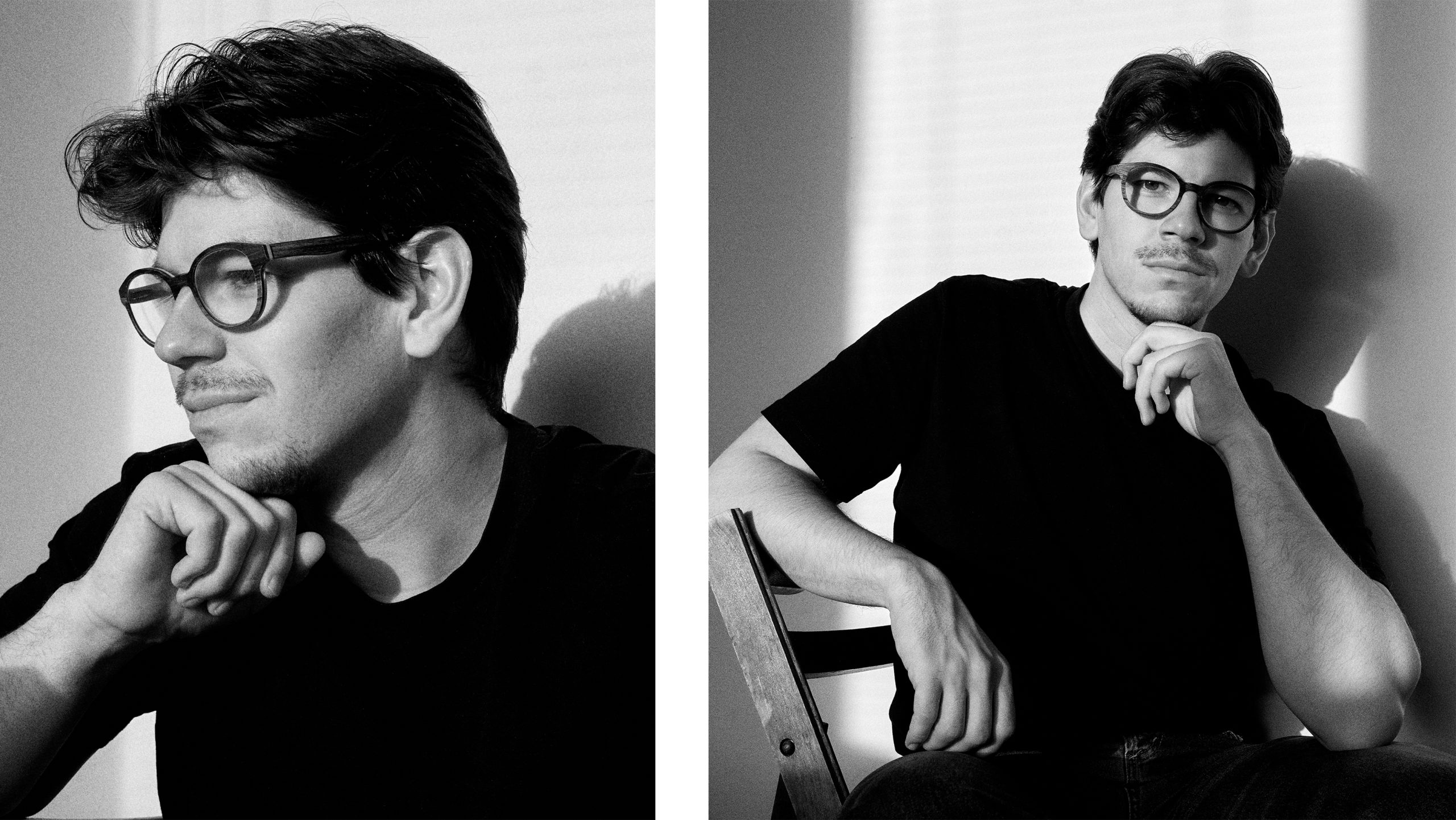
An idealist, a self-taught talent and someone willing to swim against the current, provided there is depth beneath it.
Kaloyan Grozev is a young photographer whose work deserves attention. In January, he photographed members of our team for the eleventh Go Guide Food & Drink Awards campaign. This time, we turn the attention towards him: his outlook, his creative process and the ways both meet the demands of the world around him.
Kaloyan, you are only 28 but already have considerable experience. When did you realise photography was your thing?
I was interested in taking pictures as a child, but began more seriously in 2013, when my cousin, a photographer, returned to Bulgaria. Through him, I became more curious about the process. I was mountain biking at the time. A year later, I sold my bike and bought a camera.
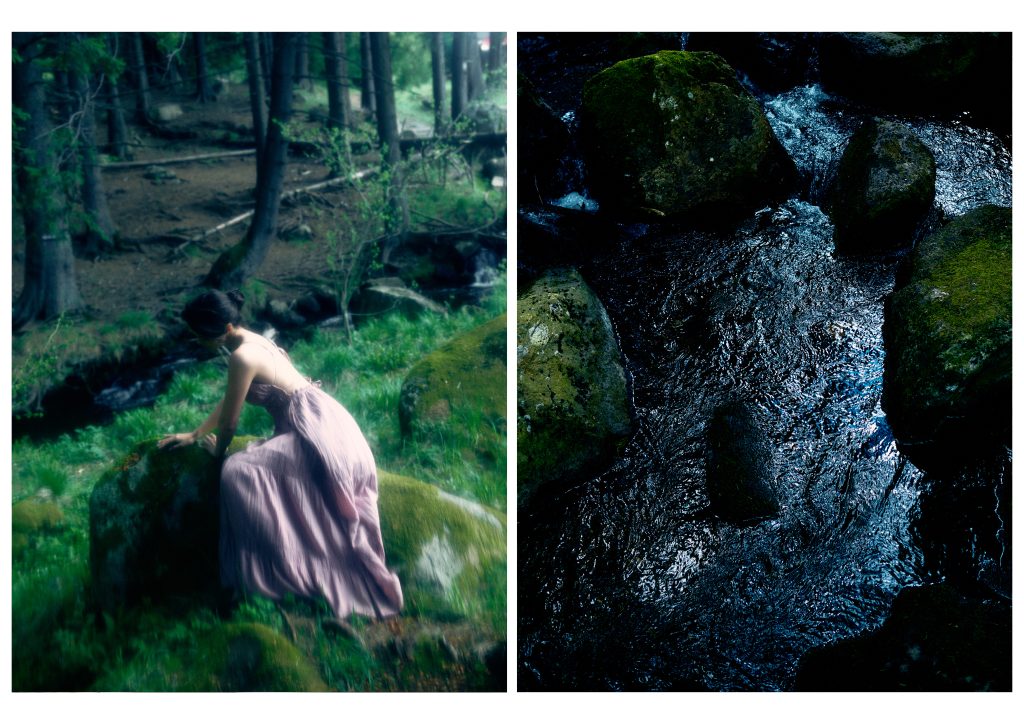
I photographed everything around me. After about a year and a half of finding my feet, I gradually moved towards portraits. Sofia Fashion Week introduced me to fashion photography, and that same year I shot my first fashion editorial for a Bulgarian magazine. I have moved between portraiture and fashion ever since.
Did you study photography?
No, I am self-taught. People around me discouraged me from studying it, and at the time I thought formal education might take away the pleasure. I see two possible paths. If you are certain this is what you want to do, an academic setting can be a natural next step.
Or you can come to it later, more consciously,
with your own perspective and some life experience. I studied advertising and PR, and only later understood how much photography and visual art have in common with advertising. They are connected, but art is still different from commercial work. Broadly speaking, some people lead with creativity, feeling and an exploration of their inner world. That can find a place in advertising, but it takes time. Others are skilled craftspeople with an excellent command of technique. Both approaches can find their place.
Which do you think you are?
Somewhere between the two. Perhaps there is a third group. Almost everyone has to combine roles now. I lean towards the creative side, but those two worlds compete within me: I want the work to be art, and I want it to function as advertising. I increasingly see myself as someone who can bring a team together and recognise its strengths, both creatively and commercially. Connecting the two may be the direction I want to develop.
What inspires you? You often share striking landscapes. Where is your attention now?
I would take a step back and ask where inspiration comes from at all. I think it grows from experiences that shape our interests and how we see the world. The people around us matter too, especially mentors who encourage a particular direction. The first person to take an interest in my work was Krasimir Stoichkov, whom I met by chance when he was teaching at the National Academy for Theatre and Film Arts.
With him, I began looking at galleries and museums more seriously.
Having someone explain details, and why artists made particular choices, encourages you to think about your own work. I began approaching cinema, theatre and cultural events differently. While studying in Moscow, I met people through Fashion Week who worked in different fields but shared an interest in visual art and documentary storytelling. We reviewed our work together after each project. It helped me see photography as a narrative and a sequence of images, rather than isolated frames. I became more self-critical and developed a clearer sense of quality, something easily blurred on social media.
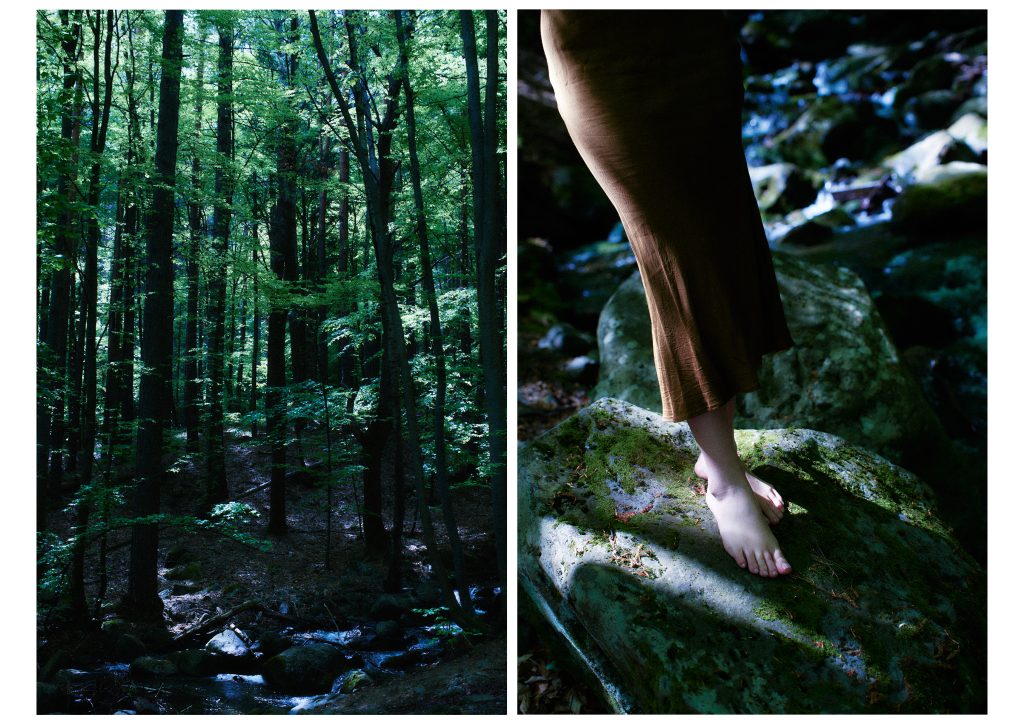
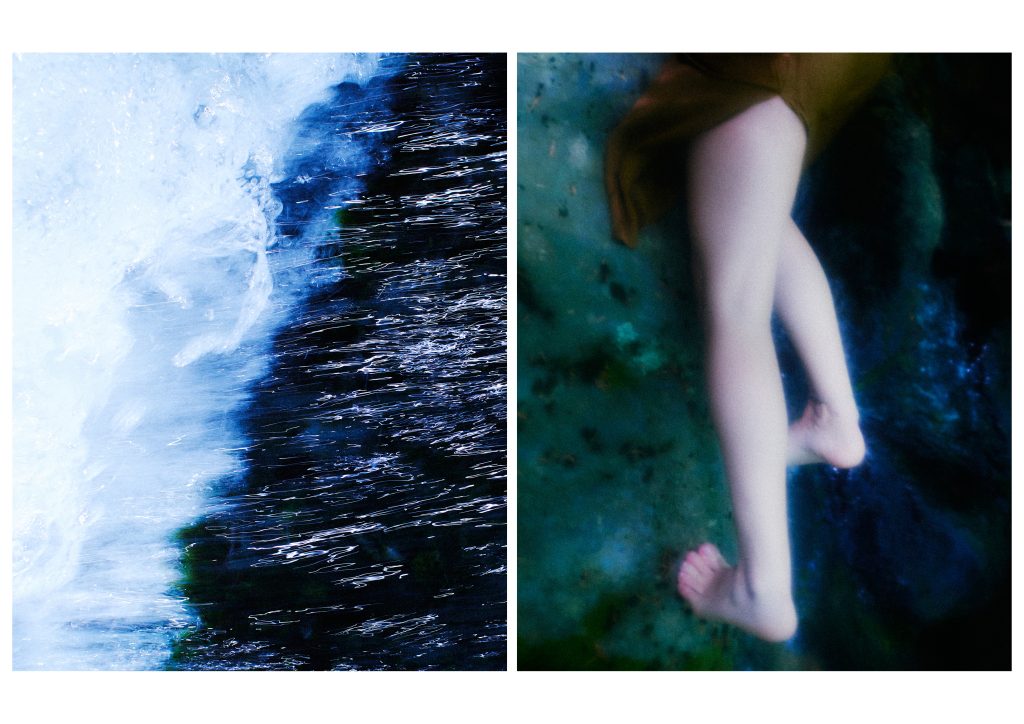
About four years ago, I met my close friend Denislav, now a photographer and cinematographer. I was looking at the larger scene and the human presence within it. He noticed tiny details in a space and interpreted them through an abstract eye. It made me think about the people with whom we build, share and develop a visual language.
Art is something we share.
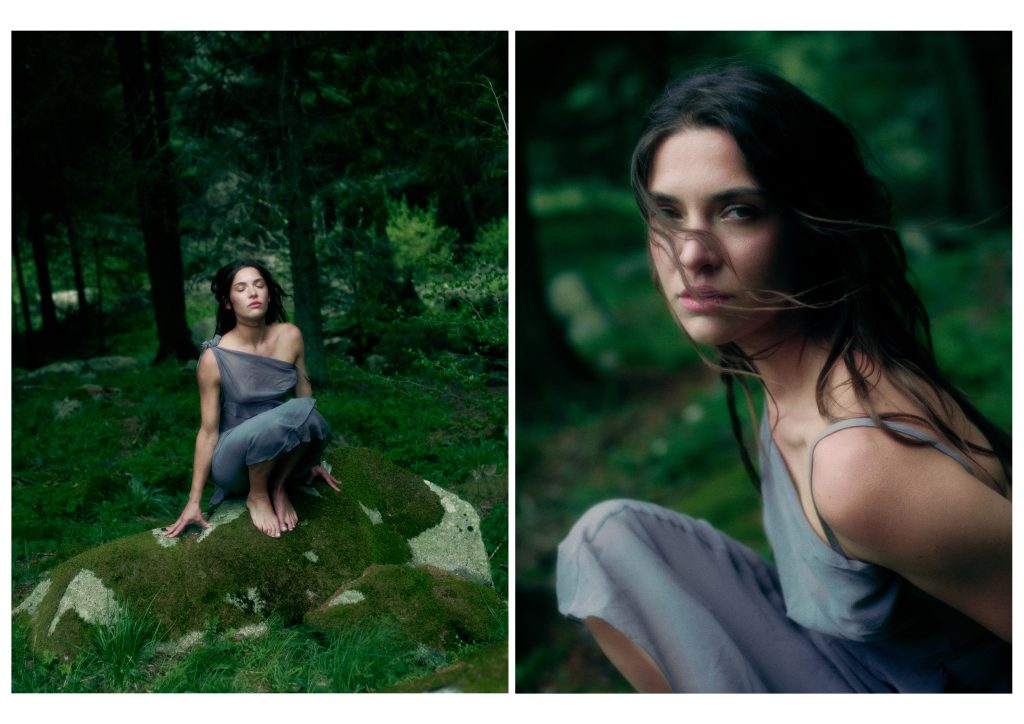
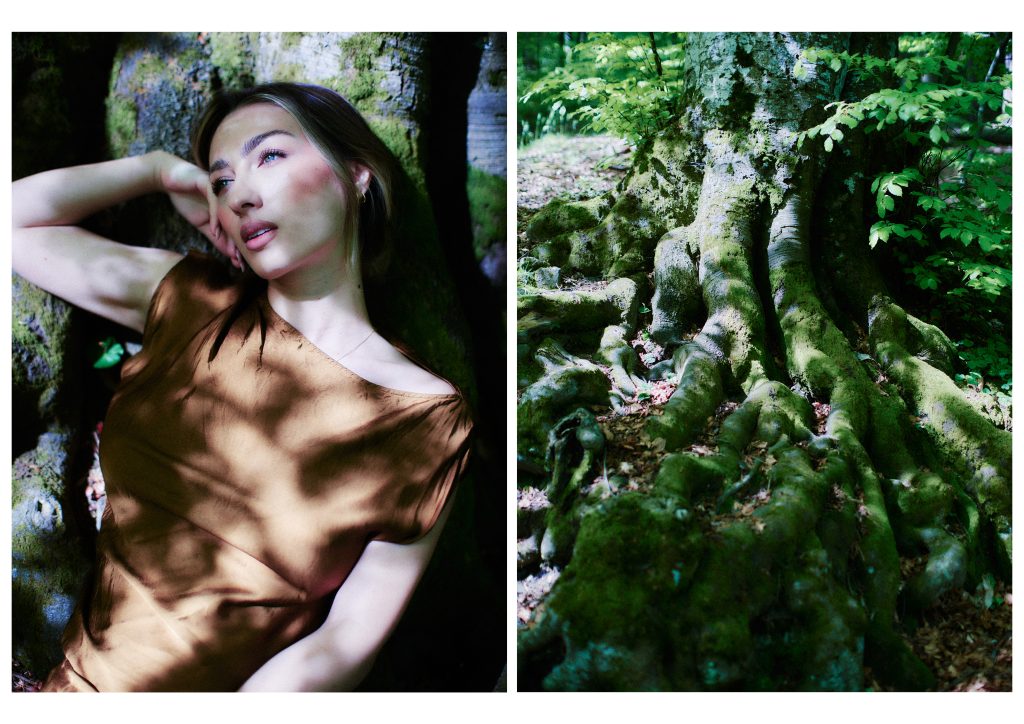
In nature, I now find quiet and solitude, a presence that needs no direction. I will never forget my first visit to the Hermitage in St Petersburg. Seeing Monet’s paintings cannot really be explained; you have to experience them. Through the lens, nature brings me back to images that have influenced me: Tarkovsky’s films, Paolo Roversi’s photographs, Renoir’s paintings. Inspiration lies in contemplation, in an inner rhythm that does not follow trends.
With AI advancing so quickly, do you see a threat to your work? Where does it help, and where does it get in the way?
Each person is the sum of experiences that shape their outlook. For me, AI is first of all a tool that needs your own vision to guide it. Over recent decades, technological change seemed gradual enough for people to adapt. Now that time is missing. The pace of the world and business can leave people exhausted and uncertain about the reality they inhabit. Many people who make things, myself included, are idealists and dreamers. We still ask whether it would be better to make something physically, with our hands. I do not know how long the pace of change will let us hold to that view.
Which artists or people inspire you, in photography or elsewhere?
People who build a creative world of their own, who believe in it so strongly that others want to enter it. Whether it is Wes Anderson or Tim Walker, their conviction makes the work recognisable. They are not interchangeable with anyone else. This year, I attended a masterclass with Andrey Zvyagintsev. Someone asked whether an artist must have experienced something to portray it convincingly. He spoke about authenticity, about making films on subjects that had touched him personally. Not because imagination was impossible, but because lived experience had a particular power. I have an example of my own.
Travel and adventure have appealed to me since childhood.
A spontaneous decision took me to Nepal in autumn 2023. I bought a one-way ticket, with no bookings or plan beyond photographing and documenting the experience. After a series of unexpected encounters, I ended up volunteering at a school somewhere deep in the mountains. Around me were other travellers giving their time to help children in the village. That interested me as a documentary subject. Why go so far to understand a country through volunteering? What does a temporary visitor see? Living alongside them gave me a personal perspective and a reason to tell the story in photographs and video.
After these years of work, what still challenges you? Where would you like to go next?
One of the biggest challenges is the environment itself. Social media connects us, but can also pull us away from ourselves. We see so many images every day that recognising what matters becomes difficult. You can lose sight of what you want to make. Unlimited choice can create confusion rather than clarity. Then comes the conflict:
follow trends to remain relevant, or stay true to yourself
and accept that it may take time. I am at that point myself. I make things, work and experiment, yet sometimes feel the direction becoming less clear. Many creative people experience it. Eventually, you realise that doing only what you want may not pay the bills, and you begin looking for a balance between art and practical life.
The lack of community concerns me too.
On a recent shoot, a colleague asked why photographers were not more united. Why do we see one another as competitors rather than potential collaborators? I have wondered that for a long time. It applies to film, music, design and theatre too. These fields exist side by side but rarely meet properly, despite everything they share. Perhaps my direction is to connect people and ideas as well as make my own work. I believe the most interesting things happen where they meet.
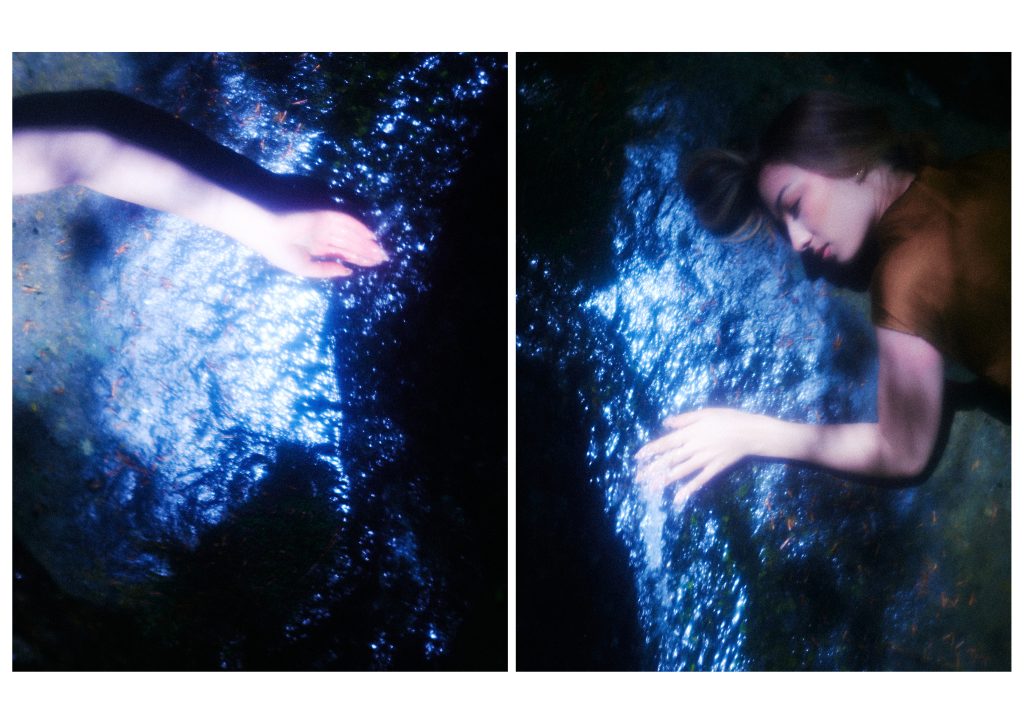
Is a platform missing? Is that down to people being more withdrawn, or to a lack of conditions that encourage different fields to work together?
I have noticed more young, engaged people building interesting small communities in recent years. Events, arts laboratories, reading groups, workshops, talks, mentoring schemes and festivals are appearing. It certainly involves a responsibility shared by people who care about the environment in which we all make work and exchange experience.
Finally, what would you tell someone beginning a creative life, or simply trying to find themselves?
Be authentic. It is the only way to stand out. Take inspiration from what you actually feel, from things that fit your understanding of the world. Look beyond an image’s surface and ask why it was made that way. What is behind it? People are easily impressed visually, but ask those questions less often. One of our great challenges is to move beyond aesthetics alone. Above all, do not be afraid to be sincere. That is where worthwhile work begins. Everyone carries a story only they can tell. When you stop believing in what you want to make and share, you really do lose your direction.
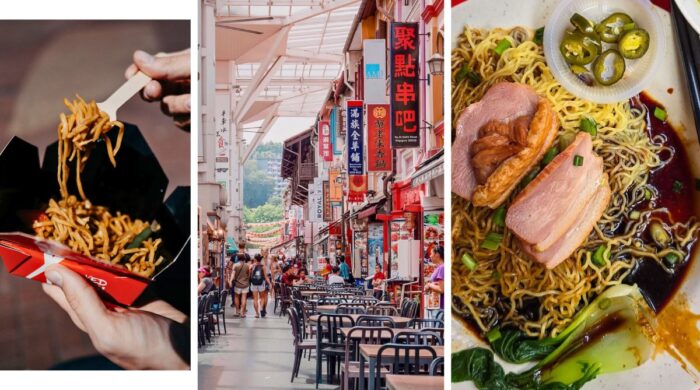
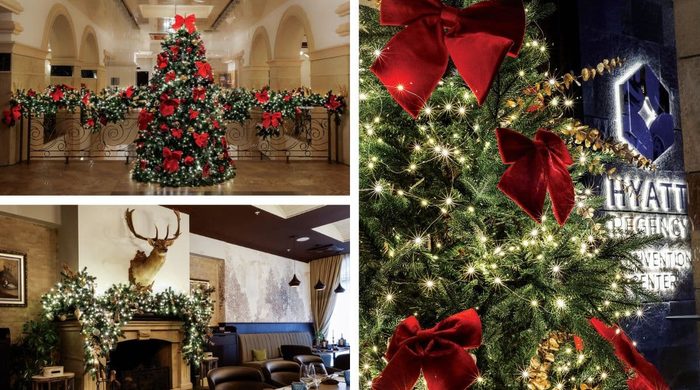
The Go Guide Food & Drink Awards campaign
What’s happening in the city? Follow GoGuide on Instagram to hear about it first.
Subscribe to our YouTube channel for a closer look at the city, and a wider view.