Bulgaria’s love affair with the tracksuit
From Beckenbauer to Burgas, three stripes have travelled from the football pitch to the Bulgarian idea of dressing up. Andrew traces the tracksuit’s sporting past and very social present.
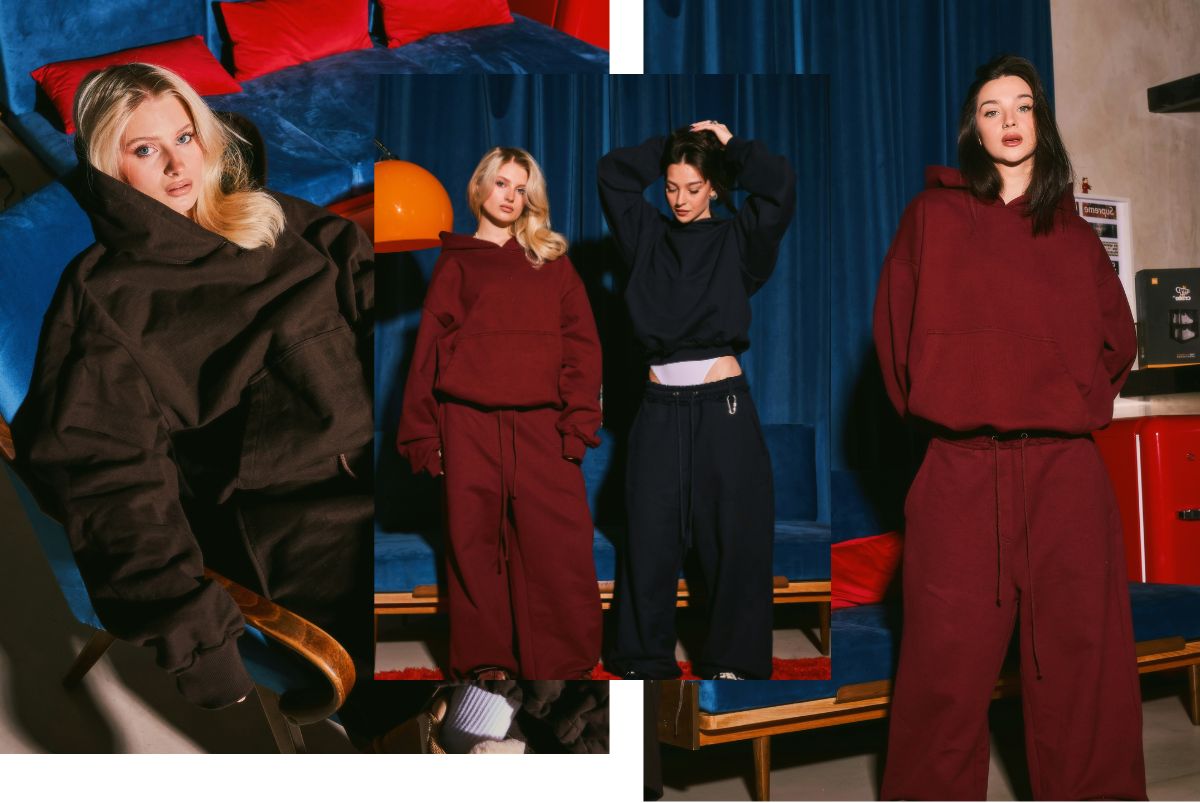
A tracksuit is something you exercise in. Spelling the Bulgarian word for it is a workout all of its own.
We've been getting it wrong for years. Brace yourself: the Bulgarian word is antsug, with a g at the end, not a k and not an extra n before it. The Institute for Bulgarian Language at the Bulgarian Academy of Sciences confirms it. It comes from the German Anzug; in Bulgarian the plural is antsuzi, while two tracksuits are dva antsuga. The word is also connected to the German Trainingsanzug, meaning a training suit. People in Burgas probably know all this already, but the tracksuit has a history stretching back almost a century. Originally, it helped athletes keep warm before and after training. Later, it became everyday clothing and a staple of streetwear. The story begins in the 1920s and 1930s, with the French company Le Coq Sportif among the names associated with its early development.
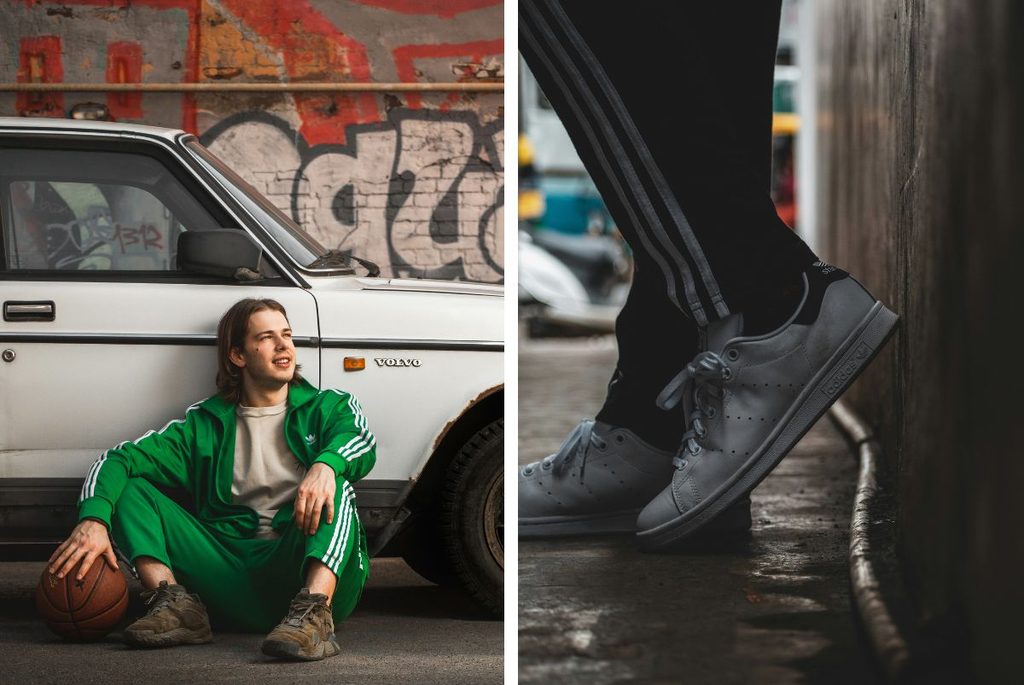
The 1920s brought comfortable sportswear that let athletes move freely. Le Coq Sportif dates its creation of the modern tracksuit, a complete outfit for training, to the 1930s.
The French call it a survêtement, which sounds sexy and just a little filthy in that wonderfully French way,
but I rather like the blunt, German-derived antsug. The year 1939 is often cited as the arrival of Le Coq Sportif's first modern tracksuit. Through the 1940s, 1950s and 1960s, sportswear gradually evolved around athletes and their training. Tracksuits were mainly for warming up, keeping warm and wearing between sessions. The development of synthetic fabrics made a difference, allowing lighter clothes than some of the traditional heavy wool and cotton garments. Their spread was gradual.

In the early 1960s, adidas was known chiefly for sports shoes. By the middle of the decade, founder Adi Dassler saw the potential in technical clothing for warming up and training.
For this, adidas teamed up with German textile manufacturer Georg Schwahn.
They wanted a lightweight training suit to replace the heavier wool and cotton clothes athletes wore. The new design used a nylon-and-wool blend, with a central zip on the jacket, practical details on the trousers and the three adidas stripes running down the sleeves and legs. Production began at Schwahn's factory in 1966, and the first models reached the market in 1967. Their names included Inform, Super and Nylstretch-Baumwolle.

In 1967, adidas also introduced the Franz Beckenbauer tracksuit, named after the German footballer. The partnership helped make its new sportswear popular with athletes and shoppers alike. By 1969, the West German national football team was wearing matching tracksuits for training and warm-ups. In the late 1960s, then, adidas took a significant step from sports shoes into clothing. The three stripes gradually made the tracksuit one of the brand's most recognisable products, first on the pitch and eventually far beyond it.
Presumably, this is about when the first man in Burgas pulled on a pair of three-stripe bottoms,
and the rest of the city was so jealous that everyone decided to copy him. True story! Well, that's my theory. In the 1970s, the tracksuit increasingly became comfortable leisurewear as well as athletes' kit. The rise of recreational jogging, advertising campaigns featuring sports stars and a wider choice of sportswear from major brands all played a part.

The 1972 Munich Olympics were an important moment for adidas. The company supplied kit for the West German team and introduced its Trefoil logo that same year. The message was clear: you could wear a tracksuit without doing any exercise. Hip-hop took that idea and made the tracksuit a signature look in the 1980s. Run-DMC played a major part in bringing sportswear and trainers into hip-hop's stage presence and street style. Those of us who grew up in the 1990s remember tracksuits on far more than athletes. Our parents wore them too.
Here in Bulgaria, especially, this was the era when the tracksuit became formalwear.
The swishy nylon kind was a genuine marker of status and spending power. Personally, I loved wearing a tracksuit to primary school. It was so comfortable. I loved it enough that my parents eventually staged an intervention, and we negotiated a deal: tracksuits on PE days only.
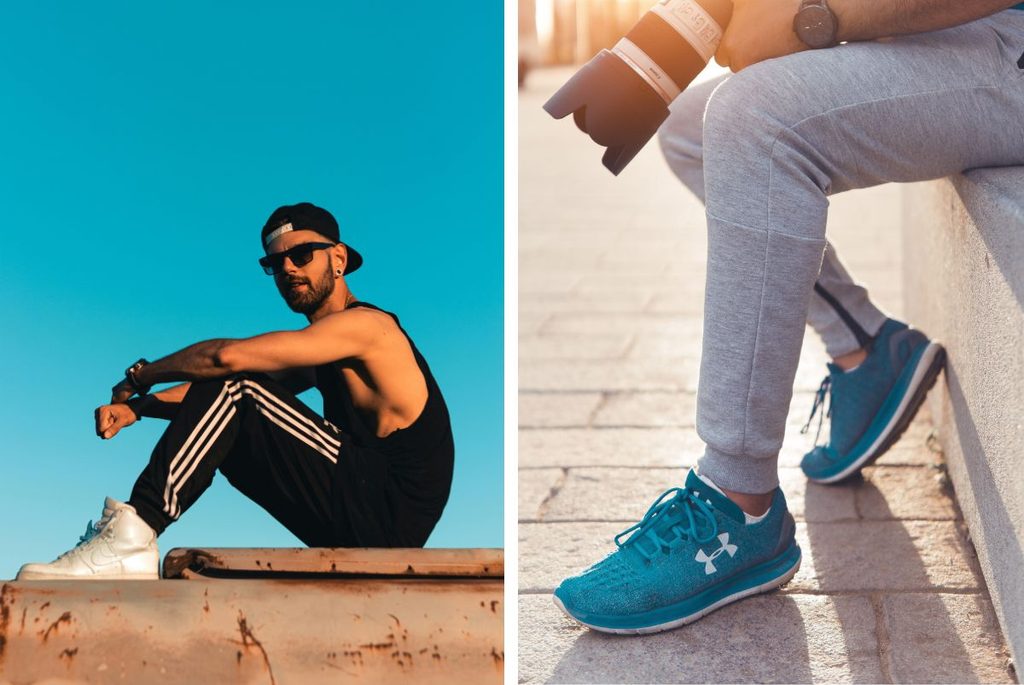
These days, tracksuits fall into a few broad camps: sportswear, everyday wear and fashion. Designers keep returning to shapes from the 1970s, 1980s and 1990s, updating the fabrics and cuts. Come to think of it, calling it a suit sounds perfectly reasonable. The Germans may have given us the word, but we've certainly expanded its range of occasions, formal ones included.
I don't know whether any other country has an expression quite like a formal tracksuit.
It means you own at least four or five: one for the gym, one for the shops and so on. But only one is the good one. You can wear that on the metro and out for coffee in the centre without a second thought. It's not just a tracksuit. It's leisurewear.
Who was Pushkin’s Black great-grandfather?
What’s happening in the city? Follow GoGuide on Instagram to stay in the loop.
Subscribe to our YouTube channel for a closer look at the city and beyond.