Famous couples and their troubled relationships, part one
Frida Kahlo, Marina Abramović and Amy Winehouse: the love affairs, betrayals and breakups behind some of our favourite cultural icons.
As the temperature drops, there are more evenings at home and more time with your partner. Lovely, until the washing-up brings an old argument back to the surface. And if your relationship is already being held together by promises to change, sharing an address can start to feel rather cramped.
One argument doesn't make a relationship toxic, of course.
These days, though, we call everything toxic, from a message left on read to different plans for Friday night. Everyone is waving their red flags, and the word is starting to lose its meaning. The stories below give us rather more serious reasons to use it. They involve infidelity, control, addiction and conflicts that outlive the relationships by years. They also involve people whose work we love, even when their relationships make us squirm. Here are five troubled partnerships from the worlds of art and music.
Frida Kahlo and Diego Rivera
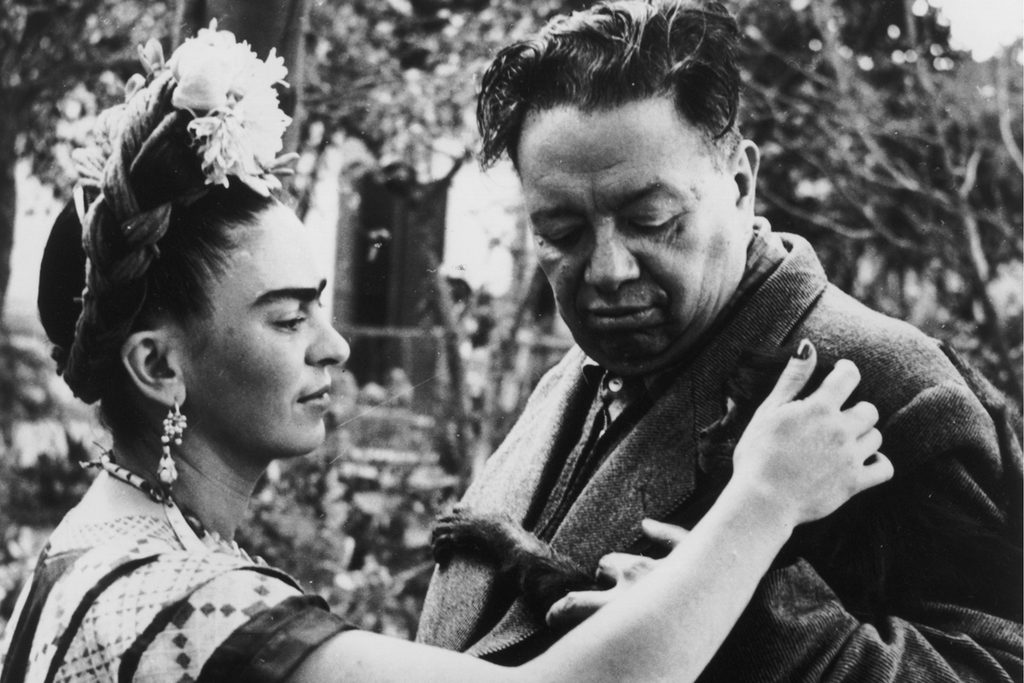
Frida Kahlo's self-portraits contain open wounds, medical corsets, lost pregnancies and questions about her identity. She painted her own experience with a candour that made her one of the most influential artists of the twentieth century.
Diego Rivera was one of the great figures of Mexican muralism.
His murals told the country's story through revolution, workers and social inequality. When they married in 1929, Frida was 22 and Diego was 42. They admired each other's talent, shared political beliefs and supported each other's work. But there were other people in their marriage. Frida herself had relationships with both men and women, including Leon Trotsky.
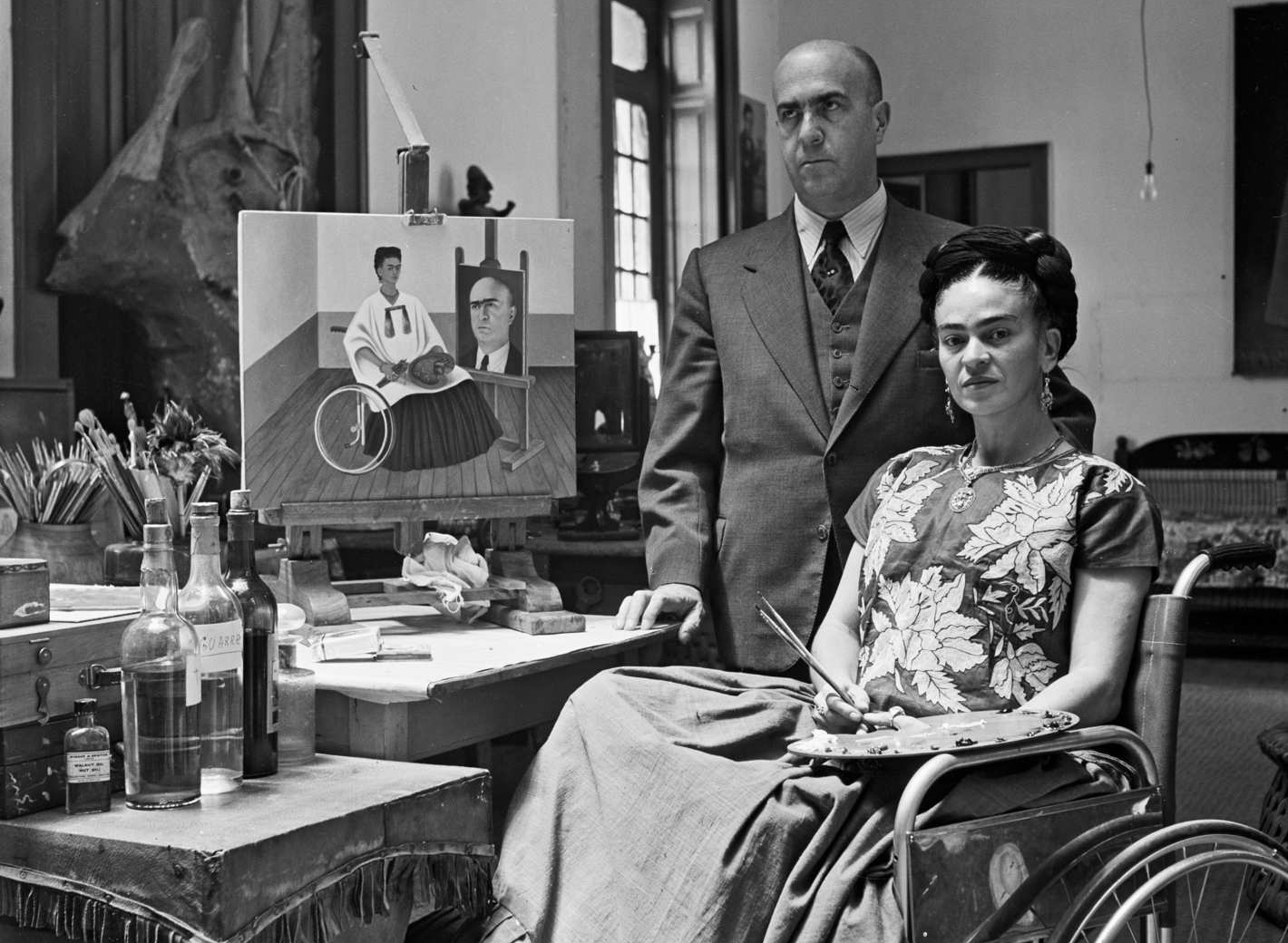
In 1935, she discovered Diego's affair with her younger sister Cristina. You can imagine how little comfort a husband's genius offers at a moment like that. They divorced in 1939, the year Kahlo painted The Two Fridas: a double self-portrait showing two exposed hearts connected by a blood vessel. One Frida holds a miniature portrait of Diego. The separation entered her work quite literally. Her best-known remark about him refers back to the 1925 crash in which the bus she was travelling on collided with a tram:
“I suffered two great accidents in my life. One was with the tram, and the other was Diego. Diego was by far the worse.”
In 1940, just a year after their divorce, they married again. They remained married until Frida's death in 1954.
Sid Vicious and Nancy Spungen
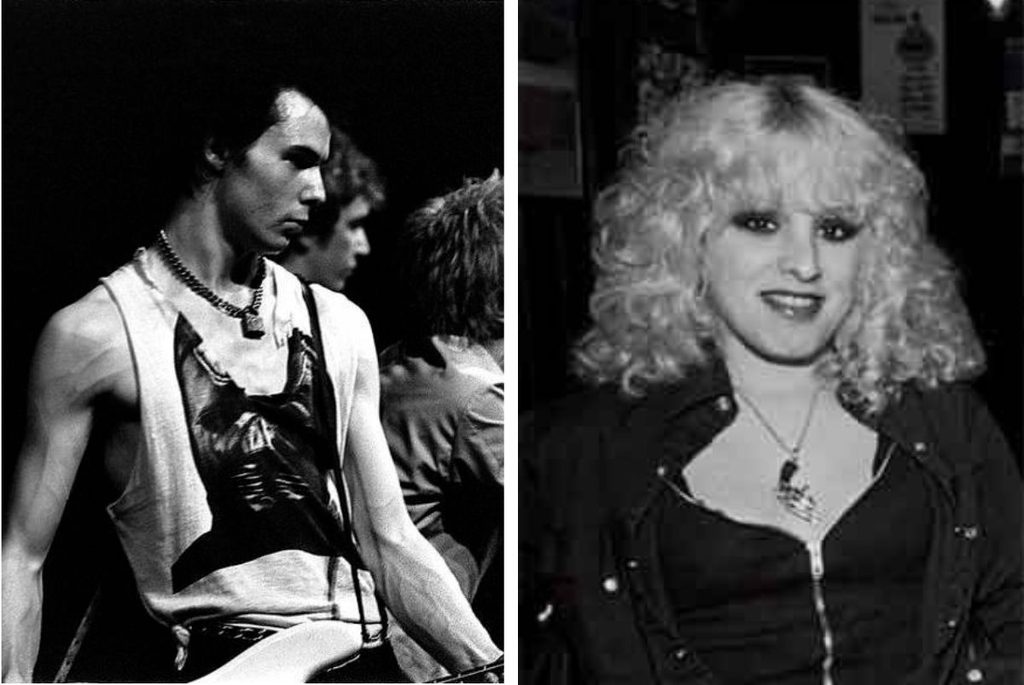
Sid Vicious remains one of British punk's most recognisable faces, with his contempt for the establishment, provocative behaviour and pointed refusal to fit in. His image contained as much self-destruction as rebellion. The Sex Pistols are one of punk's defining bands. In 1977, God Save the Queen attacked the monarchy during Elizabeth II's Silver Jubilee, was banned from radio and reached number two in the UK chart. Their music, clothes and scandals gave a generation a new way to express its anger. Sid joined the band that year and, soon afterwards, began a relationship with the American Nancy Spungen.
The two quickly became inseparable.
They acquired the image of lovers who answered to no rules, while their everyday lives were marked by heroin addiction and violence. After the Sex Pistols broke up in 1978, Nancy tried to get Sid's solo career off the ground. They moved into New York's Chelsea Hotel. On 12 October 1978, Nancy was found dead in their bathroom with a stab wound to her abdomen. She was 20. Sid was arrested and charged with her murder, but gave conflicting accounts of what had happened. There was never a verdict: on 2 February 1979, before the trial began, he died of a heroin overdose. He was 21. What remained were the photographs, the film Sid and Nancy, and the persistent image of two lovers against the world. Nancy's mother, Deborah, spoke about the press turning them into a punk Romeo and Juliet. Her daughter never got to tell her side.
Stevie Nicks and Lindsey Buckingham
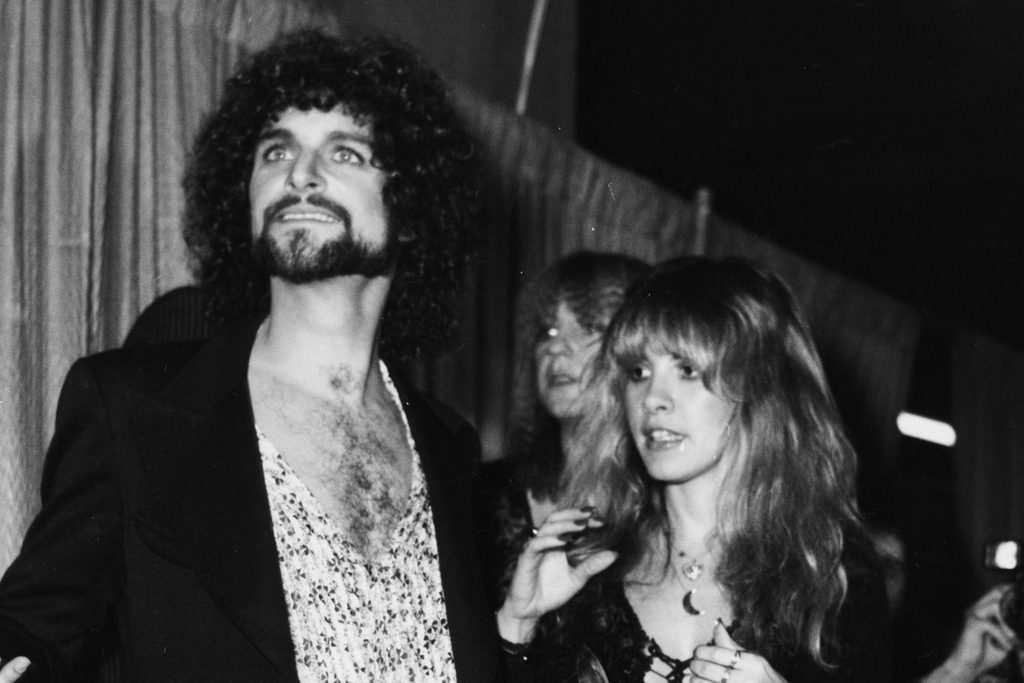
If bumping into your ex at a concert feels awkward, imagine having to walk onstage together. Then singing the songs you wrote about each other after the breakup. Stevie Nicks and Lindsey Buckingham did exactly that, in front of an audience that had bought tickets and expected an encore. Both were members of Fleetwood Mac, one of rock's great institutions. Having started out in British blues in the 1960s, over the following decade
the band created some of the most recognisable songs in pop and rock.
Stevie and Lindsey joined in 1975, helping shape the melodic Californian sound that took Fleetwood Mac to a huge audience and continues to influence generations of musicians. They were already a couple, but split in 1976 while working on Rumours. Years later, Stevie described Lindsey to Rolling Stone as controlling and possessive from the beginning of their relationship.
The split didn't end their creative partnership. He continued to help arrange and produce her songs, while she sang backing vocals on his Go Your Own Way. Stevie said the lyrics' insinuations about her relationships with other men were untrue and hurtful. Imagine helping your ex turn his version of your breakup into a worldwide hit, then singing it with him on tour for years. The other band members had their own troubles. Christine and John McVie's marriage was breaking down,
and Stevie later had an affair with the married Mick Fleetwood.
That happened after the Rumours sessions, although these relationships are often retold as one enormous scandal. Released in 1977, Rumours won the Grammy for Album of the Year in 1978 and became one of the bestselling albums of all time. Twenty years later, in the concert recording The Dance, Stevie sang the ending of Silver Springs while looking straight at Lindsey. He kept playing beside her.
Amy Winehouse and Blake Fielder-Civil
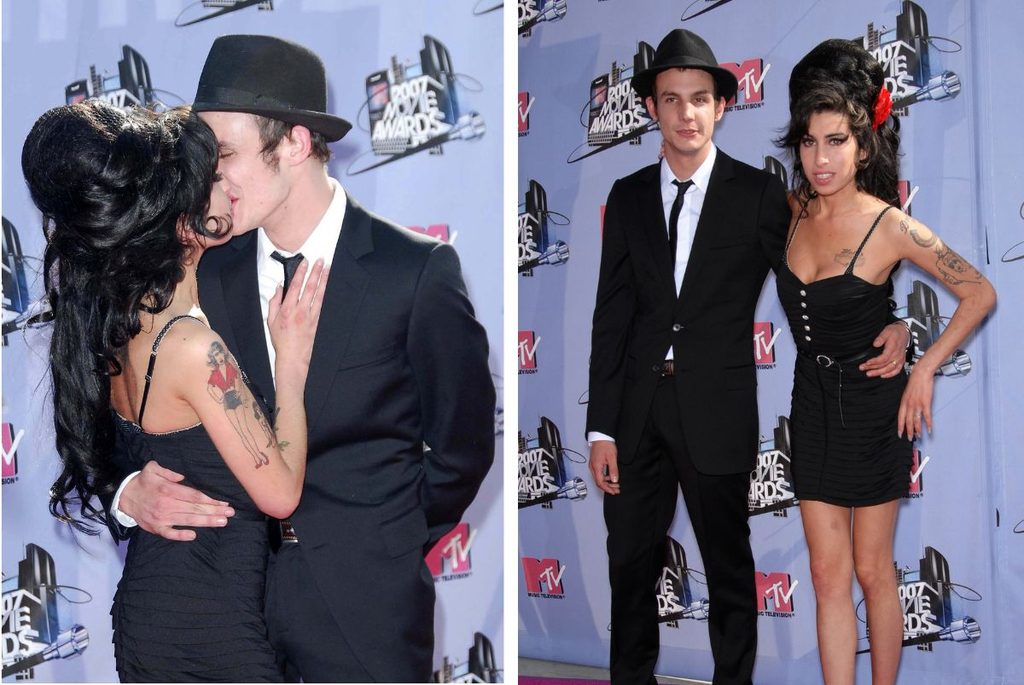
Before the paparazzi photographs and alarming headlines, there was a young woman writing about love with ruthless honesty. Her breakup with Blake was among the experiences behind Back to Black, the album on which Amy turned personal heartbreak into songs that resonated with millions.
They later got back together and married in Miami in 2007.
Their marriage lasted two years, during which addiction and public scandals increasingly displaced her music in the headlines. Blake later admitted that he had introduced her to heroin. His accounts of their relationship contain love, regret and an insistence that he cannot bear all the responsibility for her death. Meanwhile, the public watched Amy unravel almost in real time.
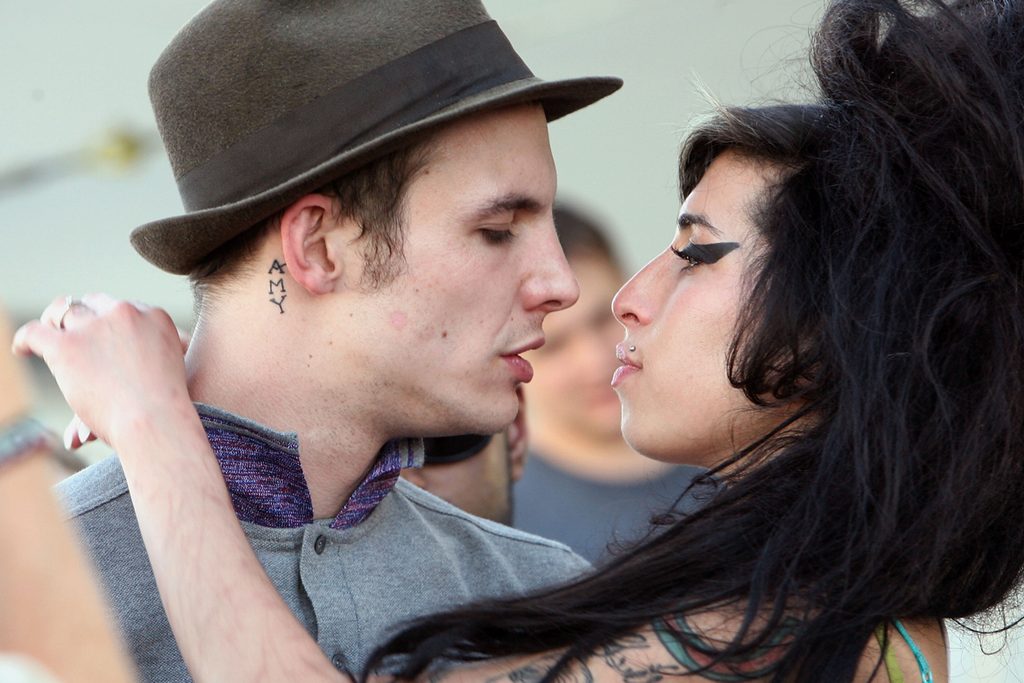
In a 2007 interview with Hot Press, Amy herself spoke about the discomfort of becoming a spectacle, with people turning on the television to see how drunk she was. It's a detail that's hard to forget when you look back at those magazine covers. They divorced in 2009. Amy died from alcohol poisoning on 23 July 2011, aged 27.
Blake remained the person many people blamed for everything.
But Amy's story also involves the weight of sudden fame, tabloid harassment and her attempts to deal with addiction. Return to that 2007 interview and she's perfectly clear about one thing: she wanted people to take her seriously for her songs.
Marina Abramović and Ulay
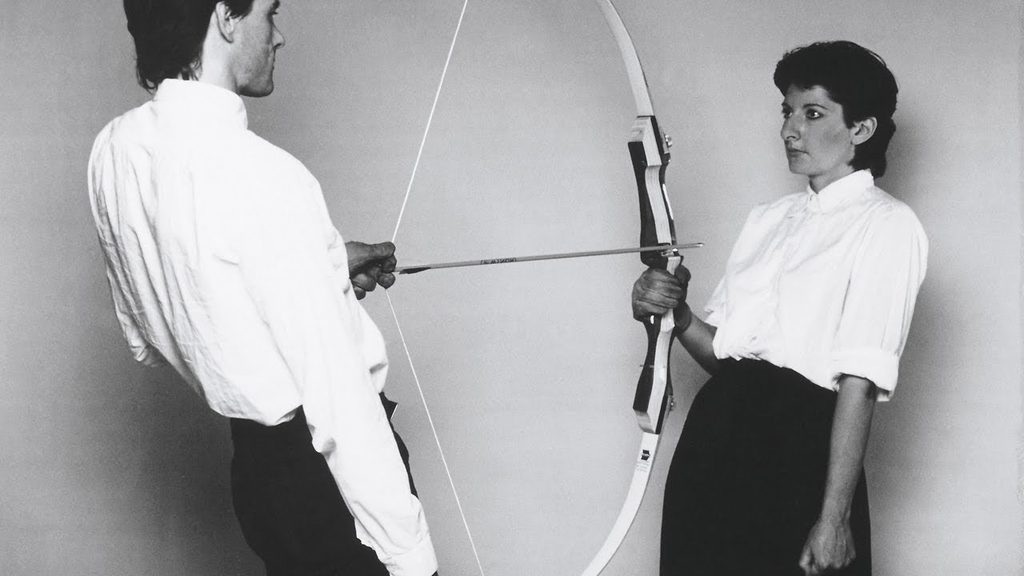
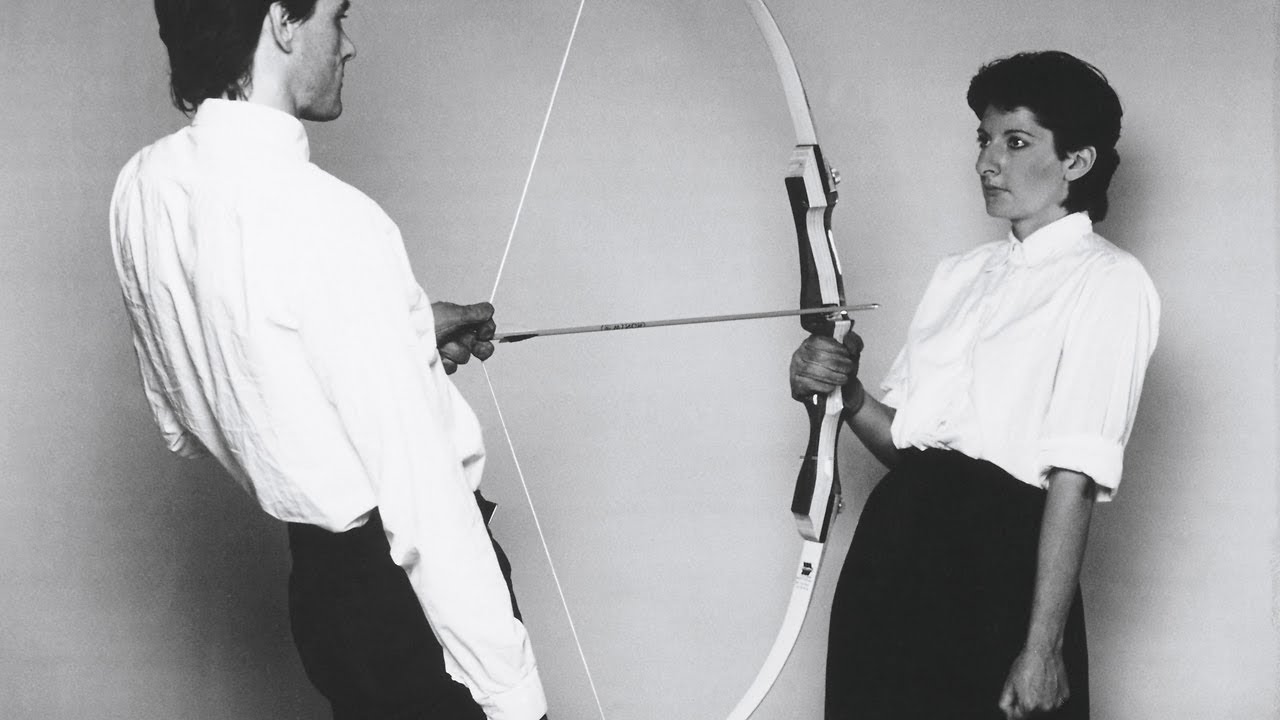
With Marina and Ulay, we need to resist easy conclusions. You've probably seen Rest Energy, from 1980: she holds a bow while he holds the taut string and an arrow pointing at her heart. The weight of their bodies maintains the tension, and microphones pick up their heartbeats. Abramović has described the work as a test of complete trust. Frightening as it looks, the performance is not, in itself, evidence of abuse in their relationship. They met in Amsterdam in 1975 and began working together the following year. They lived and travelled in a van,
turning their relationship into material for their art,
and for twelve years their personal and professional lives were difficult to separate. In 1988, they parted with The Lovers. Setting off from opposite ends of the Great Wall of China, they walked for ninety days before meeting to say goodbye.
Their encounter during The Artist Is Present at MoMA in 2010 looked like a reconciliation. Ulay sat opposite Marina, she began to cry, and they held hands. But the story continued beyond that image.
In 2016, a court awarded Ulay more than €250,000 in unpaid royalties for their joint works.
Here, the dispute came down to who receives credit and money for work made together. By 2017, the two were talking about their renewed friendship in an interview with Louisiana Channel. After so many public separations and arguments, they had a chance to explain for themselves what they had managed to leave behind.
The love stories that never happened (in Bulgarian)
What's happening in the city? Follow GoGuide on Instagram to hear about it first.
Subscribe to our YouTube channel and see the city up close and from a different angle.