The jar is the new black
From your grandmother's sauerkraut to Japanese koji: how fermentation puts the seasons, and a world of flavour, in a jar.
You've got cabbage, salt and a jar.
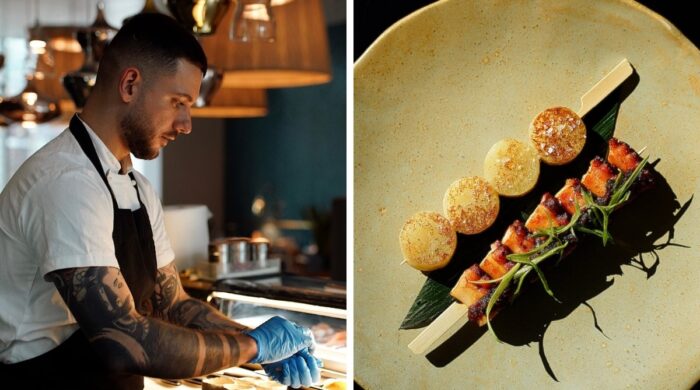
Give them some time together and, instead of a culinary crime scene, you get sauerkraut. Welcome to fermentation: that little kitchen paradox in which bacteria, yeasts and microscopic fungi can turn food into something else entirely. Tangier. Deeper. Sometimes stranger. Often much more delicious. Fermented foods are everywhere now. Kimchi has sidled up to the eggs at brunch. Miso is in the desserts. Kombucha left the yoga studio long ago. Tempeh is hitting the grill, while koji has taken its place in restaurant kitchens alongside the tweezers and the very serious faces. Somewhere along the way, fermentation became one of contemporary cooking's favourite words. Before we congratulate ourselves on discovering something new, though, there's a small snag. Your grandmother has been doing it for decades.
Let it go bad. In the right way
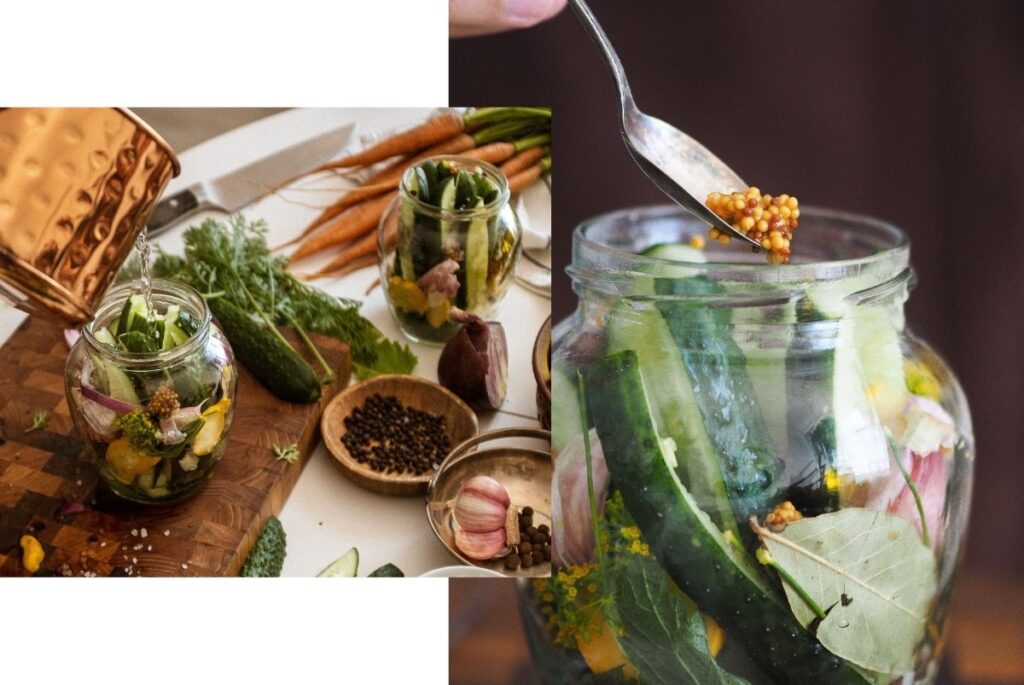
First, let's be clear about what we mean by fermentation. Broadly speaking, it's a process in which microorganisms, including bacteria, yeasts and certain microscopic fungi, transform compounds in food. Sugars, for example, can become acids, gases or alcohol. Along the way, the food changes its flavour, aroma and texture. This is where
the difference between 'spoiled' and 'fermented' really matters.
Forgetting a cabbage at the back of the fridge for three months does not make you a fermentation chef. Fermentation means creating or using conditions in which the microbial activity we actually want can get to work. Sometimes we add specific cultures. Sometimes it starts spontaneously, thanks to microorganisms already present on the food and in its surroundings. Salt, temperature, time, oxygen or the absence of it: a small ecosystem that people learnt to work with long before they knew who was doing what inside it. And they did so for a thoroughly practical reason. Food has an annoying habit of not waiting around.
Before the fridge, there was the jar
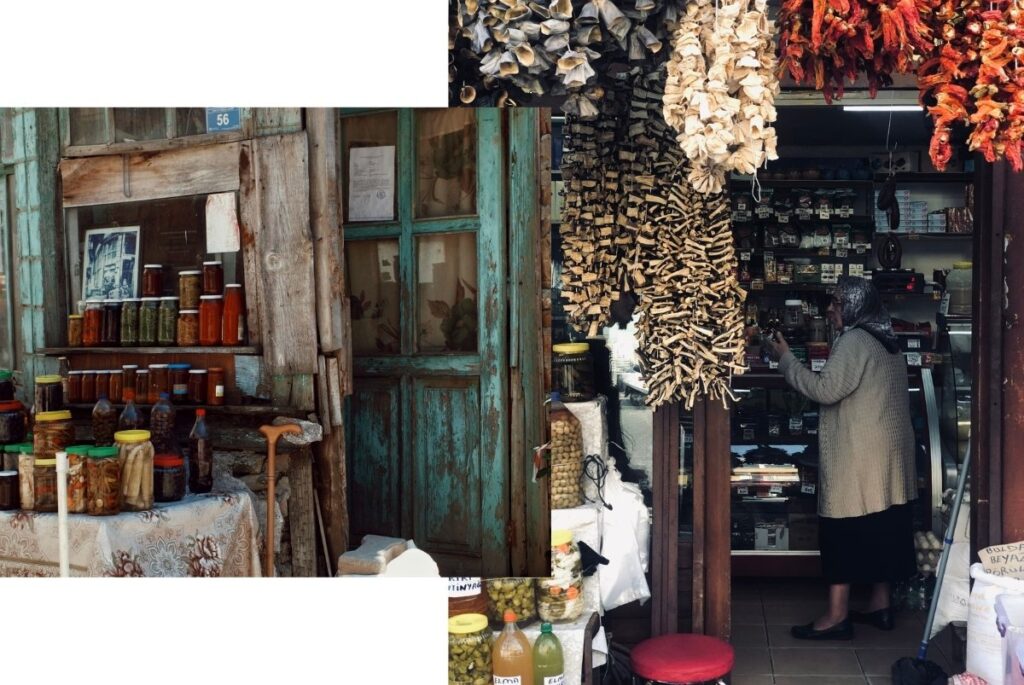
Open your fridge in January and you'll probably find tomatoes, strawberries, avocados and at least three things you can't remember buying. For much of human history, that sort of luxury simply didn't exist. Food followed the seasons. When the garden gave you plenty, you had to work out how to make some of that abundance last until it gave you almost nothing. You dried it. Salted it. Smoked it. Fermented it. Think of fermentation as a kind of time machine for flavour. In Bulgaria, we know it well: sauerkraut, yoghurt, white brined cheese, sourdough and the versions of turshia in which the vegetables actually ferment in brine.
There's a small catch here: not every pickle is a ferment.
Pour vinegar over vegetables and the sourness comes ready-made. In lactic acid fermentation, microorganisms produce it themselves. Either way, the underlying idea is the same. Summer and autumn go into jars, barrels and earthenware pots to reappear in the middle of winter. The pepper isn't quite the pepper it was. The cabbage has acquired a new personality. The milk has gone in another direction altogether. The season has ended, but its flavour has stayed.
Everyone has their own pickle
The lovely thing is that this story plays out almost everywhere, with different ingredients, different microorganisms and different names. Korea has kimchi. Japan has miso, natto and koji. Indonesia has tempeh. The Caucasus has kefir. Europe is full of cheeses, breads, wines and beers that also owe their existence to fermentation. Soy sauce, fish sauces, fermented pastes and vegetables have their own variations across Asia. The differences can be enormous. The logic, however, is remarkably familiar: take what the land gives you and find a way to transform it, preserve it and make it taste good.
Korea is a wonderful example.
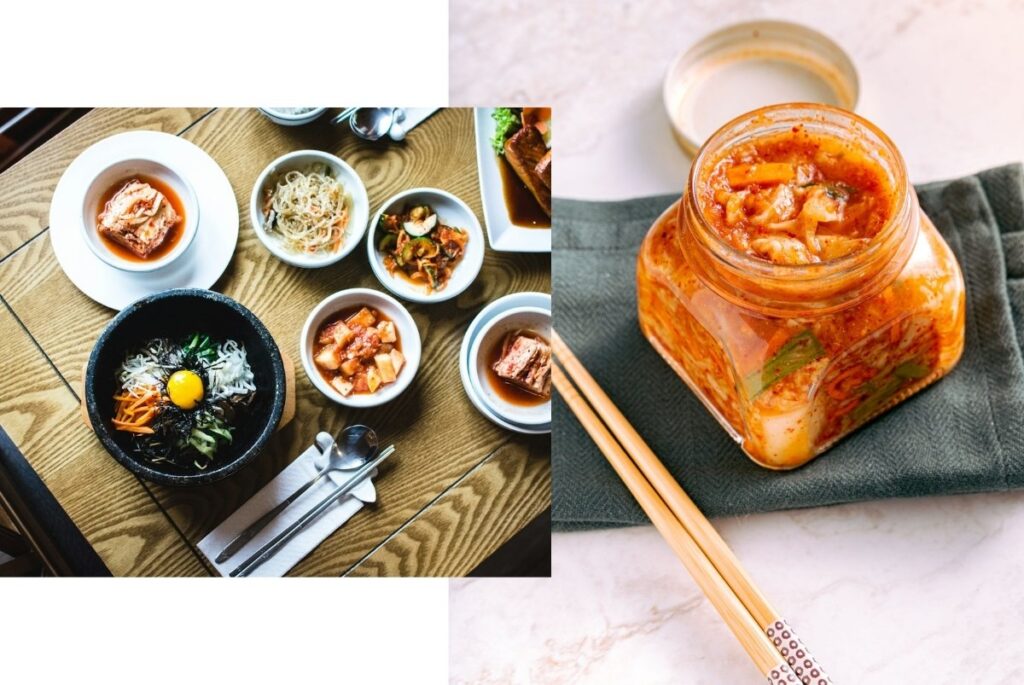
Making and sharing large quantities of kimchi before winter is a tradition in its own right, called kimjang. Families and communities get together to prepare it and divide it up for the colder months ahead. The practice follows the seasons and is so important to local culture that, in 2013, UNESCO added South Korean kimjang to its Representative List of the Intangible Cultural Heritage of Humanity. Kimchi itself comes in countless variations, shaped by region, season, ingredients and family recipes.
Japan gave mould a career
Then there's koji. If you follow the more curious corners of food culture, you've probably come across the word. Koji is made by cultivating the microscopic fungus Aspergillus oryzae on cooked rice, barley or soybeans, with rice being the most familiar example. It sounds like the point at which most people would throw the whole thing away. Japanese cooking does exactly the opposite.
Koji is one of the driving forces behind the flavour of miso, soy sauce and sake.
Its enzymes break starches and proteins down into smaller components, releasing sweetness, aroma and that deep, savoury flavour we associate with the much-revered umami. Here, fermentation reveals another side to itself. It's no longer just about saving the harvest for winter. It's about creating a flavour that simply wasn't there before.
Wait, so beer is fermented too?
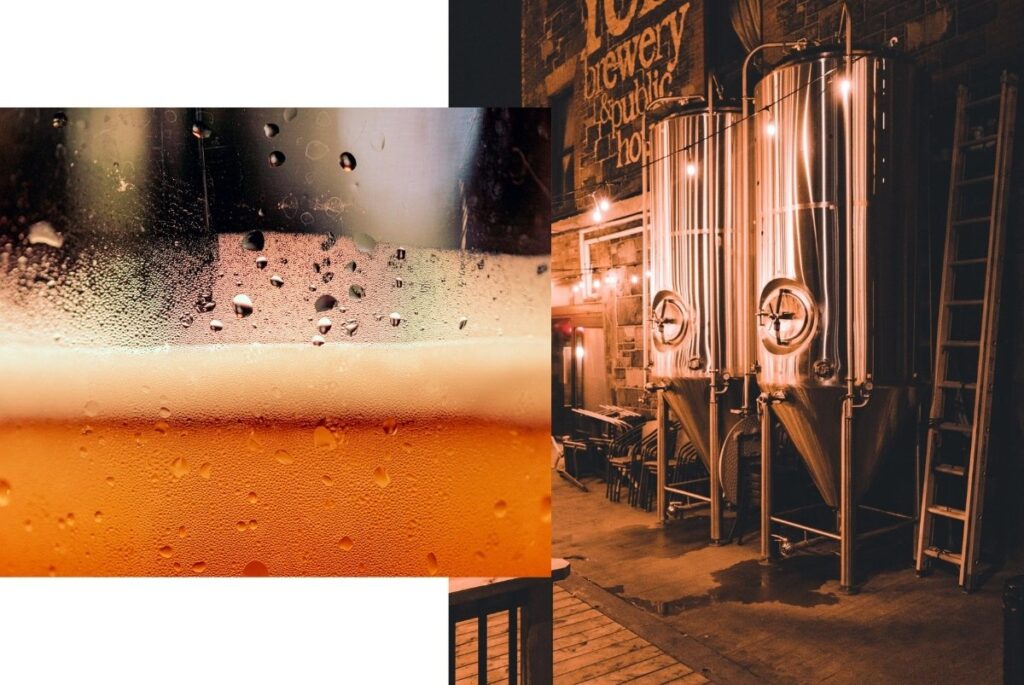
Bingo. So are wine and yoghurt, plenty of cheeses and sourdough bread. Start removing fermentation from human history and the menu becomes rather sad, rather quickly. In sourdough, yeasts and bacteria ferment the dough, helping it rise and develop its characteristic aromas. In wine, yeasts turn the sugars in grape juice into alcohol.
In yoghurt, bacteria use lactose to produce lactic acid.
With cheese, the story can get more complicated still, as ageing, different microorganisms and time join the party. Fermentation is so thoroughly woven into everyday eating that we've almost stopped noticing it. Nobody opens a bottle at dinner and says, 'Fantastic, fermented grape juice!' Although, technically, that's exactly how the party started.
One ferment, please. Extra umami
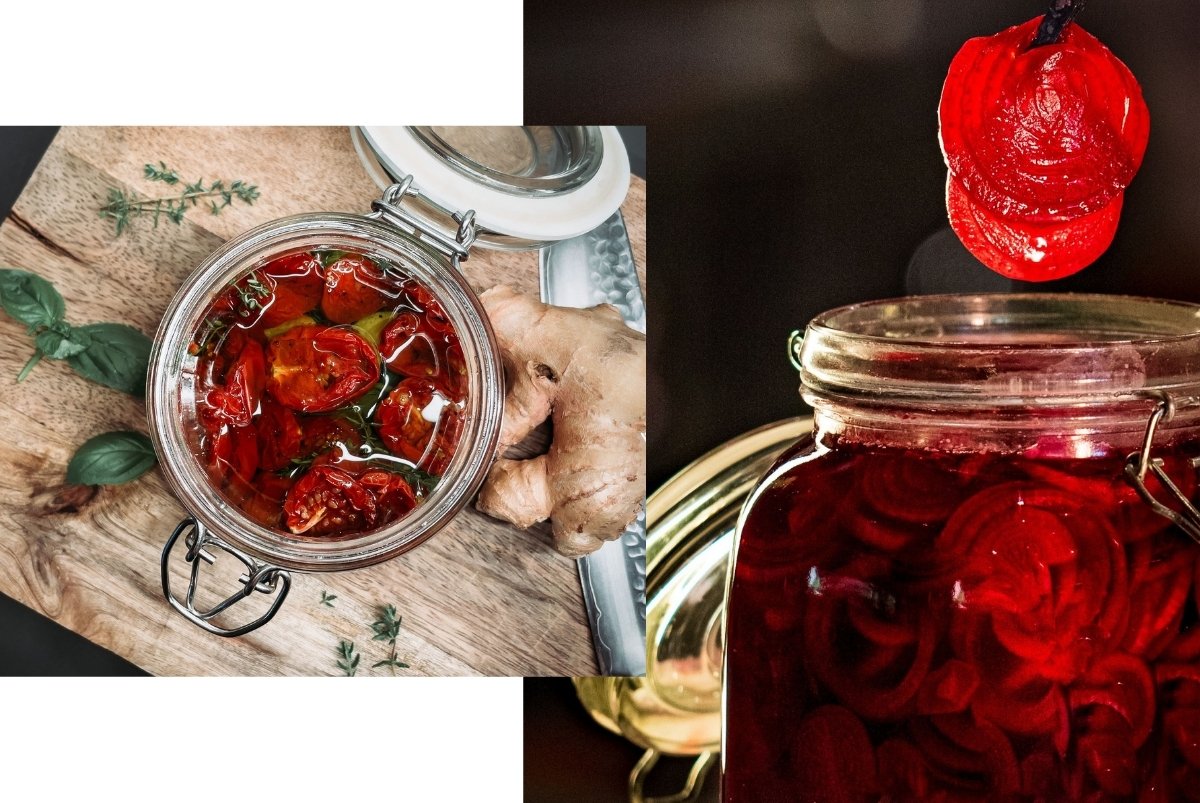
So why are we talking about fermentation quite so much now? Because contemporary cooking has rediscovered something beyond a way to preserve food: a way to build flavour. A tomato can become tangier, richer, deeper. Chilli can lose some of its raw edge and develop a new aroma. Vegetables, fruit, grains and pulses can become pastes, sauces and seasonings whose character won't fit neatly into 'salty', 'sour' or 'sweet'. Enter umami, the fifth basic taste, which we spent years describing as 'rich', 'meaty', 'deep' or
that great culinary verdict: 'It's got something.'
In certain fermentations, the breakdown of proteins increases the amount of free amino acids, including glutamate, which is central to the taste of umami.
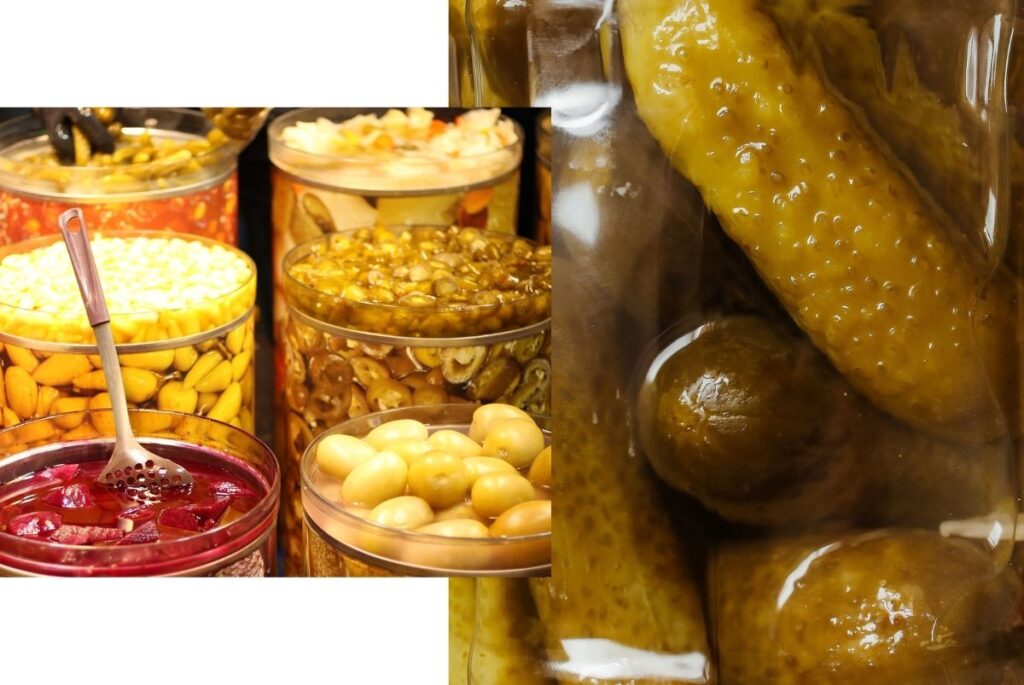
In Korea, for example, jang is a whole family of fermented sauces and pastes, including doenjang, ganjang and gochujang. UNESCO inscribed the traditions surrounding their preparation as intangible cultural heritage in 2024. Some families even keep aged soy sauce for decades, carrying the distinctive flavour of their cooking from one generation to the next. Imagine a family heirloom you can dip your bread into.
A season's flavour doesn't have to end with the season
Which brings us back to the jar. One of fermentation's loveliest ideas is that it allows a kitchen to remember. Not necessarily an ingredient exactly as it was, but its next incarnation. Summer brings tomatoes, cucumbers, fruit and herbs. Towards the end of the season come peppers, cabbage and root vegetables.
Fermentation doesn't freeze them in time.
It lets them keep moving. They become tangier, softer, more aromatic, sometimes fizzy and sometimes decidedly funky. A ferment is a little like a photograph of the season that someone has left to develop for a bit longer. Open the jar in February and you won't find August exactly as it was. You'll find the remix.
Fermented foods are new. Just a few thousand years old
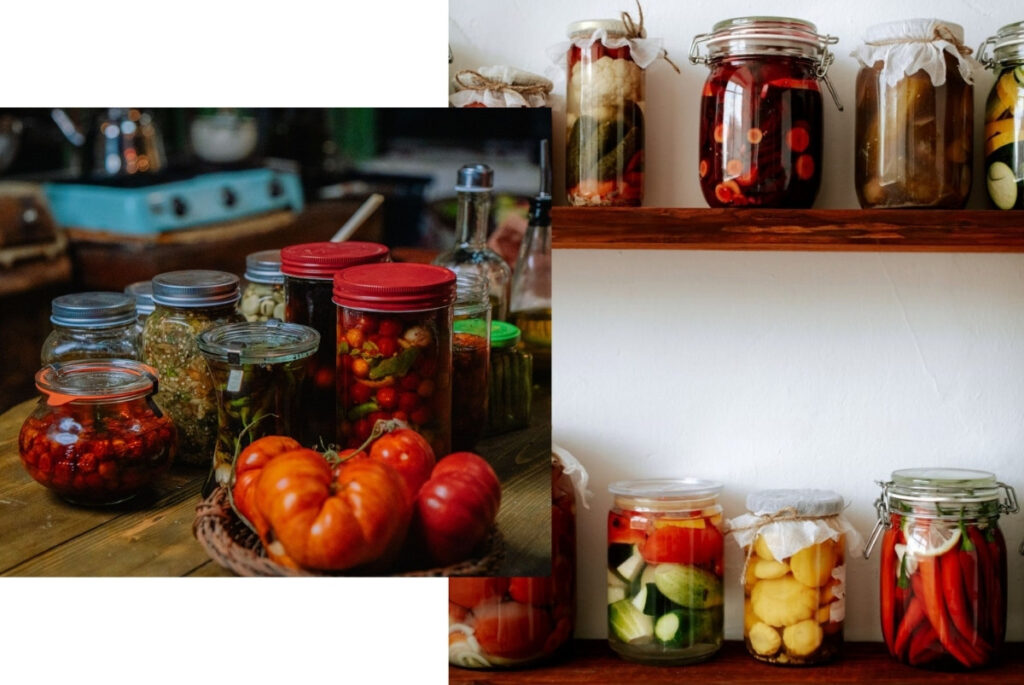
Perhaps that's the funniest thing about their current popularity. We talk about fermentation as one of the most exciting trends in contemporary cooking, yet it was here long before restaurants, tasting menus or the word 'foodie'. What's new is the way we look at it. Chefs are putting old techniques to new uses, bringing traditions from different parts of the world together. Koji might find its way onto a local vegetable. Kimchi no longer sits exclusively beside Korean dishes. Miso turns up in caramel and ice cream. Fermented fruit makes its way into cocktails. Things that spent generations in the cellar suddenly have a place in the most fashionable kitchens. There's something rather lovely about that. Between Korean jang pots, Japanese miso and the barrel of sauerkraut on a Bulgarian balcony lie huge cultural differences, but also one shared human idea.
Make food last longer.
So the next time someone serves you a fermented pepper with koji and starts talking about umami, settle in and listen. It'll probably be delicious. Just remember that somewhere, a grandmother is opening a jar of sauerkraut, completely unaware that she's part of the global gastronomic zeitgeist. And that might be the best bit of all.
ANTISCROLL: what inspired us this week #5
What's happening in the city? Follow our Instagram and be the first to know.
Subscribe to our YouTube channel for a closer look at the city and a wider view.