Witches, fairies or healers: Sicily’s donne di fora
Beyond the beaches, a different island emerges from folklore and court records.
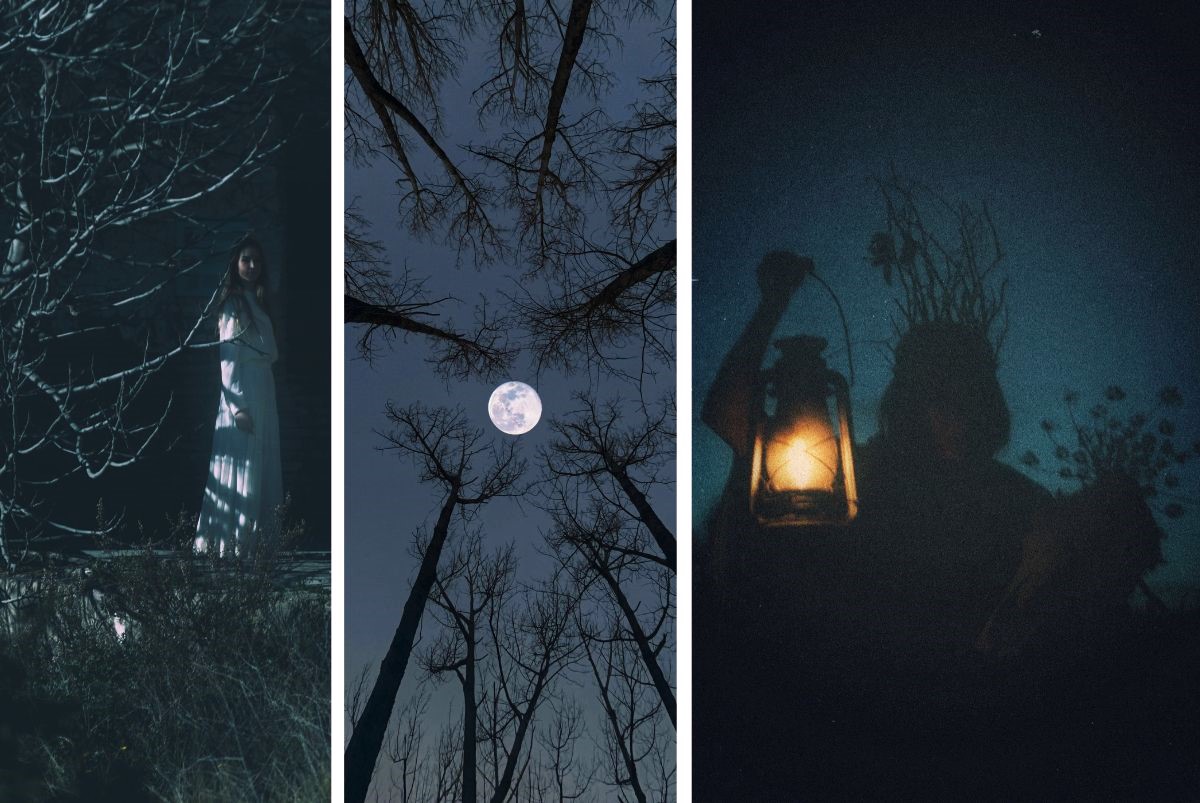
By Daniele Monteleone. English version of GoGuide’s Bulgarian edition. Bulgarian translation and editing from English: Kristiyana Burdeva
Think of Italy and you probably picture sunny afternoons, long evenings with an Aperol, pasta, the sea and plans for your next holiday. Who could blame you? But behind that Mediterranean idyll are stories with little in common with carefree summer days.
Especially in Sicily, where people told stories for centuries of women able to leave their bodies,
fly through the night and commune with supernatural forces. Part witch, part fairy: such were the donne di fora, literally “women from outside”. These mysterious figures were believed to move between our world and another, invisible to ordinary people. Their stories travelled through generations, leaving traces in folklore and in inquisitorial records. Beliefs about nocturnal journeys in spirit became closely associated with the name.
This is where the story becomes more complicated.
Inquisitors could describe them as witches, while local belief also imagined benevolent beings resembling fairies. The boundary between fairy and witch was far less fixed than those English words might suggest. The term could describe supernatural figures as well as people claiming a connection with them.
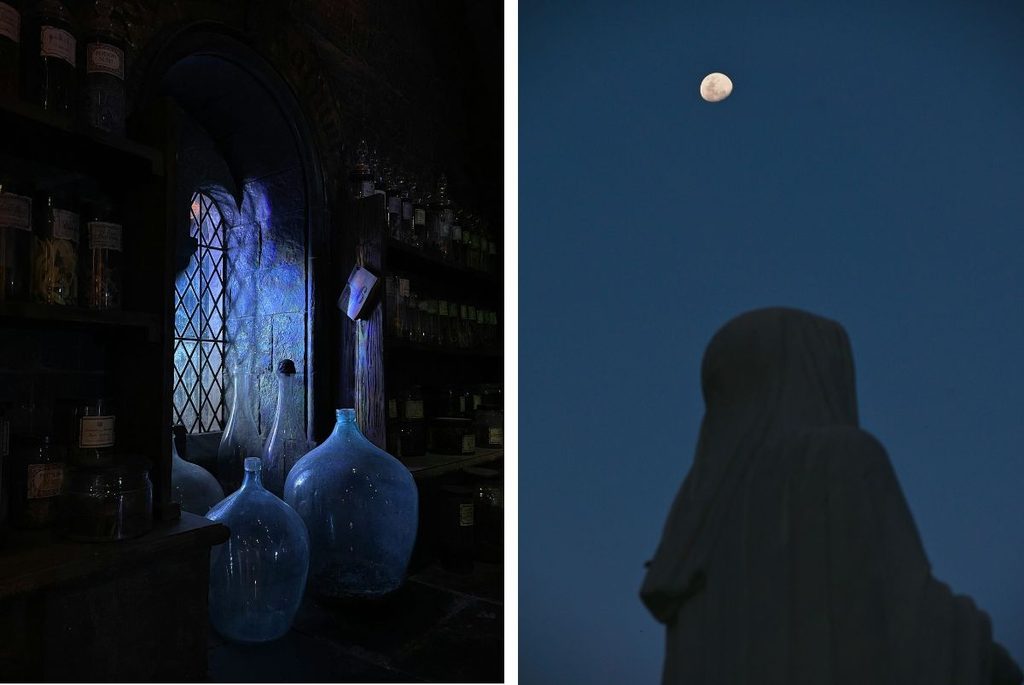
Their history stretches across centuries. Related beliefs appear in early preaching and inquisitorial writing. Scholars have explored possible connections with older traditions associated with Diana, though that does not establish an unbroken survival of an ancient cult. Similar stories recur in sources separated by centuries. Much of the later folklore was recorded by Giuseppe Pitrè, whose nineteenth-century work drew on communities across Sicily.
He gathered accounts from ordinary people,
including peasants, workers and washerwomen. Their stories help reconstruct the figures’ place in Sicilian life. In accounts collected by Pitrè, the donne di fora could be largely benevolent supernatural beings, approached for protection of the home.
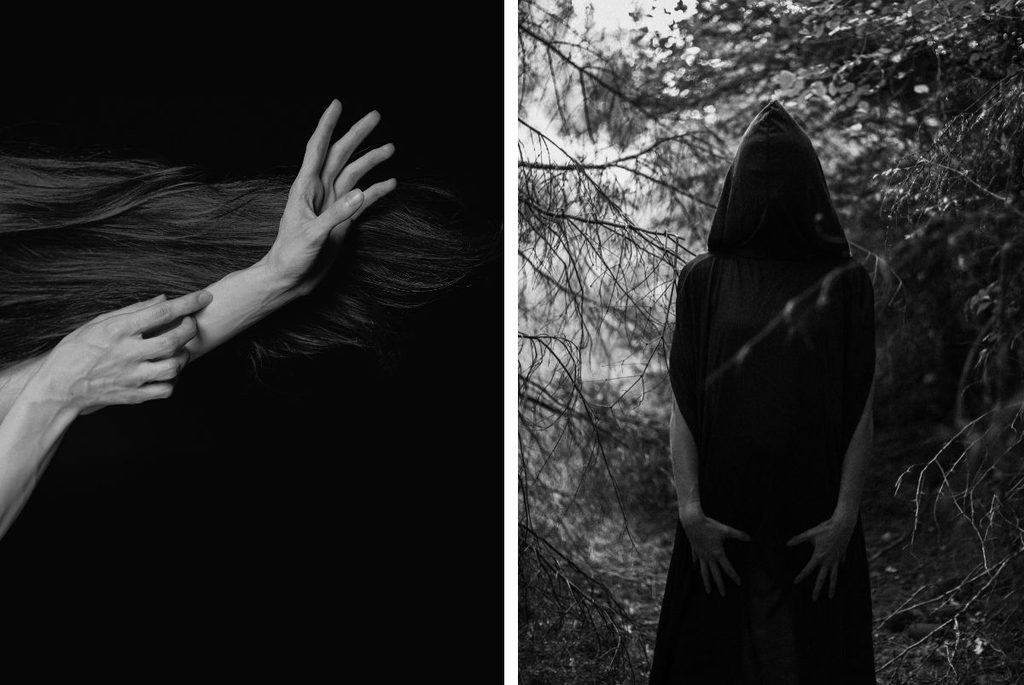
Why have so many accounts survived? Part of the answer lies in religious courts, which investigated accusations involving magic. In their records, some people described
leaving their bodies in spirit at night
to take part in secret gatherings. Such testimony must be read in the context of interrogation and religious authority, rather than treated as a transparent account of either supernatural events or what every witness believed. Medieval inquisitorial writing, including Bernard Gui’s work, provides part of the broader background to how these beliefs were classified. But you do not need an archive to encounter Palermo’s fairy traditions. In the Ballarò district lies Piazza delle Sette Fate, the Square of the Seven Fairies.
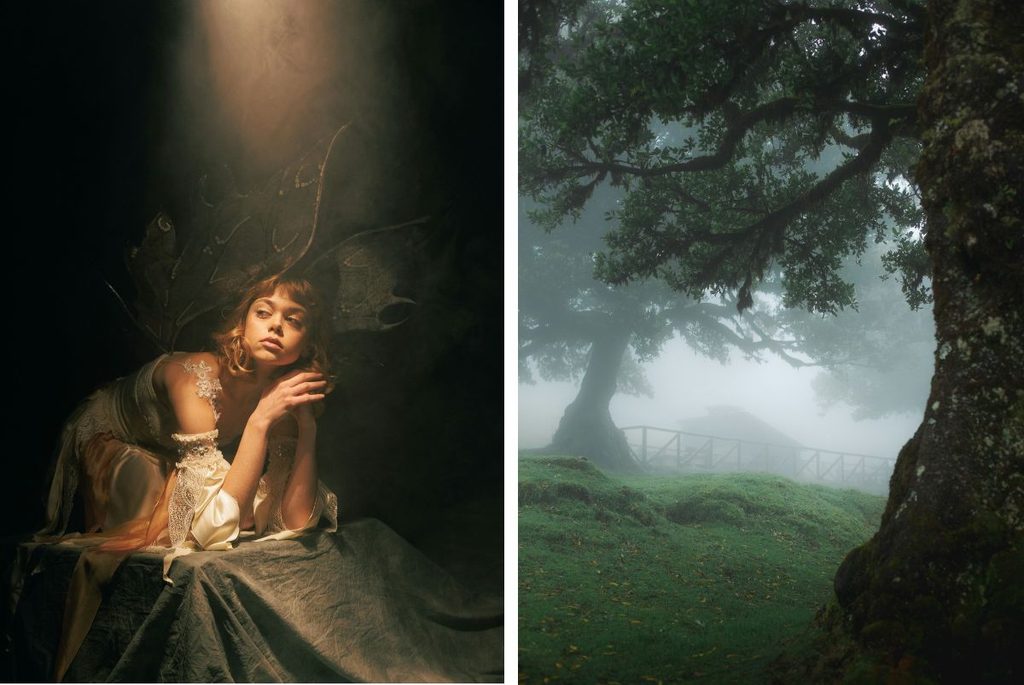
Local legend tells of seven beautiful fairies who chose a passer-by and carried them to extraordinary places. It could happen only at night. At sunrise, the magic and the mysterious women vanished. Imagine walking through the square after dinner and finding yourself inside that story. Behind the tales, though, is a very human history:
one of women, authority and persecution.
Scholars including Giuseppe Bonomo, Gustav Henningsen and Carlo Ginzburg have examined the relationship between popular beliefs and the categories imposed on them. The consequences of religious investigation could be severe, but the Sicilian evidence should not simply be folded into a general story of European witch executions. The records repeatedly describe feasts, dancing and sociable gatherings. These are curious activities for figures supposedly threatening society, and raise the question of who the women actually were.
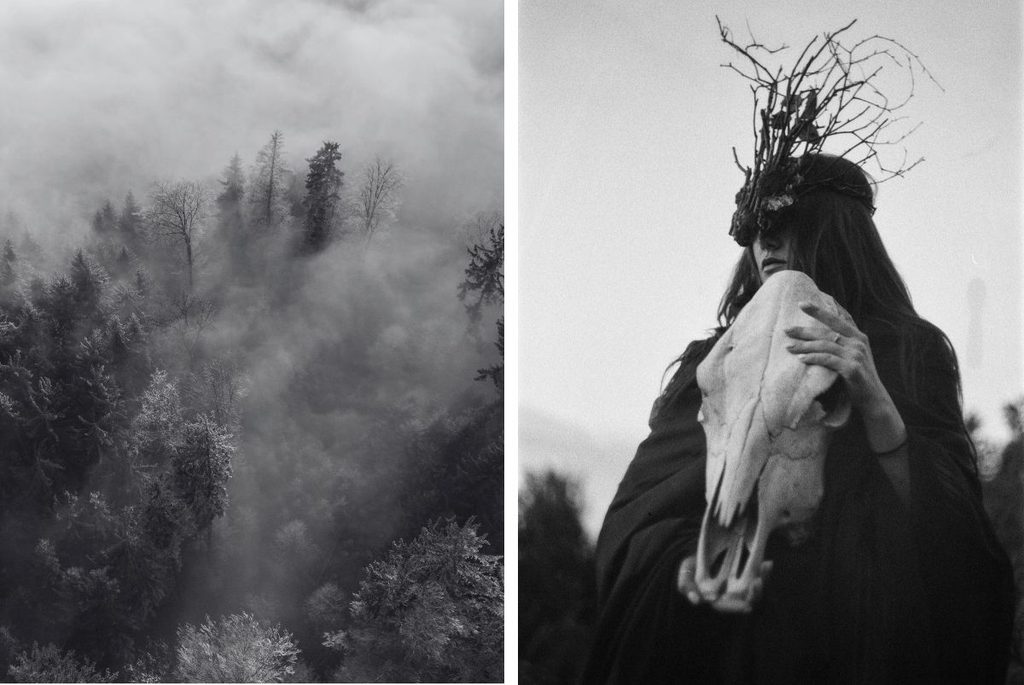
Part of the answer is more earthly than stories of night flights. Some of those investigated were healers, people whom neighbours consulted about illness. Henningsen’s research also describes men in these traditions. The real people, their healing work and the supernatural beings they spoke about cannot always be reduced to one straightforward identity.
Healing could give a person influence within a community,
while bringing their practices into conflict with religious authorities. Yet the institutions, accusations and outcomes differed. The archives require more care than a single explanation in which every healer was prosecuted simply for threatening the Church’s power.
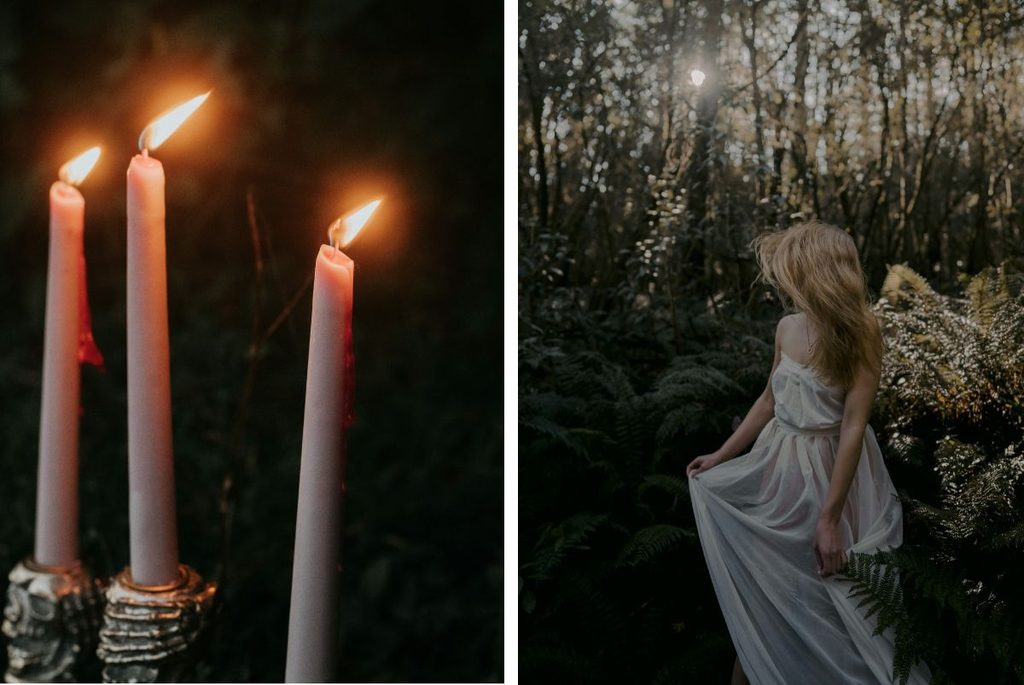
Despite interrogation, punishment and efforts to suppress them, stories of the donne di fora survived.
They changed, acquired new details and passed between generations, becoming part of Sicily’s rich folklore. The women who appear in those stories still inhabit the island’s imagination centuries later.
Mermaids around the world: beautiful statues, darker stories
What’s happening in the city? Follow GoGuide on Instagram to hear about it first.
Subscribe to our YouTube channel for a closer look at the city, and a wider view.