Anne Carson, the Nobel laureate who refuses to stay in one form
A poet, essayist, translator and classicist whose writing keeps finding new possibilities.
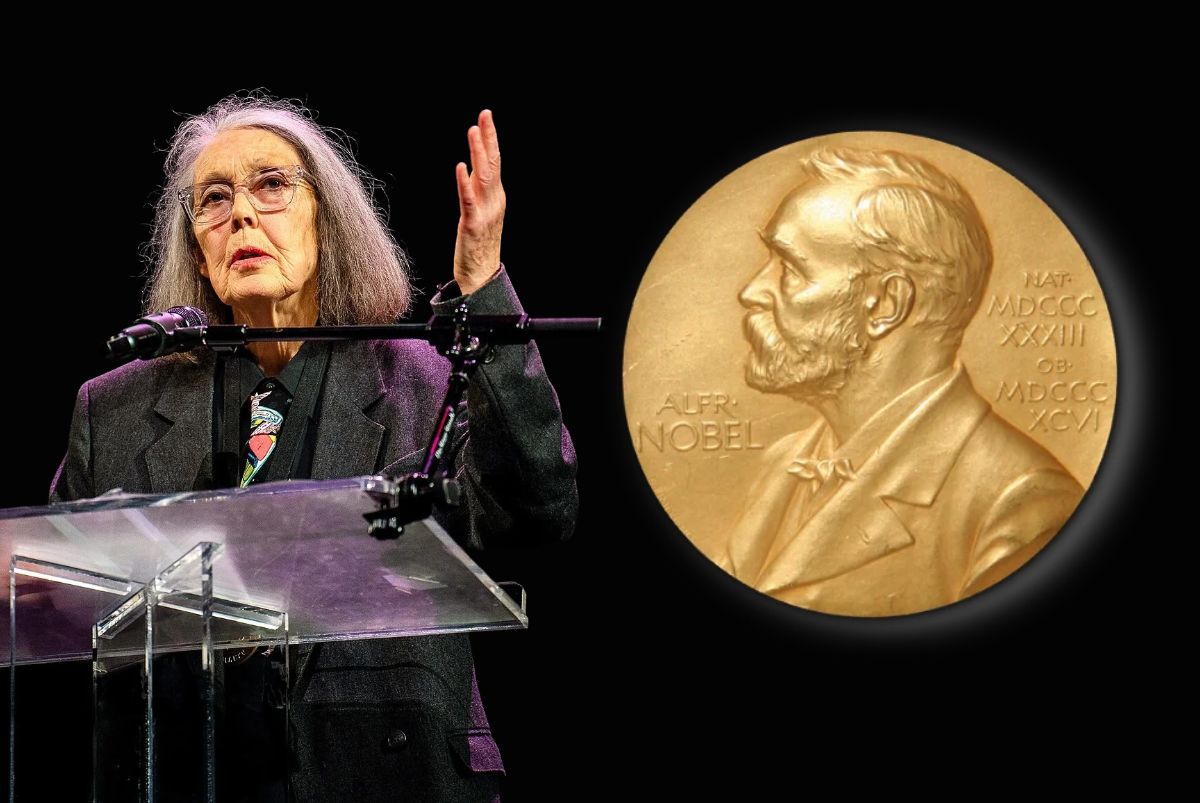
The literary world has a new Nobel laureate: Canadian poet and essayist Anne Carson.
The award recognises a bold, inventive body of work that brings classical tradition into conversation with new literary forms. In Bulgaria, the announcement was followed with particular interest, with Georgi Gospodinov among the names discussed in the run-up. That public speculation should not be confused with an official Nobel shortlist. Bulgarian literature’s growing international presence gives readers here plenty of reason for excitement,
and for hoping that a Bulgarian Nobel laureate may one day follow.
For now, there is every reason to get to know Carson better.

A poet, essayist, translator and classicist, she is one of contemporary literature’s most original and experimental voices. Born in Toronto in 1950, she devoted decades to studying and teaching ancient Greek. That scholarly knowledge enters her imaginative work, where mythological figures meet the emotional conditions of modern life.
Autobiography of Red considers the chill of living beyond the end of your own story.
Carson moves freely between poetry, prose, drama and scholarship. She makes collages from words and turns the arrangement of text on a page into part of its meaning. Love, separation and pain return in a continuing conversation with antiquity, and with Sappho, Sophocles and Euripides.
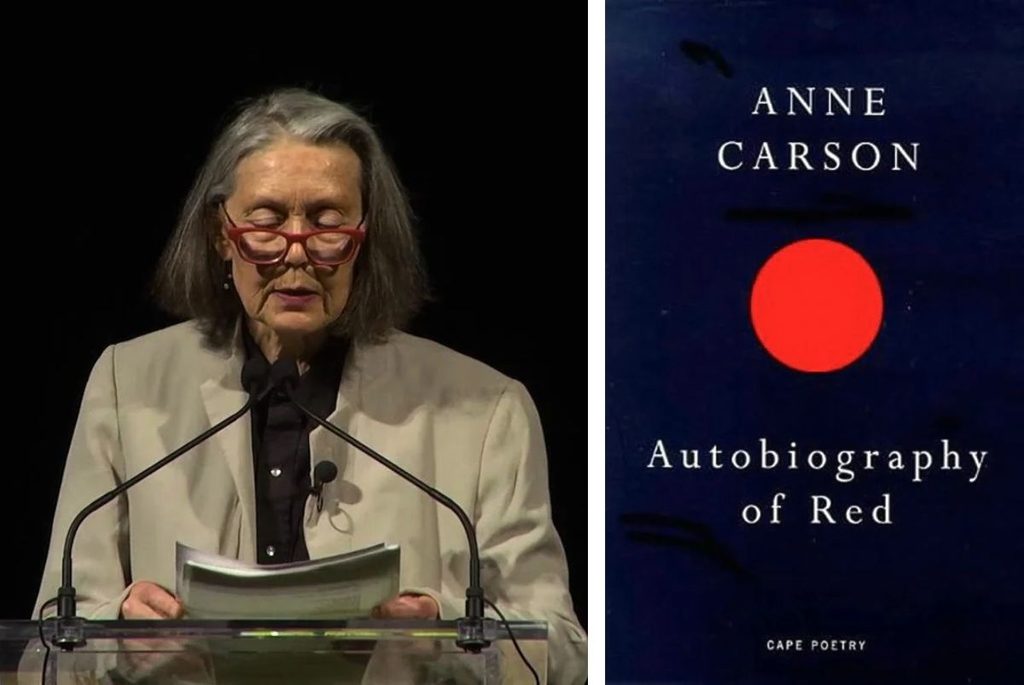
Grief Lessons traces the connection between tragedy, anger and grief.
Her verse novel Autobiography of Red, published in 1998, brings the red monster Geryon and his complicated relationship with Herakles into a contemporary world. The Beauty of the Husband, from 2001, explores the collapse of a marriage; Nox, published in 2010, is an intensely personal elegy for her brother. Her work as a translator is equally significant, including her versions of Sappho’s surviving poetry.
In Eros the Bittersweet, words have an energy and a direction of their own.
Carson’s writing certainly does. The pleasure of this award lies in that restless freedom: good literature does not belong within closed borders, physical or imaginative. It belongs to the world and to anyone willing to meet it.
Five celebrated works by Georgi Gospodinov to read now
What’s happening in the city? Follow GoGuide on Instagram to hear about it first.
Subscribe to our YouTube channel for a closer look at the city, and a wider view.