John Atanasoff beyond the legend
The American computing pioneer whose Bulgarian roots became a source of national pride.
Bulgarian national pride sometimes has a creative relationship with names.
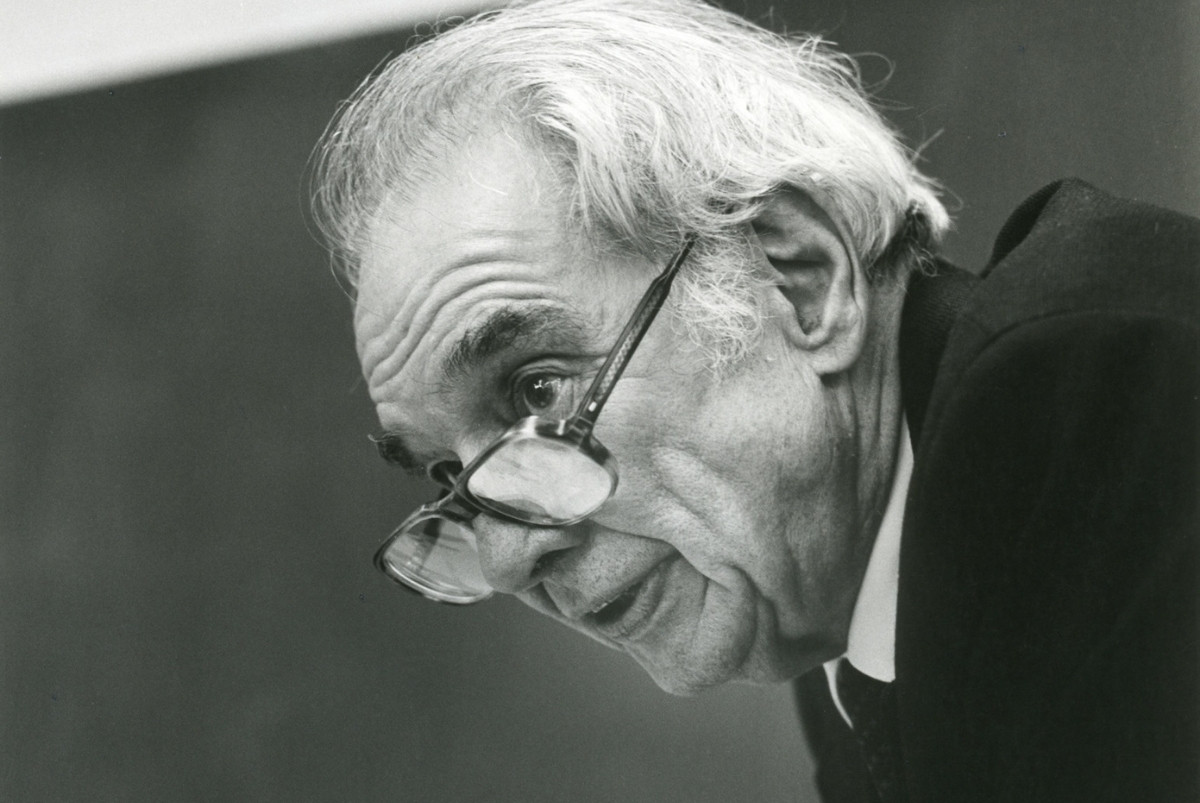
John Atanasoff deserves better than a patriotic shortcut. He was born in the United States, the son of a Bulgarian immigrant. The family story often told in Bulgaria begins with his father Ivan surviving the violence at Boyadzhik in 1876 as a baby, while Ivan’s own father was killed. In that account, a bullet left the child with a scar. It is a dramatic family history, distinct from the scientific achievement that followed.
Ivan emigrated to America in 1889.
John graduated in electrical engineering from the University of Florida in 1925, took a mathematics master’s at Iowa State in 1926 and completed a doctorate in theoretical physics at the University of Wisconsin in 1930. Back at Iowa State, he taught mathematics and physics. The laborious calculations involved in solving systems of linear equations led him towards a different machine: electronic, binary, using regenerative memory and direct logical operations.
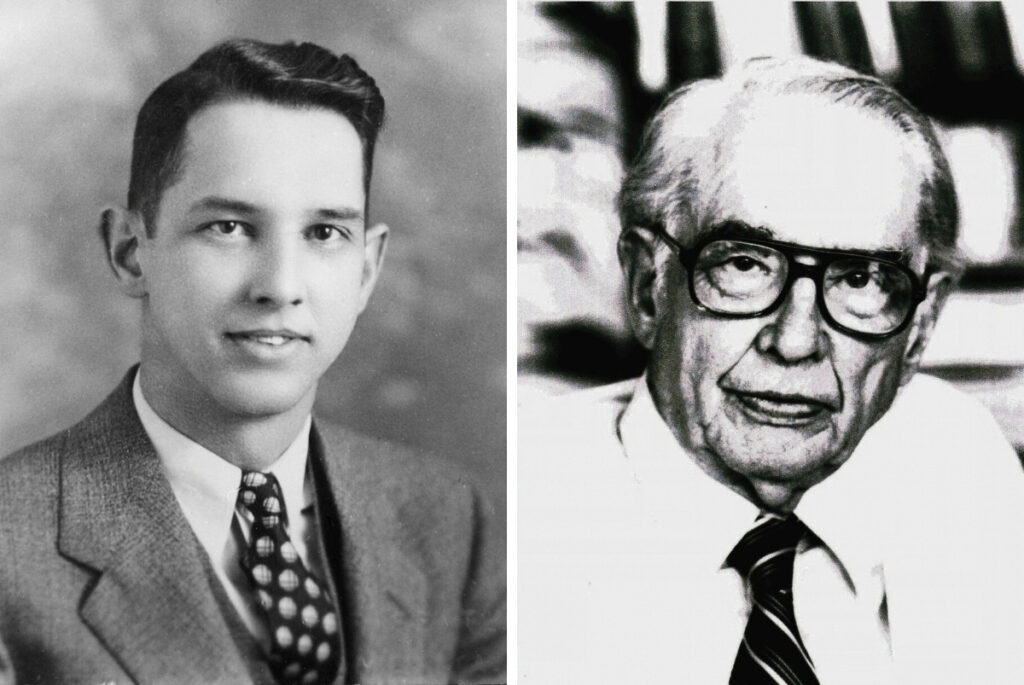
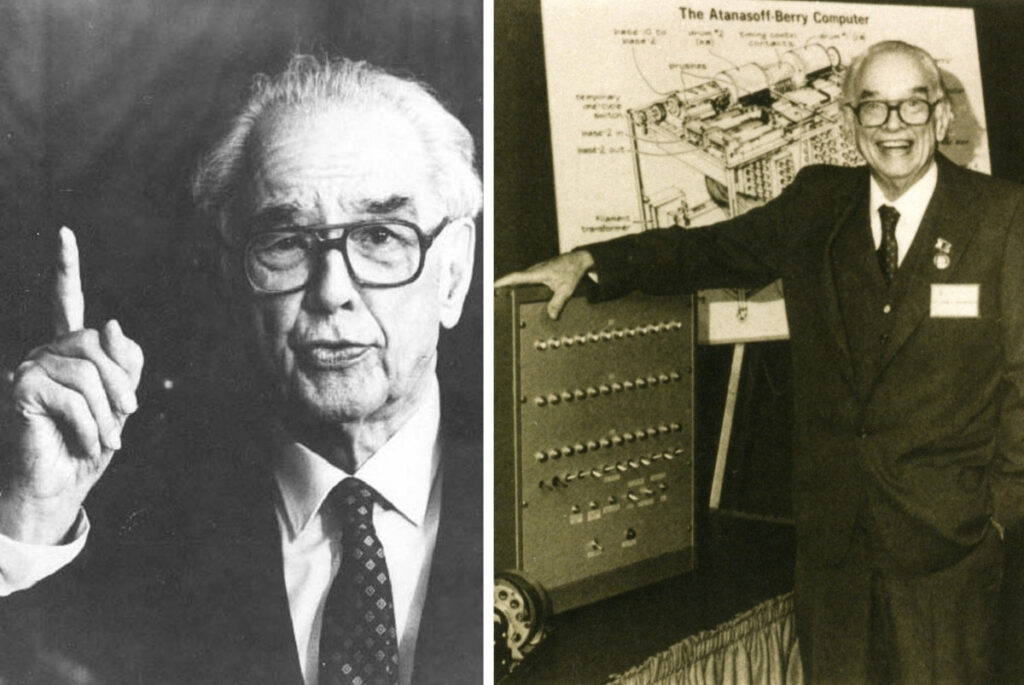
In 1939, he hired graduate student Clifford Berry. Working in the physics building’s basement, they built a prototype and developed the larger machine that became known as the Atanasoff-Berry Computer, or ABC, between 1939 and 1942. Wartime work interrupted the project.
Atanasoff left for a defence research position at the Naval Ordnance Laboratory.
John Mauchly visited him in Iowa in 1941 and examined the ABC. Mauchly later developed ENIAC with J. Presper Eckert. The relationship between the machines became central to Honeywell v. Sperry Rand, the major patent case decided by Judge Earl Larson on 19 October 1973. The ENIAC patent was ruled invalid, and Atanasoff’s earlier contribution received formal recognition.
The ruling secured an important place for him in computing history.
It did not make “the sole inventor of the computer” an adequate description. Atanasoff and Berry pioneered electronic digital calculation with the ABC, a specialised machine for solving equations, not a general-purpose programmable computer. The modern computer emerged from the work of many researchers and engineers. Recognising that makes their achievement more precise, not smaller.
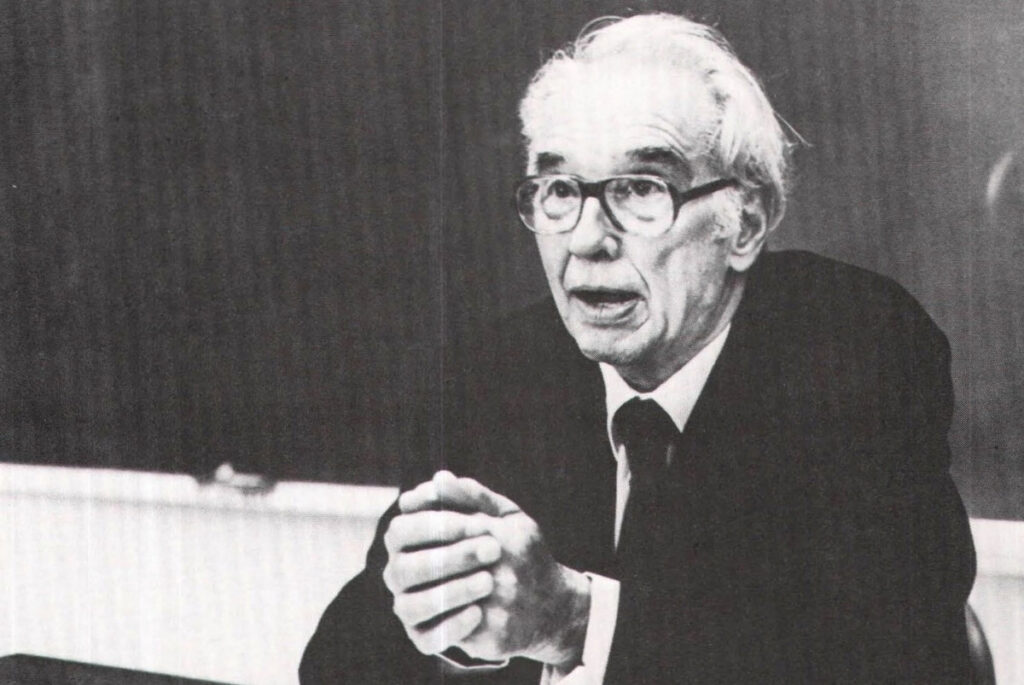
Atanasoff’s Bulgarian ancestry led to memorable visits to his father’s homeland. In 1970, he received the Order of Saints Cyril and Methodius, First Class. A further visit in 1985 brought members of his family to Boyadzhik, connecting the internationally recognised scientist with the village from which his father had come.
Local accounts describe a welcome with music, bread and salt.
He met relatives and received civic and state honours. Away from public recognition, Atanasoff married twice and had three children. In later life, he enjoyed his Maryland property and gardening, a quieter setting after decades of research and controversy.
Bulgaria’s enthusiasm for him during the socialist period makes an interesting contrast with the disappointment experienced by sculptor Assen Peikov. Peikov had left Bulgaria and found recognition in Italy, yet his proposed monument to Khan Asparuh at home was not realised. Atanasoff, American-born and raised, received a very different welcome.
Politics may have shaped those contrasting receptions,
though that is a question for investigation rather than an explanation we can simply assume. Atanasoff himself remarked on receiving recognition in Bulgaria before it arrived more broadly in the United States. The achievement belonged to a wider scientific history, but the pride it inspired here was deeply personal.
Assen Peikov, the Bulgarian sculptor Rome made its own
What’s happening in the city? Follow GoGuide on Instagram to hear about it first.
Subscribe to our YouTube channel for a closer look at the city, and a wider view.