Weekend getaway: 24 hours in Samokov
A nearby town, beyond the familiar clichés
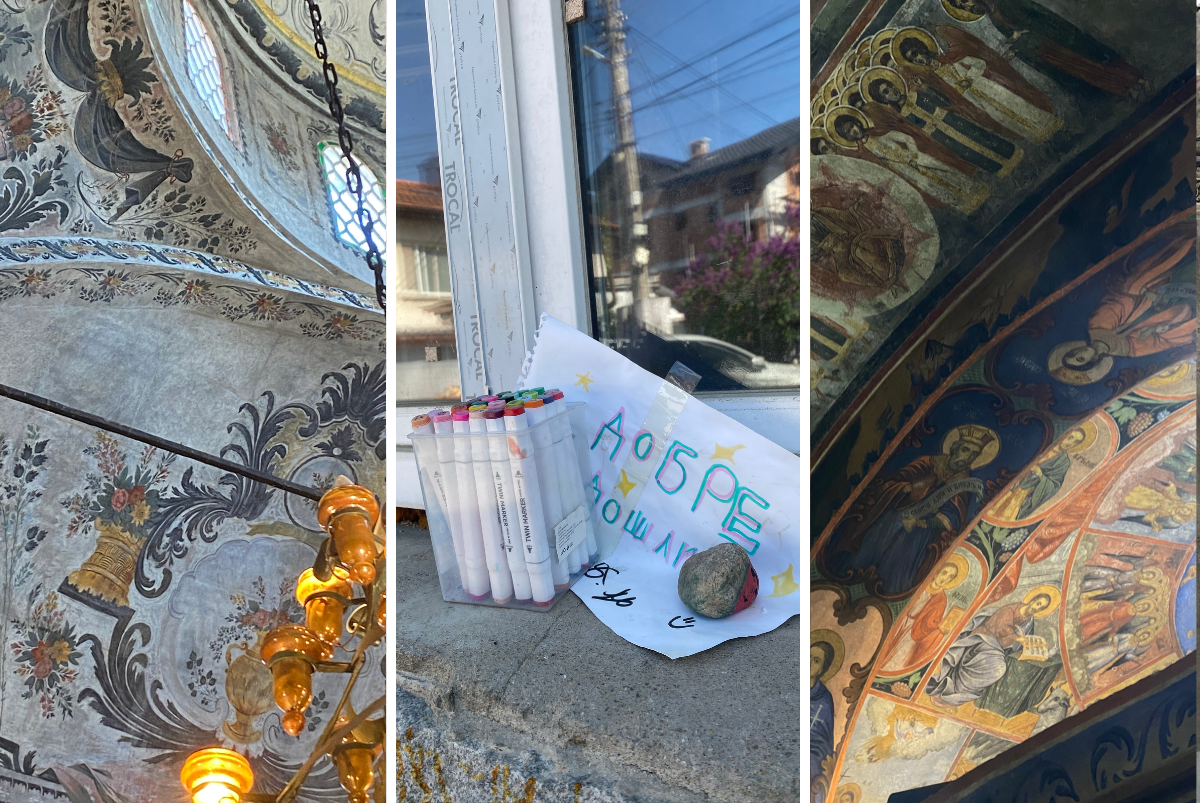
In Bulgaria, everyone has heard of Samokov. And of its potatoes.
But how often do we stop to consider what lies so close to Sofia? Small and unassuming, Samokov has a rich past. You find it in lanes, old houses, museums and churches. Its quiet is part of the attraction. Our first stop is the Metropolitan Church of the Dormition, with its carved iconostasis and work by artists of the Samokov School. This is a different church from Belyova Church, where the relics of St Simeon of Samokov are kept.
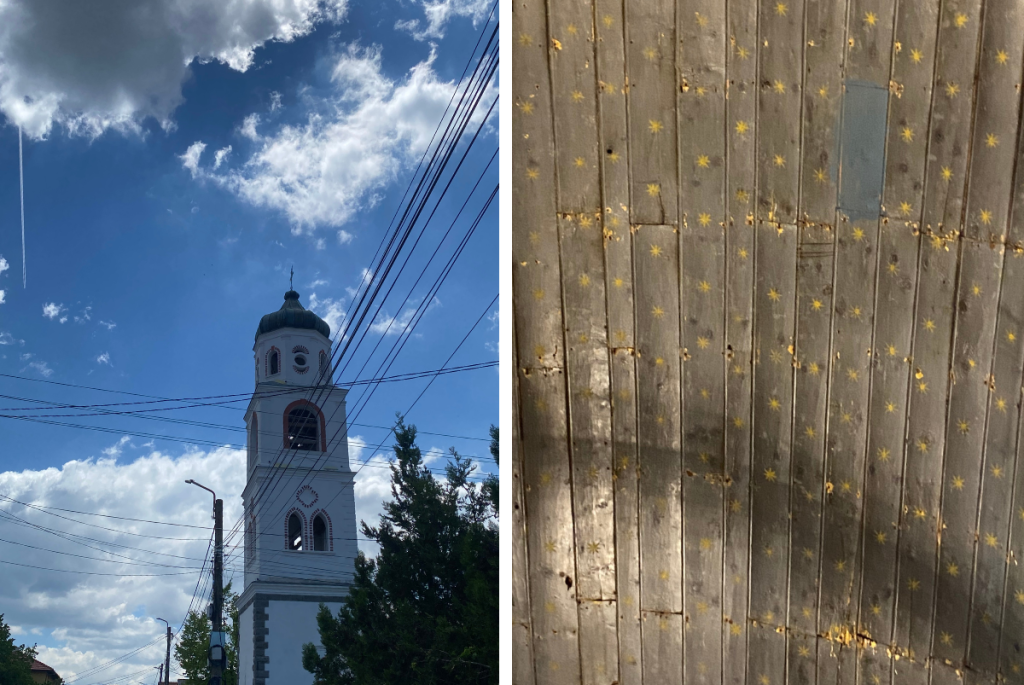
That mixture of quiet and historical weight is what I mean. You feel it again at Samokov’s Convent of the Intercession. Begin with these religious places,
where faith, education and culture have met over the centuries.
Then visit the Historical Museum. Its collection began in 1930, the museum was formally recognised in 1936, and its permanent exhibition was renewed in 2007. Archaeology, art and everyday objects bring the town’s past into focus.
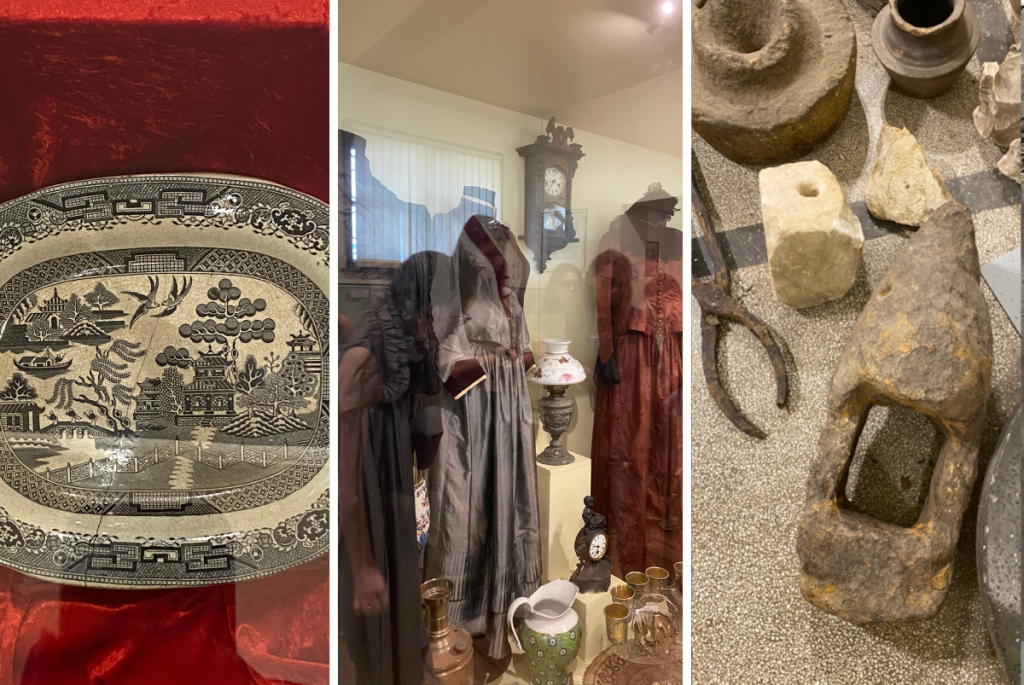
We often picture Bulgaria’s National Revival towns through folk dress, but Samokov’s museum also preserves 19th-century town clothes. Jewellery, clocks, locally made glass and an early Bulgarian printing press tell of a busy urban life. Then there’s the samokov itself, the huge water-powered hammer behind the town’s name.
There’s plenty here for art lovers,
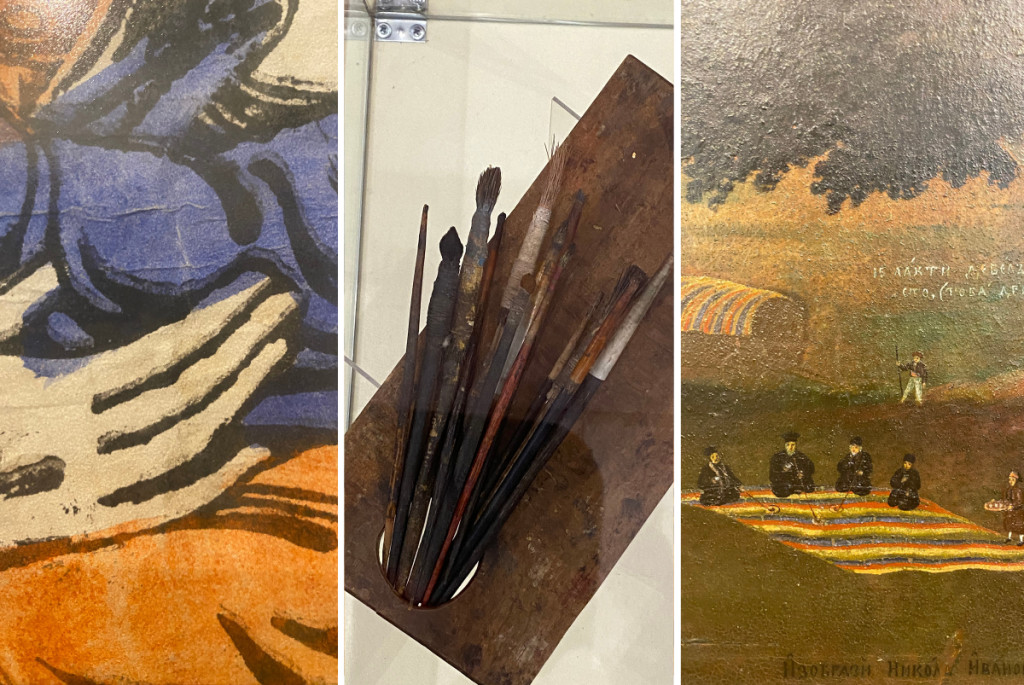
with icons and works associated with the Samokov School. Its artists included Zahari Zograf, Stanislav Dospevski and Nikola Obrazopisov, names that recur as you explore the town’s churches.
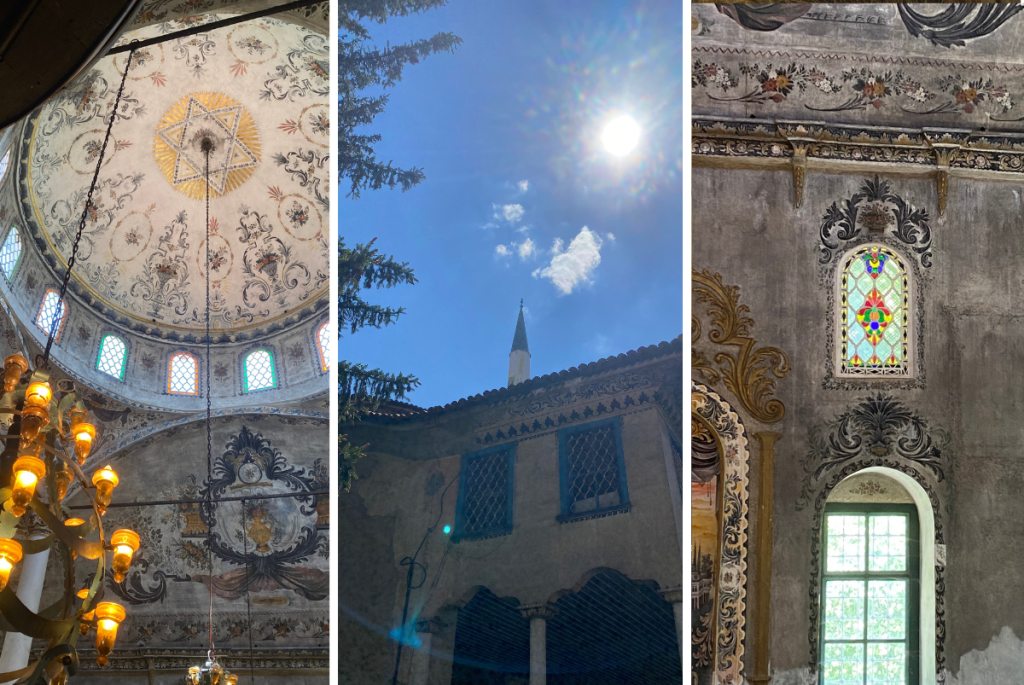
If that makes Samokov sound exclusively Christian, it’s time to look elsewhere. Before Bulgaria’s liberation from Ottoman rule, the town had several mosques. Only Bayrakli Mosque remains, and it is particularly interesting.
Its decoration shows the character of the Samokov School,
including Baroque and Rococo influences. An Islamic place of worship painted by Bulgarian artists in a National Revival idiom makes an unusual combination. That’s what interests me about Samokov: many perspectives, many things happening together to shape the town.
My final, favourite stop is the Sarafska House. History moves from worship and museum displays into a home. It belonged to the Arie family, Jewish merchants who became influential in the region, trading goods, connecting local markets with Europe, exchanging currency and lending money. Saraf, meaning money changer, gives the house its name. The building
dates from the 1860s, a symmetrical house typical of the period.
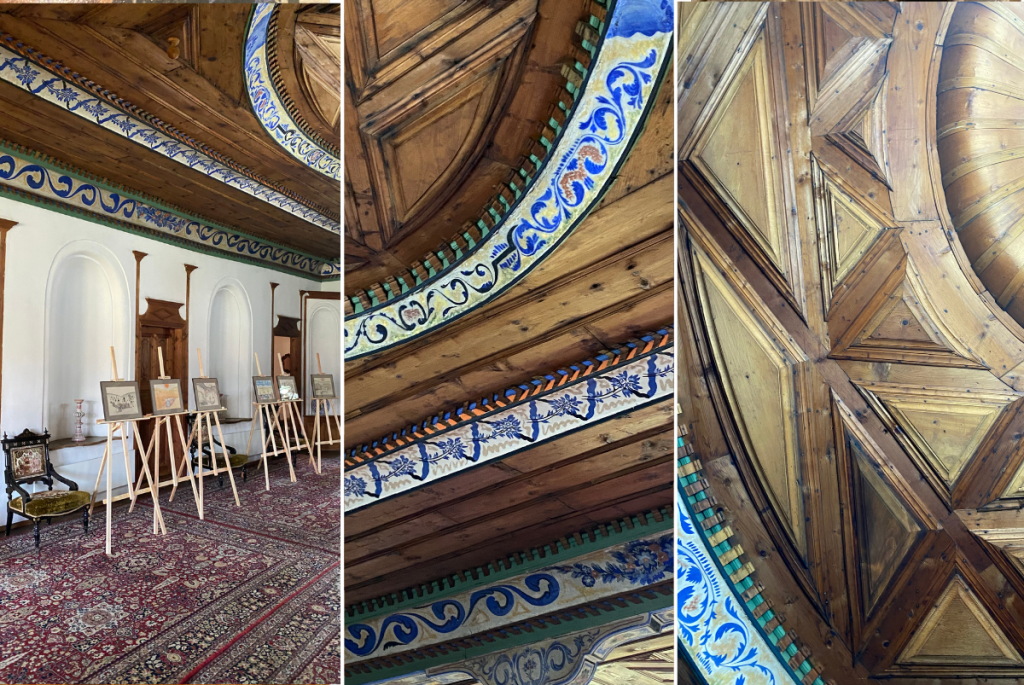
Inside, carved wooden ceilings and surviving painted decoration deserve a long look. The museum notes that the furnishings were assembled for the restored house rather than preserved as a complete original interior. They still give a vivid sense of the taste and ambitions of a prosperous 19th-century household.
Perhaps this house best reveals Samokov as a town of merchants, entrepreneurs, craftspeople and bankers as well as churches and painters, connected far beyond its streets. Walking back, you see more than separate historic buildings. You see a town
where religions, languages, crafts and cultures met for centuries.
Painters gave religious art their own expression; merchants brought European goods and fashions; local makers left objects that tell us how the town lived. Before setting out, check visiting arrangements with the Historical Museum and the Sarafska House. They are managed separately.
Five historic places to explore in Bulgaria (in Bulgarian)
What’s happening in the city? Follow GoGuide on Instagram to hear about it first.
Subscribe to our YouTube channel for a closer look at the city, and a wider view.