Martina Stefanova: “Heritage is an investment in identity”
On Old Sofia, the buildings she loves and the idea of adopting a façade.
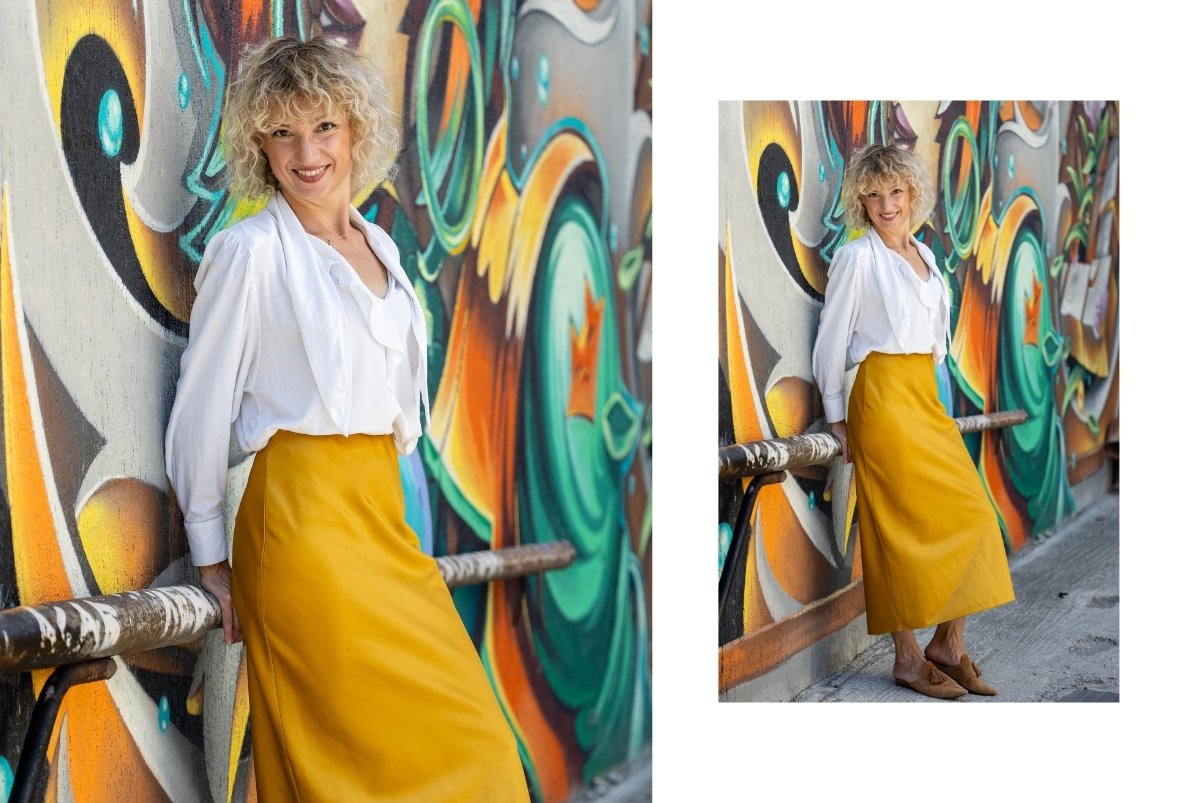
Martina Stefanova is a cultural manager, producer and entrepreneur,
co-founder and executive director of the DOMA Art Foundation and a driving force behind KvARTal Festival. She spent twelve years in Moscow, studying graphic arts and working as an art director at Media Storm on advertising connected with the Sochi Olympics, and also studied media and animation in South Korea. Recognised in Forbes Bulgaria’s “30 Under 30”, she has developed cultural projects in Bulgaria and abroad. Her love of Sofia lies behind KvARTal. We spoke ahead of its eleventh edition in September 2026 about the ideas that extend beyond a festival weekend.
The 2026 theme was “The Future of the Old Town”. What prompted that turn from looking back to looking ahead?
Sofia has inherited many different periods, from ancient Serdica to the architecture of the modern Bulgarian capital, which invites comparisons with Prague, Vienna and Budapest.
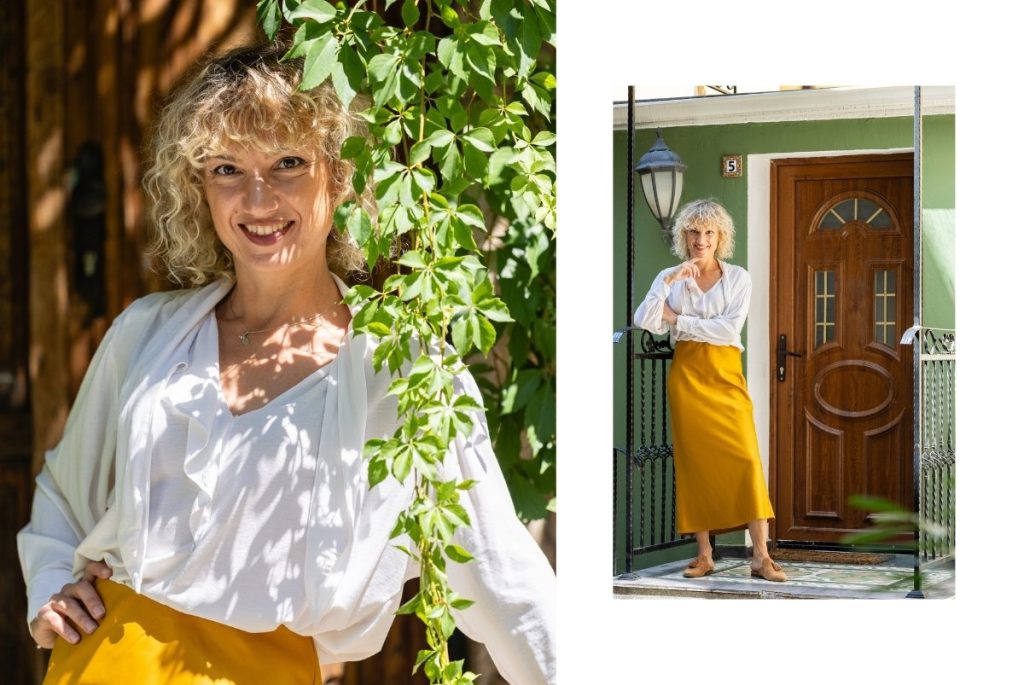
If we want to leave that history to future generations, looking backwards and forwards matters equally. Heritage is an investment in identity, quality of life, tourism and sustainable urban development. Our focus was the future of Sofia’s historic centre: protecting it and passing it on.
What did you want that edition to offer?
We planned to begin with “The Future of the Old Town”, a forum at Roca’s gallery and showroom on 16 September, bringing residents, institutions, activists and architects together to discuss preserving the past for the future. The weekend programme, 18–20 September, was intended to bring that conversation into pedestrian spaces, events, workshops, music and encounters across the neighbourhood.
We continue to advocate a pedestrian historic centre for Sofia,
as Plovdiv, Ruse and other Bulgarian cities have. History tours, a children’s area, exhibitions, talks and the flavours of Old Sofia were part of the plans. We also planned to introduce “Adopt a Building” and a charter calling for stronger protection of the historic centre. The idea was to support particular façades through donations and gather signatures at venues, through volunteers and online.
Our partnerships with the Ethnographic Museum in the Palace and the State Archives included tours and research into Old Sofia. The programme also proposed a Vespa event at Banski Square and activities at NIVO, the former cinema: daytime events, Aether’s café-theatre talent project and Saturday’s official after-party. There was a great deal we were looking forward to.
What does “adopting” a building actually involve?
We wanted to develop the initiative beyond its first year, choosing buildings that need repair and restoration and inviting residents, businesses and companies to contribute towards the necessary sum. Restoring heritage is complicated and expensive, and there are not enough programmes to carry the financial burden. We hope to revive an older Bulgarian tradition:
people donating and working together to build and restore important places.
Participants would be recognised as supporters of Old Sofia’s restoration. Our proposal included publishing donors’ names, plaques for larger contributions, an official ceremony and opportunities to follow the restoration process.
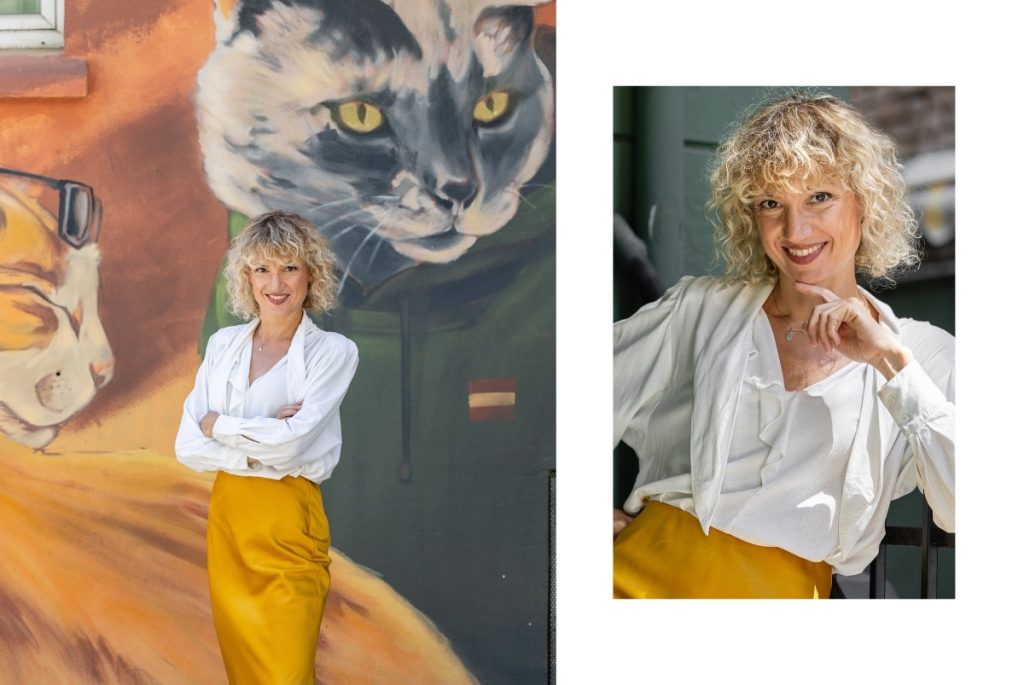
Which old house is your secret favourite?
The whole neighbourhood is one large child with many parts, houses and spaces. Newly restored façades keep surprising me, so my favourites change. One is the Musala apartment building, which marked its centenary in 2025. It is instantly recognisable in old photographs, along with the domes of the building opposite. It stands where Targovska Street once reached. Restoring its dome would be wonderful. We will see what becomes possible.
Is there somewhere you have wanted to “unlock” for the festival but have not yet managed?
We keep finding and opening up places. That was why KvARTal began. It is not simply entertainment; it carries a cause, restoring the memory and history of the old centre.
For the 2026 edition, one of the spaces we wanted to open was a former cinema,
which had also been used as a nightclub and casino. The plan was to bring culture and art back through NIVO, with cinema discussions and screenings during the day and the festival’s Saturday after-party. It was exciting to imagine what culture could do for a space that had lost its earlier role.
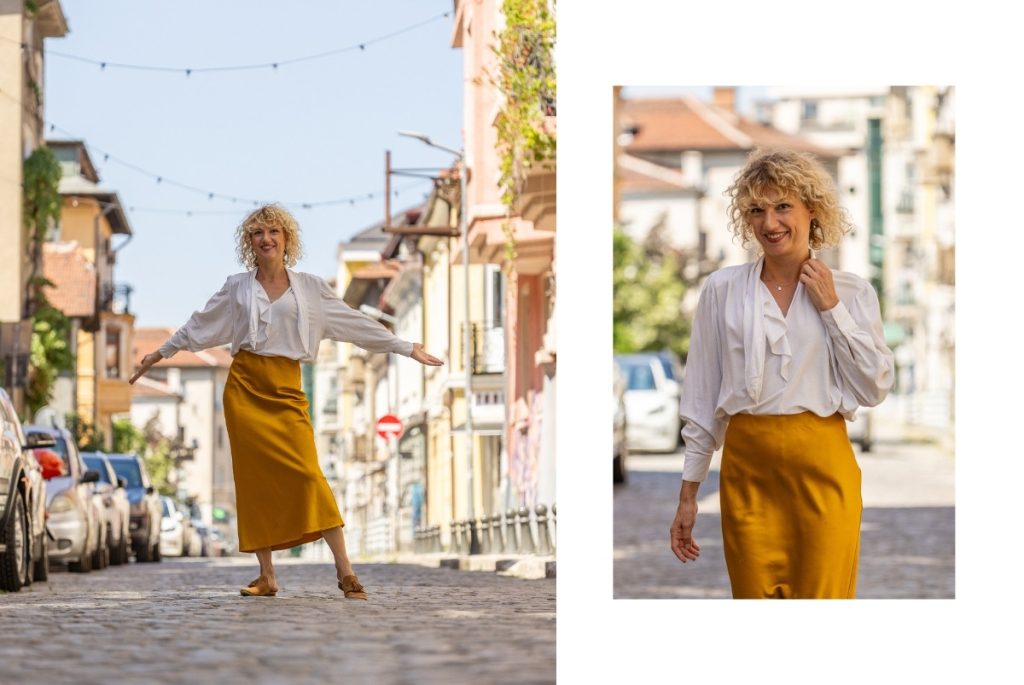
After working in Moscow and South Korea, what do you miss when you look at Sofia? What feels particular to this city?
When I was in Moscow more than ten years ago, I could strongly feel the idea of a city for people. Much of the centre became pedestrian, including the riverfront, with bicycles, scooters and even skateboards available to hire. Things often happened on a much larger scale and more quickly than in Sofia. Here we can be chaotic and slow, taking years over something that might happen sooner. That is one reason I follow Jan Gehl’s work and his idea of cities for people, developed through projects around the world. Work by his team in Sofia also offered ideas for pedestrian routes and green spaces that I would like to see carried further.
In South Korea, I am interested in how the past is treated.
Different cities retain different identities, while contemporary museums use technology, illustration and historical characters to bring history into the present. It becomes accessible to a wider public. I would love more of that here: history should be part of the contemporary city, not left only in textbooks.
Have restoration projects revealed hidden treasures? What has excited you most?
We keep discovering things. In one house, removing plaster uncovered a little angel fresco on a terrace, almost a century old.
The attention people once gave to detail is extraordinary,
and something we too often neglect. Beneath later floors we find original mosaics that have kept their colour and sheen for a hundred years. Our partnership with the Ethnographic Museum also drew attention to a Schindler lift, said to have been walled up during the communist period and rediscovered after 1989. Such details reveal how much history sits behind Old Sofia’s walls.
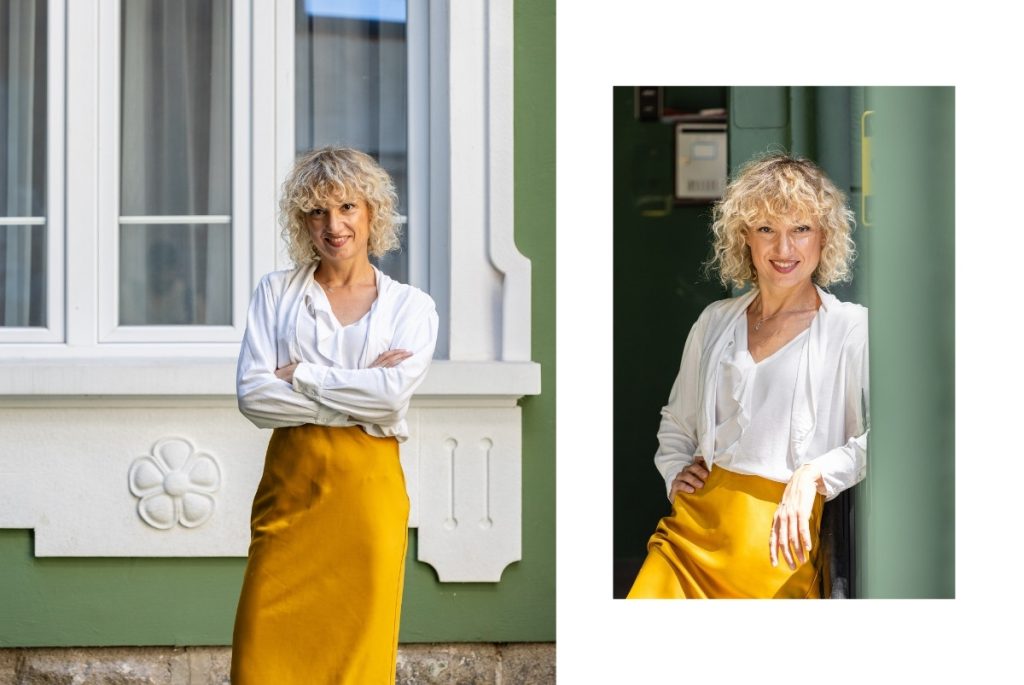
You have a vision for the neighbourhood’s future. If you could travel back, which period of Sofia would you choose?
The Old Sofia we are trying to recover. People sometimes say the city only began developing after 1944, but that overlooks a remarkable earlier period. After liberation, Sofia became the capital in 1879, attracting architects and people determined to build a city. Beautiful houses and public spaces helped us
rebuild a European identity,
with influences from Art Nouveau, Art Deco, Baroque and Classicism, gardens, cinemas, cafés and restaurants. Targovska Street was full of life. People stayed out late and finished with tripe soup. There was international exchange, travel and theatre connecting Sofia to Europe. It was a city hungry to develop. That memory is part of the identity we pass on.
Which traditional craft would you like to learn yourself?
Lately I have been involved with plasterwork because we help repair façades. That also fed into “Adopt a Building”. For the festival we wanted crafts and workshops throughout KvARTal, not only on the craftspeople’s alley. The Ethnographic Museum partnership included Palace tours and learning about its work for Sofia. Mish Mash Fest was involved in children’s workshops at Banski Square, while individual venues prepared their own programmes around old crafts and flavours.
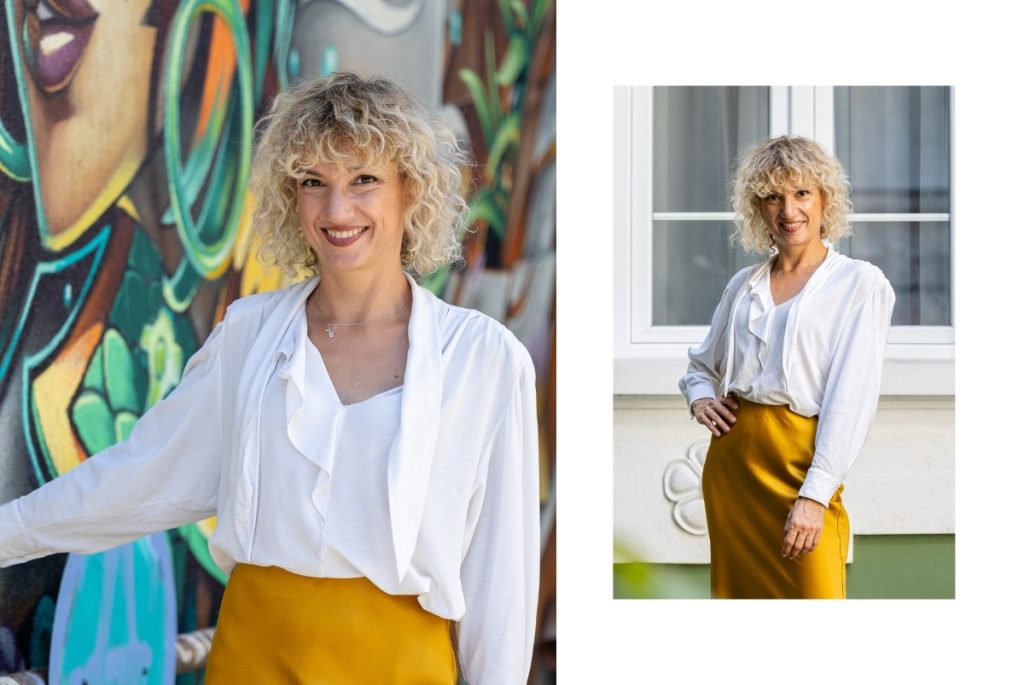
After ten editions, have “heritage” and “belonging” acquired new meanings for you?
They have mattered since the first edition. We do not come to this festival simply to enjoy ourselves. We come to learn to understand heritage and belonging differently. That remained the point of the eleventh edition in Old Sofia’s KvARTal.
This conversation preceded KvARTal Festival, 18–20 September 2026, in the area between Dondukov, Maria Luiza and Slivnitsa boulevards and Rakovski Street. The event had logistical support from Sofia Municipality and Sofia Municipal Council. Its official channels include Facebook /Kvartal Festival and Instagram /kv.art.al.
More from GoGuide’s 2026 festival coverage
What’s happening in the city? Follow GoGuide on Instagram to hear about it first.
Subscribe to our YouTube channel for a closer look at the city, and a wider view.