Notes on Zahari Stoyanov
Shepherd, revolutionary, writer, journalist and statesman: a life with the sweep of a film.
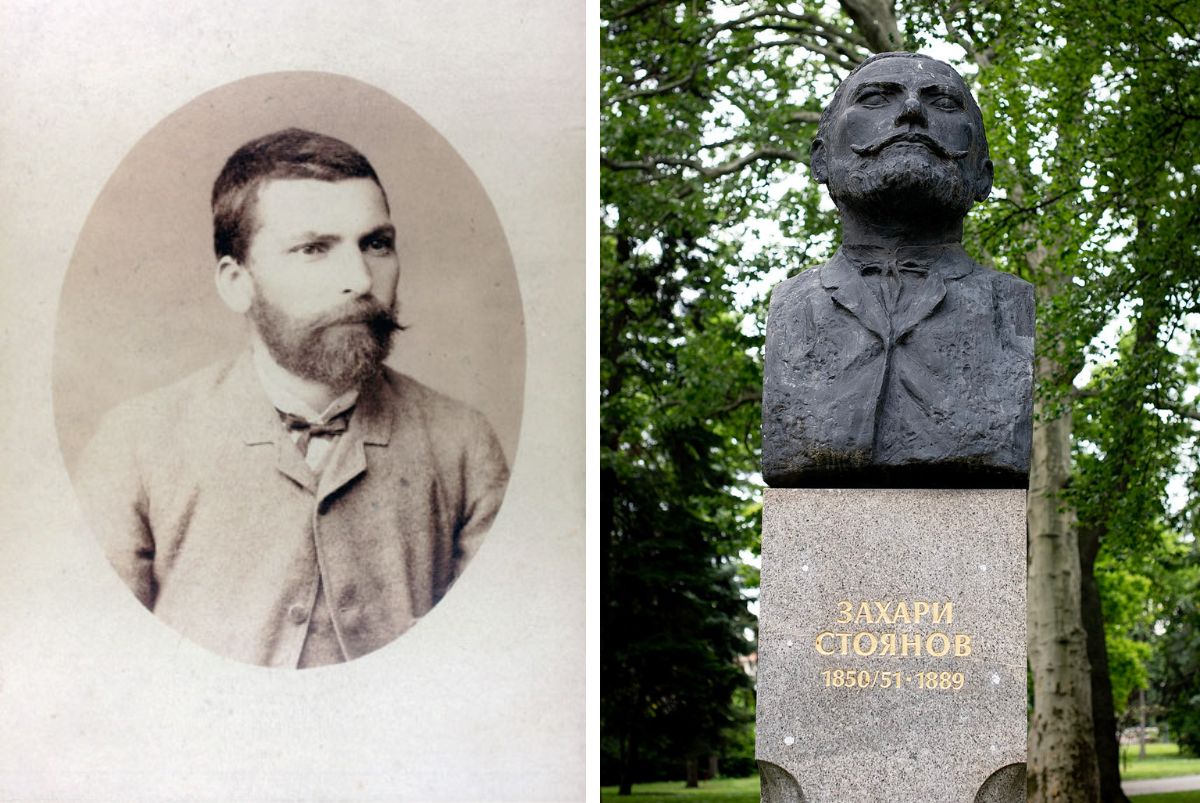
Photos: Wikipedia
It seems unfair that Zahari Stoyanov, which was not even his birth name,
is remembered by so many people solely as the chronicler of Bulgaria’s April Uprising. His contribution to the Unification of 1885 was also considerable: organiser, leader and advocate. But let us begin at the beginning. My interest in him dates to childhood, when I particularly enjoyed receiving old 5,000-lev banknotes bearing his portrait. I am old enough to remember them, though not old enough to have been his classmate. I was obsessed with history. Textbooks never gave me enough, so whenever I visited my grandmother in Vratsa I searched her old volumes of Notes on the Bulgarian Uprisings for the death of Georgi Benkovski. School told us he was betrayed and killed. That was not sufficient. Where? By whom? I needed to know.
It took years to discover the fuller story. Naturally, I was an early viewer of Georgi Dyulgerov’s Notes on a Betrayal. The film follows Benkovski’s death and Stoyanov’s later encounter with the man associated with the betrayal, Dyado Valyo. Revenge gives way to forgiveness. It has the shape of a Hollywood story, though it grows from the accounts surrounding Stoyanov’s life.
Zahari Stoyanov is Bulgaria’s own Hollywood.
How else to describe a man who survived capture after Benkovski’s death by presenting himself to the Ottoman authorities as an ordinary shepherd rather than a rebel? During the uprising’s brutal suppression, that performance mattered enormously. He passed through several prisons and was eventually sent under supervision to his native Medven, surviving to see Bulgaria’s liberation.
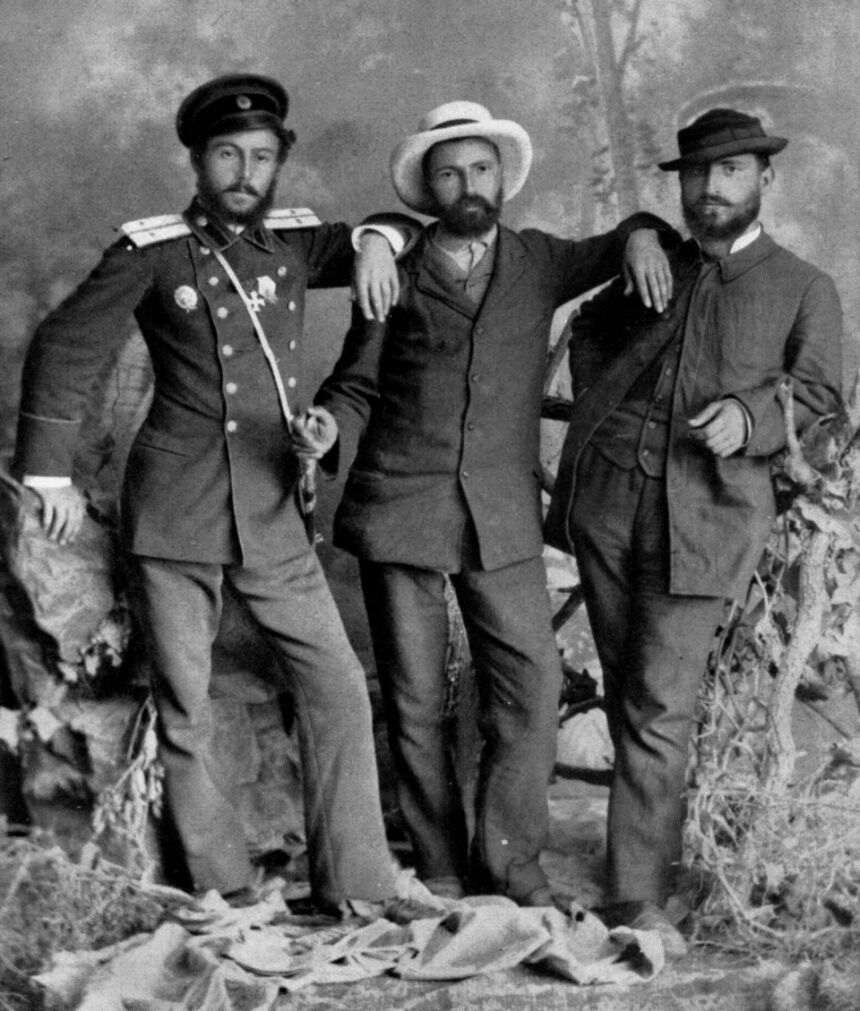
Born there in 1850 as Dzhendo Stoyanov Dzhedev, he later adopted the name Zahari. His early life was marked by poverty and shepherding. He gave it considerable space in his Notes, describing that world before turning to revolutionary activity and the Stara Zagora and April uprisings. Like other survivors, he entered public life in the new Bulgaria and underwent an extraordinary transformation.
The hunted rebel became an influential journalist,
writer and politician. Alongside his role in Unification, he served in parliament and became its speaker. His enduring literary achievement was the three-volume Notes on the Bulgarian Uprisings, first published between 1884 and 1892, with the final volume appearing after his death. The work preserved people, voices and experiences that might otherwise have disappeared.
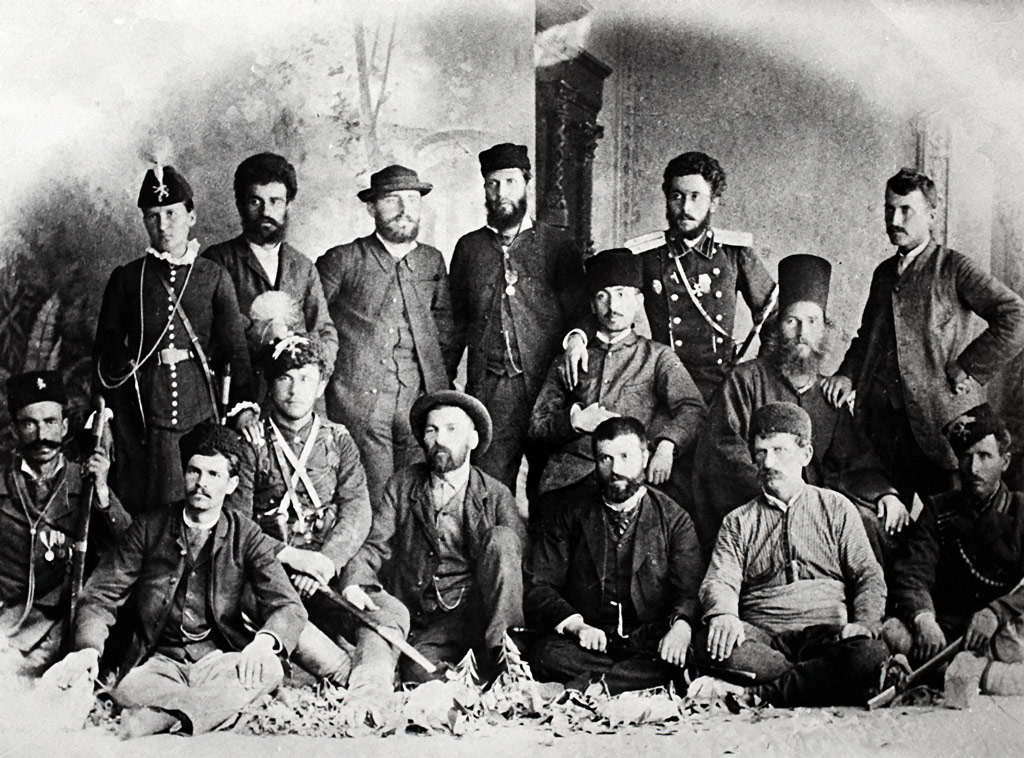
His early biographies of Vasil Levski and Hristo Botev also helped shape Bulgaria’s memory of its revolutionaries. Political life brought dangerous enemies as well as influence, and rumours of poisoning followed his death in Paris.
Rumours, however, are not an established account of murder.
His private life took him from a poor shepherd’s background into one of Bulgaria’s respected National Revival families. His wife Anastasia Obretenova was the daughter of Baba Tonka of Ruse and sister of his friend Nikola Obretenov.
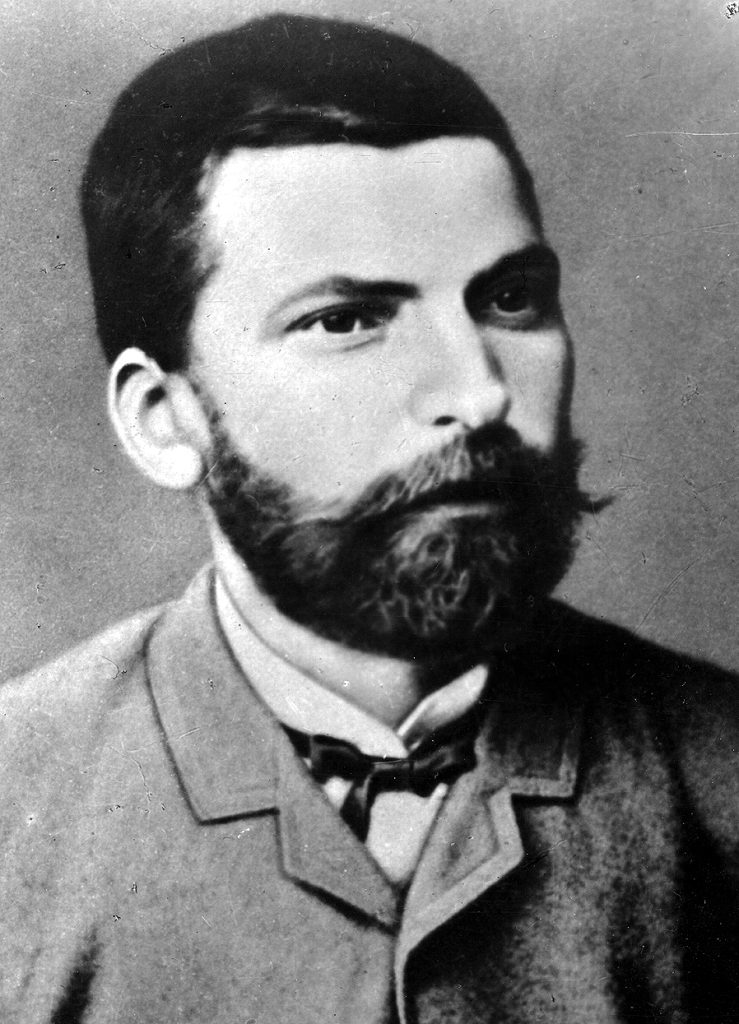
Zahari and Anastasia had a daughter, Zaharinka, who later gave the family house in Ruse to become a museum. The building preserves the memory of both the writer and the Obretenov family. The shepherd Dzhendo, who acquired a life fit for a film,
showed how far determination and a hunger to learn could carry a person.
Born into poverty, he died in Paris in 1889 as a writer, national figure and senior politician. Like Aleko Konstantinov’s later death, his felt painfully premature, leaving an absence larger than the life’s short span might suggest.
Hristo Botev and our uneasy conscience
What’s happening in the city? Follow GoGuide on Instagram to hear about it first.
Subscribe to our YouTube channel for a closer look at the city, and a wider view.