Hristo Botev, and the conscience that will not sleep
Stefan Tsanev’s The Spirit of the Poet asks what happens when a nation’s hero comes back to question it.
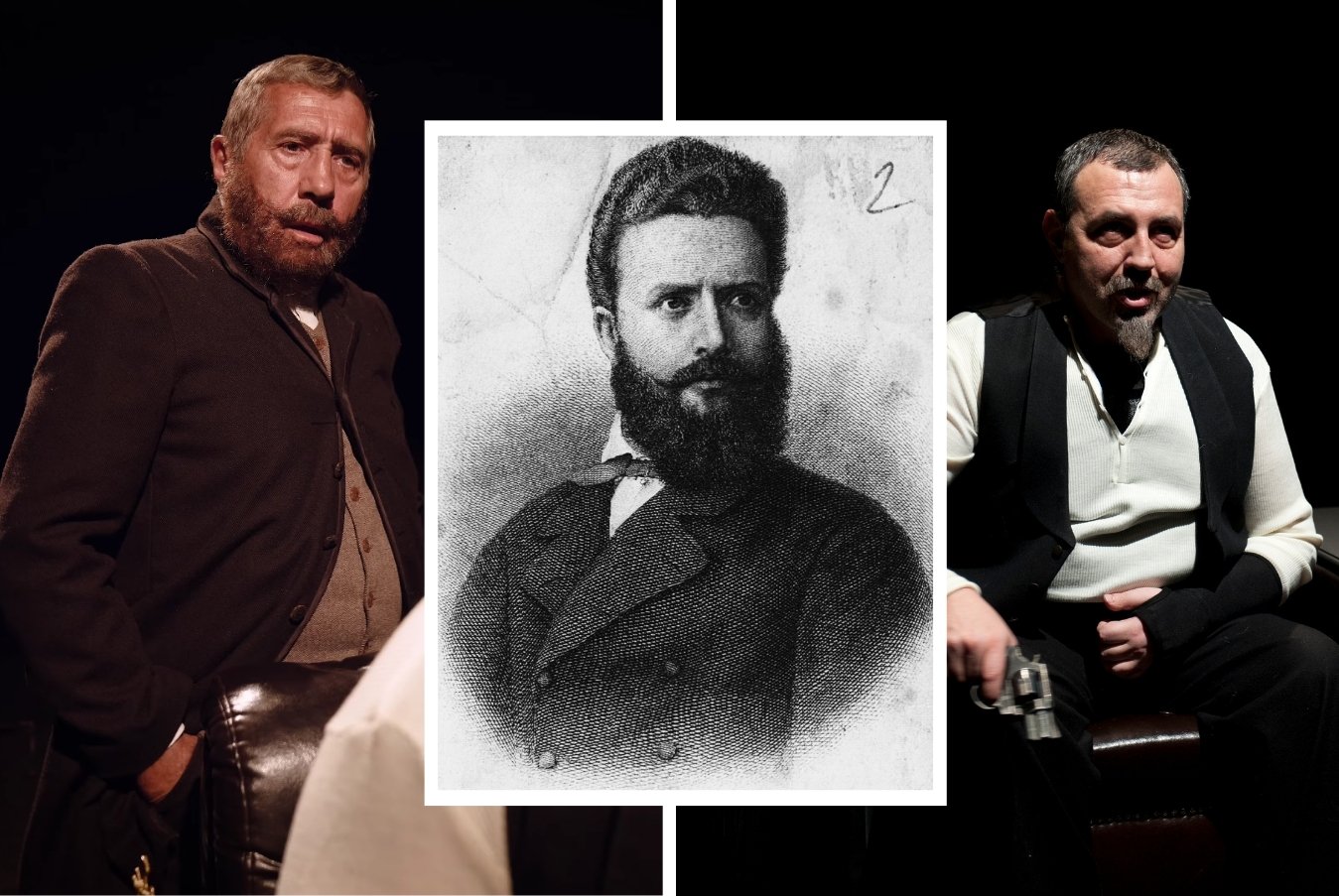
In the imagined world of the play, sixteen years have passed since the uprising.
A man arrives at the door of Stefan Stambolov, once a revolutionary and now prime minister. He claims to be the poet whose portrait appears in the schoolbook. But Hristo Botev died in the fighting, somewhere high in the mountains. To unravel the mystery, another figure arrives: Zahari Stoyanov, whose writing helped establish Botev in the national memory. Did anyone see him dead? There were witnesses, but their accounts did not agree.
One described a wound to the forehead, another to the chest.
The characters revisit the uncertainty: darkness, fighting that had subsided, the difficulty of a shot from a distance, the absence of a known grave. Could he have survived? Rumour supplies another story, a traveller who encountered someone abroad who looked like the man in the schoolbook but did not want to come home. Now that man appears to be standing at an old friend’s door.
This is fiction, drawing on historical people, events and rumours. Stefan Tsanev’s The Spirit of the Poet gives it theatrical life. The National Theatre production discussed here was directed by Margarita Mladenova, with Hristo Mutafchiev, Valentin Tanev and Pavlin Petrunov. The play’s premise is imaginative, but the persistence of stories about Botev’s survival is part of the history of his public image.
One such rumour placed a living Botev somewhere beyond Bulgaria,
ready to return and demand an account from former revolutionaries who now held office and enjoyed its privileges. In that story, he becomes their guilty conscience. Other early rumours claimed he had been captured and exiled to Diyarbakır. These are rumours about a death, not evidence that he survived it.
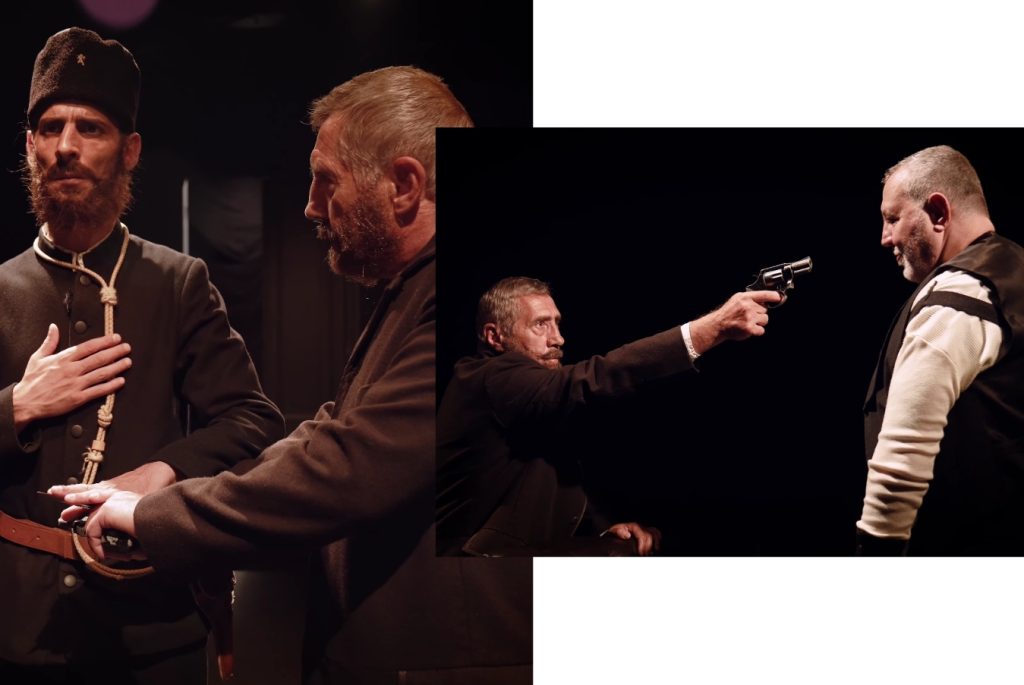
We find it difficult to accept the loss of heroes. The play asks a more uncomfortable question: does death help make them heroic? Its Stambolov argues that Stoyanov’s writing has made Botev immortal, and that a living man might have occupied a less convenient place in national memory. We cannot know the alternative life. Revolutions consume their children in different ways.
Poet Geo Milev called Bulgaria a land of murdered poets.
Must that remain its story? In Tsanev’s drama, even the suggestion that Botev might have been killed by his own men becomes politically dangerous. Death at an enemy’s hands preserves a heroic image; betrayal implicates the nation itself. Stambolov and Stoyanov face a cruel dilemma: for the man to return, must the myth die? Keeping the poet safely immortal may be more convenient for those still alive.
The play’s political world can feel uncomfortably close to our own.
We still need figures against whom to measure our ideals. Mutafchiev’s character speaks of a public that has stopped filling the squares with cries of approval and protest, a public that sleeps. Sleeping citizens may suit governments, he suggests, but their passivity can still provoke anger. The line reaches beyond its historical setting.
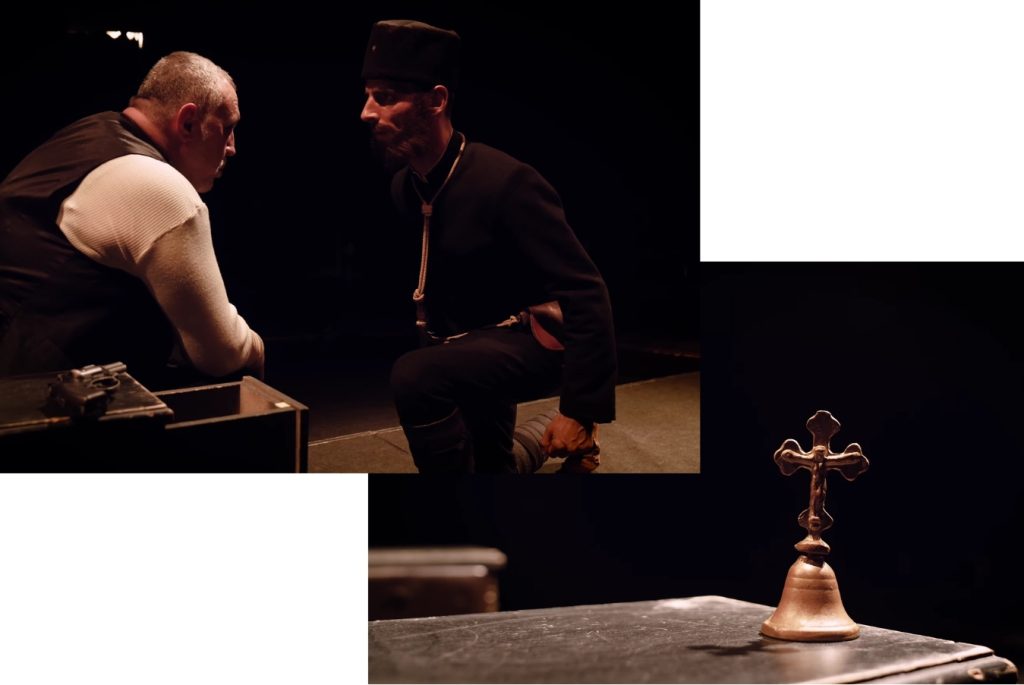
On 2 June, when Bulgaria remembers Botev and those who died in its struggles for freedom, the poems ask something of the living as well. I would like us to be a little less asleep.
Does Botev enter our dreams too,
as he enters Stambolov’s in the play? And does the poet’s spirit still live somewhere, in someone?
Violina Dotseva: from the pavement to playing Lili Ivanova
What’s happening in the city? Follow GoGuide on Instagram to hear about it first.
Subscribe to our YouTube channel for a closer look at the city, and a wider view.