Dimana Yordanova: “Every person is an entire unwritten library”
Between the pages of a poet’s life.
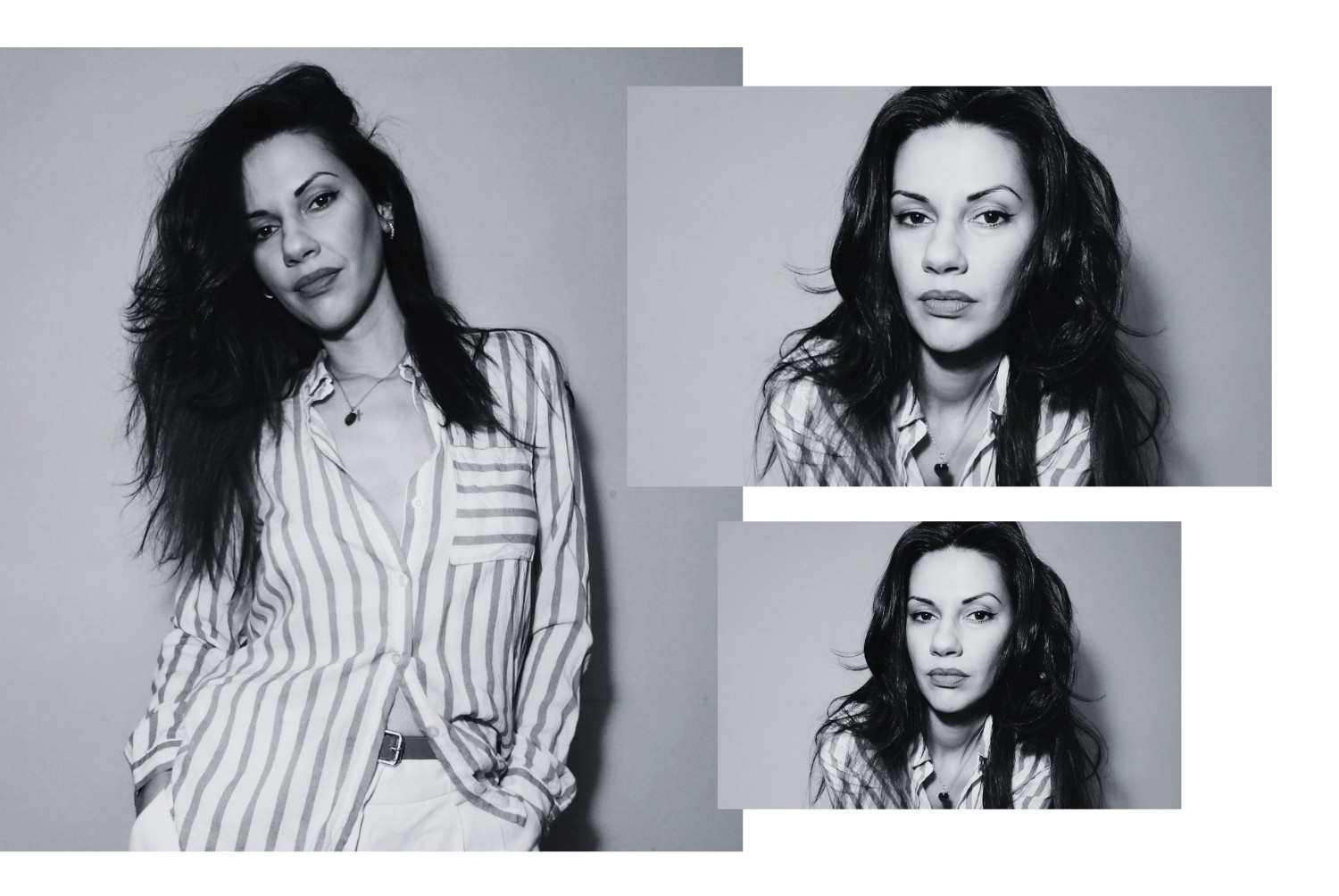
Dimana Yordanova made an immediate mark on Bulgarian literature with her first poetry collection, The Woman and the Men I Have Been.
Five more books followed, including one for children. Her latest collection, Someone Else Always Dies, brought us together for this conversation. Awards and translations are part of her biography, but they explain only so much. Hers is a powerful, distinctive voice, turning pain and beauty into words that pierce the membrane of perception. Bulgarian National Television’s documentary If There Were a Film About Me ventures into that ocean of metaphor. Yet perhaps wonders need not be explained. As she puts it, poetry will not save the world; it will remind the world why it is worth saving.
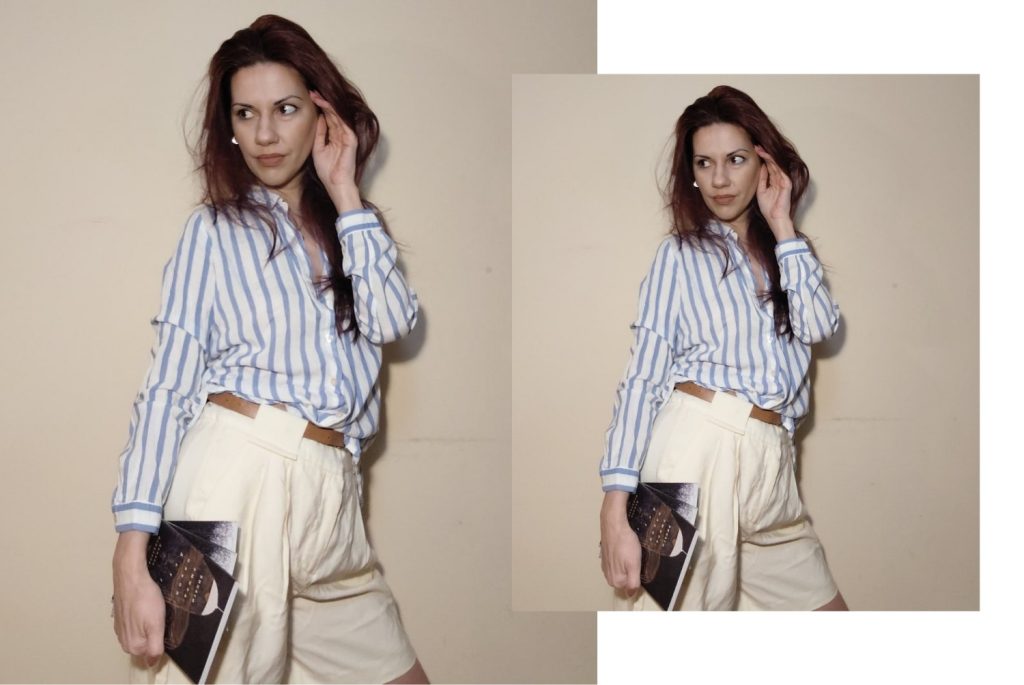
Your remarkable new collection, Someone Else Always Dies, followed a period when you had sworn you would stop writing. What made you stop, and what brought you back?
People often imagine writing as a blessing that is always there. For me it is a living organism that will not tolerate force. If I force it, I write rubbish. I have often said I would stop, not because I had lost my love of writing, but because I had broken the connection with myself. Life had left me so depleted that writing felt dishonest, as though I were describing feelings I could not feel. Loss, disappointment, illness and fear can leave you without the desire for anything.
Then you understand that silence is part of writing.
Sometimes you have to be quiet to hear what you actually need to say. Later, a phrase pursues me for days. An image will not leave me alone. And things happen.
When did you first feel that poetry was how you wanted to speak to the world? Do you remember your first poem?
Even as a child, I felt words had colour, temperature and texture, beyond their use in communication. Some brought me to life; others made me ill. I was connected to them back when we kept diaries and filled in school friendship books. In fifth grade I wrote my first poem, about Don Quixote. The teacher thought I was passing a note and snatched the paper. Then she read it and told the class what I was writing. I think they laughed, but she looked approving. I have always known poetry is not a talent for pretty language. It is the ability to bear the truth about yourself and the world. The more honest you become, the less decoration you need. These days I delete far more than I write. I have learned not to trust the first splendid metaphor. If beauty is all a poem has, it probably will not survive. Poetry is not a genre to me, but a way of looking at the world. Not merely something you do, but a way of existing.
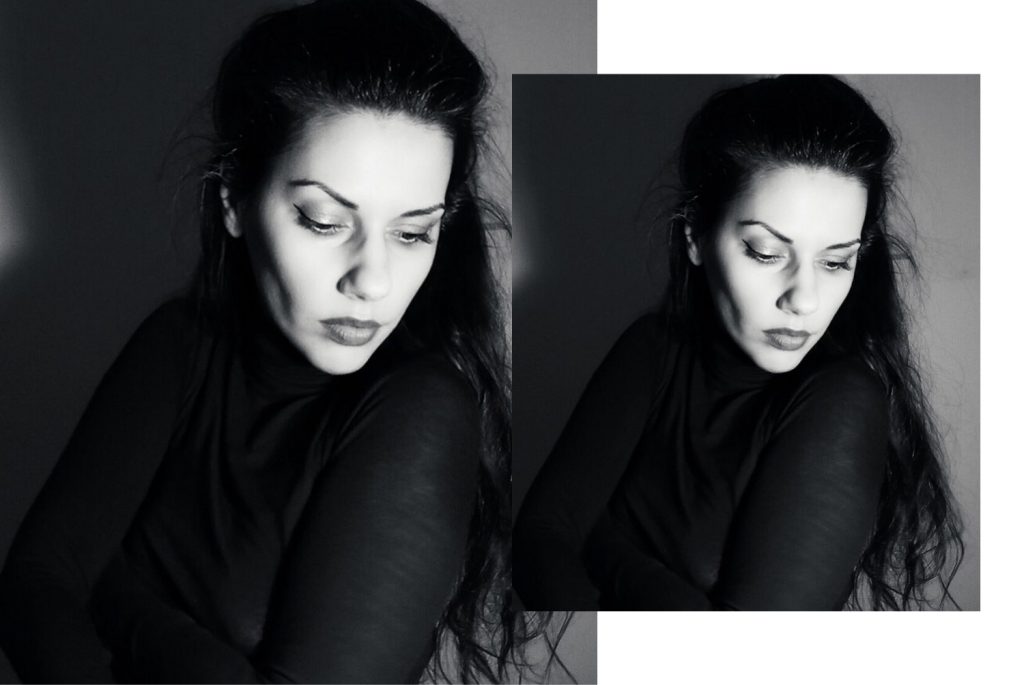
What happens before you sit down to write? Is there a ritual, a state of mind, or do the words arrive unexpectedly?
I do not much believe in the romantic idea of inspiration, the heavens opening and God pouring something into your head through a funnel. Words pursue me more like hungry jackals. Images repeat in my mind: trams, windows, a broken glass, the exact temperature of someone’s hands, the smell of freshly washed hair, a final conversation that never happened. Then rain, and more rain. I can carry all this for hours, even days. Eventually it becomes clear that something insists on being said.
I think the most important state before writing is vulnerability.
Not sadness, or even a readiness to defend yourself. Vulnerability. Including the vulnerability of beginning without knowing what will emerge. If you know everything beforehand, you may produce a declaration rather than a poem.
In a world where almost everything seems to have been told, which subject can never be exhausted?
The idea that subjects run out is a great misconception. They do not, nor do the ways we chew them over. That is what is astonishing about art. We have written about love and death for thousands of years. If originality depended entirely on subject matter, literature would have ended centuries ago. Poetry predates the Common Era, after all. What is new comes from the person speaking. No two people love in exactly the same way or experience an identical loss. The stories may resemble one another from outside, but the inner landscape is always different.
Every person is an entire unwritten library.
And there is always a room nobody has entered.
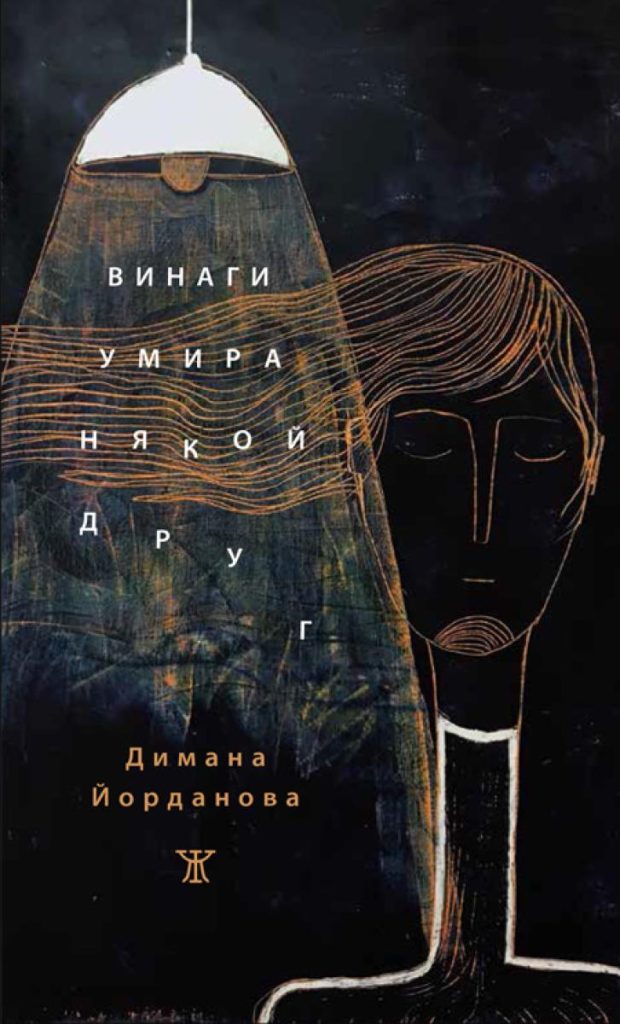
Do you write poetry just for yourself? Is it different from what reaches your readers?
Every poem begins as a conversation with myself. I avoid thinking about its reception. I cannot afford to think of the reader at that early stage. Some poems never get published, of course: perhaps I dislike them, or perhaps they belong to one particular moment in my life. They are letters that were never meant to be sent.
Which poet or book changed your understanding of what language can do?
It is hard to choose one. Different writers have shown me different possibilities at different times. Great literature does not simply demonstrate mastery of language. It makes you feel, after the last page, that you see the world slightly differently. As I like to say,
poetry begins after you close the final page of the collection.
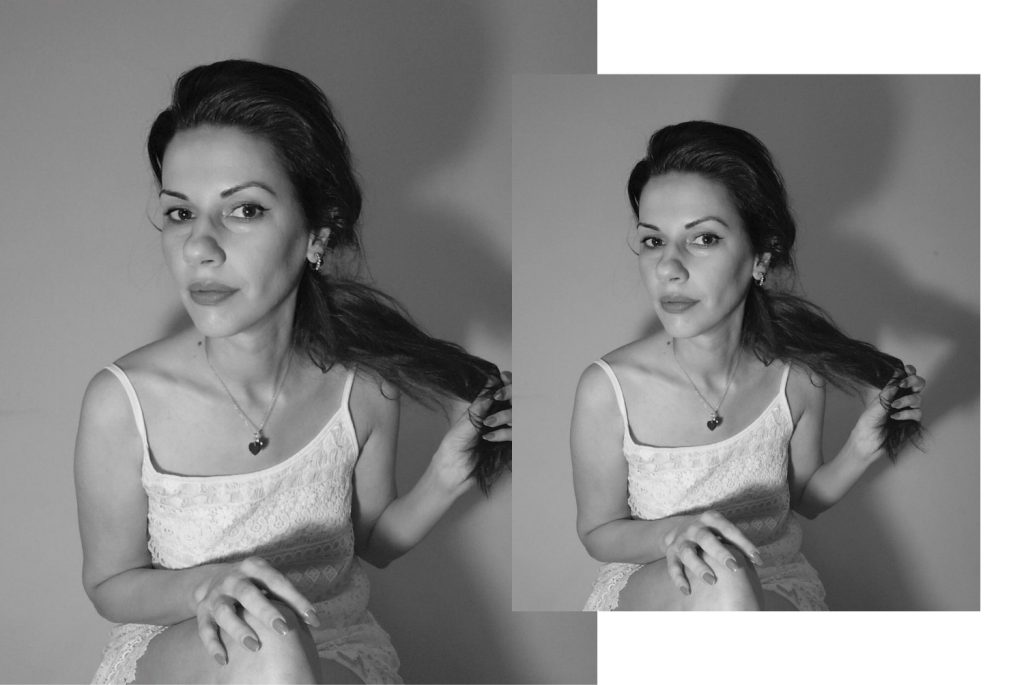
People take courage from your openness online about illness and other difficulties. Why do you think honesty and vulnerability still frighten us?
I cannot speak for everyone. For me, pretending costs more than being vulnerable, raw and honest. Almost everyone is trying to look successful, happy and unshakeable. Nobody is all those things all the time. When someone allows themselves to tell the truth, they give others permission too. If my words have helped even one person feel less alone, it was worth it.
What has surprised you most about yourself and the world through the upheavals of recent years?
That we can endure far more than we think. I was certain there were things I would not survive. Then I survived them, and could laugh, sing, dance, long for things and kiss again.
I also discovered that I do not have to emerge from every disaster unchanged.
We can leave an earlier version of ourselves behind. Fuck it. What matters is remaining ourselves at the core. Who we are there becomes clear along the bloody route.
You sometimes share videos of yourself singing, beautifully. What else brings you ease and joy?
Anything to do with art: writing, singing, painting, dancing, watching good films, contemplating talent in all its forms. Walks, meaningful conversations, the smell of rain on asphalt, coffee, laughing until I choke, crying until I fall asleep. And, if I can manage it, being a good person most of the time.
Can words heal? What is the loveliest thing anyone has said to you, and what do you most often tell yourself?
Love heals. Words can declare it, but showing it takes more. I do not know the loveliest thing I have heard. Perhaps “I will not let you go”, or “You are the only person I can do this with”. Things that make me feel I have a unique place in somebody’s soul. Words that suggest I am hard to replace, hard to give up. What I most often tell myself is that God loves me: the only one who can love everyone and still love you, personally, most of all.
Vasil Popov: “Reality usually turns out to be the most frightening thing”
What’s happening in the city? Follow GoGuide on Instagram to hear about it first.
Subscribe to our YouTube channel for a closer look at the city, and a wider view.