Between the sea and surrealism: Cadaqués
Desislava McIlwraith explores the town that inspired Dalí, Picasso and generations of artists
Photos: Kerr McIlwraith
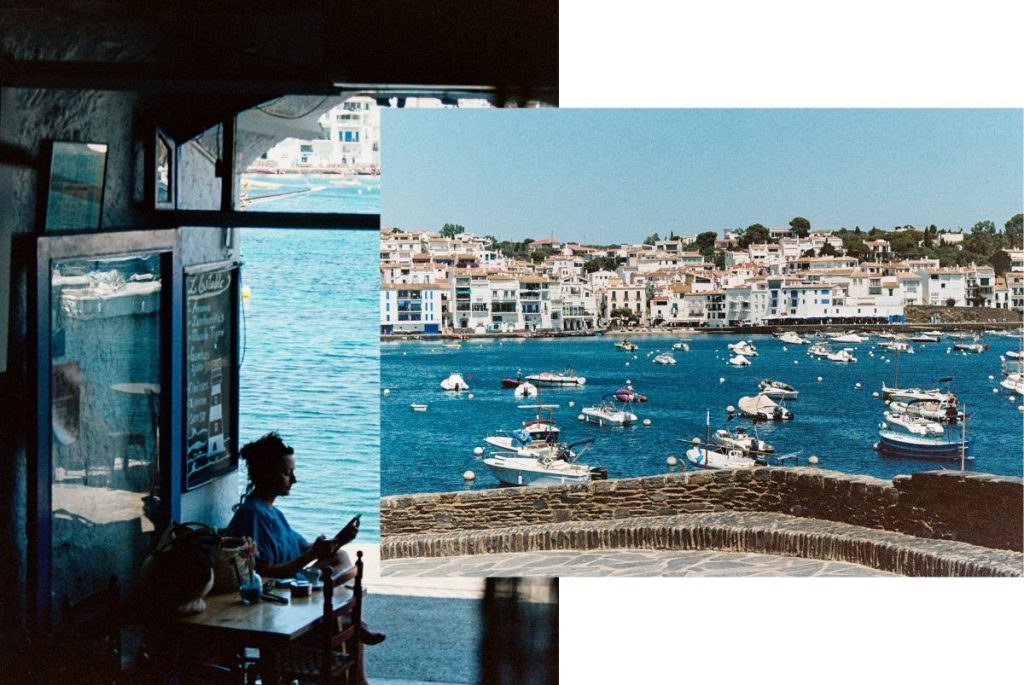
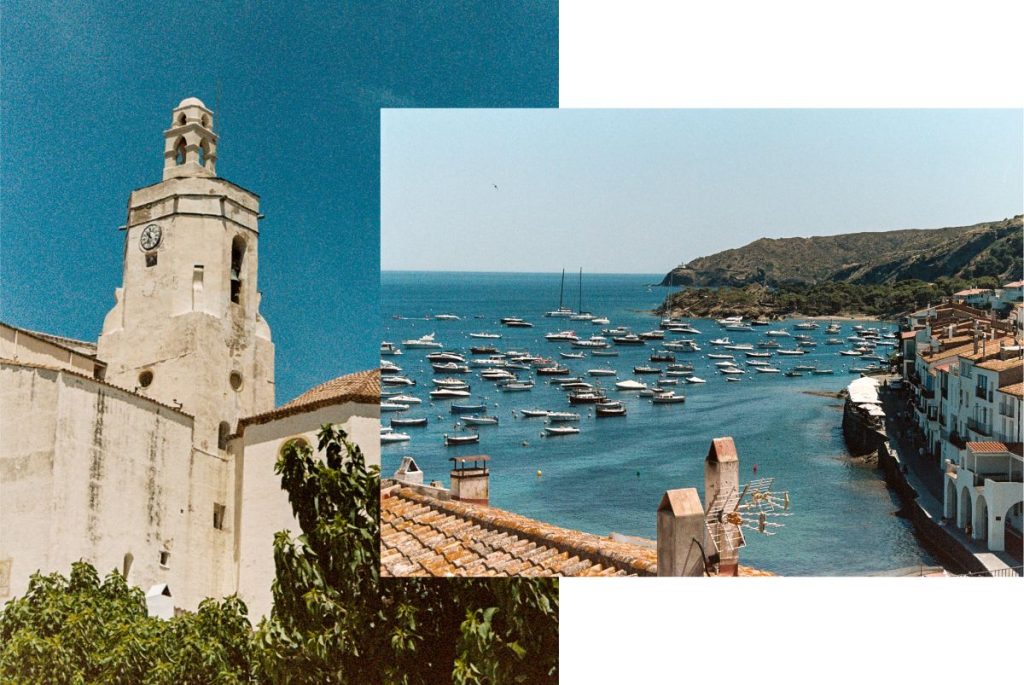
Cadaqués is one of those places that catches your attention as soon as you hear about it.
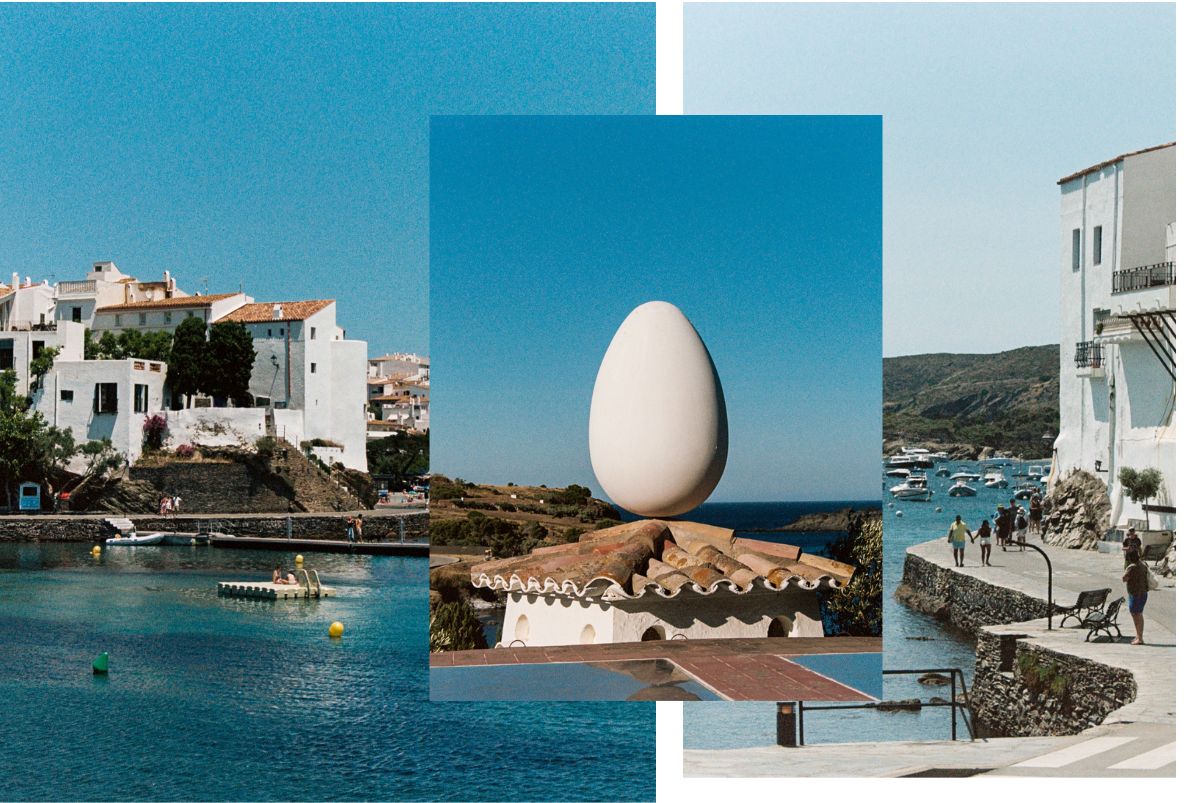
A few years ago, my husband gave me a photographic travel book from Apartamento Magazine, a collaboration with Coco Capitán, who had photographed Salvador Dalí’s house museum in Portlligat, minutes from Cadaqués. It looked like a portal into his fantastic world. His fascination with eggs is obvious from the roof alone. Cadaqués has long drawn artists, the avant-garde and an affluent creative crowd. Picasso spent the summer of 1910 here; Marcel Duchamp returned for summer stays from 1958 and played chess in a local bar. Joan Miró, Max Ernst, René Magritte and other surrealists also came. Something about this Catalan corner of the Costa Brava has a pull.
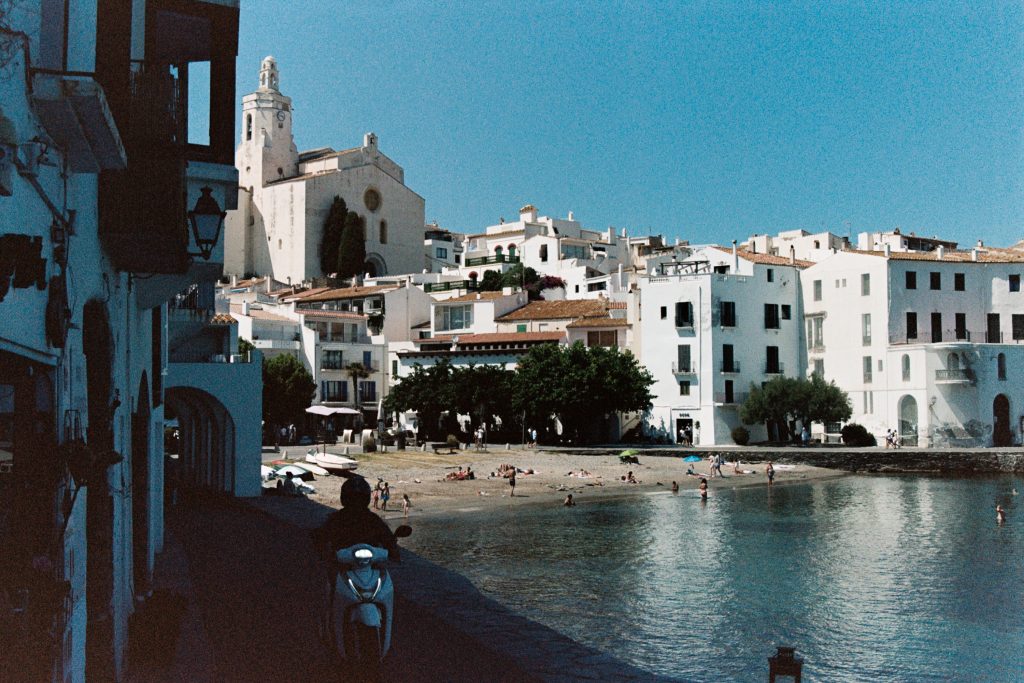
Years later, I happened to see a friend had arrived there. I booked a birthday trip and followed. Cadaqués is much more than a pretty coastal town surrounded by Cap de Creus Natural Park.
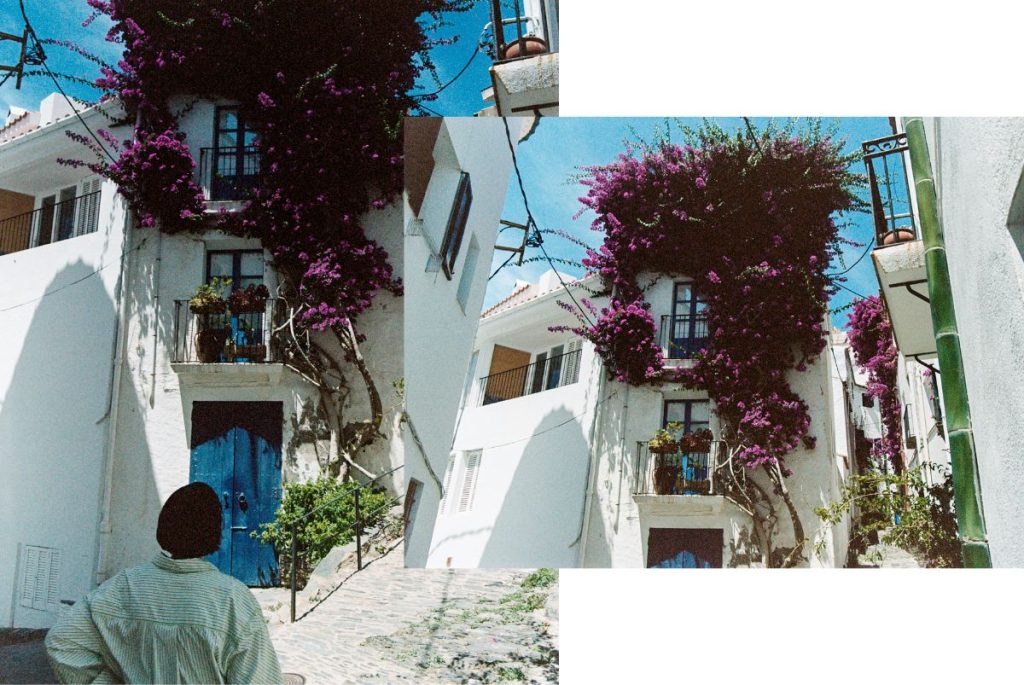
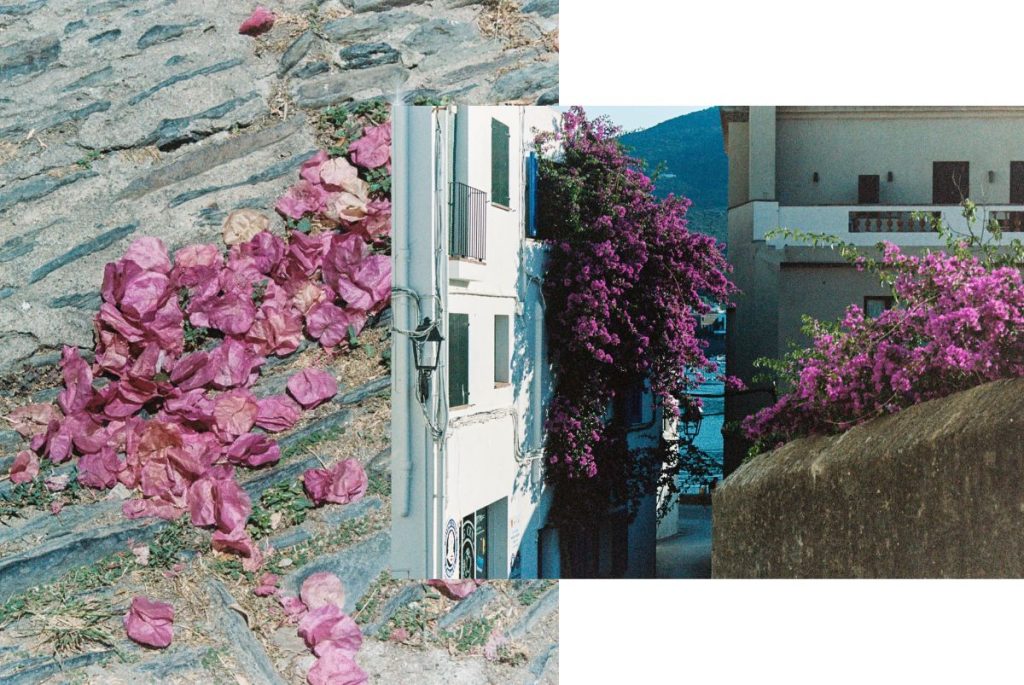
It has a spirit of its own, in the narrow cobbled lanes
where donkeys once carried loads up steep slopes, and in a history of trade with Cuba. In northeastern Catalonia, within reach of the French border, it holds a sense of both age and modernity.
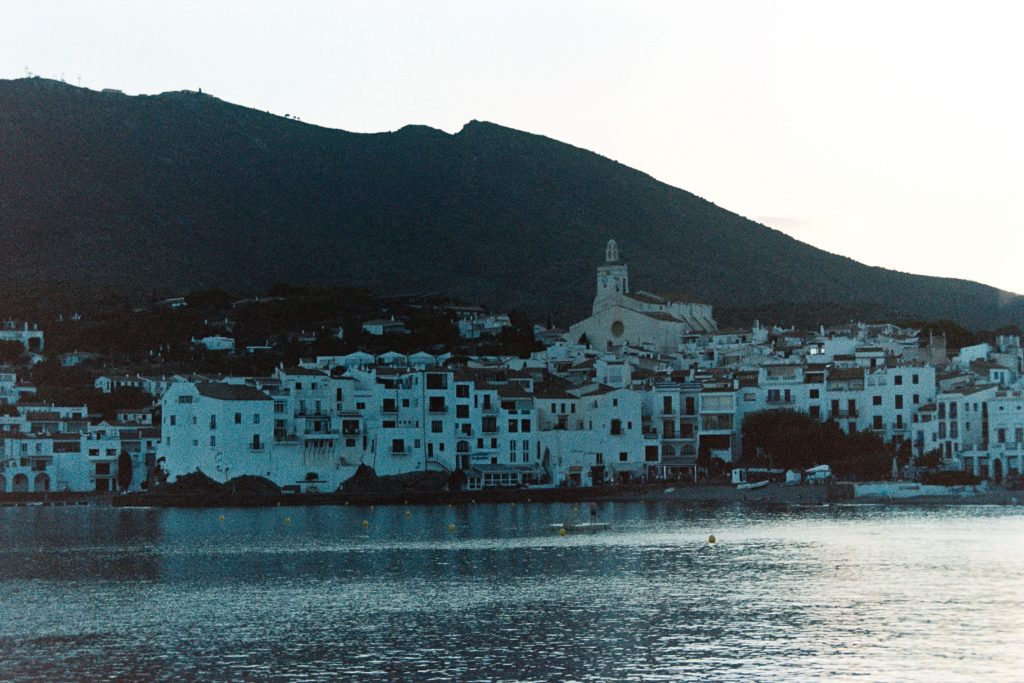
Some put that down to its relative isolation. Girona is the nearest international airport cited in the route, with a drive of nearly two hours. For some, that’s an inconvenience;
for others, the distance has helped Cadaqués keep its character.
Getting there takes a little effort, perhaps part of what makes it special. Walking around, I found local favourites that strengthened my first impression.
Pepa
Start at Pepa for the town’s stylish, artistic side. Open since 1974, the shop has a distinctive atmosphere, pairing luxury names such as Loewe with contemporary Spanish brands including Blanca Miró’s La Veste.
S’Espardenya de Cadaqués
Before the trip, I found photographs of Dalí in wonderfully chic lace-up espadrilles, paired with leopard print and sailor stripes. I wanted those shoes, and learnt they were classic Catalan espadrilles.
Looking for somewhere beyond a souvenir shop, I found S’Espardenya de Cadaqués. The assured woman working there insisted I take a size smaller, against my instinct, because they would stretch. She was right.
Then she showed me how locals tie the ribbons.
Part vintage boutique, part specialist shop, with a huge choice of colours, it was exactly what I wanted, away from the crowds.
Colmado
For beautiful home objects, natural fabrics, rattan and easy Mediterranean interiors, visit Colmado. Whether it’s a wash bag and beach towel for a gift or a jute rug for home, leaving empty-handed takes some resolve.
No7
Created by fashion stylist Belén Casadevall and inspired by Cadaqués, No7 offers a local take on relaxed Mediterranean style. A limited selection includes jewellery, T-shirts and its own fragrance. A small shop with plenty of character.
Mut Bar
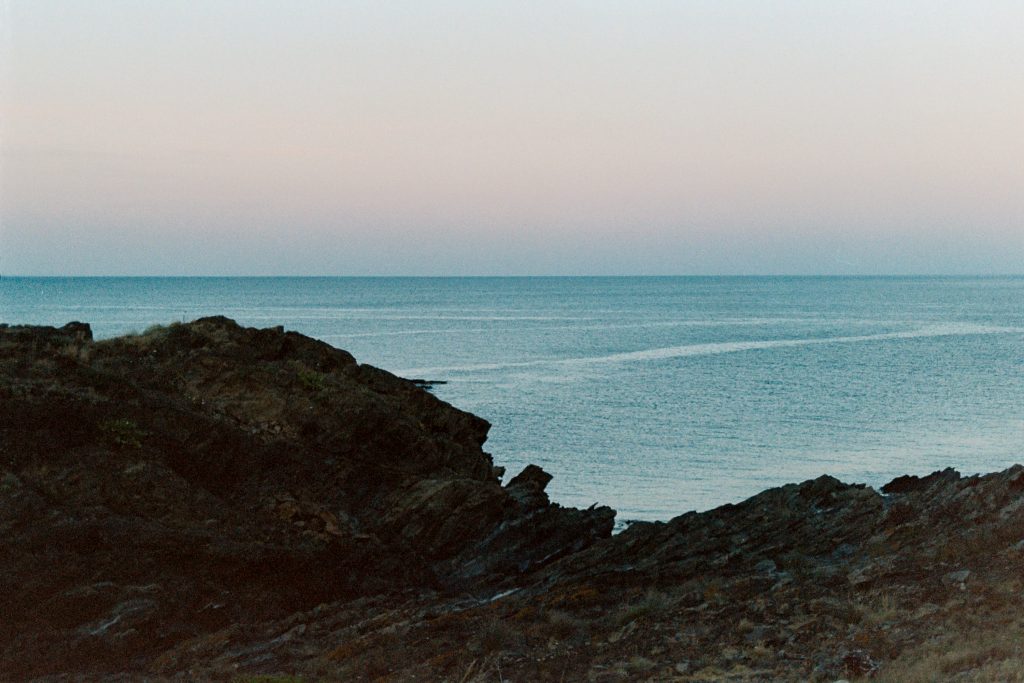
Beside Pepa, Mut Bar is a good stop for an evening aperitif or a light bite. From the terrace, watch the sun disappear behind the town’s hills. A simple pleasure that gives the day a little more flavour.
Bar Melitón
My favourite tapas-and-drinks stop turned out to have been Marcel Duchamp’s favourite bar. During his summer stays, he played chess at a table opposite. It’s easy to imagine the years passing without changing much of the atmosphere.
Salvador Dalí House Museum
Finally, the home of Dalí and Gala, one of the 20th century’s extravagant and controversial artistic couples, who lived by their own rules.
The house reflects Dalí’s inner world.
It’s easy to understand why he largely stopped living here after Gala’s death: the place had become a shrine to their life together. Instead of conventional guest rooms and bedrooms, there’s a labyrinth of unusual spaces, narrow passages and tucked-away corners, designed for inspiration and amusement as much as practicality. Giant eggs crown the roof, one of Dalí’s most recognisable symbols.
I wanted to return before I’d even left. Cadaqués has a particular quiet, removed from big hotel complexes and commercial restaurants.
But the people made the strongest impression.
Welcoming, smiling and considerate, they reminded me how much the encounters along the way shape a trip. Cadaqués owes much of its character to people who are proud of, and deeply connected to, the place they call home.
Through the layers of a new Prague: history, food and tradition (in Bulgarian)
What’s happening in the city? Follow GoGuide on Instagram to hear about it first.
Subscribe to our YouTube channel for a closer look at the city, and a wider view.