A slightly disreputable history of riding around Sofia
There was a time when fifty stotinki could get us through an entire week. A personal account of public transport and growing up.
Photography: Sketches of Sofia
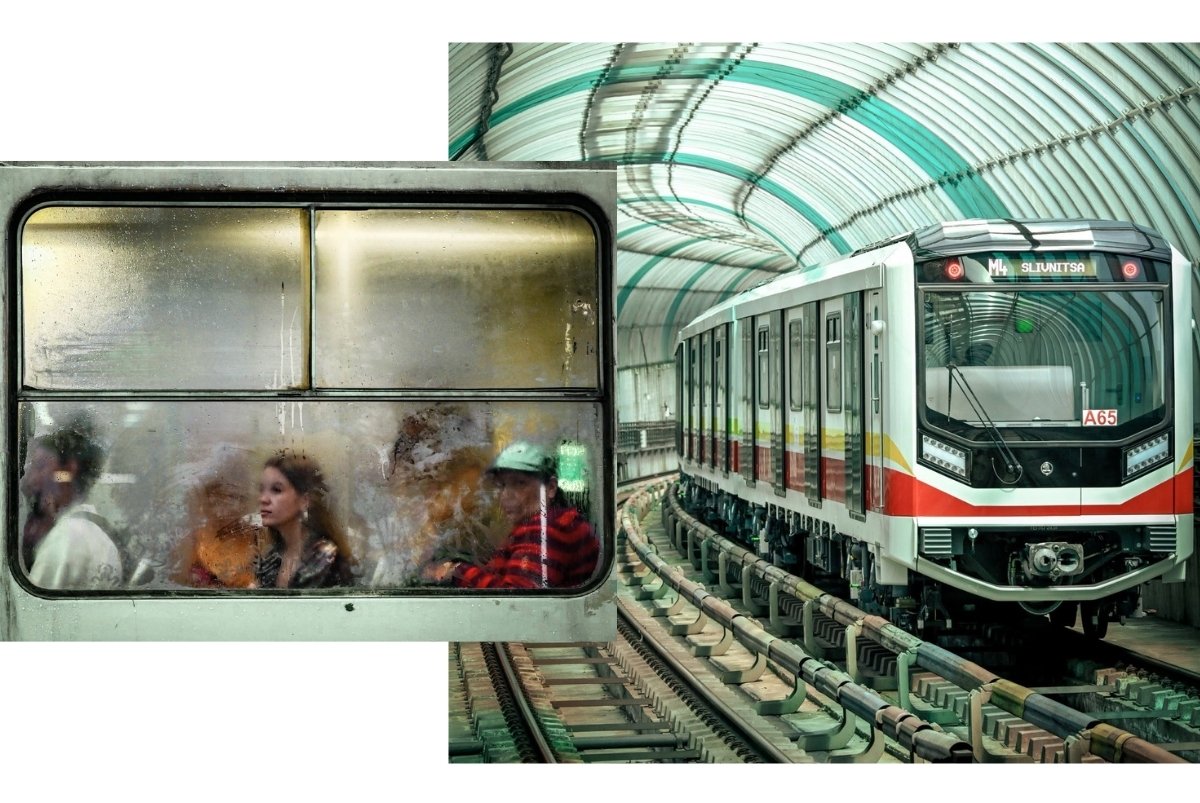
I belong to the generation that breathed a collective sigh of relief when the metro finally reached Mladost.
It ended an era of endless traffic and interminable waits at bus stops. Hot windows gave way to air-conditioned carriages; the crowd suddenly seemed younger, smarter, dressed for work or a night out. Even then, I could hardly imagine how much easier getting across Sofia would become. Compared with the monthly travel passes our parents used to talk about “in the West”, ours still felt remarkably affordable. Some people may already have forgotten Sofia’s marshrutki, the shared minibuses that once hurtled around the city. They offered a useful test: survive the entire journey from Mladost to New Bulgarian University standing up, and you were ready for NASA.
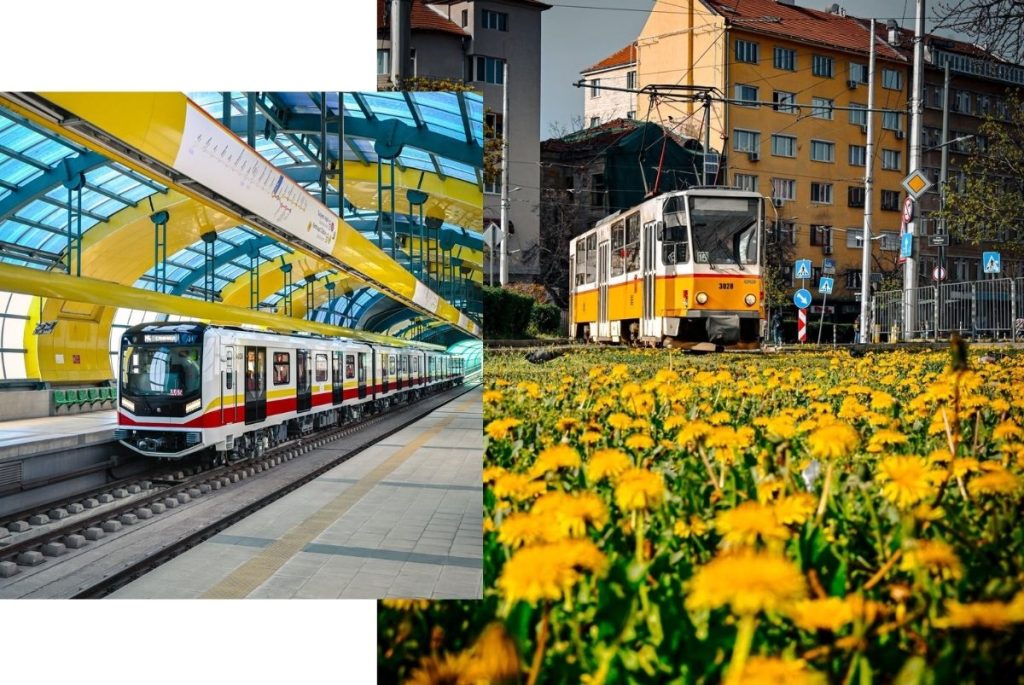
Even the luxury of the metro can grow familiar. Sooner or later, you need to reach a neighbourhood the train has not yet blessed. I recently boarded a tram and immediately walked into a classic exchange, as heated as the vehicle’s metalwork.
“Madam, use some soap!” someone shouted.
Before I had recovered enough to sit down, a ticket inspector at the other end was arguing with a passenger. “So how much is the fine now?” the man asked meekly. I realised I had used a travel pass for so long that I no longer knew. It brought back memories. These days I sit there with a valid pass, sometimes even a book or a Kindle. It was not always like that.
I used to be a public-transport rebel.
I hated punching tickets. Waiting in the heat or cold for a rattling old bus was, I firmly believed, not worth fifty stotinki, or the lev it later became. I was a committed fare-dodger, unwilling to waste pocket money on such things and permanently alert to the sight of an inspector’s blue shirt or waistcoat.
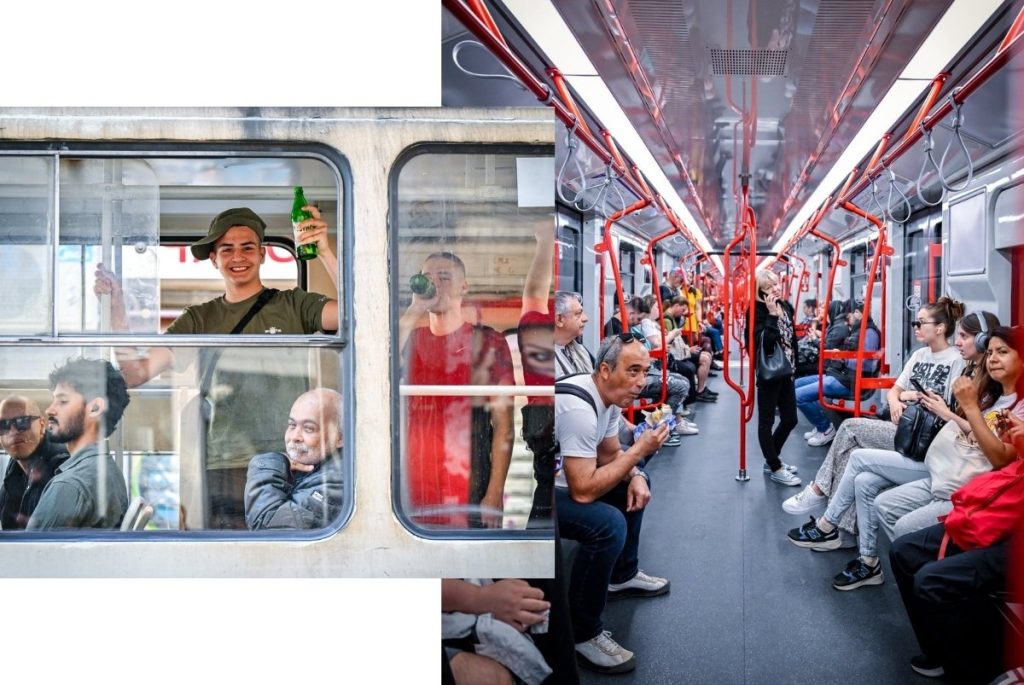
My younger self treated it as a game. I would buy and punch a ticket early in the week, then keep using it until someone checked it, sometimes weeks later. When caught, I would pretend not to understand why the holes did not match the punch on that particular bus, then try to settle things with a lev. In my own imagination, I was quite the operator: messy hair, hoodie, trainers. There were long arguments and undignified dashes through underpasses.
Once, I was thrown off three times on a single trip to the railway station and back.
There was not much reading on those journeys either. Studentski Grad was a long way away, and my friends and I sometimes started the evening with a miniature of cheap Bulgarian spirits on the bus. I remember having excellent nights out with eight leva in my pocket, but that belongs in another nostalgic confession. Things changed. The metro arrived partway through my student years, and I bought my first pass. I travelled in peace and began improving myself with Cervantes.
Bulgaria’s fictional boor Bay Ganyo had started reading Don Quixote.
What I missed about travelling above ground was the cast of characters. Think of the people you encounter on a trolleybus compared with the metro. The former might have stepped out of a Russian novel or a comic book, each with a story and a personality. The metro fills with immaculate young people on their way to work or a date. Its interactions have a certain sterility. Nobody speaks unless they are apologising for stepping on someone’s foot when the train brakes.
Above ground, it is the opposite. Nobody apologises, even if they flatten you.
They certainly do not apologise for dragging you into a political argument. The real surprise, though, is how much the transport itself has improved. More comfortable vehicles, more predictable services, and displays at bus stops that offer arrival times as well as festive greetings. There are apps too, making it much easier to see when the next bus is coming.
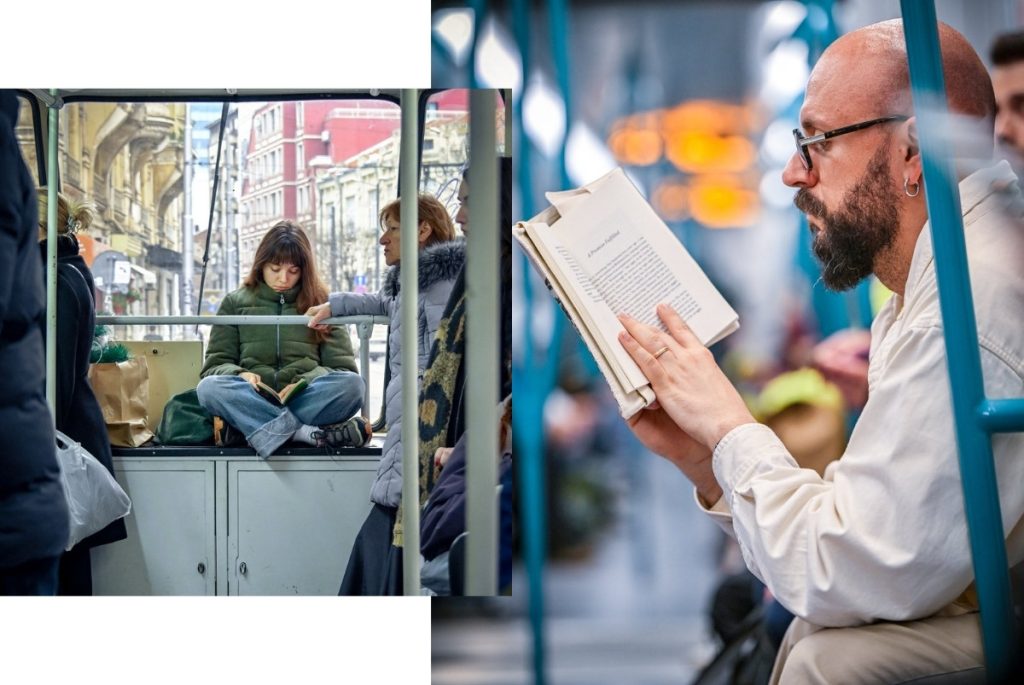
Everything has its time and place. In the Sofia I love, I can now choose between metro, trolleybus, bus and tram. When I am in a hurry, the metro carries me into the centre in eleven minutes. When I want to see the city’s colours and mix with its inhabitants, I take a trolleybus and collect stories for dinner or a column like this one. Always with a ticket or pass, these days. In fact, I should stop writing. Standing opposite me is the inspector who charged me ten leva for my first fine fifteen years ago, waiting to check my pass. Ah, memories.
What’s happening in the city? Follow GoGuide on Instagram to hear about it first.
Subscribe to our YouTube channel for a closer look at the city, and a wider view.