The cities we land in but never stay in: part 1
Bergamo, Memmingen and Eindhoven deserve more than a bus stop on the way elsewhere
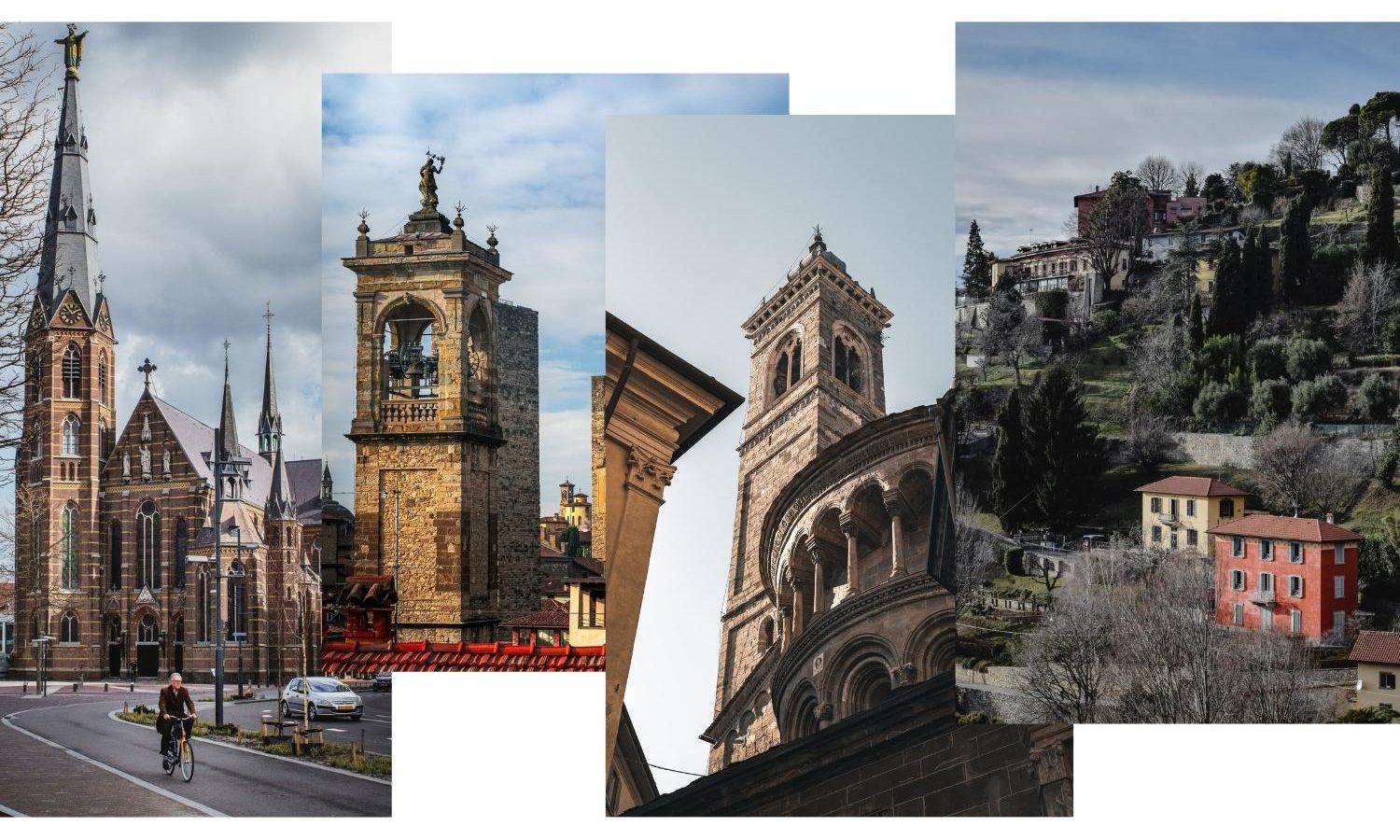
Some cities become familiar names without us ever visiting them.
We’ve seen them on boarding passes, departure boards and the small print beneath an enticing €29 fare. We land, collect our bags and look for the bus to Munich, Milan, Venice, Barcelona, Amsterdam or Brussels. In our heads, the airport town is just the gap between the plane and the real destination. What if we didn’t rush? What if we missed the first bus and left the suitcase in a hotel for a night? Some of Europe’s most overlooked cities have medieval centres, serious museums, local dishes and neighbourhoods more interesting than another queue at a landmark that will still be there tomorrow. Next time you land, consider staying.
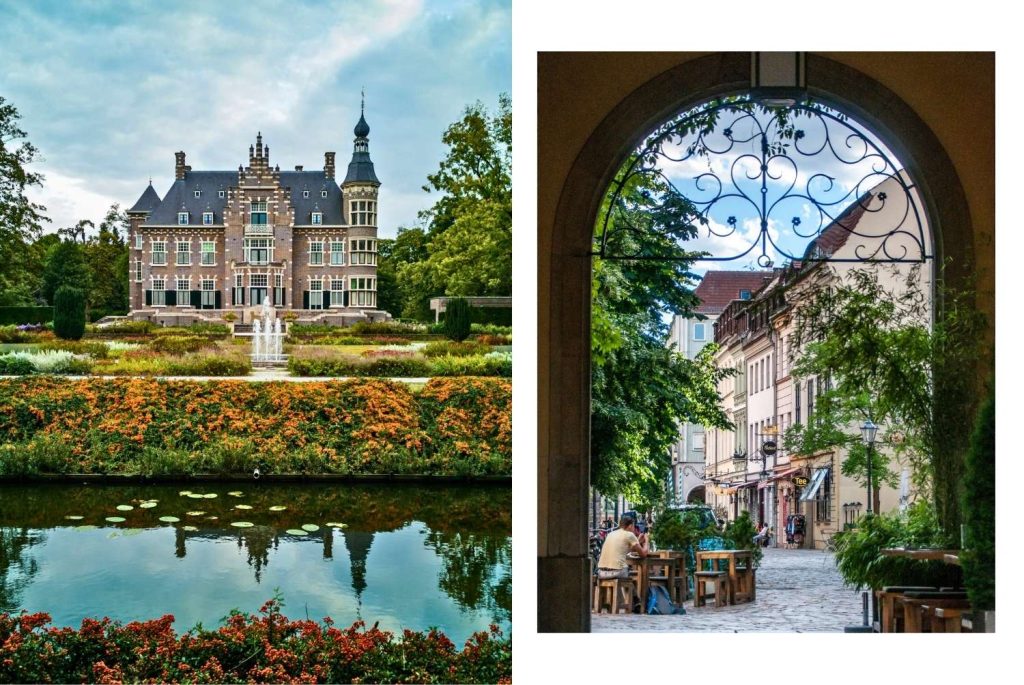
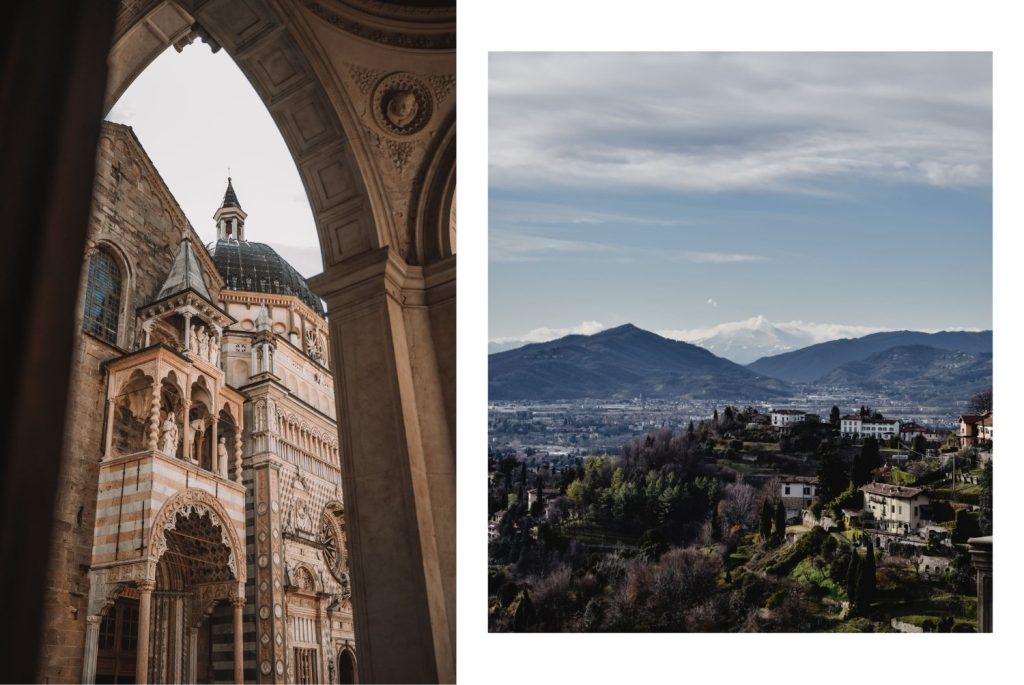
Bergamo is the city we handed to Milan. We book for one, arrive in the other and move on. Yet a few kilometres from the airport is enough for a weekend. Bergamo has two faces: Città Bassa below, with shops, bars and a quiet everyday rhythm; and Città Alta above, the old town inside Venetian walls. Take the funicular and spend a few hours without a plan. Historic squares, Santa Maria Maggiore,
narrow streets, stone façades and views across Lombardy
change what “Milan airport” means. This is home to casoncelli alla bergamasca, meat-filled pasta with butter, sage and pancetta, and to stracciatella ice cream.
Then there’s polenta e osèi, a dessert named after and shaped like the savoury dish of polenta with small birds. The sweet version is sponge soaked with rum and citrus liqueur, hiding chocolate and hazelnut buttercream. You’ll find it in patisserie windows across town. For one dinner table, we’d choose Da Mimmo: pizza, fresh pasta and Lombard dishes. Head up to Città Alta, put the navigation away and settle in.
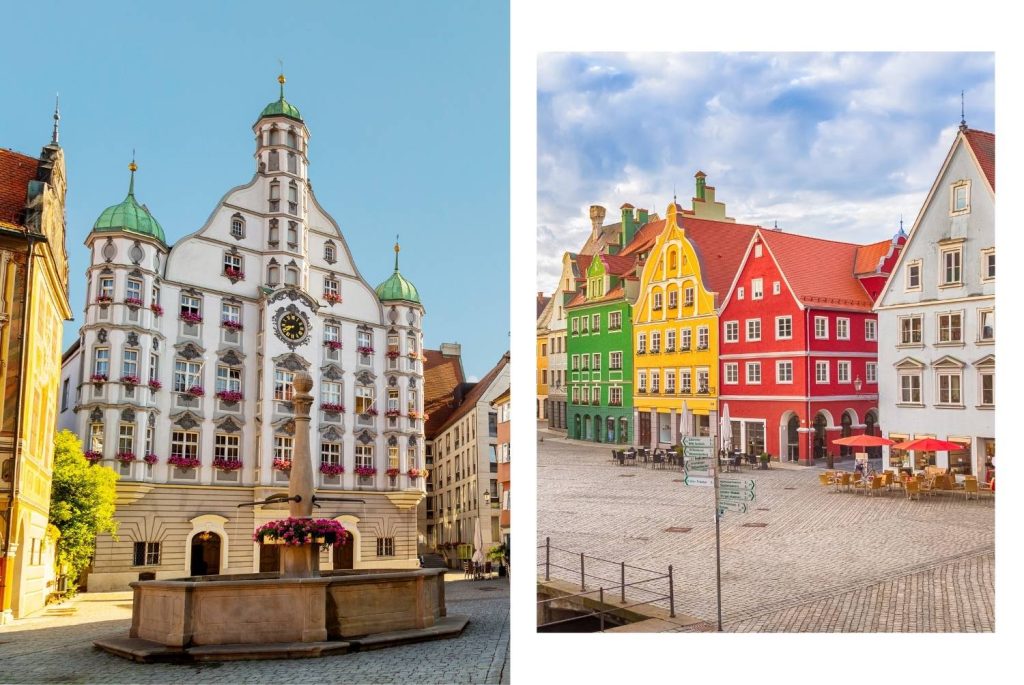
Memmingen is around an hour and a half from Munich. Why hurry past it? Colourful façades, canals, towers, walls and small squares could change your mind about a small European stop. Think the idyllic German towns in the romantic films that fill Bulgarian daytime television. Marktplatz is the old town’s heart, with the Renaissance town hall, Steuerhaus and colourful historic guild buildings around it.
From there, follow whichever street appeals:
walk beside the little canal, see Siebendächerhaus, the House of Seven Roofs, and continue along surviving medieval fortifications. Memmingen also has a place in European history. The Twelve Articles were drawn up here in 1525, a document often discussed among early European formulations of rights.
And in Bavaria, eat as the Bavarians do.
After walking, sit down at Zum Stift for a cold local beer, schnitzel, pork knuckle, spätzle and portions large enough to put Munich out of your mind.
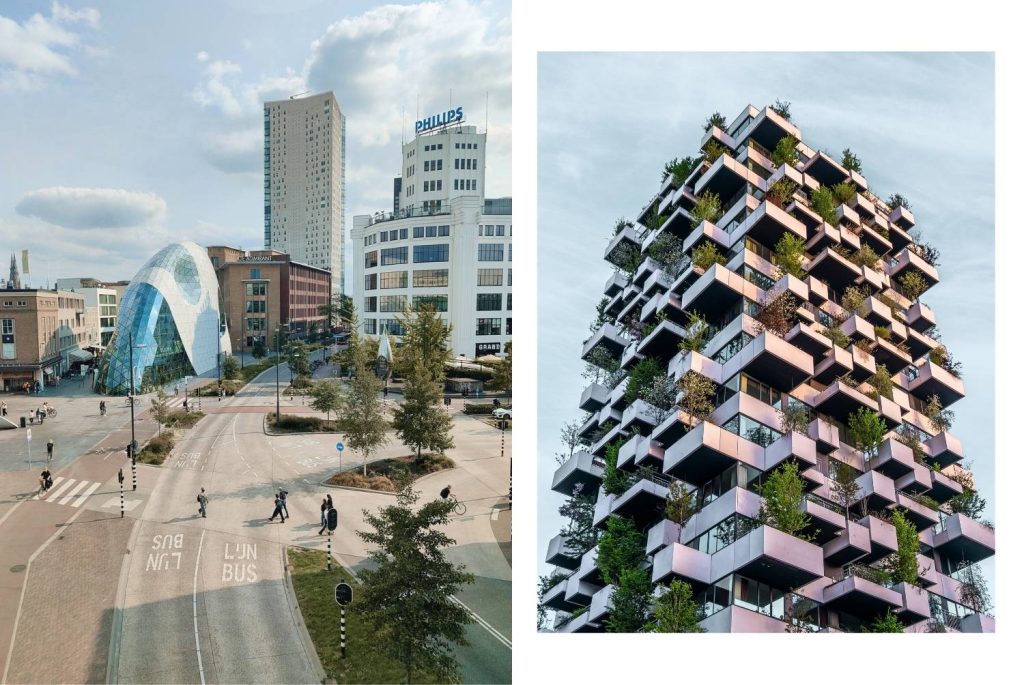
Eindhoven has no wish to be Amsterdam. It doesn’t offer a postcard old town or canal houses, which is part of its interest. Industry, technology and design have shaped it, with a history closely tied to Philips. Former industrial buildings now hold galleries, restaurants, studios and cultural spaces. Strijp-S is the clearest example. Once a closed industrial complex,
it’s now a lively piece of the Dutch urban landscape,
with concept shops, design studios, cafés, street art and events. For art, head to Van Abbemuseum; for an evening out, Stratumseind has dozens of bars. Before that, eat at Radio Royaal, where contemporary cooking, industrial details and raw concrete give you a feel for Eindhoven. It’s a place that makes sense in this city. That’s a good reason to stay.
Osaka for flavour, Kyoto for soul, Tokyo for rhythm: part I (in Bulgarian)
What’s happening in the city? Follow GoGuide on Instagram to hear about it first.
Subscribe to our YouTube channel for a closer look at the city, and a wider view.