The Eiffel Tower has a life of its own
Heat, cold, wind and lightning all leave their mark on the Iron Lady.
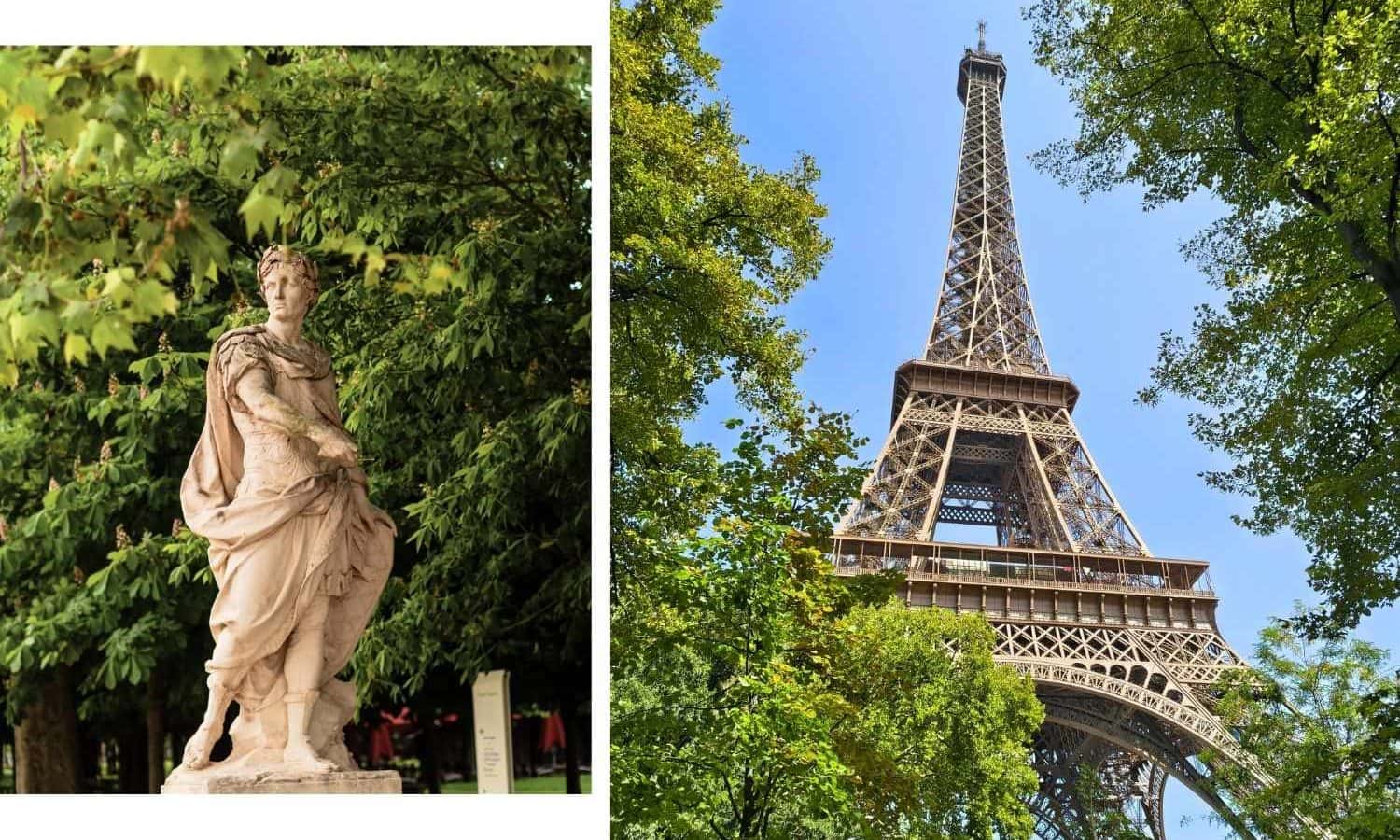
Before the world knew it as the Eiffel Tower, it was the Tour de 300 mètres: the 300-metre tower.
Its dimensions are less fixed than that name suggests. Antennas have increased its height over the years, while temperature causes much smaller, temporary changes in the metal structure itself. Venice sinks, Pisa leans, and Paris’s Iron Lady expands and contracts. There is nothing supernatural about it. It is the sort of thing a physics teacher would be delighted to explain.
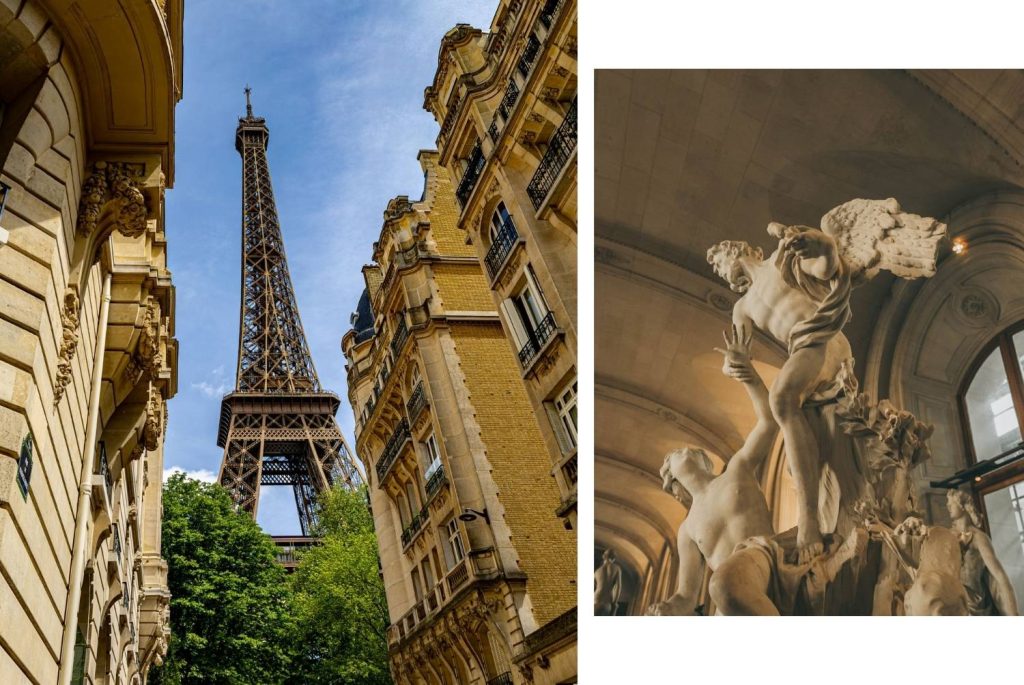
The tower’s puddled iron expands when it heats up,
then contracts as temperatures fall. Sunlight also warms one side more than the others, causing a slight lean. The tower’s official explanation describes the top tracing a curve roughly fifteen centimetres across during a clear day. That movement should not be confused with an exact fifteen-centimetre increase in height. Weather makes its presence felt in other ways too, from strong winds to thunderstorms.
The tower cannot step indoors when lightning arrives.
As a tall metal structure, it has long had to contend with lightning strikes. The spectacle can be dramatic, but dealing with the weather is part of the engineering behind its survival, rather than a miraculous escape each time.
Built for the 1889 World’s Fair, marking a century since the French Revolution, it also became a platform for scientific work. Gustave Eiffel was determined that the structure should have uses beyond spectacle.
Observation, experimentation and later radio transmission helped give it that continuing purpose.
Its iron lattice makes an enormous structure comparatively light and allows wind to pass through it. The tower’s metalwork weighs around 7,300 tonnes, a striking figure for something of its scale. The shape also reflects the engineering experience gained through building metal viaducts.
Familiarity can make that achievement easy to overlook.
Seasonal expansion, contraction and movement in the wind are part of how the tower responds to its surroundings. The official account stresses that these small changes do not compromise its strength, though severe weather can require visitor areas to close. It is a landmark, a communications structure and a symbol of Paris, but also a lesson in the physical world hiding in plain sight.
Three days in Greece: a break for the soul
What’s happening in the city? Follow GoGuide on Instagram to hear about it first.
Subscribe to our YouTube channel for a closer look at the city, and a wider view.