Gaudí, the architect who looked upwards
Faith, nature and the extraordinary imagination behind the Sagrada Família.
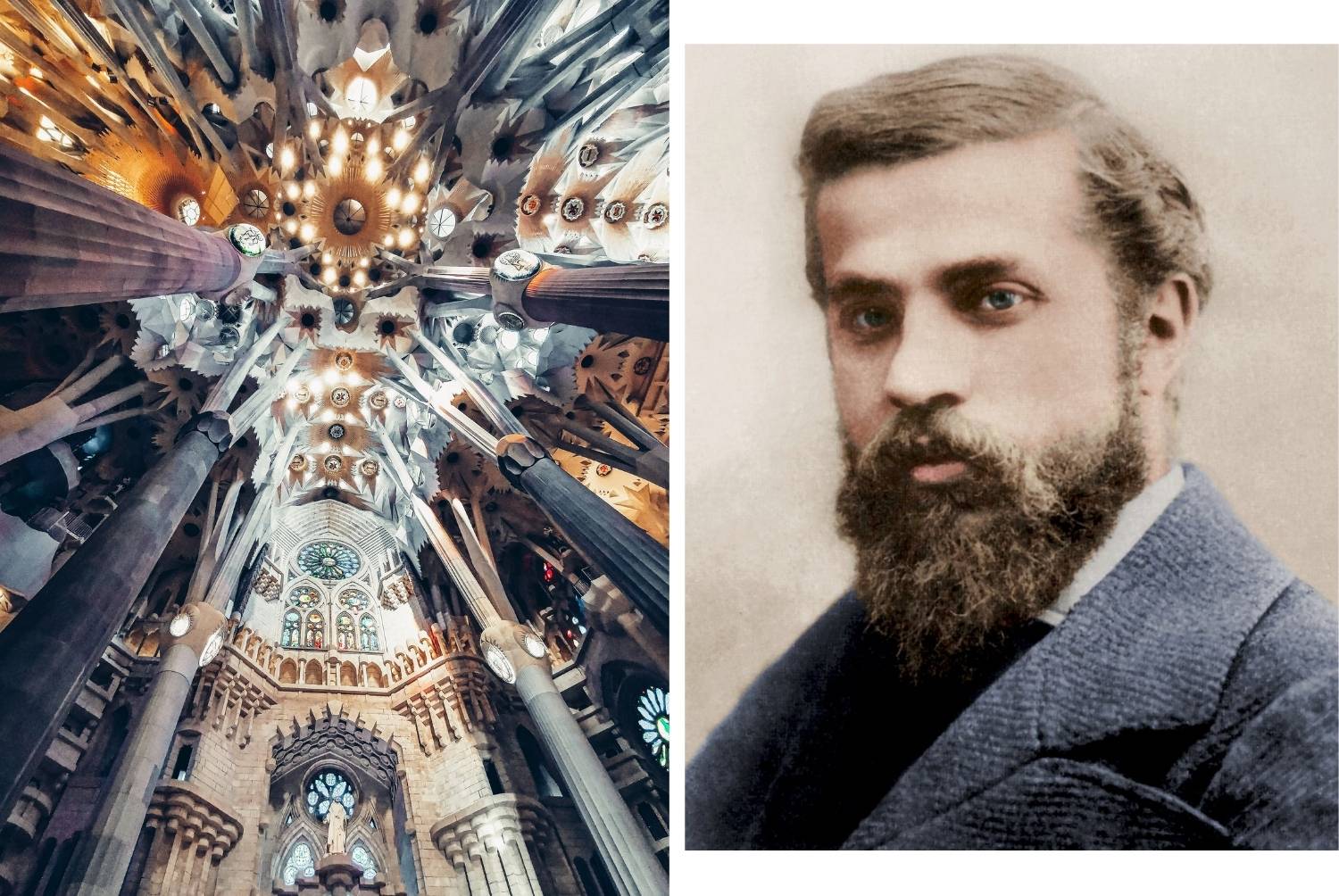
If Antoni Gaudí were alive, I would have a few questions.
First, whether an architect of his experience could teach me to build a better piece of writing. Then something harder: how does a person repeatedly called strange, misunderstood or dismissed keep faith with the work? Perhaps the answer lies in his close attention to nature and his profound religious belief. The nickname “God’s architect” captures that devotion. Look at the branching columns of the Sagrada Família. They turn stone into something like a forest, a space in which nature and worship seem to belong together.
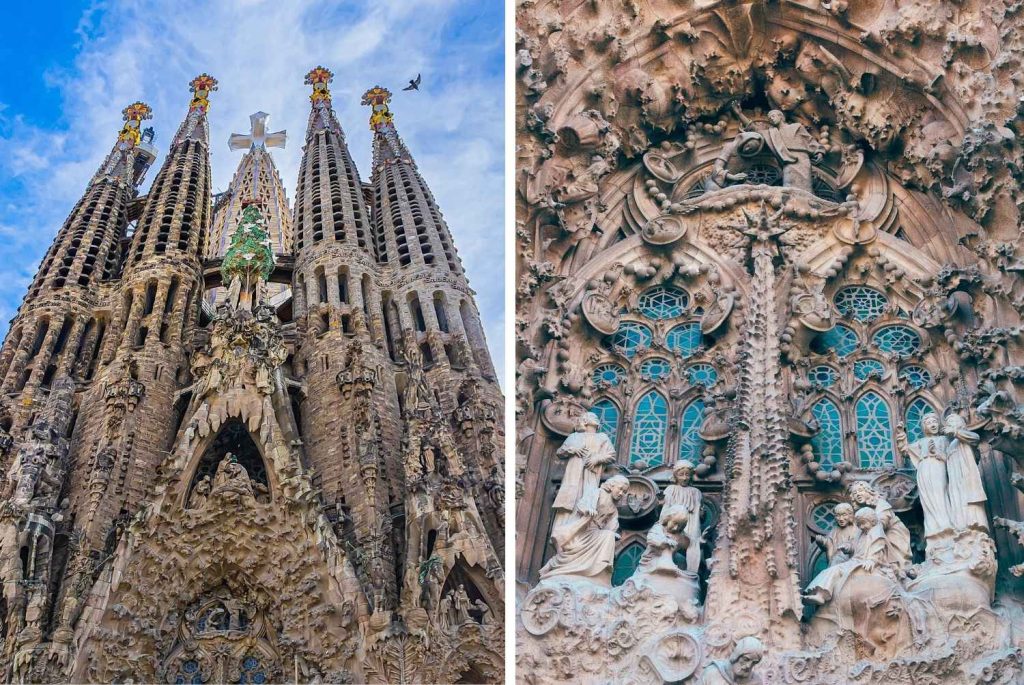
What looks eccentric to us was often entirely natural to Gaudí.
His use of three-dimensional models, for example, let him explore buildings in ways a flat drawing could not. That does not mean he never drew, despite the excuse generations of architecture students might like to borrow: “Gaudí used models. Why should I have to sketch?”
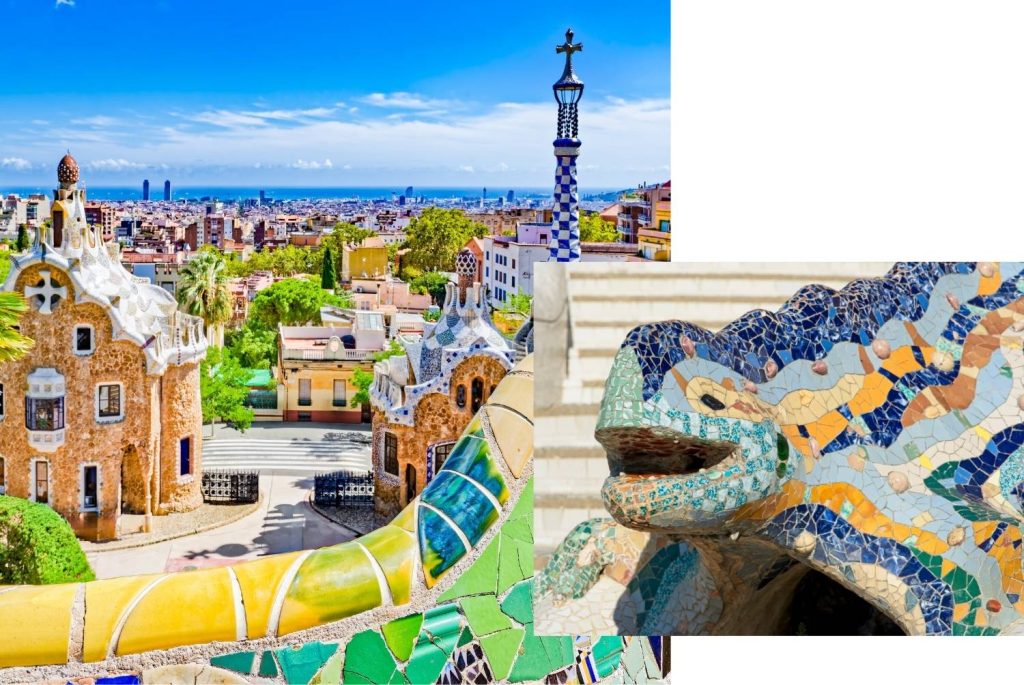
His work grew from conviction, observation and persistence. Illness affected his childhood, and the natural world became a lasting source of attention. Religious faith increasingly shaped his life. For those who share it, his dedication can seem like an example of what becomes possible when a vocation is stronger than the resistance around it.
Not everyone immediately recognised what he might become.
The famous remark attributed to his architecture school’s director wondered whether the graduate was a genius or a madman, leaving time to decide. Time has been generous to Gaudí.
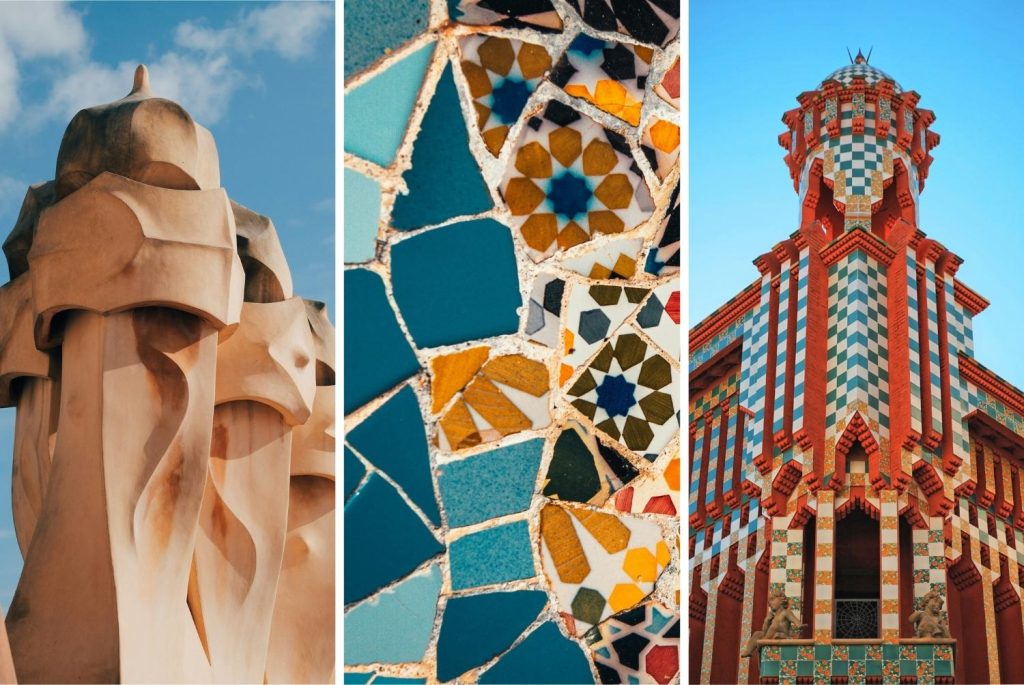
Seven of his works are included in UNESCO’s World Heritage listing. Even within that achievement, he could surprise: Casa Calvet won a municipal award, though it is comparatively restrained beside his more audacious buildings. Admiration was never universal. Some artists and writers found his work excessive or deeply unappealing.
George Orwell was memorably hostile towards the Sagrada Família.
So much for artistic solidarity. By a curious coincidence, Orwell and Gaudí shared a birthday, 25 June, though not a birth year. Gaudí had no opportunity to reply to Nineteen Eighty-Four, or to Picasso’s Guernica: both appeared after his death. He died in 1926; Orwell reached Spain in late 1936. The imagined exchange will have to remain a joke. Gaudí’s life had, in any case, become increasingly absorbed by his work.
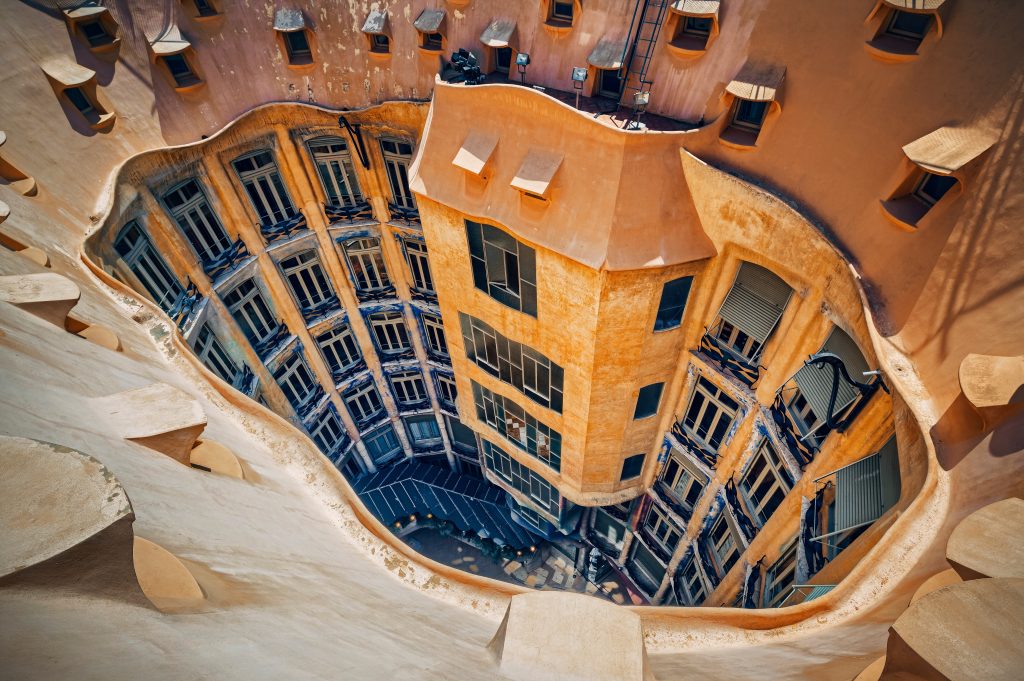
The Sagrada Família was its great undertaking, occupying more than forty years. The name means Holy Family. Construction of the Catholic basilica began in 1882, and Gaudí took charge the following year. He eventually moved into his workshop there. Work continued after his death, though war, destruction and later interruptions complicated its progress. Surviving and reconstructed models helped later architects carry the project forward.
On 10 June 2026, the tower of Jesus Christ was inaugurated and blessed, marking the centenary of Gaudí’s death. It was a major milestone, not the completion or first opening of the whole basilica.
Before I learned much about his work, I knew the story of his death. In his final years, his clothes were modest, and after a tram struck him in Barcelona, he was not immediately recognised. He was taken to the Hospital de la Santa Creu, where he died on 10 June 1926, three days after the accident.
He never saw his greatest project completed.
Gaudí is gone. What remains asks us to look more carefully, and perhaps to build a world worthy of so much imagination.
What’s happening in the city? Follow GoGuide on Instagram to hear about it first.
Subscribe to our YouTube channel for a closer look at the city, and a wider view.