Amalia Abbas: the art of bringing people together
The Ritual Gatherings co-founder on attention, small rituals and making space for a shared life.
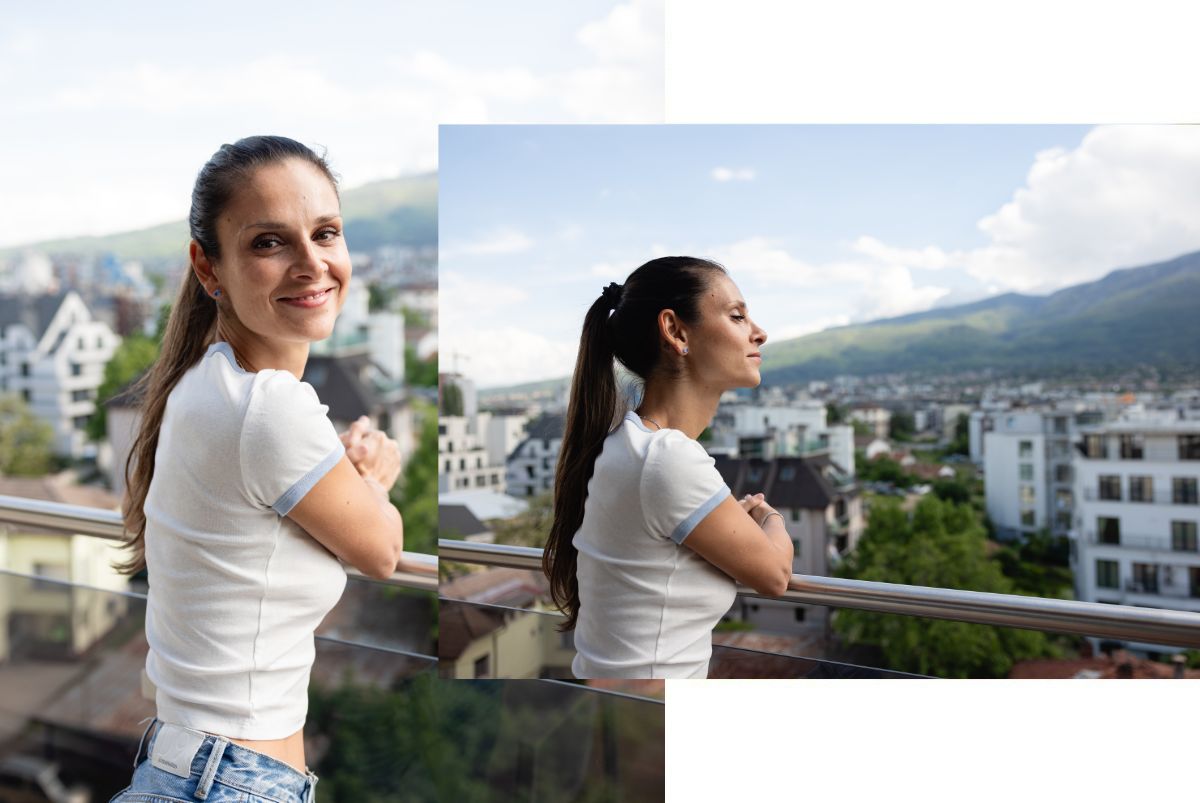
There is something of a double life about Amalia Abbas.
By day, she works in the corporate world. Beyond it, she helps shape Ritual Gatherings, the Black Sea festival she co-founded with her brother Faris, bringing music, art, food and wellbeing practices into an idea of shared ritual. This conversation explores the thinking behind that work, rather than a particular edition’s programme. Abbas believes people will increasingly seek relief from digital overload and the feeling that everything must become content. What they will want instead is an encounter that feels real, and the rare pleasure of simply being present.
Management on one side, music, nature and community on the other. How do they coexist in you?
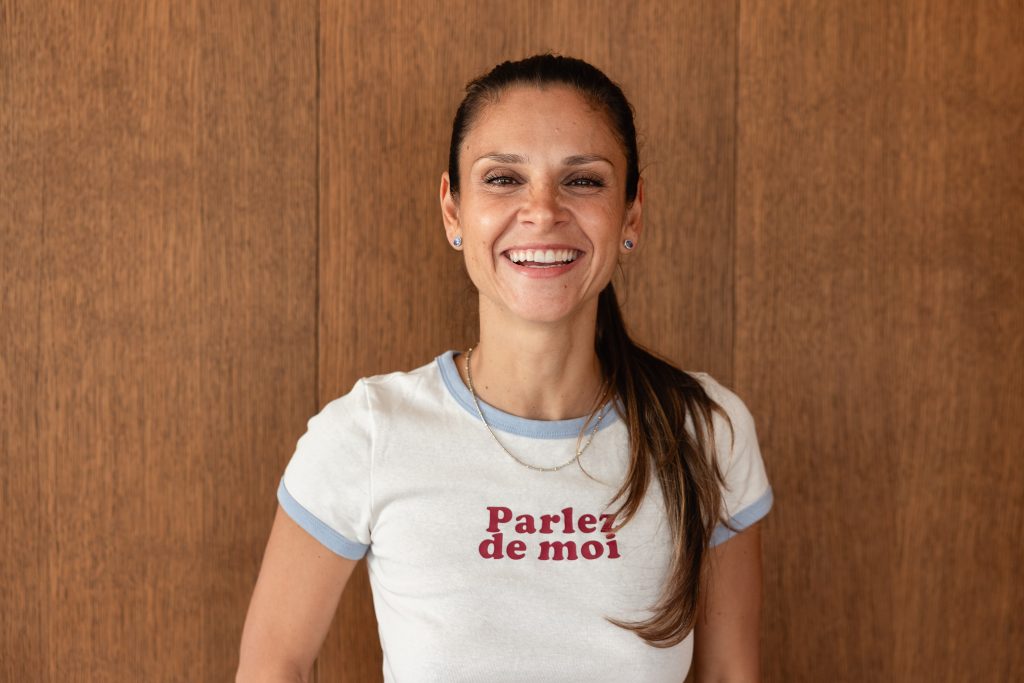
Amalia: They have never been separate worlds for me. The most beautiful experiences often have excellent structure behind them. People see music, sunsets, dancing and emotion. For a space to feel free and light, someone has to think carefully about everything backstage. I love both the vision and the detail, strategic thinking and human feeling. Ritual Gatherings comes from that meeting point in me and my brother.
If someone thinks of Ritual Gatherings as simply a few days of music in nature, what might surprise them?
Amalia: I struggle with “simply” there. Music and nature can be deeply meaningful, helping us feel ourselves as individuals and as part of something larger. Music is closely connected to what remains afterwards:
the human moments, the feeling of closeness,
and how quickly social roles and masks lose their importance when you feel able to relax. A conversation with a stranger begins easily. A shared dinner can make you feel more at home than months of everyday life. People are often surprised by how connected they can feel in a few days, without needing to decide whether it came from the music, nature, the people or all of it together.
What happens between the parties, in the hours that never appear on a poster?
Amalia: A great deal. Long conversations on the beach, inside jokes, unexpected side quests, new friendships, searching and finding, or simply silence and looking. People who met yesterday seem to have known one another for years. It happens when you leave the city’s rhythm and stop rushing towards the next thing, stop trying to optimise every minute or chase something you cannot even name.
What are the small rituals in your own life?
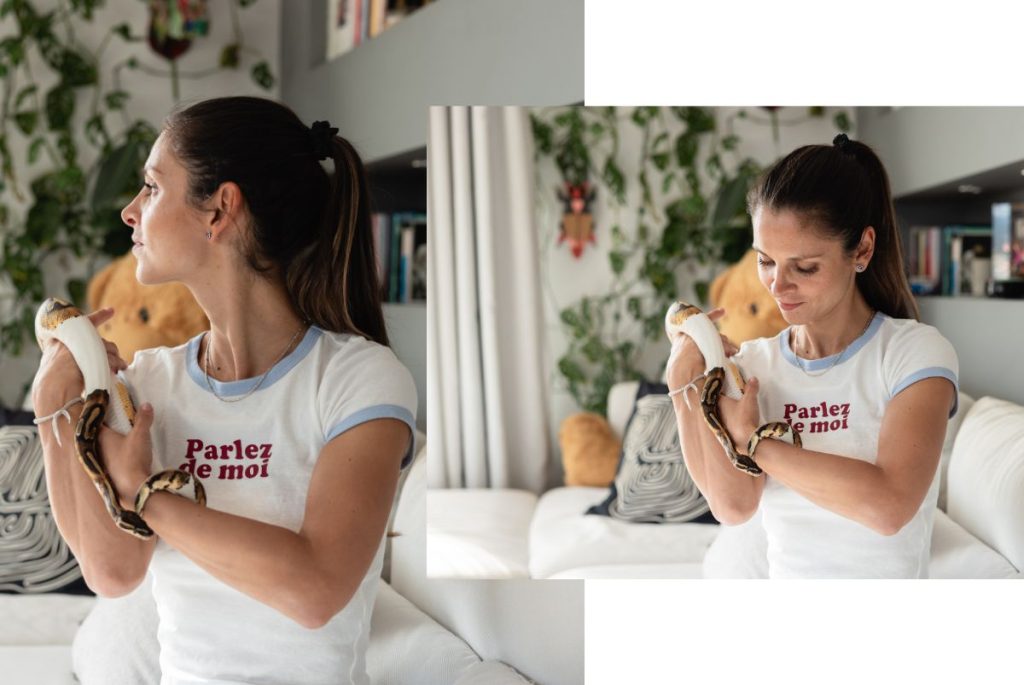
Amalia: Simple things. Coffee or tea in the morning, in silence. Looking after myself and my morning and evening skincare. Music and lip-syncing in the car. Long conversations with people I love. One favourite is putting on good music and watching clouds move. Rituals need not be grand. They are the small repeated moments that bring us back to ourselves.
What is missing from Sofia’s culture of meeting and spending time together?
Amalia: More spaces and ways to be properly present. Everything has become fast, noisy, fragmented and performative. We meet constantly but sometimes barely see or hear one another. We need slower conversation, deeper listening and places where you can be a person rather than an Instagram version of yourself.
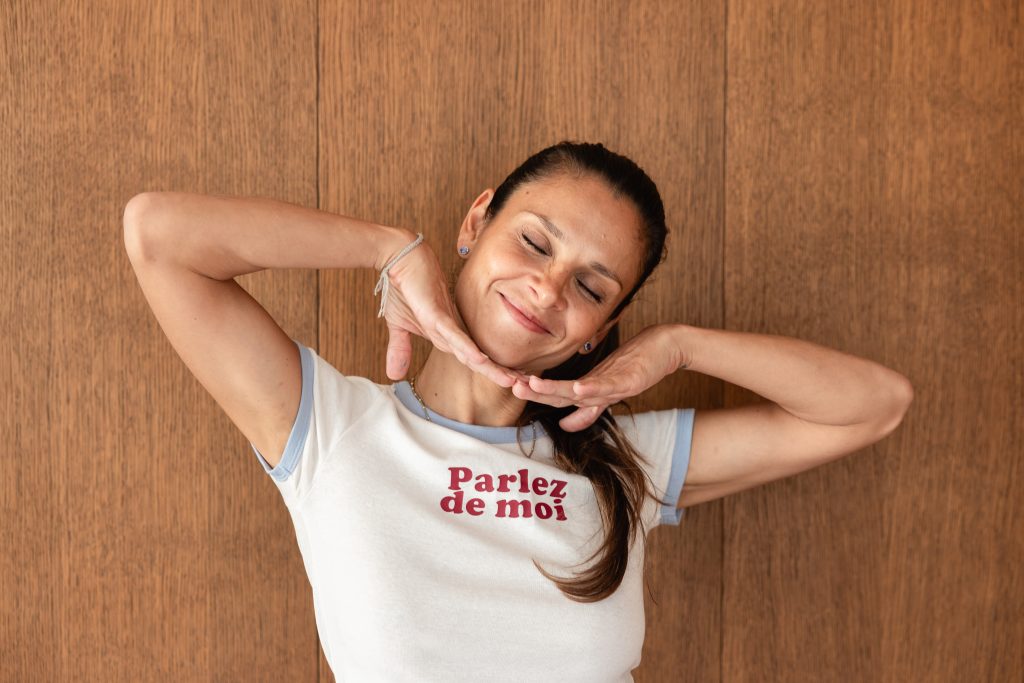
What do you learn about people when you take them out of the city and their everyday roles?
Amalia: That most are softer, kinder and more open than they appear in daily life, or on Instagram. The city can put us into a mode of survival and productivity. When that falls away, when people go barefoot, stop worrying about the time, watch a sunrise, dance on sand, swim or laugh with strangers, something less guarded appears.
Has seeing so many encounters changed your understanding of love?
Amalia: I have always felt that love is more than a powerful feeling, chemistry or magic that makes everything work by itself. At a certain point, it is a choice.
A choice to make room with another person, where you can both be seen,
heard and accepted, even without being completely understood at every moment. A connection in which you are committed to one another and free to be yourselves. The more lives and stories I encounter, the more I value a love in which you do not lose yourself, but become more fully who you are, beside someone doing the same. You reflect the best in one another.
What might these kinds of shared experiences look like in ten years? What will people want to escape, and what will they seek?
Amalia: Digital overload, noise and the feeling that everything is content will become things to escape. People will seek the opposite, what I call the real human experience in the living world. I think the future is less about becoming bigger than about becoming more real.
You do not seem likely to stand still. Is there another idea you have not yet spoken about?
Amalia: There always is, and one is beginning to take shape now. I am increasingly interested in how we will live as human beings in ten or fifteen years, rather than only in how technology will look. What will help us feel well, connected and at ease? I am drawn to spaces, communities and even settlements built around lasting principles of wellbeing, rhythm, nature and belonging. Places that respond to the planet’s rhythms as well as the digital world’s pace. I am not rejecting technology. I believe the future lies in a more thoughtful balance between progress and nature, and I think more people are beginning to feel that too.
Looking back at OPEN BUZLUDZHA 2026
What’s happening in the city? Follow GoGuide on Instagram to hear about it first.
Subscribe to our YouTube channel for a closer look at the city, and a wider view.