Imagining a different future for Stochna Gara
A speculative walk through the Sofia district we usually pass straight through.
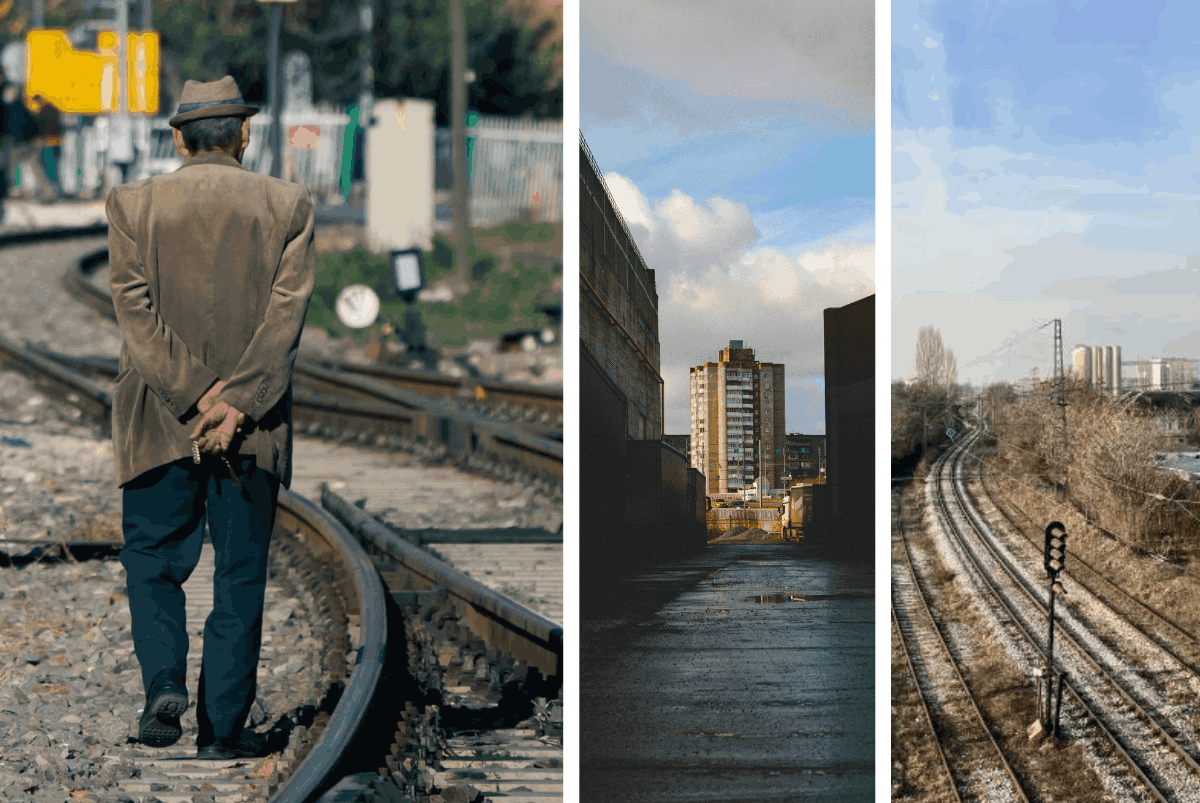
Welcome to the part of Sofia you have mostly known in passing.
Through a car window. Between traffic lights. On a hurried crossing beneath Lions’ Bridge, or with a suitcase rattling towards the Central Railway Station. Never looking quite long enough. This was once Sofia’s engine room: the place where the city worked. Slivnitsa Boulevard pushed traffic through like an artery under pressure. Along Maria Luiza came people, goods, news, entire lives. Lions’ Bridge was a gateway, built at the end of the nineteenth century as Sofia was learning to be a capital. A little further east, the railway cut between neighbourhoods like an unfinished seam. Here the city kept its stores, its ambitions and sometimes its chaos. There was little romance in the goods sheds and loading bays. Coal, timber, food, raw materials. Metal, noise, movement. Sofia came to collect what it needed, then carried on.
Photography: Sketches of Sofia
Now imagine looking again. The boulevards are still there, but they sound different. Slivnitsa is no longer simply a route through: it has become a green spine of quieter trams, planted corridors and rain gardens collecting water that once ran straight into the drains. Around Lions’ Bridge, coffee and lime blossom have replaced exhaust fumes. Yes, lime blossom. This is a possible future, not a report of completed works.
Picture it.
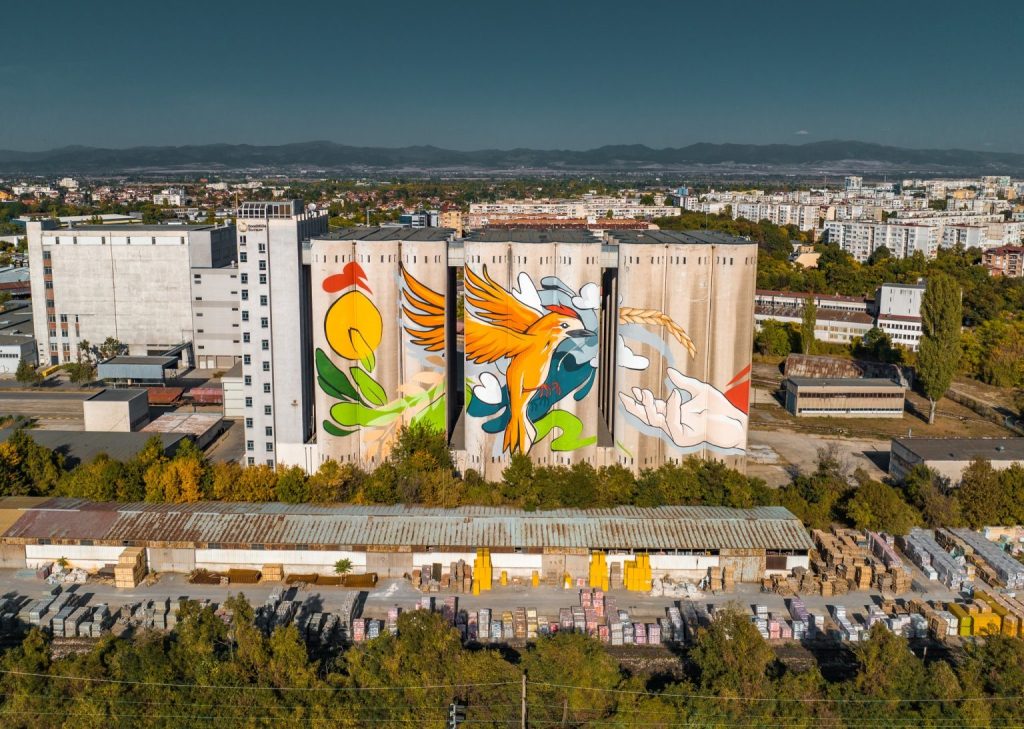
The former railway land has become a campus for culture, technology and making things. Small laboratories. Workshops building furniture from salvaged materials. Spaces where children construct robots and adults repair bicycles instead of buying new ones. The old sheds remain, but their loading bays have given way to communal tables, neighbourhood kitchens, concert spaces and futuristic nightclubs where sound, light and architecture seem to breathe with the crowd. Workshops store ideas instead of freight. Along Danail Nikolaev Boulevard, once all infrastructure and little else, runs a linear park. The industrial façades have survived. Brick still carries its memories; metal still bears its scars. Life has moved into the spaces between them.
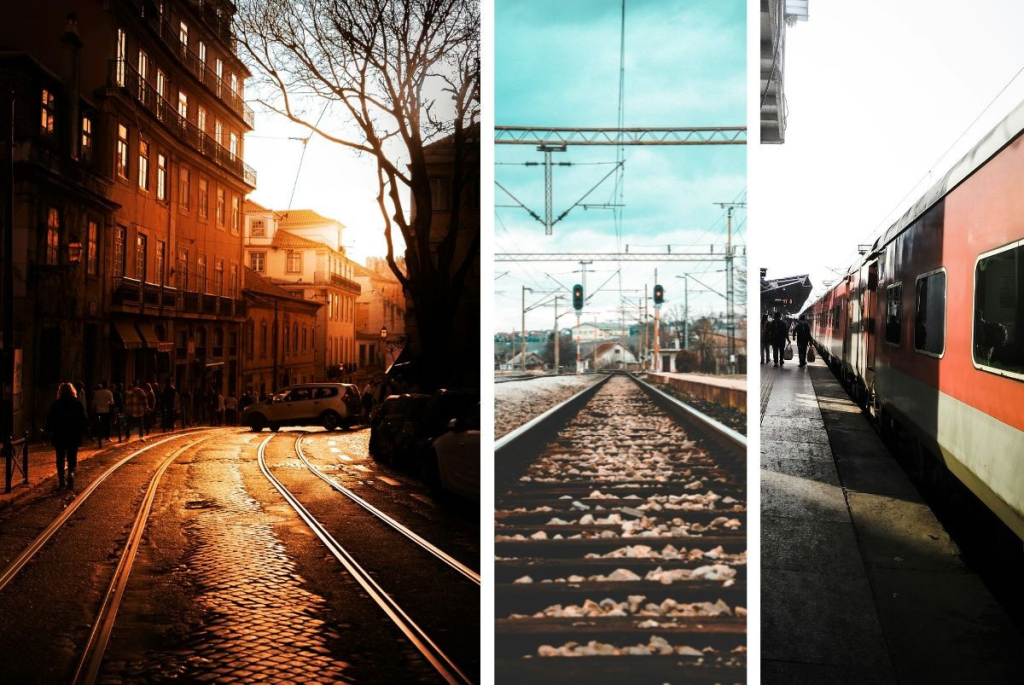
Markets have returned: farmers’ stalls, neighbourhood kitchens, seasonal food, vegetables grown on rooftops. If the twentieth century brought potatoes into Sofia, this city asks what it can grow for itself. Yet the greatest change is not architectural. The area once divided neighbourhoods. Banishora looked one way, Hadzhi Dimitar another. The centre was close on the map and distant in the mind.
In this imagined future, Stochna Gara brings them together.
The city’s unfinished seam has finally closed. After dark, façades become cinema screens, underpasses become galleries and service yards turn into music venues. People no longer hurry to leave. That may be the most extraordinary change of all. For decades, this was a corner of Sofia that everyone used and few people loved. Then the city imagined something else.
A journey through time to Oborishte and back
What’s happening in the city? Follow GoGuide on Instagram to hear about it first.
Subscribe to our YouTube channel for a closer look at the city, and a wider view.