Miroslav Ivanov: finding freedom between the genres
The guitarist talks about his album 4, listening closely and leaving room for the music.
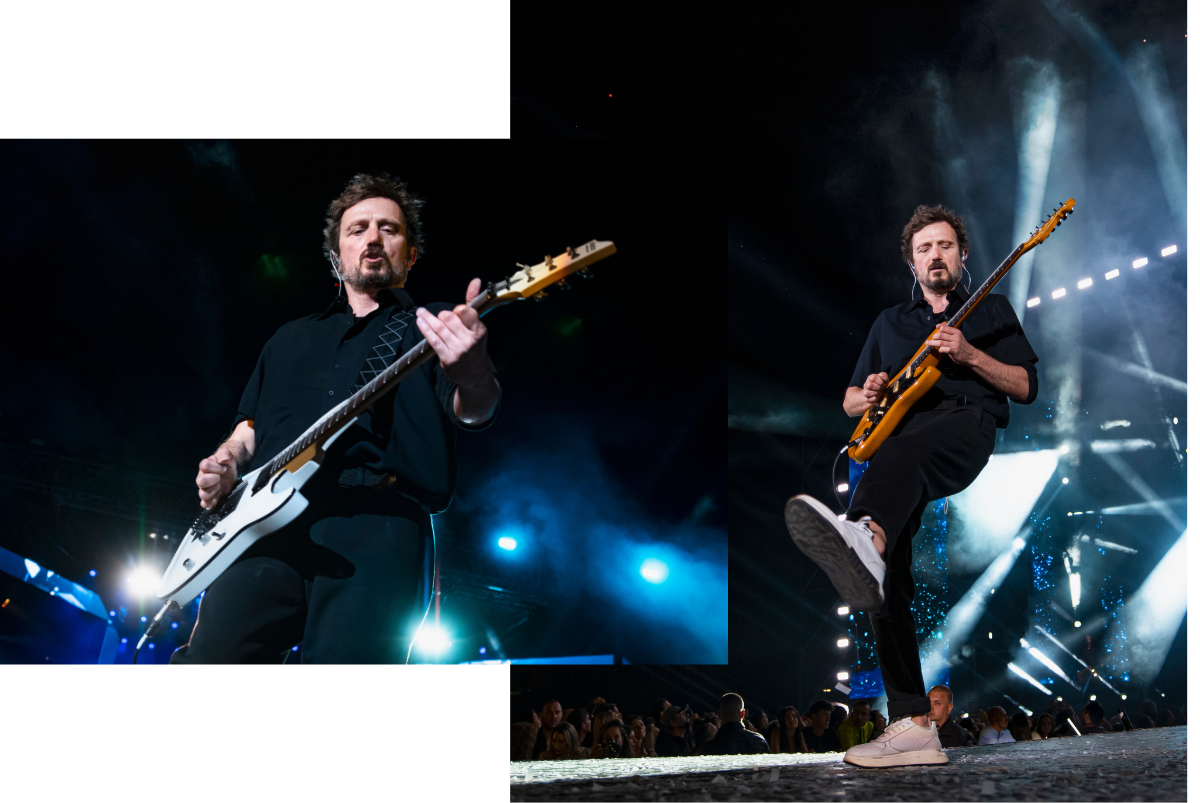
Some musicians are people you follow from band to project. Others seem always to have been there, moving between genres without needing to explain themselves.
Miroslav Ivanov is one of the latter.
From rock and metal to jazz, funk and the spaces between them, he has developed a recognisable sound without choosing one side. His own projects sit alongside work with some of Bulgaria’s best-known performers. With 4, Miro finds ways to say more, more quietly and with less clutter. We talked about refusing to fit a category, finding balance and making room for music to happen.
You move between rock, jazz, funk and pop. Where do you feel at home, or is the movement itself your home?
I come from rock and metal. Those were the first styles I played. Later, through the conservatoire and musician friends, I discovered jazz, blues, country and a much wider musical range. I feel best when I mix styles and experiment. There is no single correct genre for me. I look for the meeting point between influences, which makes my music eclectic.
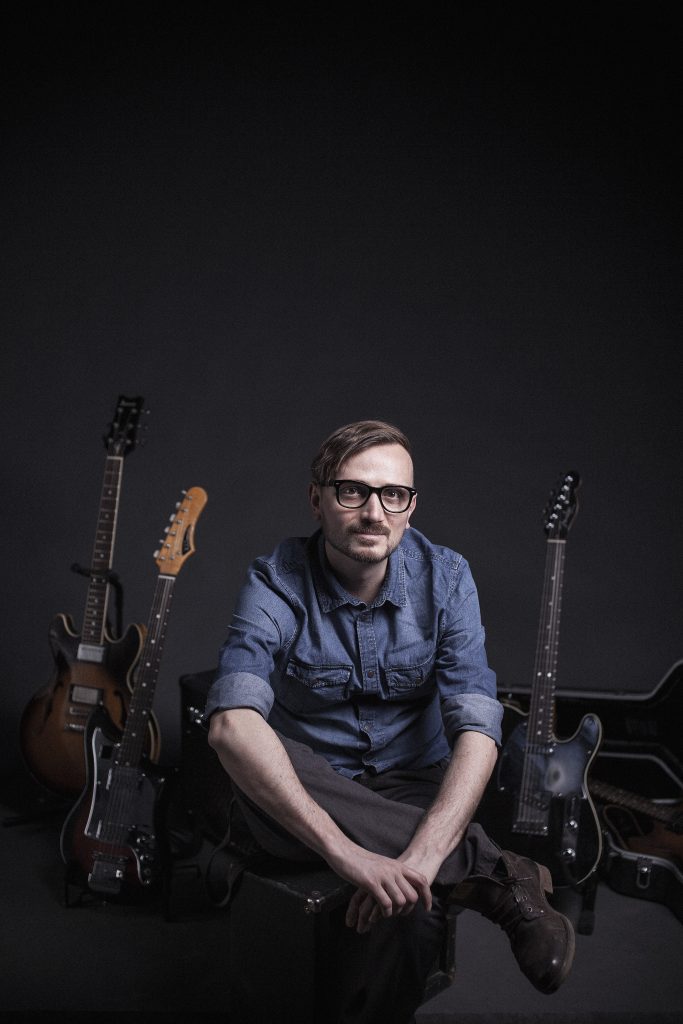
It also makes it difficult to categorise. I do not quite fit into rock or jazz. Jazz musicians often think I am a rocker; rock musicians think I play jazz. I simply enjoy the freedom to play all of it.
You have led your own projects and played with major Bulgarian artists, including the Usual Suspects and Grafa. What does each role give you?
I have been part of many projects that mattered to me: Safo, Infinity, the Usual Suspects, Saint Electrics, Amoric, MetaFormoza and Funkallero. I have also played with Grafa, Orlin Pavlov, Doni, Momchil, Kanaleto, Lili Ivanova and Arabel Karayan. A concert with Germany’s De-Phazz was another memorable encounter. Those experiences taught me how different a musician’s roles can be. As a sideman, your ego has to take a back seat.
Your job is to understand the composer’s vision and play it as well as you can.
That takes discipline and respect for someone else’s music. In a band, personalities, tastes and ideas meet, and sometimes collide. I find compromise difficult, which may be why I have not sustained an original band of my own over the long term. There is probably some ego in that. With my own music, things fall into place. It is where I am most honest with myself, where I can experiment without fitting expectations. Each role offers something different. What matters most is the freedom to search for my own sound without forcing it into a definition.
On 4, there seems to be a deliberate stripping away, including moments when the guitar is not the lead voice. Is that where you are heading?
I do not think I am following one direction. I follow my state of mind, which carries everything I have experienced and explored. Tomorrow may be different. Recently, I have felt a need to remove things until only what matters remains. It is a natural process rather than a concept.
I think artists eventually reach a point where they speak less but say more.
I am looking for clarity, for a form in which a little carries weight. The guitar will always be part of me, but it is not the centre. Music is. The instrument connects the artist’s inner world with the listener’s. If an idea needs the guitar to step back, it should. Everything serves the music.
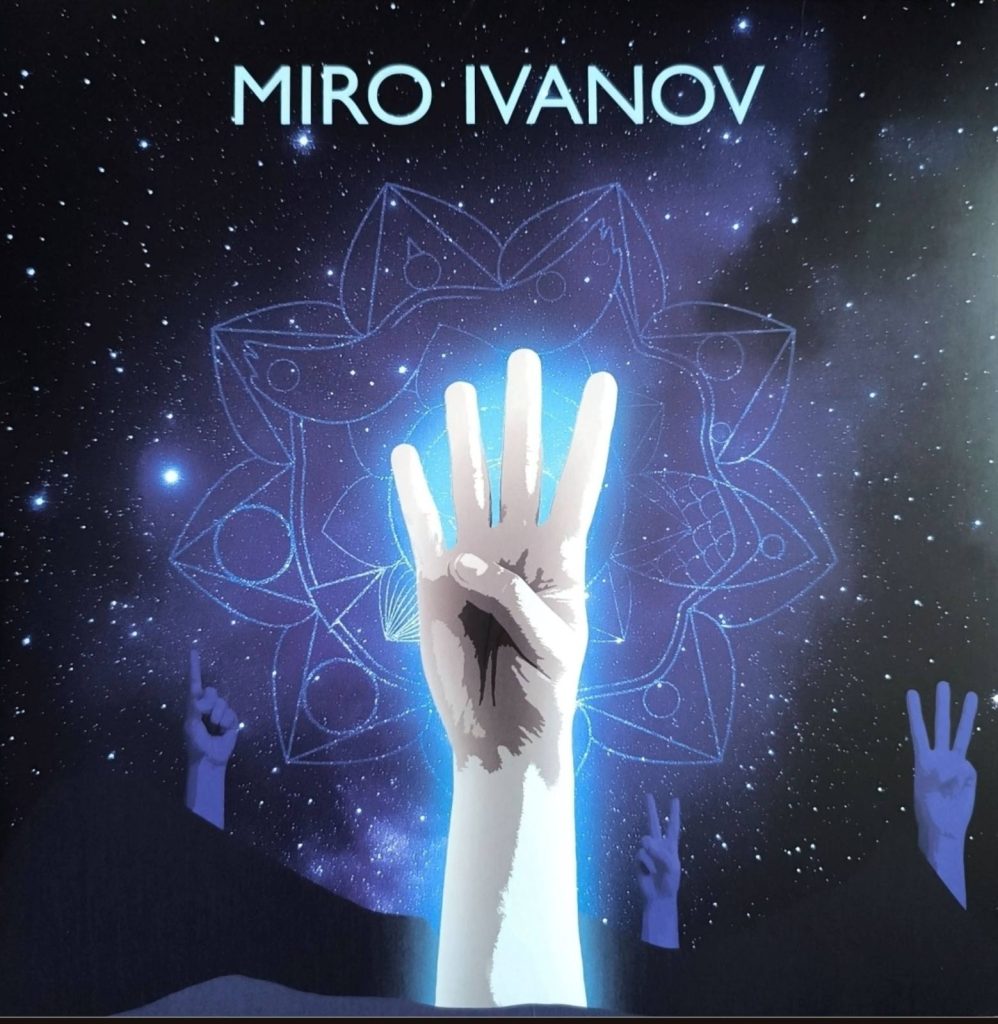
The title has several meanings: fourth album, four pieces, a quartet. Was the number part of the musical plan?
Not directly. The pieces are in 4/4, but that is more coincidence than concept. Fourth album, four pieces, quartet: sometimes things arrange themselves. There is also a personal nod to Led Zeppelin IV, a record I love. In feeling, I am closer to a circle than a square, to something fluid and intuitive. Perhaps that is why I seek balance between the extremes.
The album is also on vinyl. Is that about aesthetics, sound or a relationship with the listener?
It is about how we listen: attention to detail, without unnecessary commercial layers. More than nostalgia or appearance.
Vinyl has a special, almost sacred place for me.
The first music I heard was on a record, and that feeling stayed. My music is not commercial in the conventional sense. It speaks to listeners looking for something more personal. Vinyl feels natural for that: intimate, considered, close to the idea of really listening.
If this album is a conversation, what are you saying that you have not said before?
Music is hard to put into words. That is why I have rarely written lyrics, apart from “Tsak”, which was itself an experiment. For me, music is a conversation without words, something that passes directly between people. I cannot explain exactly what I am saying. I play it. How it is understood depends on the listener, who is also a creator, because music comes alive differently in each person’s mind.
How is Bulgaria’s music scene changing? Are younger musicians reaching new horizons, or running into limits?
It has always interested me. The market is small, but there are exceptionally talented musicians in every style.
I feel closest to the underground, because that is where I believe new ideas and experiments begin.
When you are not trying to satisfy mass taste, you can make something new. But I enjoy pop too, and there is worthwhile work there. Playing with Stefan Valdobrev and the Usual Suspects lets me see how music reaches a larger audience. Despite the limits, I remain optimistic. There is talent and energy, and those matter most.
How should people listen to your music: headphones, live, on vinyl, or however they feel it best?
The format matters less than whether they feel it. I want them to hear, rather than simply have it playing. You can find real pleasure at home, on vinyl or even with music in the background. A concert is different, of course. You see the music happening, passing through the performer, showing on their face and sounding in the room.
It is a whole range of emotions that cannot be reproduced another way.
Perhaps that is the magic. Music is extraordinary, and we are lucky to be part of it. What matters most is that, when people listen, they really hear it.
Cool Den: the band that keeps you on your feet
What’s happening in the city? Follow GoGuide on Instagram to hear about it first.
Subscribe to our YouTube channel for a closer look at the city, and a wider view.