Beyond the spectacle: Michiyuki Ishita on projection mapping
The artist and director talks about the ideas behind the light, and what makes a visual story stay with us.
After our conversation with Svetlana Reinisch about bringing personal stories and emotion to a building’s façade, we turn to another perspective: that of someone who watches, evaluates and helps shape the wider picture.
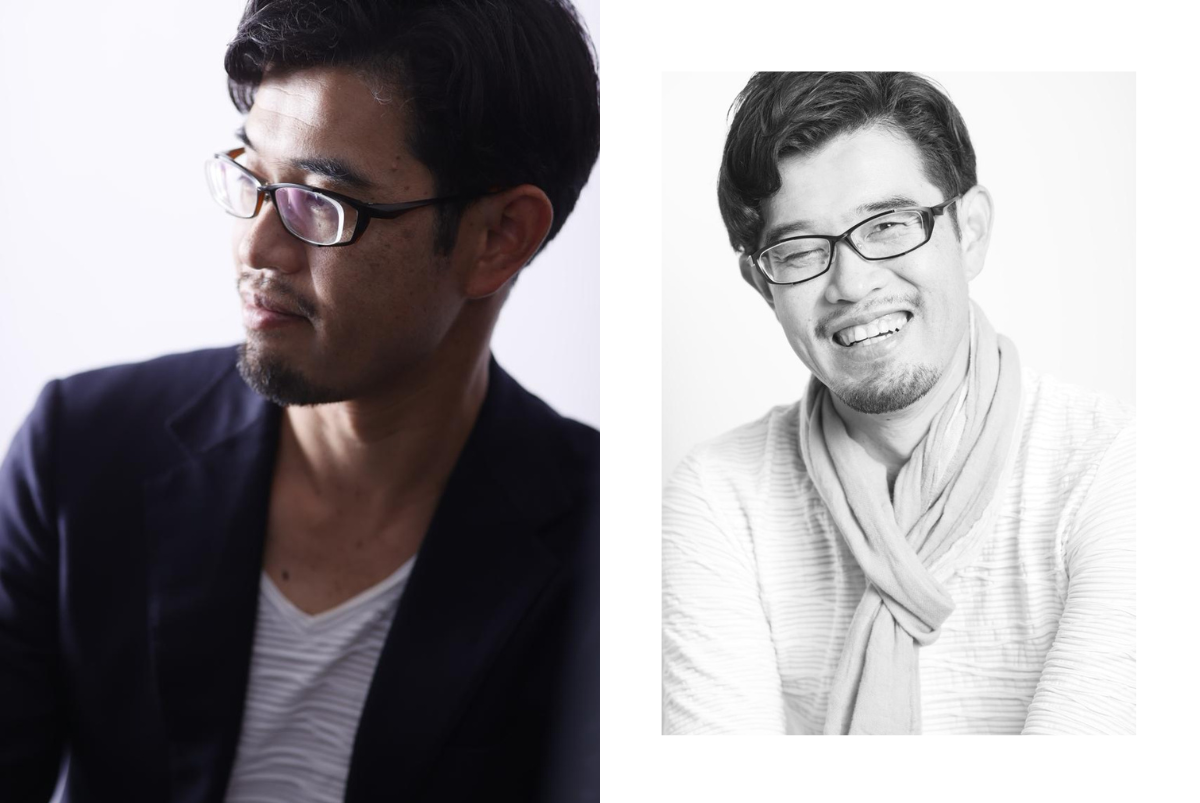
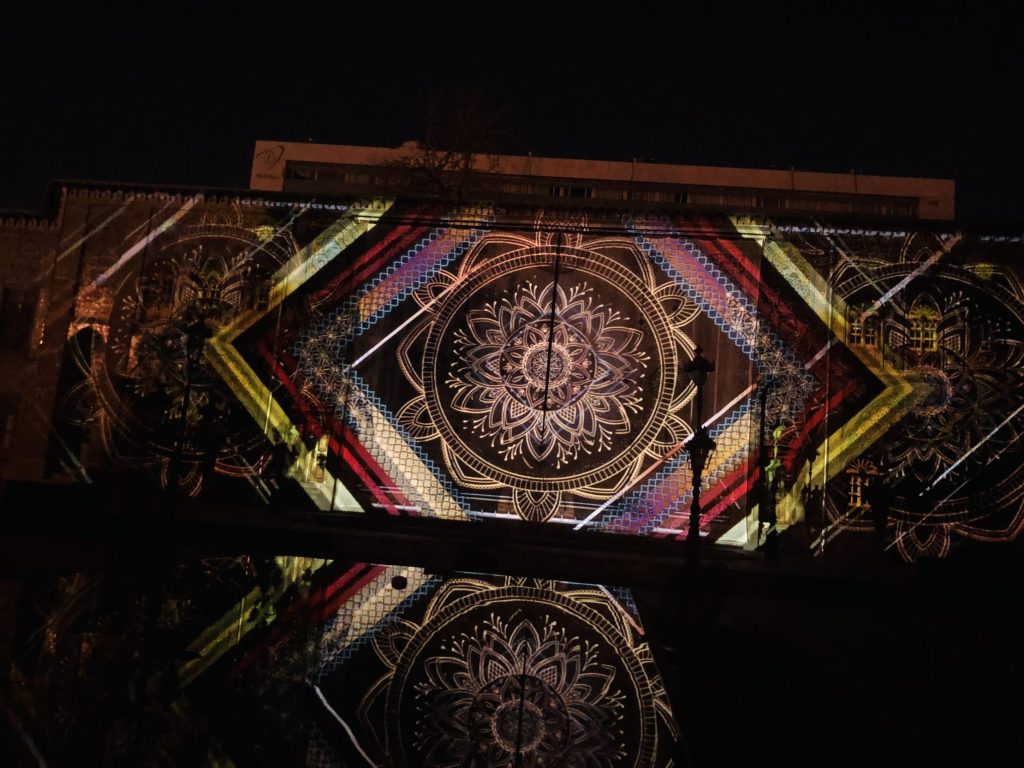
Michiyuki Ishita brought his experience of the international projection-mapping scene to PORTAL Festival in Gabrovo.
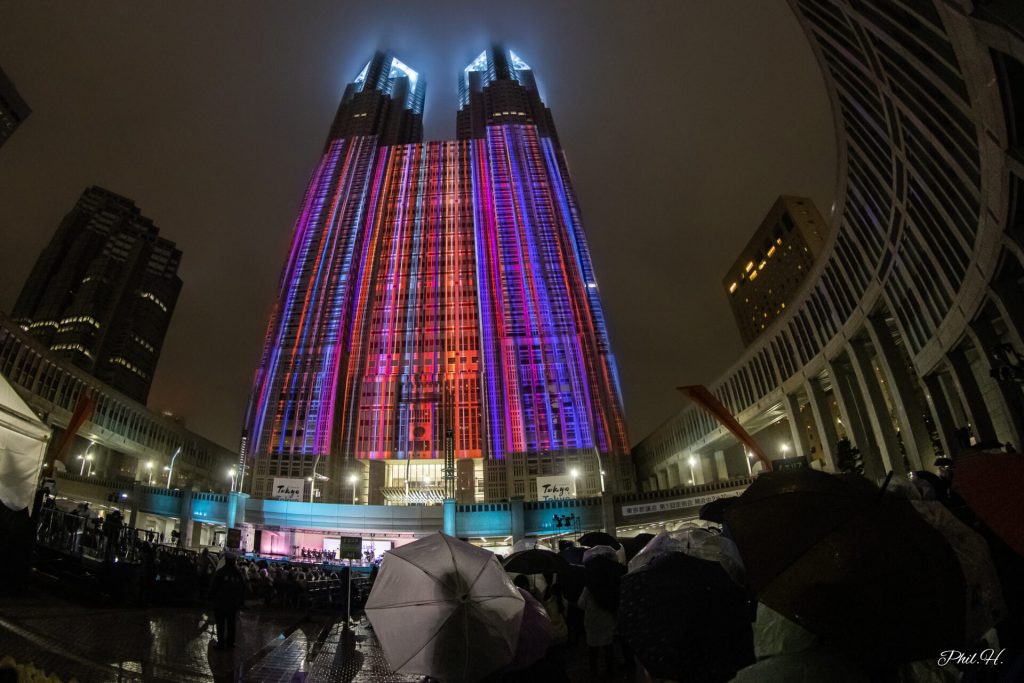
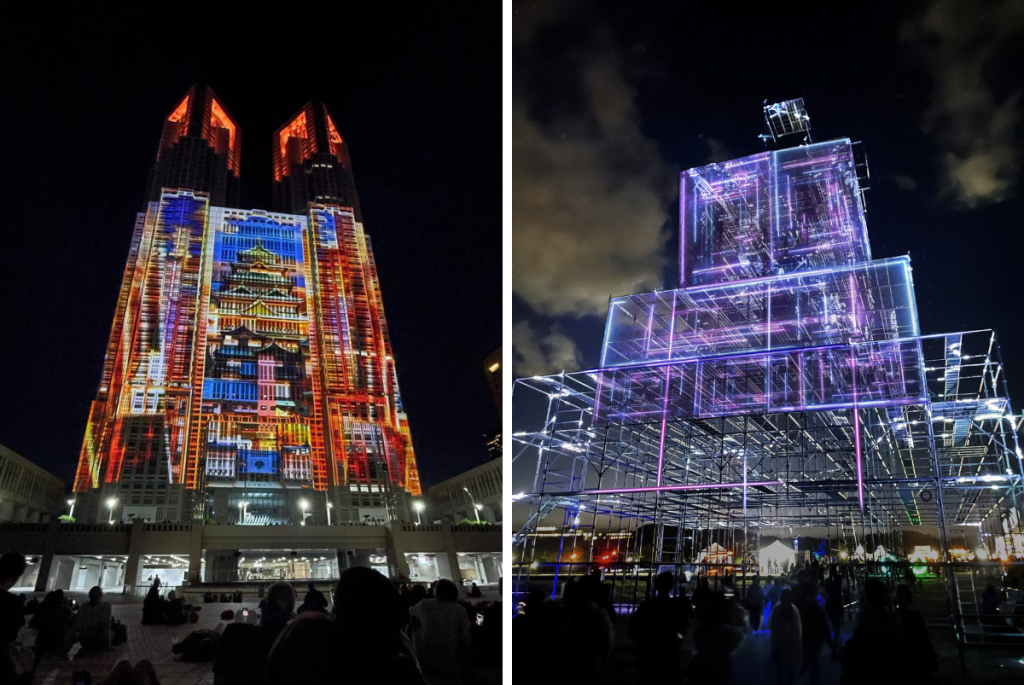
An artist and director, he treats images as light and turns them into experiences that occupy space. In the early 2010s, he founded the Projection Mapping Association of Japan, which has helped develop the medium and established a major international competition. His work includes producing events such as TOKYO LIGHTS, collaborating with artists from many countries, and serving as curator and juror on international platforms.
In Gabrovo, his role on the jury brought a perspective shaped by years of looking beyond technical accomplishment to the idea behind it. We spoke about projection mapping’s evolution, the purpose of festivals and the difference between a compelling visual story and an impressive effect. This is a conversation about the work and his experience of the festival, rather than an invitation to a forthcoming event.
PORTAL brings digital art into Gabrovo’s urban fabric. What drew you to the festival and its setting?
I was surprised that a city of this size could present so many works at such a high level.
Creating a new festival while making it belong carefully to its surroundings is not easy. I have enormous respect for Elektrick.me, the people of Gabrovo and all the artists who made it possible.
Projecting onto buildings is deeply technical and can also be poetic. How do you balance the technology with the artistic or narrative element?
I begin by considering the purpose and the message: what I want to communicate to the audience. Then I work backwards to find the form. A story might need to be direct and readily understood, or it might be conveyed more through sensation and emotion. That decision helps me balance the information the audience needs with the artistic expression.
You have been involved since projection mapping’s early international development. How has it changed over the past decade?
Much of its early development took place in Europe, where foundations for the form were established. It then spread globally, into Asia, including Japan, and Latin America, gaining variety from different cultures and values. Technology has advanced rapidly too: software, hardware, media, computers and projectors.
Artists continue to build on those developments through their own creativity.
The emergence and evolution of artificial intelligence are part of that transformation as well.
Festivals such as PORTAL create temporary communities around digital art. Why do they matter, particularly for younger artists?
Their real value is not only in displaying work, but in bringing people and ideas together. Artists and visitors encounter perspectives and ways of thinking different from their own. Discovering those differences, and the inspiration they bring, is enormously important.
What would you tell someone beginning to work with light, video and architecture today?
Do not simply pursue the technology or present it as a technical achievement. Find your own style and means of expression, and develop the value behind them. An artist’s role is not just to learn what already exists in textbooks or earlier works. It is to add personal sensitivity and ideas, question existing values and offer new perspectives. As technologies such as AI develop, people capable of that deeper exploration will become increasingly important.
What will you take away from Gabrovo and the festival?
I felt that the works and the festival strongly reflected their moment. The emotions and atmosphere of an era, its environment, global circumstances and shared feelings, can only be experienced in that particular way at that particular time. The festival reminded me of this. Every country, region, organiser and festival will interpret those themes differently. It made me think about the events I would like to create in my own country: events that communicate such ideas and allow both visitors and artists to experience and consider them.
The city as a canvas
What’s happening in the city? Follow GoGuide on Instagram to hear about it first.
Subscribe to our YouTube channel for a closer look at the city, and a wider view.