The museum that came to the small screen
From Orhan Pamuk’s pages to the streets and objects of Istanbul.
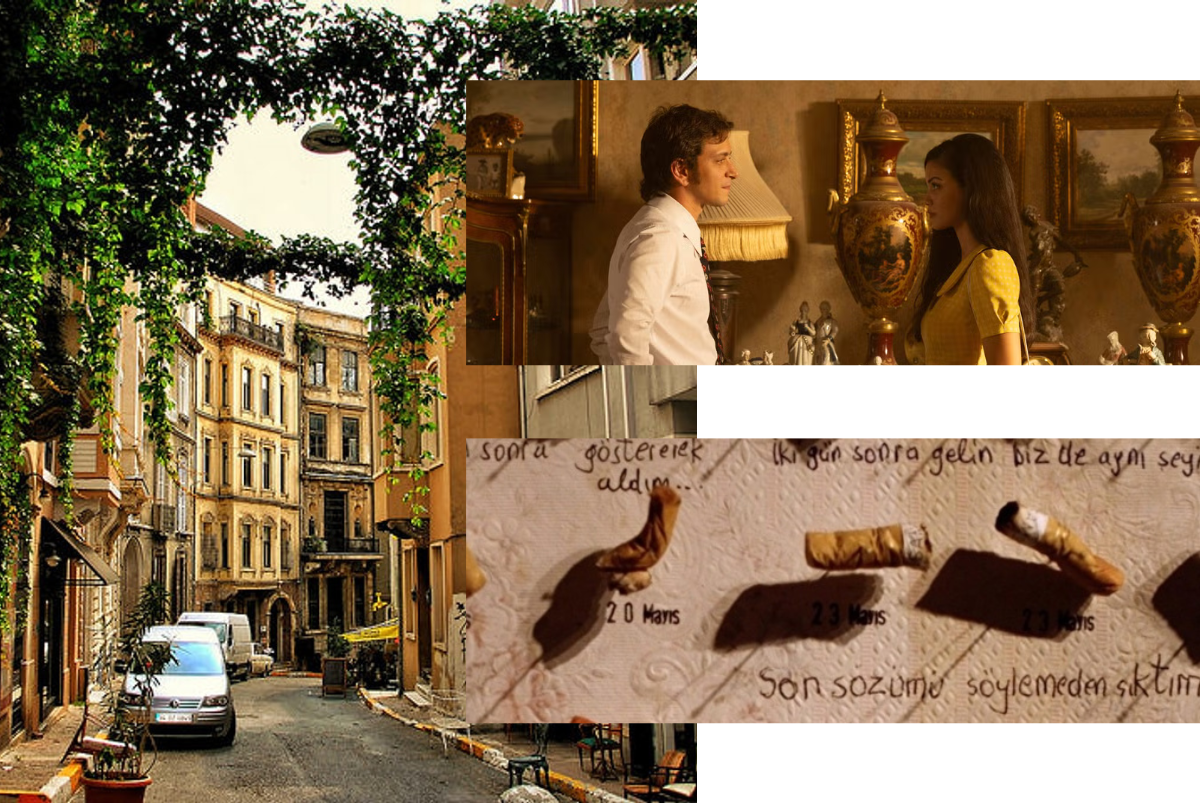
Say “Turkish series” and plenty of viewers will picture high drama,
long, charged looks and a twist just when the story seems ready to settle. Whether you’re already a fan or tend to look elsewhere, The Museum of Innocence offers another way into Istanbul’s stories.
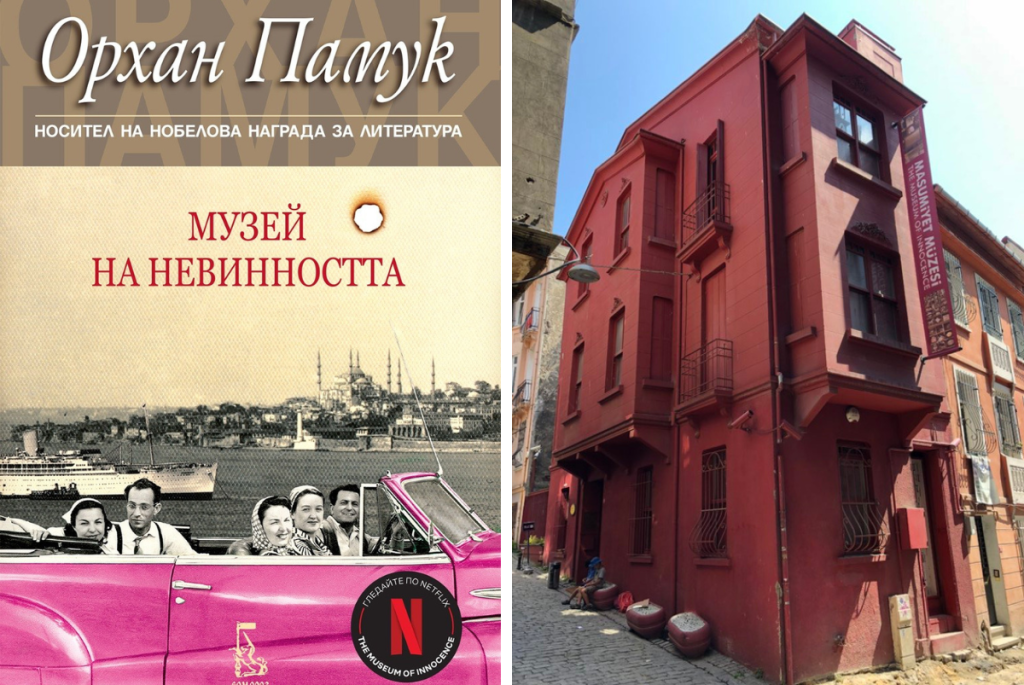
There are three ways to approach it: through the screen adaptation, through Orhan Pamuk’s n (in Bulgarian)o (in Bulgarian)vel (in Bulgarian) and the slowly unfolding relationship between Kemal and Füsun,
or through the objects that give the story a physical home.
The real Museum of Innocence stands in Istanbul. Without giving too much away, the narrative moves through the city’s affluent circles, among wealthy families, artists and people finding their way into cinema, as well as the lives beyond that privileged world.


Its setting evokes the 1970s and 1980s: an expanding city, grand homes looking towards modernity, middle-class routines and a younger generation’s ambitions, habits and style.
Over the years, we follow a love story,
or an obsession. That distinction is part of what the reader or viewer must consider. Objects accumulate alongside it, eventually becoming the museum’s collection.

Cigarette ends associated with Füsun, ornaments, dresses, jewellery, fashion accessories, chewing-gum pictures and household technology gather into a material portrait of life in Istanbul.
Who keeps cigarette ends, you might ask?
Someone trying to preserve a moment through the things left behind. Many of us keep a cinema ticket in a pocket, a concert stub in a drawer or a theatre programme tucked into a book. The object remains because it can take us back.
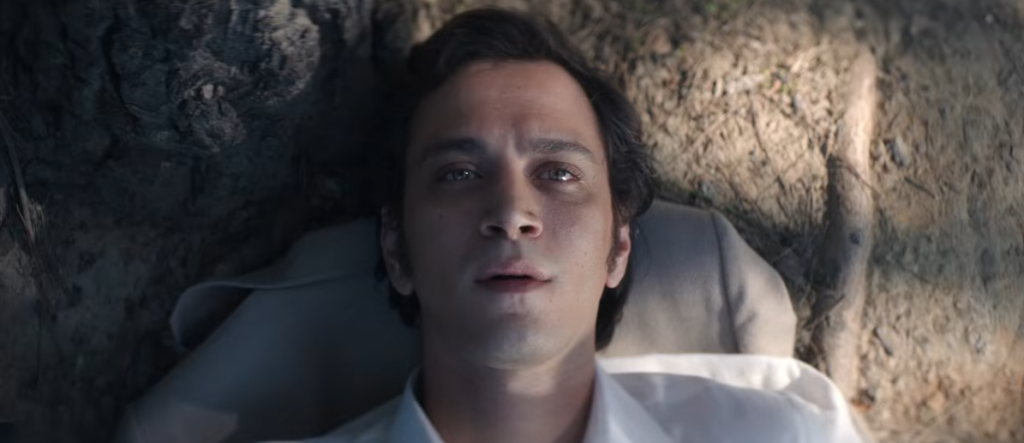
Pamuk’s story looks at emotions, actions and the ways people explain themselves. The Netflix (in Bulgarian) adaptation adds the pleasures and choices of a different medium. You could follow a tidy sequence:
read the novel, watch the series, then visit the museum
in Çukurcuma, the neighbourhood where Füsun’s fictional life unfolds. But holidays don’t always need to follow an order.
If you have the novel, bring it along and ask the museum about the page designed for a visitor’s stamp and its current admission arrangements. It’s a small way to take a trace of the experience home, much as the story itself preserves moments through things.
Istanbul: the city on two continents (in Bulgarian)
What’s happening in the city? Follow GoGuide on Instagram to hear about it first.
Subscribe to our YouTube channel for a closer look at the city, and a wider view.