Nevena Kokanova: a face that became Bulgarian cinema
The first lady of Bulgarian film, and the performances that made her unforgettable.
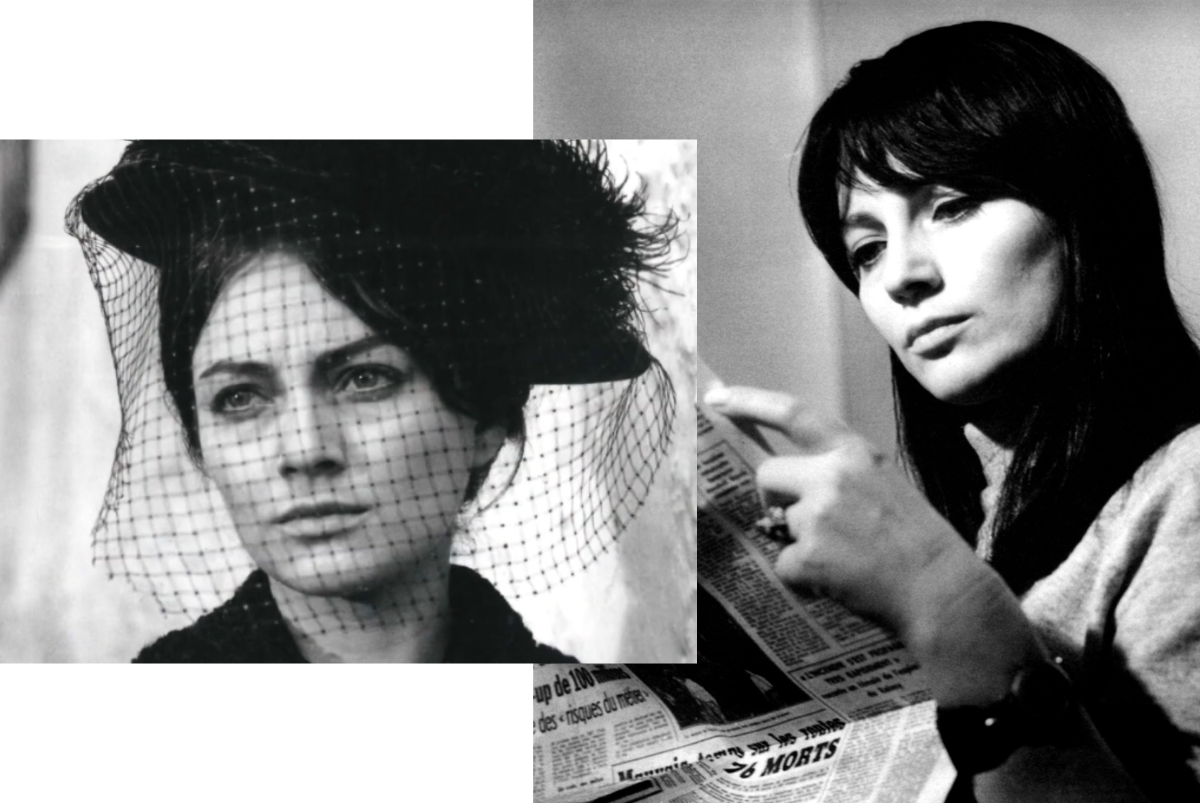
When cinema speaks, we should probably listen.
“You cannot get pregnant from going to the cinema,” goes a line from a Bulgarian film. Cinema has always had plenty to say. The older Bulgarian films, in particular, keep talking even when censorship tries to interrupt. Their black-and-white worlds are saturated with meaning; a gesture can reveal an entire philosophy of another time. Great actors inhabit other people and remain unmistakably themselves. The emotions may be staged, but they can feel more convincing than any tidy answer to life, the universe and everything. For now, let the camera stop and time run backwards.
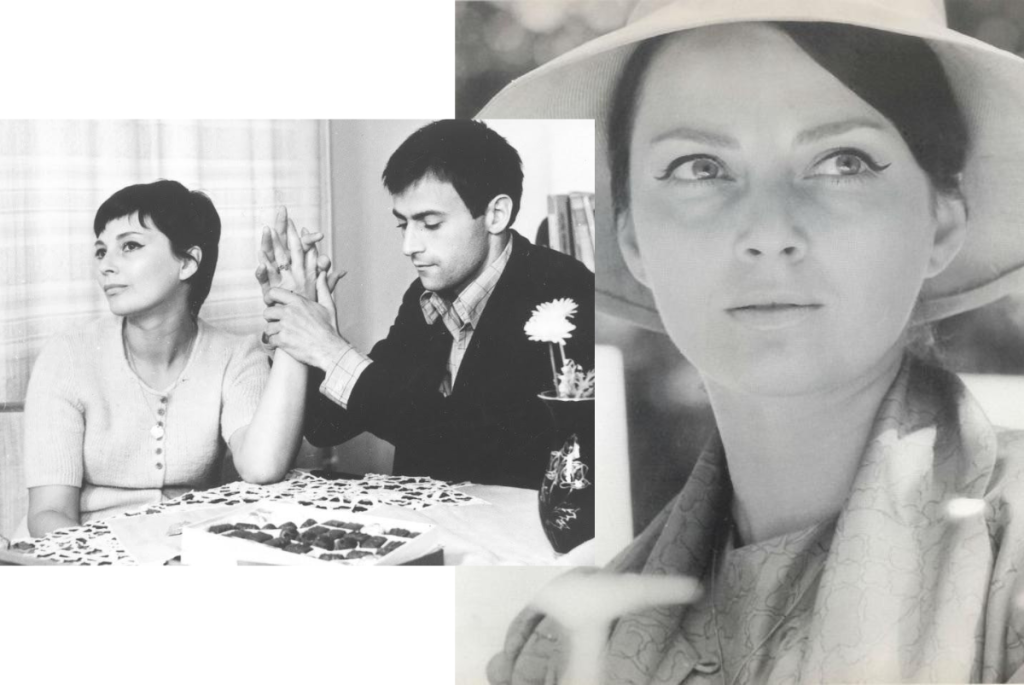
Back to 12 December 1938, when Nevena Kokanova was born. She would become known as the first lady of Bulgarian cinema, an actress whose presence gave large stories their full weight. Becoming an icon was not straightforward. Neve, as those close to her called her, had to weather the storms of twentieth-century Bulgarian filmmaking, particularly around Tobacco.
The idea of acting as her vocation, with life itself as a hobby, captures something of her complete commitment to the screen.
Kokanova faced resistance to her casting as Irina. She seemed too young and too delicate to some, too far from their settled image of Dimitar Dimov’s heroine. Director Nikola Korabov and cinematographer Valo Radev nevertheless recognised what she could bring to the role. The performance would make those early objections look very different.
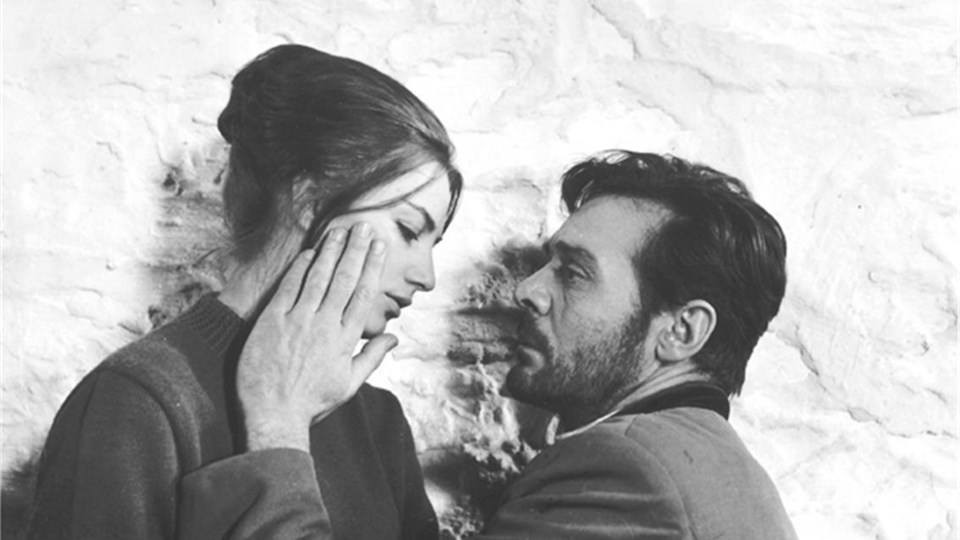
Costume, dark hair, movement and posture helped create a screen presence far removed from a simple idea of innocence. Yet the transformation mattered because of the actress within it. Kokanova made Irina’s contradictions visible without making them easy to resolve.
A heroine built from contradictions
Tobacco appeared in competition at Cannes in 1963, carrying this ambitious Bulgarian adaptation onto an international stage. That festival appearance belongs to the film’s history; the performance is what still draws us back.
It is easy to understand why.
Her performance grows with Irina. At the beginning of Dimitar Dimov’s story, the young woman is timid and hurt by her first romantic disappointment. Later she becomes a troubling combination of principle and its absence, irresistible beauty and despair. Appealing and repellent, heaven and hell. Actress and character seem to merge. It is difficult to imagine another face carrying this particular transformation so completely: a femme fatale with devastating eyes and a heart capable of leaving everything scorched.
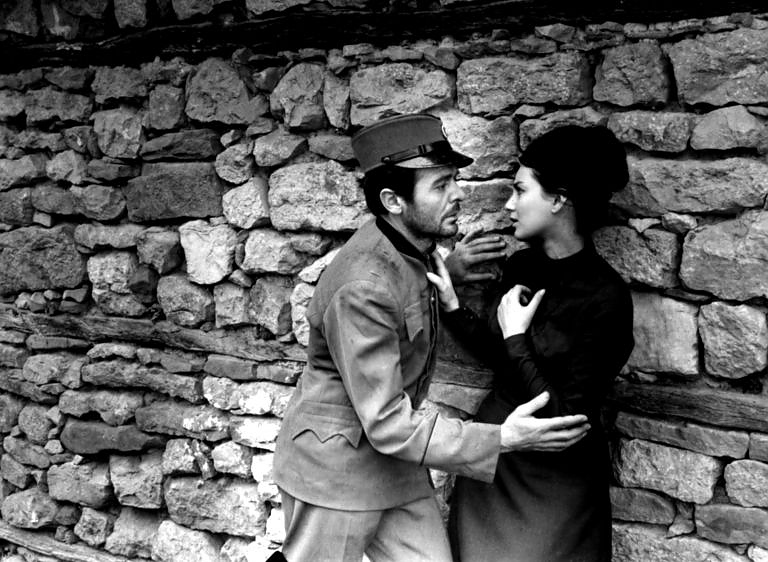
Other films followed, including Detour, The Boy Turns Man and The Scent of Almonds, each adding to her place in Bulgarian cinema. Valo Radev’s The Peach Thief (1964) brought one of its most celebrated love stories. The screen relationship between Liza and Ivo Obrenovich also became inseparable, in accounts of the actors’ lives, from Kokanova’s relationship with Serbian actor Rade Marković. That is another story, deserving a space of its own.
A life that remains on film
As audiences hurried to see her next performance, time was already turning Kokanova into a legend. She died on 3 June 2000. In Godini Lyubov, Georgi Toshev wonders what her eyes, her face and her spirit might have been like at eighty. The films preserve something time cannot return to us. Call it classic Bulgarian cinema. Or simply say Nevena Kokanova, and let the name do the rest.
Five of Bulgaria’s best-loved films
Subscribe to our YouTube channel for a closer look at the city, and a wider view.