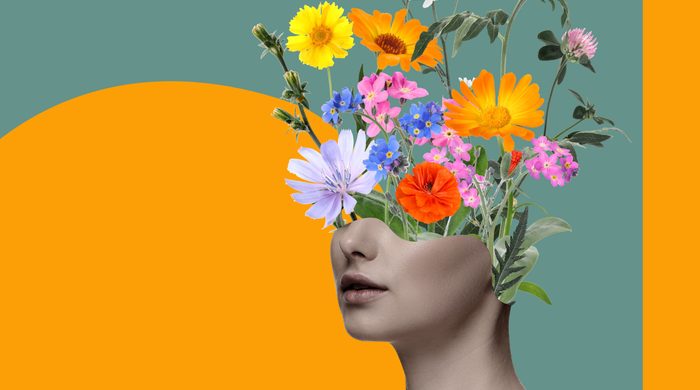
David Bowie, ten years beyond the ordinary
A decade after his death, Bowie is still changing the conversation.
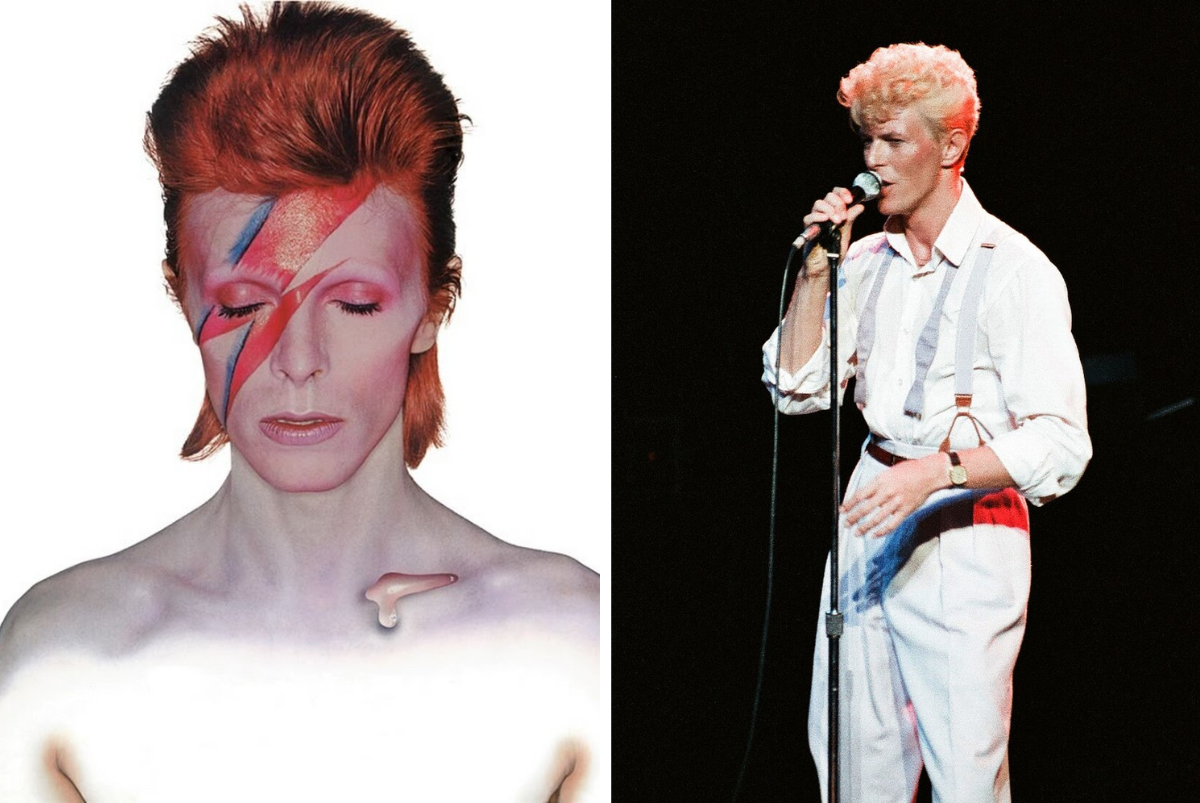
January 2026 marked ten years since David Bowie’s death.
He would have turned 79 on 8 January. Looking back, the scale of what has changed in that decade feels almost impossible to take in. The Starman, the Thin White Duke, Ziggy Stardust: whatever name we give him, his presence in culture remains extraordinarily vivid, even as the world around it becomes less recognisable.
Perhaps he really was an alien who simply went home.
The announcement of evidence for a hypothetical Planet Nine shortly after his death felt like the sort of cosmic coincidence Bowie might have enjoyed. It was a proposed planet, not a discovered one, but the association with The Man Who Fell to Earth was irresistible.
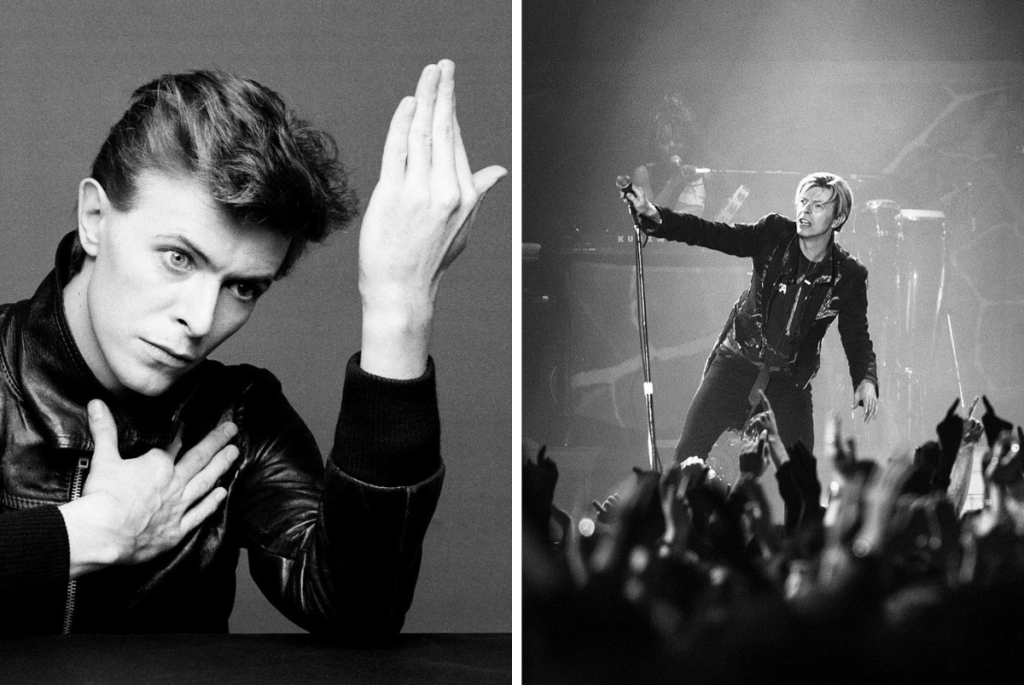
At moments like this, I often wonder what Bowie would say. Not just because he was Bowie, but because his mind appeared to work on a different set of possibilities. Perhaps that explains why his work still speaks so clearly to a world that seems increasingly unsettled. He left in 2016, before Brexit, Trump’s election and so much of what followed.
He took his final bow on the edge of a world that would have to continue without him.
In times of uncertainty, I return to my own relationship with his art.
The David Bowie Centre opened at V&A East Storehouse in London in September 2025, giving a home to an archive of more than 90,000 items, much of it carefully kept by Bowie himself.
There are sketches, stage costumes, posters and projects that never came to fruition.
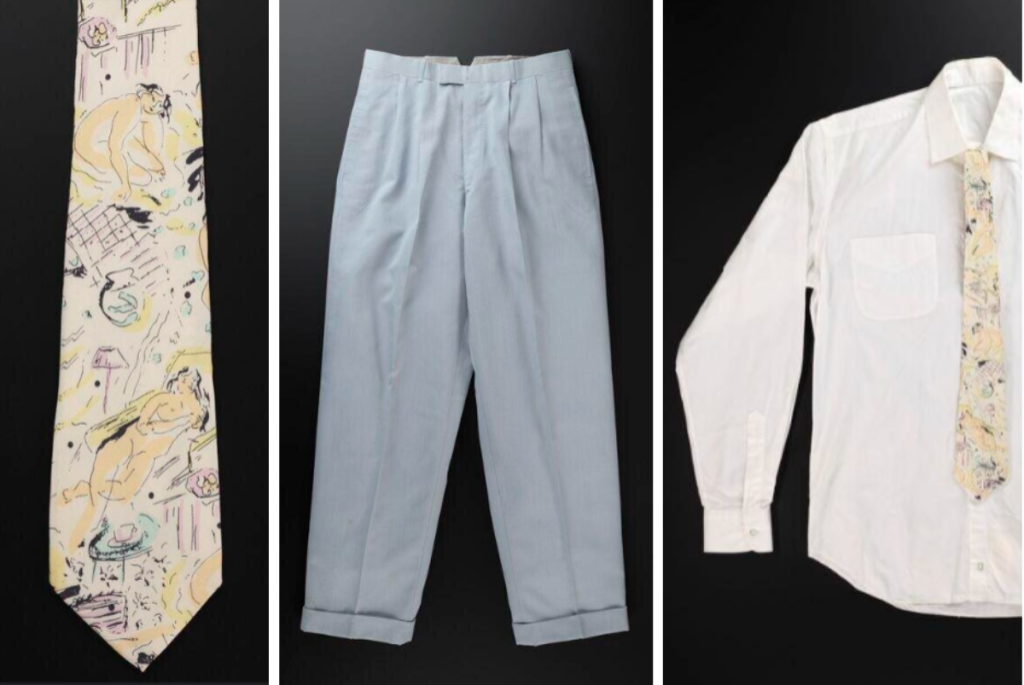
These are more than museum objects. They show how fashion, visual art and music belonged to the same imaginative enterprise. To mark the anniversary, I chose three pieces that seem to capture something of his eclectic personality and singular way of seeing.
Photography: David Bowie Centre at V&A East Storehouse.
Fashion as identity is there in the suit from Live Aid in 1985. Apparently restrained, it shows how Bowie used clothes as a language, a way of reaching other outsiders and rebels. Line, fabric and detail work together to create a character, rather than follow a passing trend. Style becomes an extension of the music. Bowie could reinvent himself, but he could also embody a moment so completely that he seemed to become an era. Several eras, in fact.
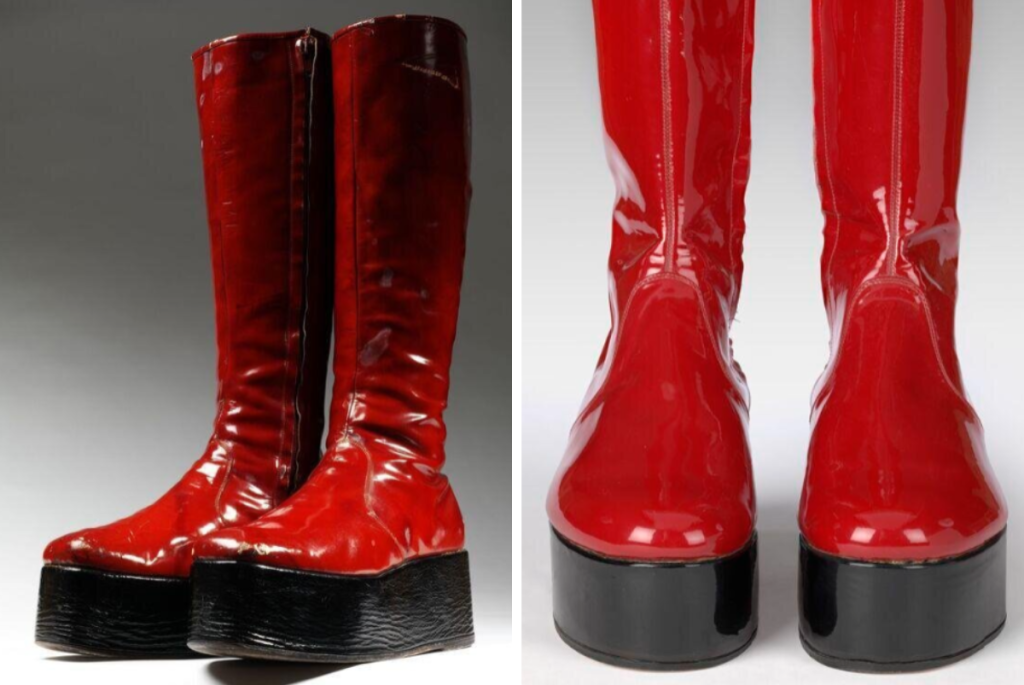
Photography: David Bowie Centre at V&A East Storehouse.
Provocation and performance take physical form in the bright red vinyl boots designed by Kansai Yamamoto. Eccentric, theatrical and uncompromising, they express Bowie’s challenge to the stage and to the very idea of a star. Gender, genre and visual expression cease to have tidy borders. Japanese avant-garde design was central to the world of Ziggy Stardust.
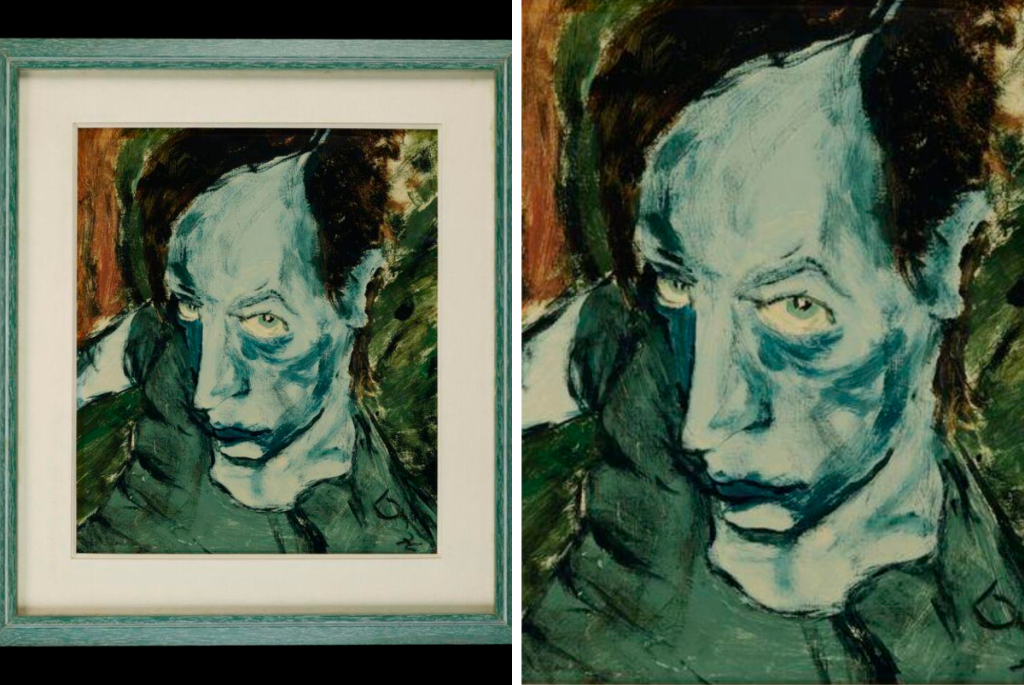
Photography: David Bowie Centre at V&A East Storehouse.
Bowie the visual artist appears more quietly in his 1976 portrait of Iggy Pop. Almost inward-looking, it shows an ability to observe and interpret the people around him as well as invent new identities. Iggy was a close friend and collaborator, particularly during their Berlin years, when Bowie was developing the work associated with his Berlin trilogy and Pop recorded The Idiot and Lust for Life.
Choosing only three objects is almost impossible. Another visit to the archive would probably produce a different selection. But the larger question Bowie leaves us is this:
What does it mean to be truly creative in a world obsessed with repetition and optimisation?
At a time when algorithms anticipate our tastes, he still offers a radically different example: an artist interested in transformation more than perfection. Watch the interview above about the internet at the end of the Nineties, on the brink of another digital revolution. Then imagine what he might have made of artificial intelligence.
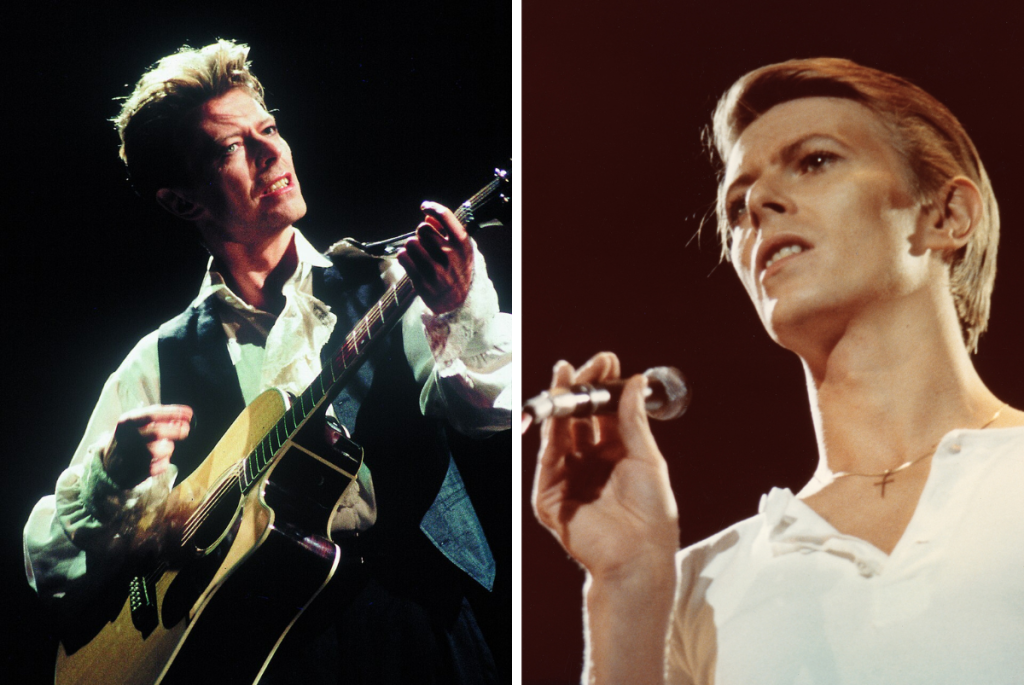
His work did not simply reflect an era. It reshaped it.
And perhaps that is why, the more technology attempts to imitate creativity, the more clearly we recognise the value of human imagination, with all its risks, contradictions and mistakes. No algorithm can be Ziggy Stardust.
Syd Barrett: the ghost in Pink Floyd’s music
What’s happening in the city? Follow GoGuide on Instagram to hear about it first.
Subscribe to our YouTube channel for a closer look at the city, and a wider view.