Syd Barrett: the ghost in Pink Floyd’s music
In the year he would have turned 80, we return to the songs and imagination he left behind.
English version of GoGuide’s Bulgarian edition. Bulgarian translation from Italian: Kristiyana Burdeva.
London, the mid-Sixties.
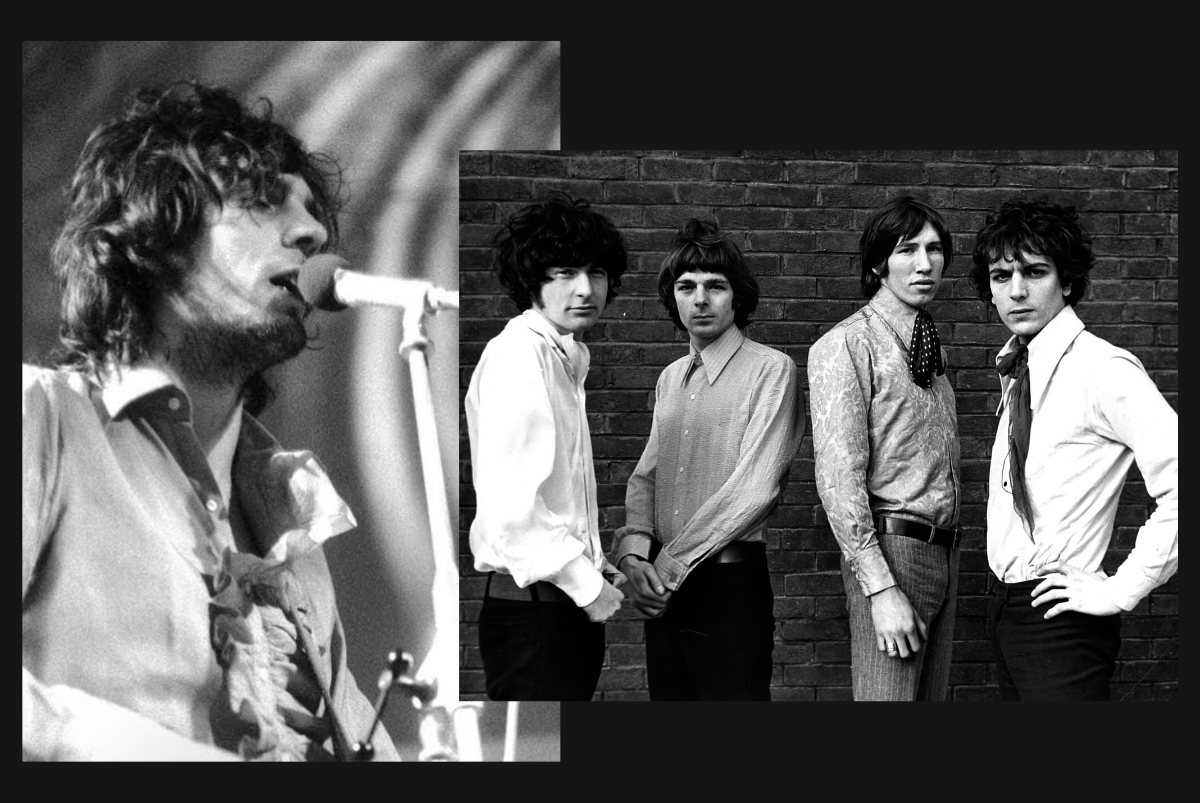
Beyond the rain and bureaucracy, unfamiliar sounds are taking shape. Psychedelia arrives less as a neatly defined genre than as a cultural current running through music, film and the ambitions of a generation unwilling to grow up on somebody else’s terms. In the British underground, bands are beginning to build worlds as well as play songs.
Pink Floyd soon become one of the most recognisable expressions of that colourful, inventive moment.
At their centre is the young Syd Barrett, an extraordinarily imaginative musician who can turn psychedelia into something resembling cosmic poetry or a pop nightmare.
Pink Floyd’s debut album preserves that vision: childlike wonder with an undertow of anxiety. Success, however, comes at a cost. Barrett’s difficulties, and the drug use associated with this period, begin to affect his ability to work with the band.
His place in Pink Floyd becomes increasingly uncertain.
Within a few years, the songwriter who helped define their sound is becoming detached from the group. “Jugband Blues” can be heard as a painful farewell: raw, disorientating and intensely moving. It resists the direction of a band beginning to look beyond the underground.
The opening turns a polite acknowledgement into a disturbing statement of absence: someone is being addressed who no longer quite feels present.
Unlike the more immediately inviting “Arnold Layne”, “Flaming” and “See Emily Play”, the song offers little comfort. It remains one of psychedelic rock’s most exposed moments, ending with questions that refuse to settle into an answer.
Dream and joke become difficult to tell apart.
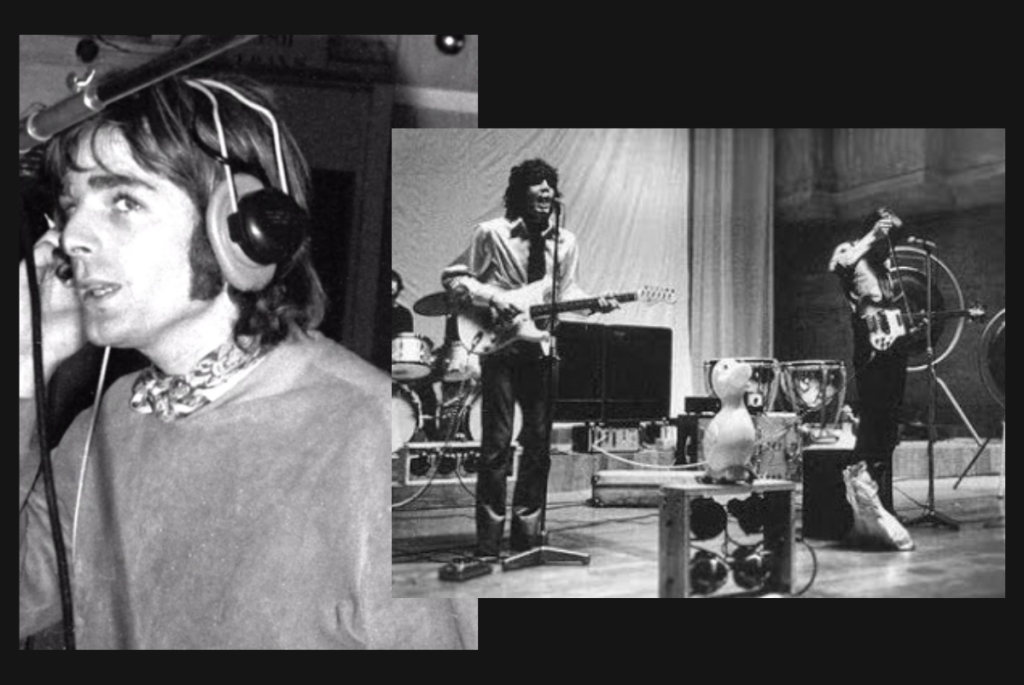
After leaving Pink Floyd, Barrett made two solo albums before gradually withdrawing from public life. In 1975, aged 29, he appeared unexpectedly at Abbey Road during the sessions for Wish You Were Here. His changed appearance meant that his former bandmates did not immediately recognise him. They were working on an album
shaped by absence, estrangement and memory, with Barrett himself at its emotional centre.
His arrival made those themes suddenly physical. “Shine On You Crazy Diamond”, the extended piece that frames the album, is more than a tribute. It sounds like an attempt to reckon with a loss the band had never entirely resolved.
Barrett remained part of Pink Floyd’s imaginative foundations long after he stopped making music with them. He later lived privately in Cambridge and returned to painting. He died in 2006, aged sixty. The appetite for the legend could easily obscure the person who had chosen to live beyond it.
His withdrawal deserves respect as well as curiosity.
David Gilmour joined Pink Floyd at the start of 1968, briefly playing alongside Barrett before the group continued without him. Barrett’s songs remained part of its imaginative foundations. Returning to that music seems a better tribute than trying to solve the man. We will always make time for it.
The albums we were looking forward to in 2026
What’s happening in the city? Follow GoGuide on Instagram to hear about it first.
Subscribe to our YouTube channel for a closer look at the city, and a wider view.