America: Jack Kerouac’s great literary invention
A documentary follows the long afterlife of On the Road, and the freedom it promised.
Not because the country his characters travel through does not exist,
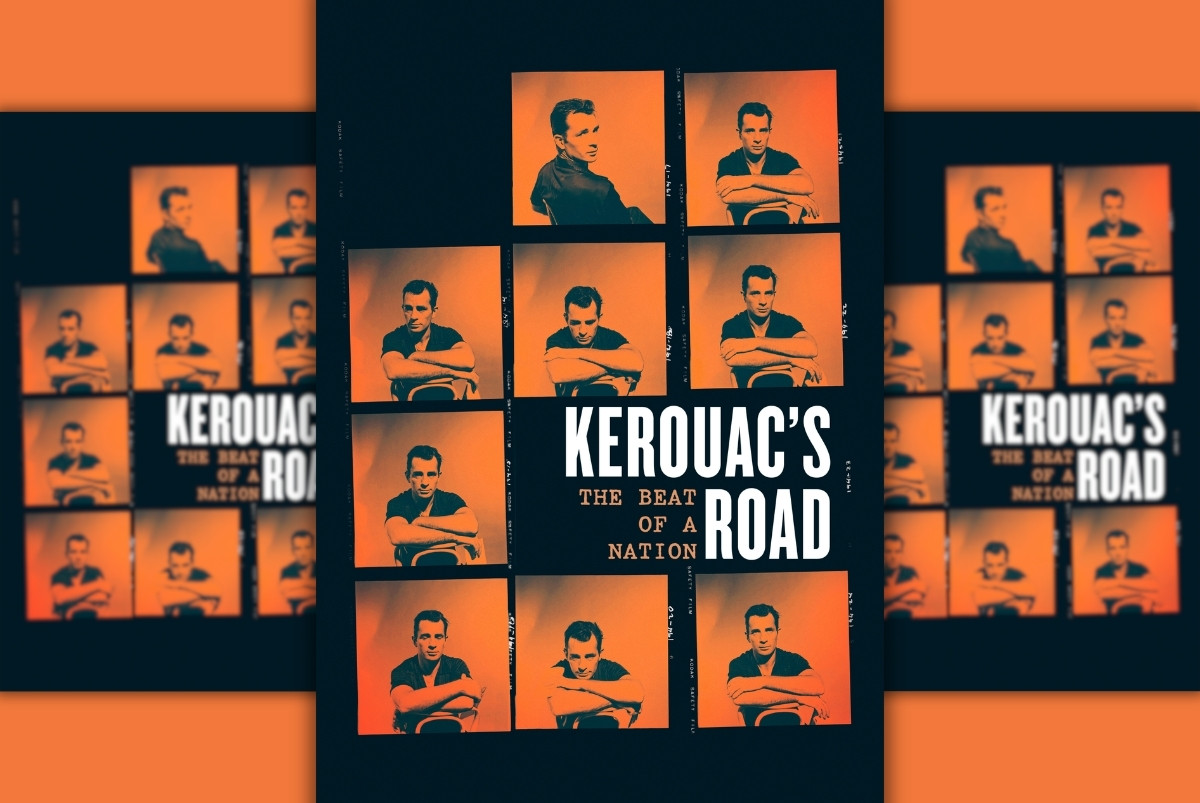
but because in his books it acquires dimensions unknown to geography. The road is space, time, rhythm and the possibility of endlessly beginning again. Above all, it promises a freedom that can never quite be attained. Ebs Burnough’s 2025 documentary Kerouac’s Road: The Beat of a Nation examines that promise. Its subject is less the writing of On the Road than the novel’s long life in the American imagination. What happens when a literary idea becomes a national myth?
And what remains of it almost seven decades later?
One of the film’s most interesting strands brings together people who can speak about Kerouac beyond his literary legend. Joyce Johnson, Ann Charters and David Amram connect with different periods of his story. Their testimony matters because it restores a human scale to someone who long ago ceased to be merely a writer. In cultural memory, Kerouac exists almost independently of his books: an emblem of rebellion, youth, wandering and refusal to follow the rules.
His own life, however, was far removed from the freedom we associate with his writing. He became a symbol of the free spirit, yet remained troubled by alcohol dependence, loneliness and difficult relationships. There is something sad about that distance. Millions of readers found in his books the courage to change their lives, while the writer struggled to manage his own.
Burnough places archival testimony beside the lives of contemporary Americans,
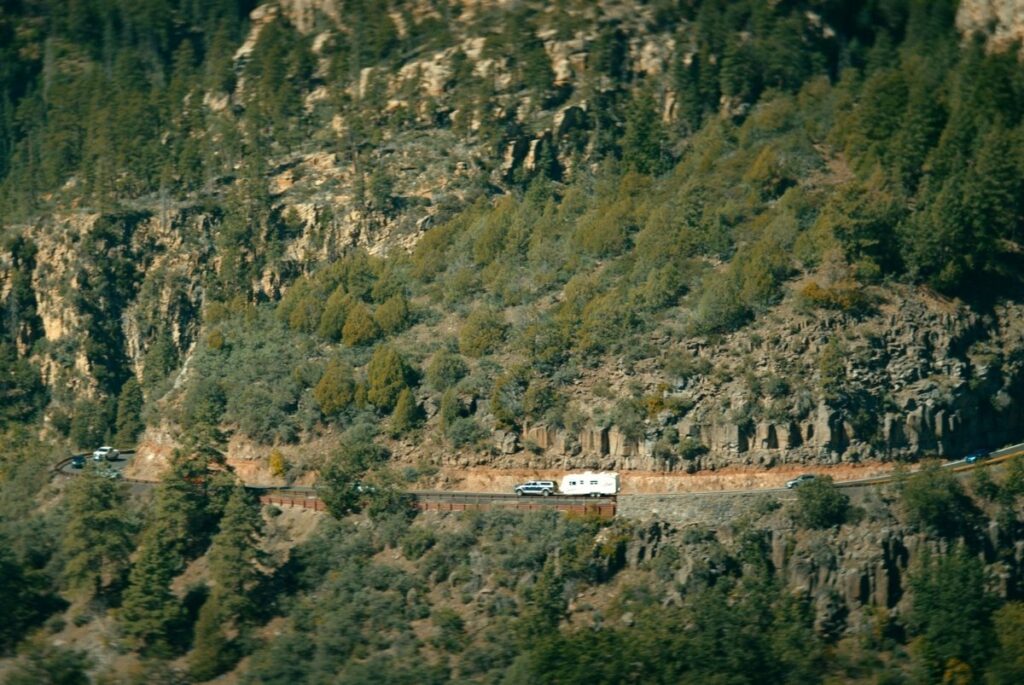
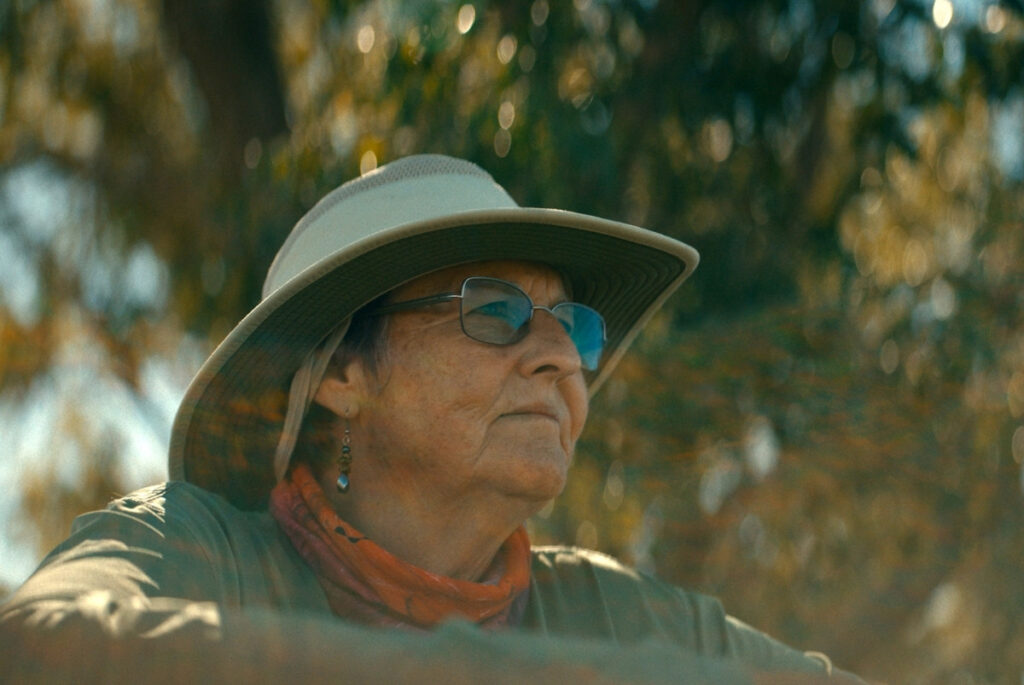
who also travel, search and leave one place for another. We follow a young man moving away to study, a woman travelling by camper van to see her estranged father, and a couple who have chosen life on the road. Their stories are interesting, but the connection with Kerouac is not always convincing. At times, simply setting off seems enough to make someone an heir to the Beat generation.
I understand Burnough’s intention: to discover what remains of the freedom that On the Road turned into literary myth. But the film raises a more interesting question. Who could actually afford that freedom in Kerouac’s America? The ability to cross the country without a fixed destination, sleep wherever you could, rely on strangers and leave work or family behind was never equally available. For a young white man, the road could mean adventure. For a Black American or a woman travelling alone, the same journey involved dangers Kerouac’s characters seldom considered.
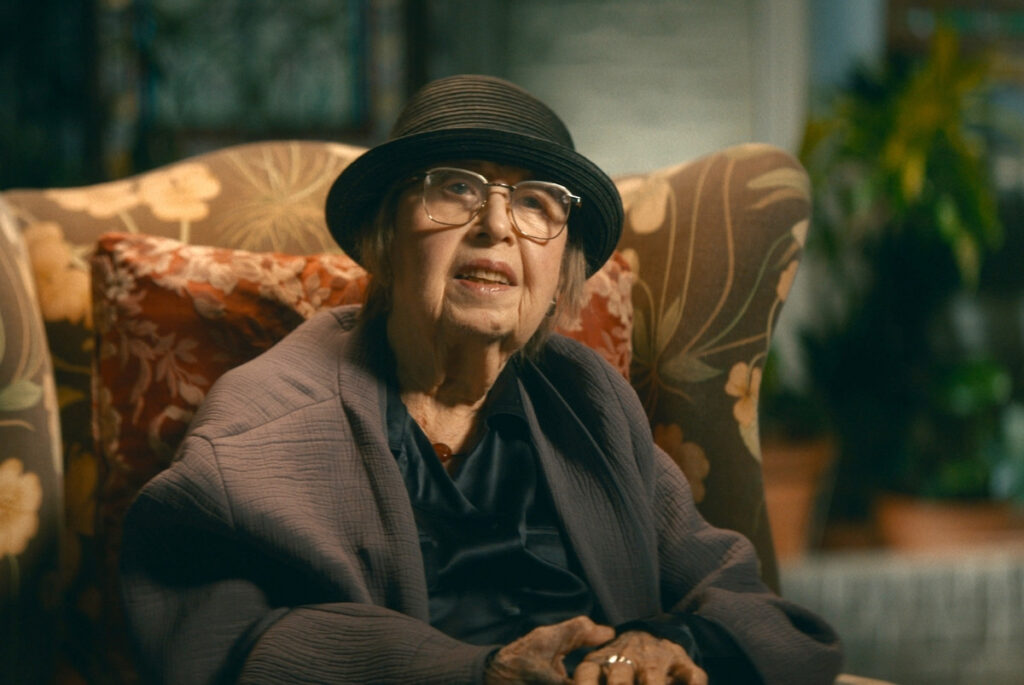
The conversation with Joyce Johnson is particularly revealing.
She recalls Kerouac encouraging her to travel alone, apparently without appreciating how different that journey would be for a woman. Comedian and journalist W. Kamau Bell offers a striking thought experiment: what book might Kerouac have written had he travelled across America with James Baldwin? The question changes our perspective on On the Road.
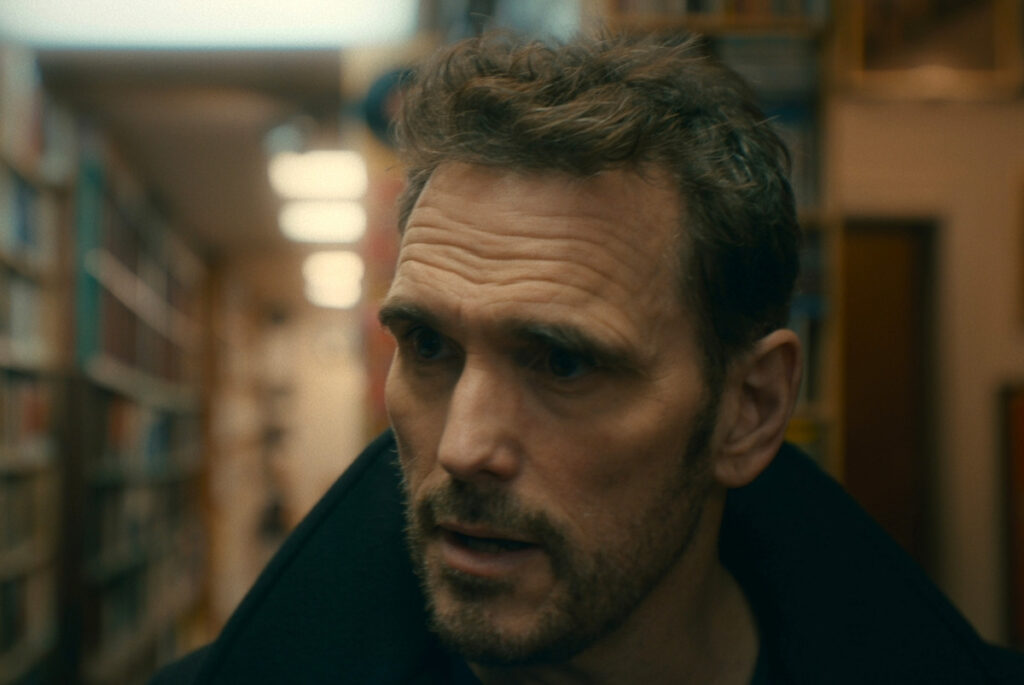
The America that seems endlessly open to Sal Paradise and Dean Moriarty would look very different through Baldwin’s eyes. Yet I sometimes feel that, in turning the novel into a discussion of contemporary America,
Burnough pushes the most essential thing into the background:
Kerouac’s writing itself. The road is not simply movement, or even an escape from settled life. It is a rhythm of existence intimately connected with the way he writes.
The movement of the car, the thought and the sentence all connect with bebop’s syncopation: its unexpected accents, headlong improvisation and sudden changes of pace. Early in On the Road, Kerouac invokes Charlie Parker and “Ornithology”, and the emergence of Miles Davis. Later comes Dexter Gordon and Wardell Gray’s “The Hunt”, while jazz history takes shape through Louis Armstrong, Lester Young, Thelonious Monk and Dizzy Gillespie. The scenes with pianist George Shearing and Slim Gaillard are especially vivid; their performances send Dean Moriarty into something approaching religious ecstasy.
Jazz is more than a soundtrack to the journeys.
Kerouac brings its improvisational logic into the prose. Long phrases unfold like saxophone solos. A thought moves away from its theme, returns, accelerates, breaks off and gathers speed again. He tries to achieve with words what musicians achieve with sound: the impression of immediate improvisation, supported by formidable technique and control of form.

Jay McInerney recalls something crucial in the film: how much work Kerouac put into creating that impression of spontaneous, almost unstoppable writing. The legend of a novel written in three weeks on a long paper scroll often eclipses years of experiment, revision and rewriting. That is his great achievement. Not travelling further or more boldly than anyone else, but turning experience into a new literary language. The film is strongest when it examines Kerouac as a writer and questions his legend. It is least convincing when it tries to find a continuation of On the Road in every contemporary American journey. Not every journey is an escape, not every escape is liberation, and above all,
not every movement becomes literature.
While making I Was Jack Kerouac, released in 2014, I spoke with Carolyn Cassady, the novel’s Camille, and Al Hinkle, its Ed Dunkel. Both spoke bitterly about conversations that inevitably drifted towards slogans, clichés and banal ideas about freedom, far removed from either the man or his books. Kerouac, they said, invented America. He turned his wanderings into myth, wrote something like saints’ lives for his friends and made a legend from his own life. Real people and events remained recognisable, but now belonged to another America: the one that exists in his writing.
It is to that invented America that Burnough returns.
Interestingly, the actors, writers and musicians he interviews mainly talk about themselves: how old they were when they read On the Road, their rebellions, what they found or hoped to find in it. Josh Brolin even admits he would not read it again. That is more interesting than another round of praise. Each has read a different book, although the title is the same. Burnough does not resolve those differences, and that is why his film deserves attention. It shows how a literary invention takes on a life beyond its author’s intentions, its own period and even literature itself. Kerouac invented his America in On the Road, and
for almost seven decades, readers have been taking their own road in search of theirs.
Kerouac’s Road: The Beat of a Nation was selected for the twelfth CineLibri festival in 2026. See the festival’s film listing for details of the documentary.
Bulgarian highlights in the CineLibri programme
What’s happening in the city? Follow GoGuide on Instagram to hear about it first.
Subscribe to our YouTube channel for a closer look at the city, and a wider view.