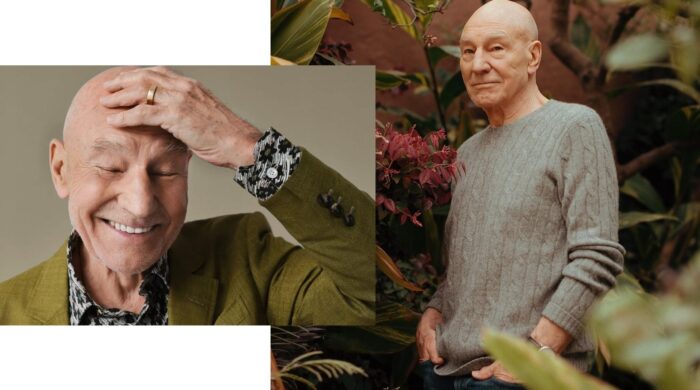
Ivaylo Rashev: “The balance lies in letting a place show the years it has lived”
Villa Rossa’s general manager on giving a former state residence a new life.
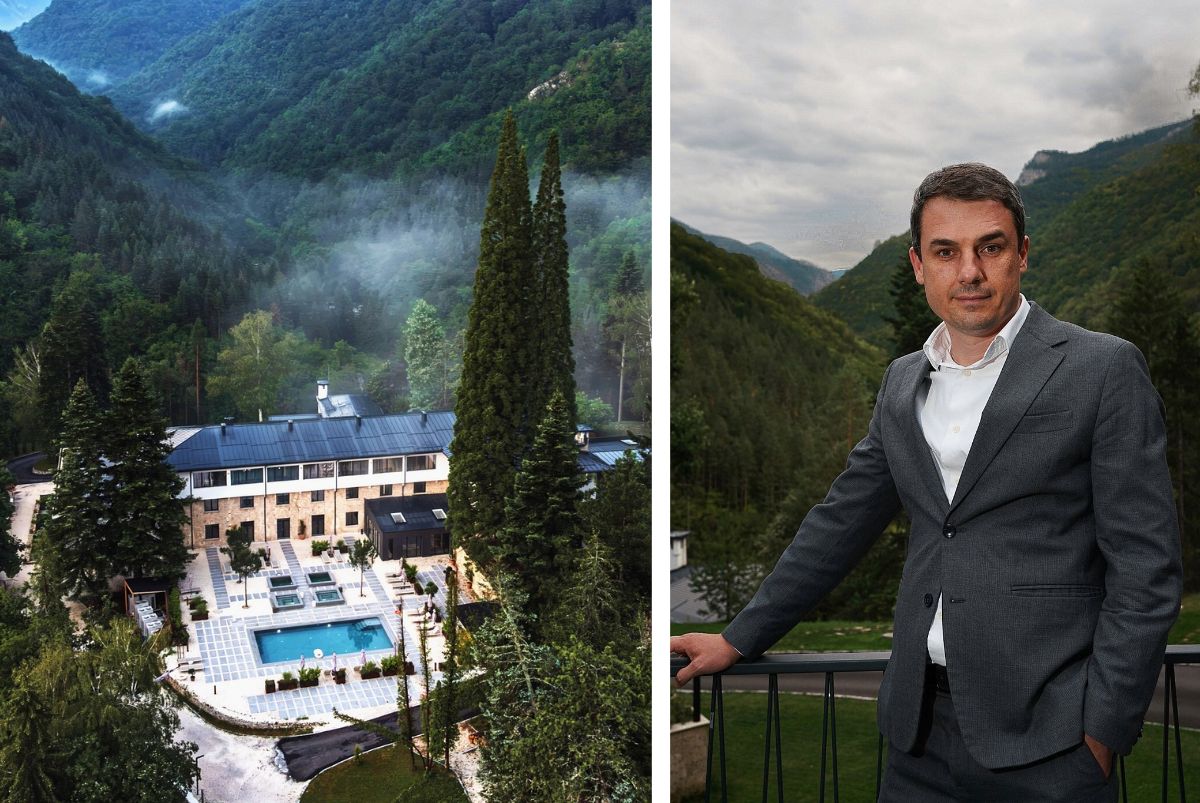
In Narechenski Bani, one place seems to have found a way to hold several different eras beneath a single roof.
Villa Rossa has history, architecture and character, but looks firmly ahead. The former state residence is now a luxury retreat where quiet, mineral water, nature and small details shape a new experience. Beneath it remain bunkers and shelters, traces of a past the team chose to incorporate rather than hide. General manager Ivaylo Rashev explains the thinking behind the hotel, the choice of Narechenski Bani and where luxury begins. This is the property through his eyes, from major decisions to details a visitor might otherwise miss.
Villa Rossa’s name refers to the past. What does it mean to you now?
It carries the place’s “red” history. The residence was built for the Communist Party leadership and used before 1989 by figures
including Todor Zhivkov, Pencho Kubadinski, Tsola Dragoycheva and Lyudmila Zhivkova.
We did not want to erase that history. It is part of the identity, and the name acknowledges it. In one sense, the essential function remains: rest, recuperation, peace and a break from daily life. The difference is that it is now a hotel, rather than a residence reserved for a political elite.
Where is the balance between preserving the building’s character and giving it a new life?
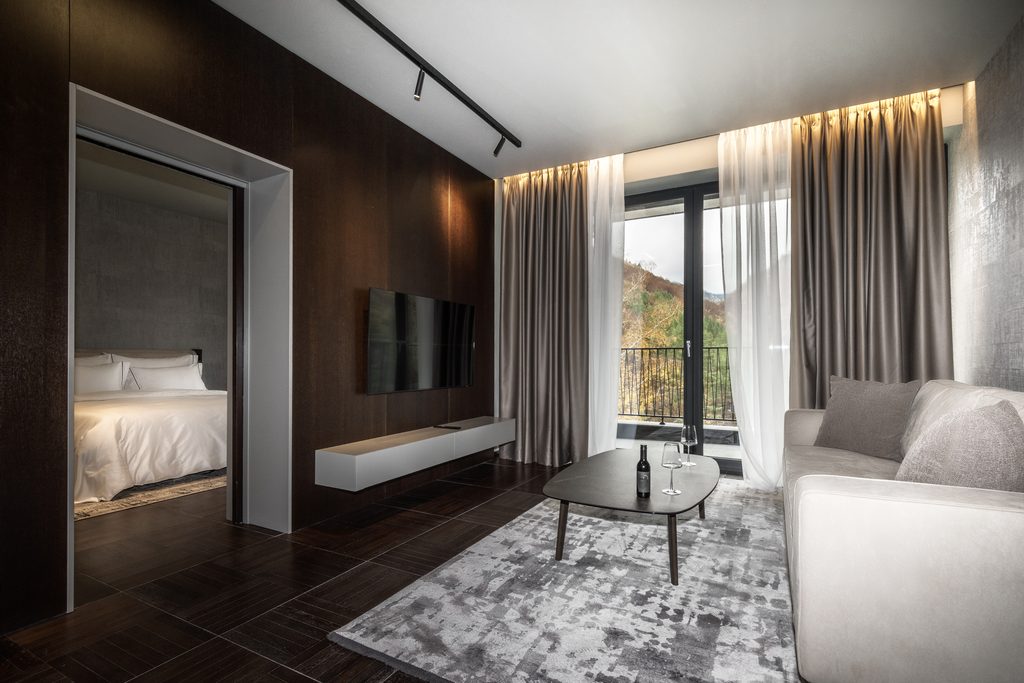
For us, the limit is the point where you begin changing its character. We retained almost all the architecture. Many rooms and suites follow the original layouts. Inside, however, we wanted a contemporary life, with a design by Alberto Carucci and KSHTA. The result is a conversation between an older building and an interior expressing a quieter kind of modern luxury.
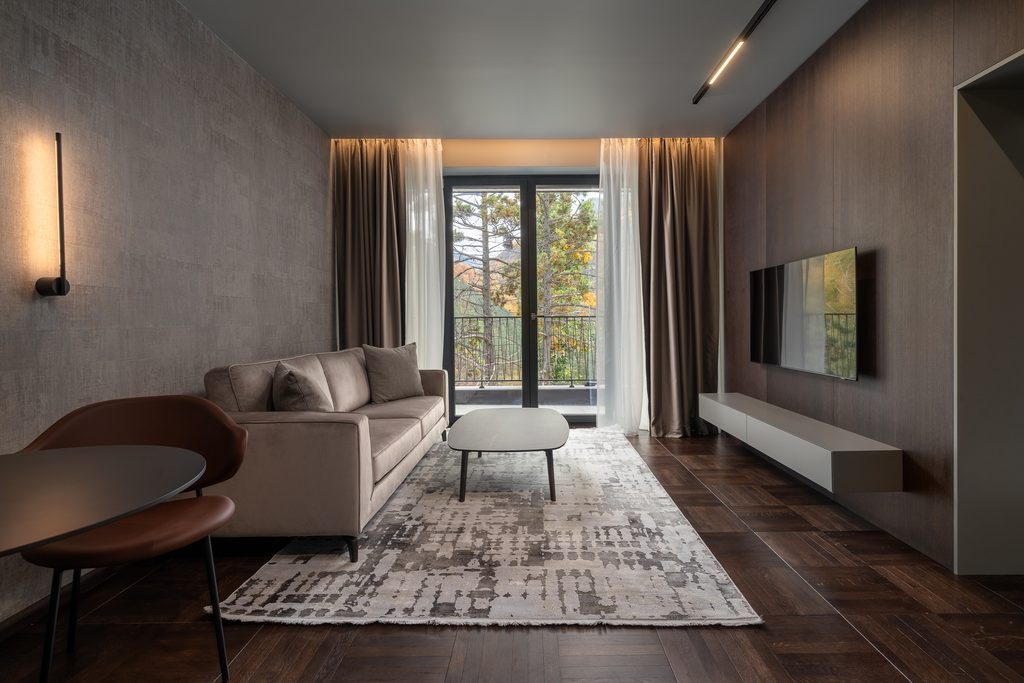
The original oak parquet is perhaps the clearest example. When the investor acquired the residence, it was in poor condition and much of the original interior had gone. We saved the floor. It has been laid in a contemporary pattern, but guests walk on timber that earlier visitors knew decades ago. That is the balance: letting a place show the years it has lived, and making those years part of its next chapter. International recognition has also mattered to us.
We were delighted to receive recognition in the Small Luxury Hotel category for Bulgaria at the International Hotel Awards. It tells us that what we have tried to create belongs on an international stage too.
Why Narechenski Bani? What did you see here that might not be immediately obvious?
Everything begins with mineral water. It shaped the settlement and its long spa history. The local radon-bearing mineral water is part of the area’s identity, and ours. We use the spring that supplied the old residence, known as Soleno Izvorche, in specially designed spa baths. The history is therefore not only in the architecture and stories,
but in the experience of the place itself.
Water was not the only attraction. We are in the Rhodope Mountains, surrounded by forest, quiet and a particular sense of proximity to nature. Those things become more valuable in a busy world. We also want to contribute to the destination, not merely to our own hotel. Narechenski Bani has history and natural resources but has spent years somewhat outside the spotlight. We saw its potential and believe it still has much to offer.
How did the former bunkers and shelters become part of a contemporary hotel?
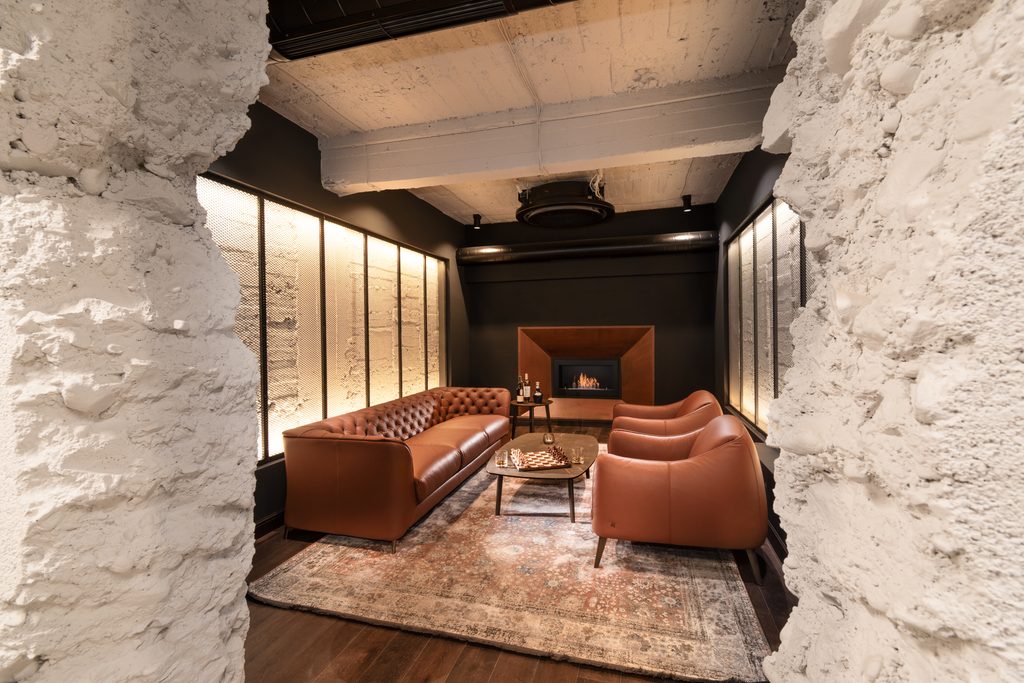
We preserved them and gave them another purpose. Four are used for private gatherings and wine tastings, each with a fireplace and a character unlike the rest of the hotel. The fifth has the most interesting story. During the building survey, we noticed an inaccessible space. Removing an enormous wardrobe in an adjoining room revealed an opening about a metre across.
It led to what we understood to be the most protected bunker.
Today it holds our most valuable wines, the special reserves from Villa Daros. A place once designed to protect people now protects wine. We accepted that difficult layer of history as part of the building and gave it a different meaning.
Which small detail best expresses what you hoped to achieve?
For me, it is the roe deer that often walk around Villa Rossa in the evening. We can talk about the Rhodopes, the forest and the views, but seeing wild animals at ease nearby feels more direct. It gives me real satisfaction. Whatever we have built, the place still belongs to nature. A first-time visitor might not notice it immediately, but it says a great deal about what we want this hotel to be.
Was there anything you deliberately chose not to add, even though guests might expect it?
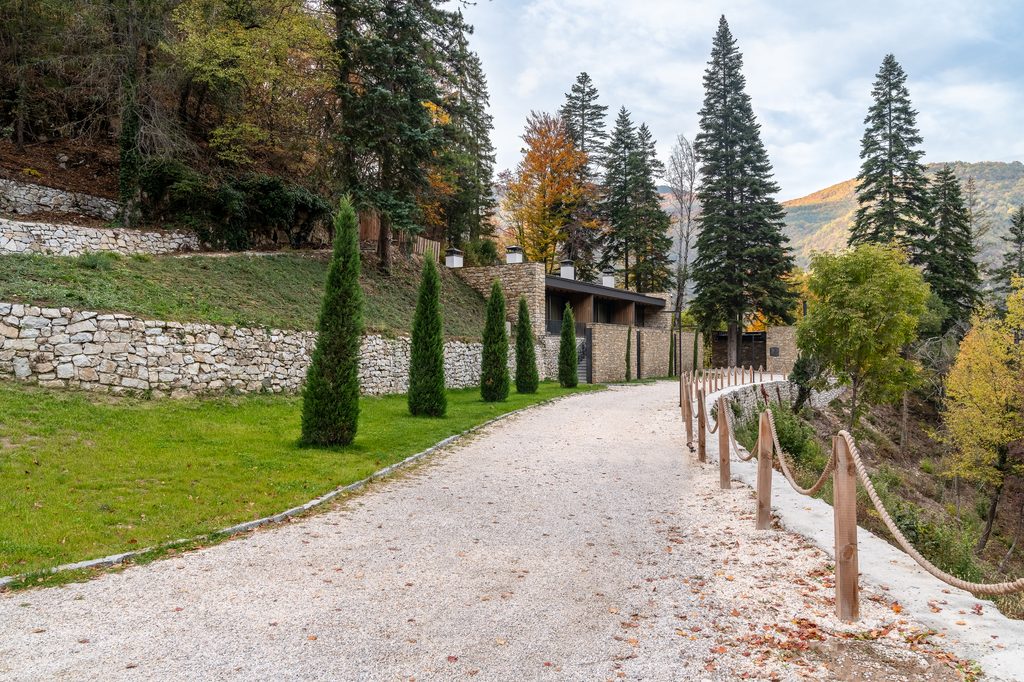
Parking immediately beside the hotel. It might seem an obvious convenience, but keeping the surroundings peaceful mattered more. Guests leave their cars about six hundred metres away and come up in electric vehicles. Around the hotel there is no passing traffic or unnecessary engine noise. On the terrace, you hear birds, the Lyuti Dol stream and wind in the trees. To us, that is worth more than parking at the front door. Sometimes luxury comes from knowing what to leave out.
What would you show a first-time guest first?
The greenery is immediately apparent, along with the trout pond at the entrance, recalling the residence’s earlier life. We sit within wooded grounds, with many trees and plants more than sixty years old. Some are unusual for the region, which makes the planting particularly interesting.
The three sequoias impress me most,
and have become natural symbols of the place. I also show guests the path to the panoramic pavilion. It gives them a sense of the landscape above the hotel. That is the first feeling I want to offer: a reason to stop, hear the quiet, look at the view and notice the nature around them. Everything else can come afterwards.
Three places beyond Sofia for a different kind of escape
What’s happening in the city? Follow GoGuide on Instagram to hear about it first.
Subscribe to our YouTube channel for a closer look at the city, and a wider view.