Etna: the mountain that became a world
A journey through the myths, stories and literature shaped in the volcano’s shadow.
By Daniele Monteleone. English version of GoGuide’s Bulgarian edition, translated and edited in Bulgarian by Kristiyana Burdeva.
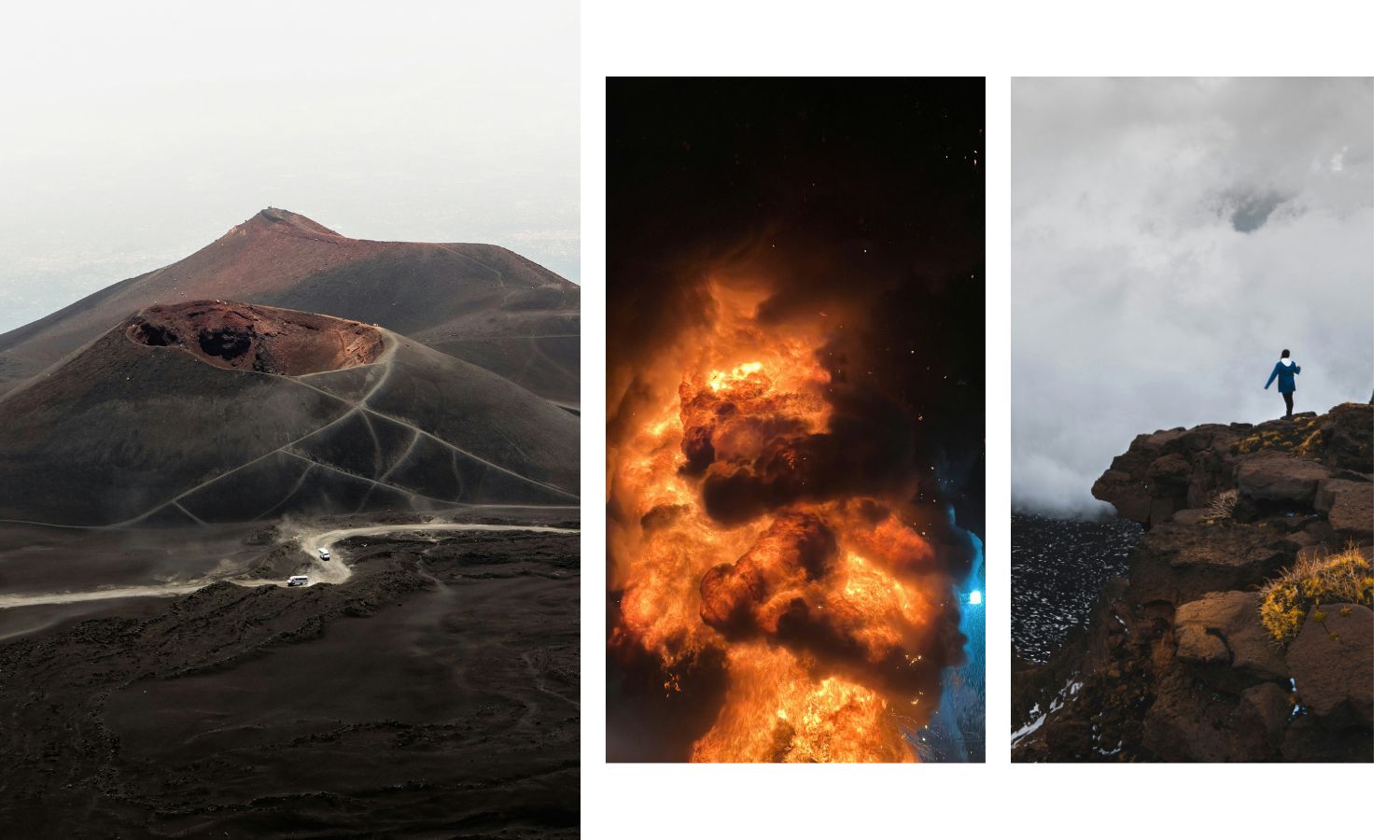
Etna, one of the world’s most active volcanoes,
has never allowed the people around it to forget its presence. Its eruptions have drawn historians, storytellers and chroniclers for centuries, inspiring admiration and fear, and sometimes bringing devastation. Power and beauty coexist here. Writers have returned to that tension across generations and millennia. Local tradition associates the sea stacks at Aci Trezza with the rocks Polyphemus throws at Odysseus in Homer’s Odyssey. Other myths place the Cyclopes’ forge beneath the volcano, where they work for Hephaestus, making Zeus’s thunderbolts. These are stories attached to the landscape, not geological explanations.
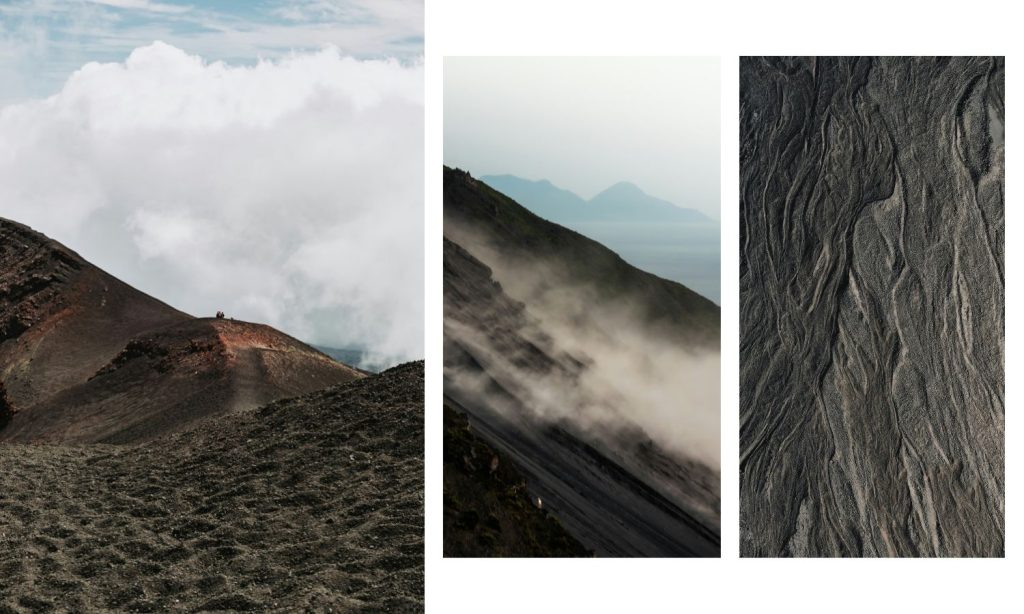
Etna also appears in the legend of the philosopher Empedocles, who lived in the fifth century BC. In one version of his death, he throws himself into its crater, making the volcano the final scene of a life devoted to understanding nature.
The legend leaves behind a single bronze sandal,
cast back by the mountain as evidence of what happened. Greek writers, including Pindar and Thucydides, also recorded the volcano’s destructive activity. Myth gave it another role: a prison for Typhon, the giant trapped beneath its weight, whose rage explained the fire above him.
Latin literature continued to find stories in the mountain. In Virgil, the giant Enceladus lies beneath Sicily, and his movement shakes the land. The burning, heaving landscape becomes an expression of a being too powerful to disappear and too firmly imprisoned to escape.
And Ovid?
His Metamorphoses places the abduction of Proserpina within Sicily’s mythic landscape. Centuries later, the Scottish traveller Patrick Brydone devoted memorable pages to Etna in A Tour Through Sicily and Malta, describing his journey of 1770. His account of sunrise conveys a scene so astonishing that the travellers struggle to believe they are still on Earth.
Etna became an essential encounter for European travellers such as Guy de Maupassant and Johann Wolfgang von Goethe. Its landscape also enters Giovanni Verga’s Storia di una capinera, the story of Maria, a young woman forced towards life in a convent.
The beauty of the surroundings stands painfully against her confinement.
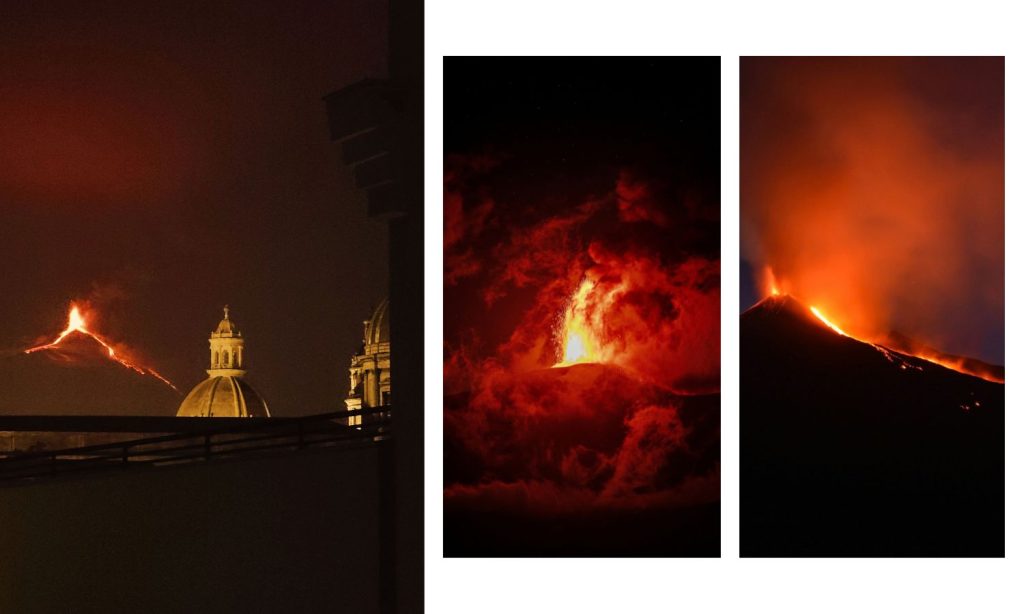
Even writing with an observational purpose can become passionate in front of Etna. The novelist and essayist Federico De Roberto found language for both the devastation of lava and the mountain’s extraordinary beauty.
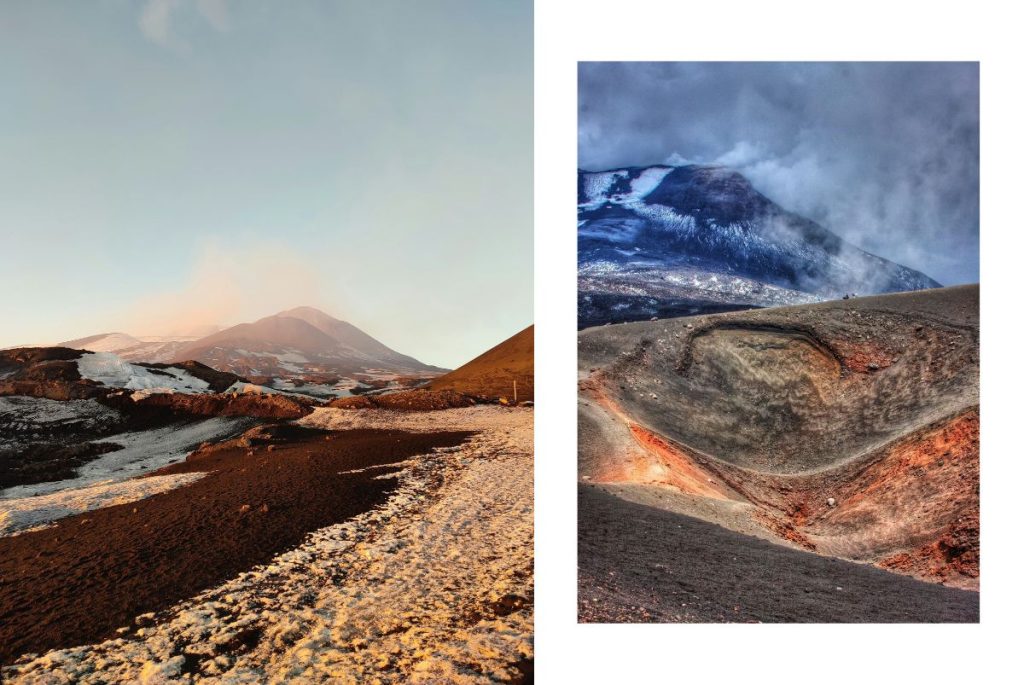
His description holds terror and fascination together: a mountain celebrated for its immense presence and feared for its anger, yet also remarkable for the richness of its landscape.
A mountain that seems to contain an entire world.
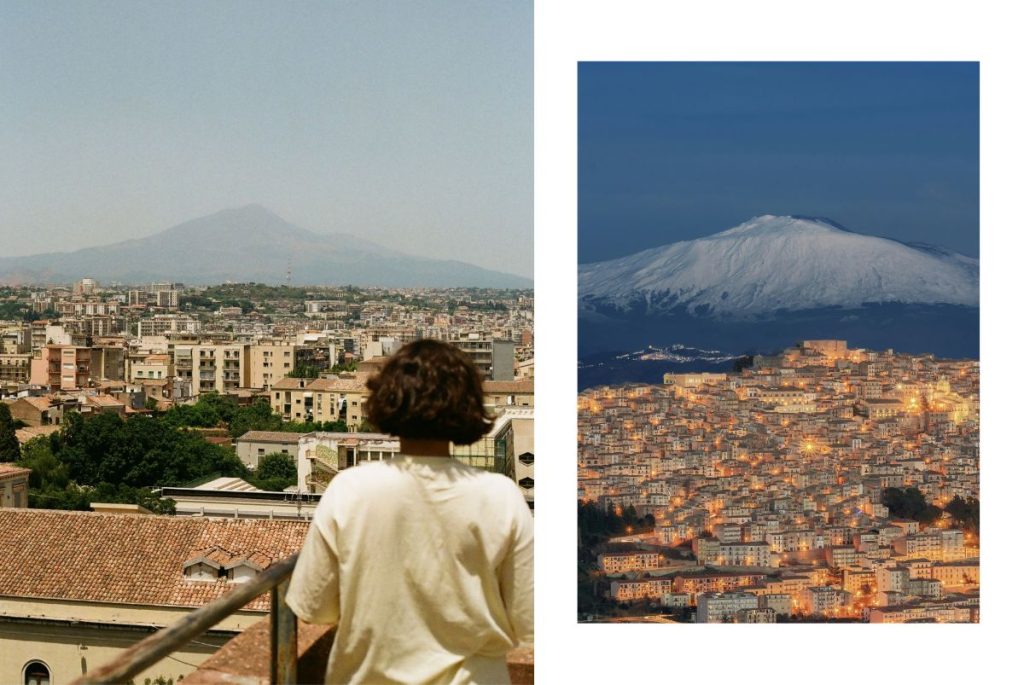
From the warmth of the coast to the cold of the summit, Etna brings radically different conditions into one vast presence. Any literary account of it must remain partial. It has been an inspiration, a destination and a recurring figure in Italian and international writing, carrying a place in the Mediterranean imagination that no single story can contain.
Cape Verde in the heart
What’s happening in the city? Follow GoGuide on Instagram to hear about it first.
Subscribe to our YouTube channel for a closer look at the city, and a wider view.