Mark Knight on YALTA, Toolroom and life behind the decks
A conversation about musical instinct, shared sets and the pleasure of finding the next great record.

Translated into English from GoGuide’s published Bulgarian interview. This is not a transcript of the original audio. The conversation took place ahead of the September 2026 appearance described below.
Mark Knight needs little introduction to anyone who has followed house music for a while.
After more than thirty years behind the decks, the label he founded with his brother, Toolroom, has become one of the scene’s recognisable names. We spoke ahead of his announced return to YALTA CLUB on 26 September 2026 for a back-to-back-to-back set with Chus & Ceballos. Their previous Bulgarian appearance together had been in 2019. The conversation ranged from local audiences and long sets to the musical chemistry that happens in the moment, and what still makes Knight want to play.
You have played Bulgaria many times, from Cacao Beach to YALTA. What keeps bringing you back?
I have always had a really good connection with Bulgaria. I have been coming for years, and we have had some great nights together. Cacao Beach, YALTA, obviously: a lot of good memories.
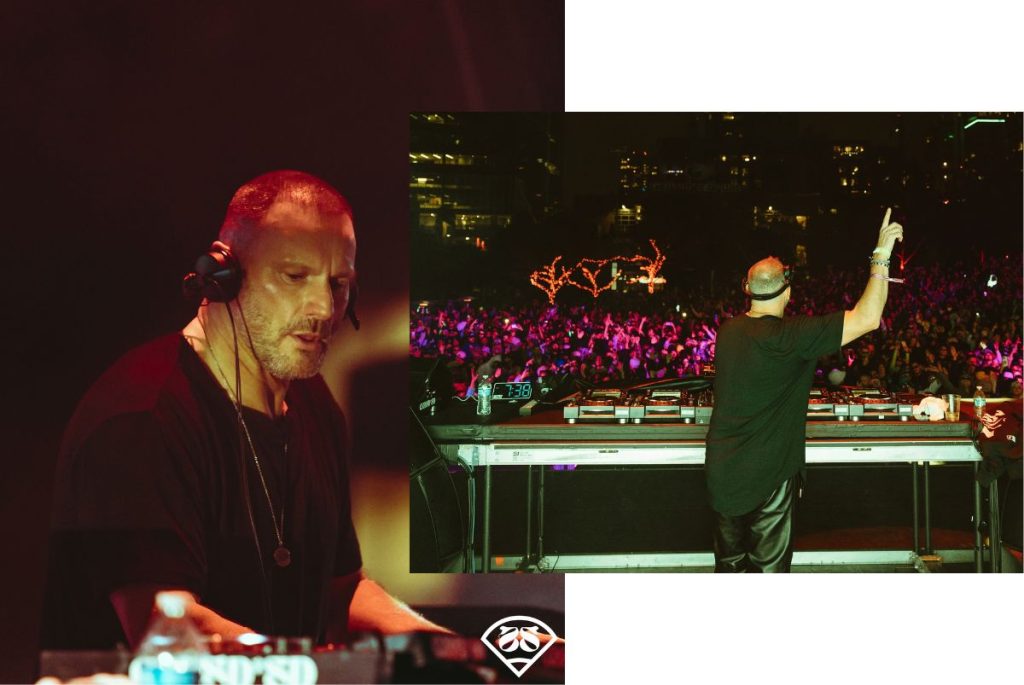
What I particularly like is that the crowd really understands music. That matters. You can get behind the decks and explore, rather than just playing the ten biggest tracks of the moment. You can go somewhere different and people will follow you. I have always enjoyed coming. When Bulgaria appears in the diary, my reaction is, “Yes, brilliant.” I know we are in for a good night.
When we spoke, you were preparing to open YALTA’s season with Chus & Ceballos, seven years after your last shared set here. What did you remember, and what were you expecting?
That was SOLAR Christmas in 2019, wasn’t it? Mad that it had been seven years. It did not feel that long. I have known Chus and Pablo for ages and we have played together many times, so I was looking forward to the three of us getting together. They are great DJs, which matters with a set like that:
you want people who respond to what is happening,
rather than arriving with a list of tracks they insist on playing. There was no point trying to recreate the last time. So much had happened to us and to the music. We would get into the club, feel the crowd and see where the night went. That was the interesting part. Honestly, I had no idea what would happen.
A three-way set can be unpredictable when each artist has a different style. Do you arrive with a plan, or let the others lead?
Not much of a plan. If you work everything out in advance, you lose the point of playing back-to-back. You know roughly where you are in the night and what music you have, but then you need to listen to the others. Someone plays something and you think, “I have exactly the record for that.” Then they change direction and you need another move. With three of you, that happens even more. That is the beauty of it. I do not want to know what Chus will choose, and he does not need to know what I have prepared. Otherwise we might as well play three separate sets.
After more than three decades in house, with Toolroom now a global platform, what still excites you behind the decks?
Finding a brilliant new record. A hundred per cent. That has not changed. I hear something and immediately think, “That is really good.” I want to know how it will sound on a big system and how people will react.
I am probably more obsessed with finding music now than ever.
There is so much, which is both exciting and a little daunting. You work through a huge amount to find something special. When you do, the thrill is the same. Then comes the moment you hear it in a club. You can love it in the studio or the car, but until you play it to a crowd, you do not really know. That still keeps me going.

Your music connects house, funk, soul and disco with the contemporary dance floor. How do you decide which ideas from the past to bring back?
I do not really think in those terms. I do not decide to bring something back. It is simply the music I have always listened to. Before house, I loved soul, funk, disco and everything around them, so those influences naturally enter what I make. I still listen to old records. Some from thirty or forty years ago have incredible arrangements and playing.
But you need to do something of your own with the idea.
I do not want to take an old record and copy it. Why? The original exists and is probably better. You might hear something in it differently, a bassline, a chord progression, an interesting arrangement, and think there is something there. Then you take the idea somewhere else. That is usually how it works for me.
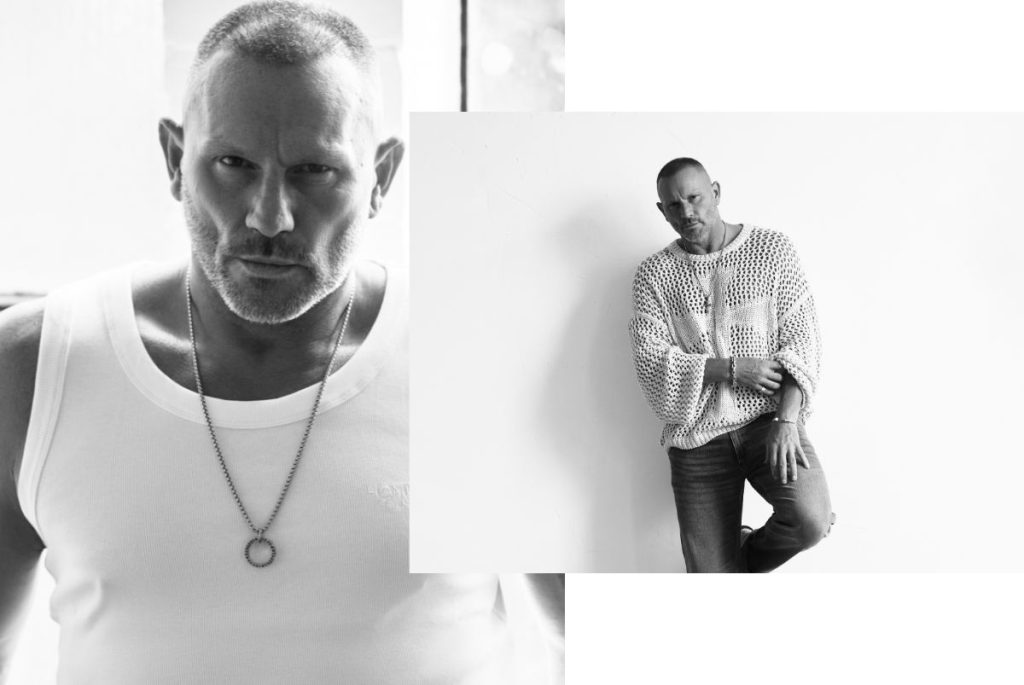
Toolroom helps new artists find an audience. What makes you hear a young producer and think they belong on the label?
There has to be an idea. So many records are technically excellent now. The production standard is absurdly high. Someone can have been producing for two years and already make something incredibly polished. That does not automatically make it a good track.
I want something that stays in my head.
What is the hook? What is the idea? What will make me remember your record after hearing fifty others that day? We certainly do not want a copy of something we have already released. I tell people at the Academy that all the time. Do not look at what is doing well on Toolroom and decide to make the same thing. We already release that artist. We do not need another. Show me what is yours. That is much more interesting.
After so many clubs and festivals, what can still surprise you? Can a crowd completely change the direction of your set?
Absolutely, all the time. You can arrive with a clear idea and realise after a few records that it is not going to happen. I have never understood planning every detail. How could you? You have not seen the crowd, heard the DJ before you or felt the room. Sometimes you try a record almost as a test and it goes off. You think, “Right, that is where we are going.” Another time, a track that has worked everywhere for a month gets nothing. Fine. Move on.
That is DJing.
You keep making small decisions as you go. It never becomes boring. However long you have done it, you cannot entirely predict a roomful of people. That keeps you alert.
Elitsa Popova: Sofia’s legendary face at the door
What’s happening in the city? Follow GoGuide on Instagram to hear about it first.
Subscribe to our YouTube channel for a closer look at the city, and a wider view.