The woman who faced the bulls
Conchita Cintrón challenged the rules of an arena built for men.
Bullfighting grew from traditions on the Iberian Peninsula, setting a human performer against an animal in a contest that could end in death.
For many people, the cruelty makes it indefensible. For others, it remains a spectacle woven into regional identity, with leading matadors enjoying something like a footballer’s celebrity. Bulgarian football fans of a certain age may remember “Matador” by Los Fabulosos Cadillacs introducing Champions League coverage with Krasi Minev. Long before “hype” became our default word for excitement, that tune supplied it. In the vocabulary of the Spanish bullring, the matador is the principal performer on foot, responsible for the final act with the sword.
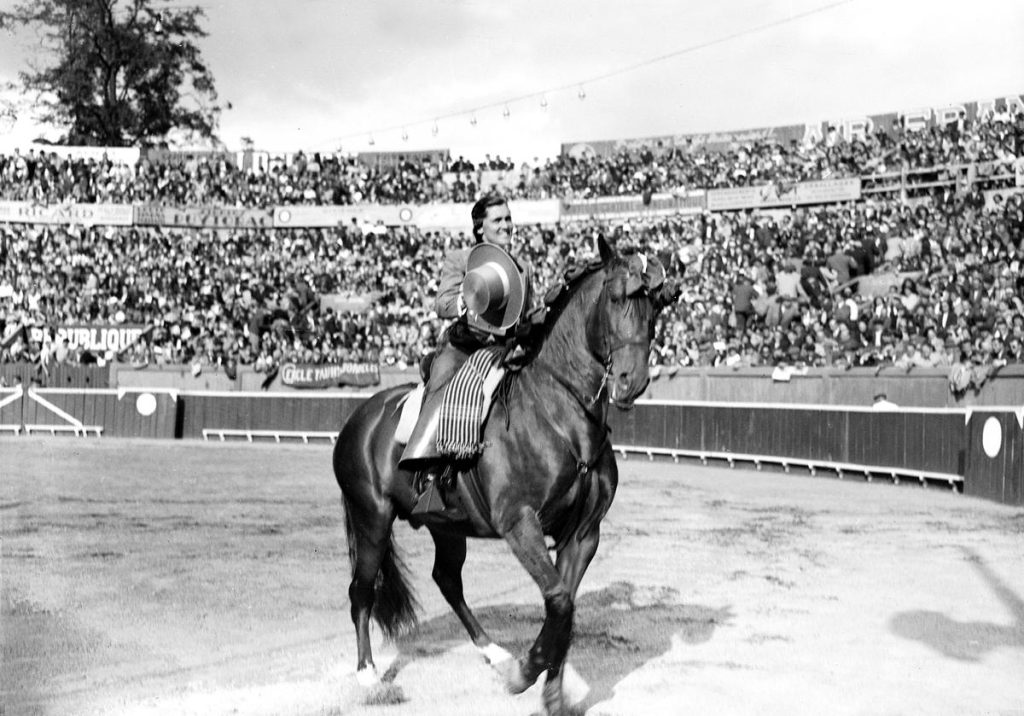
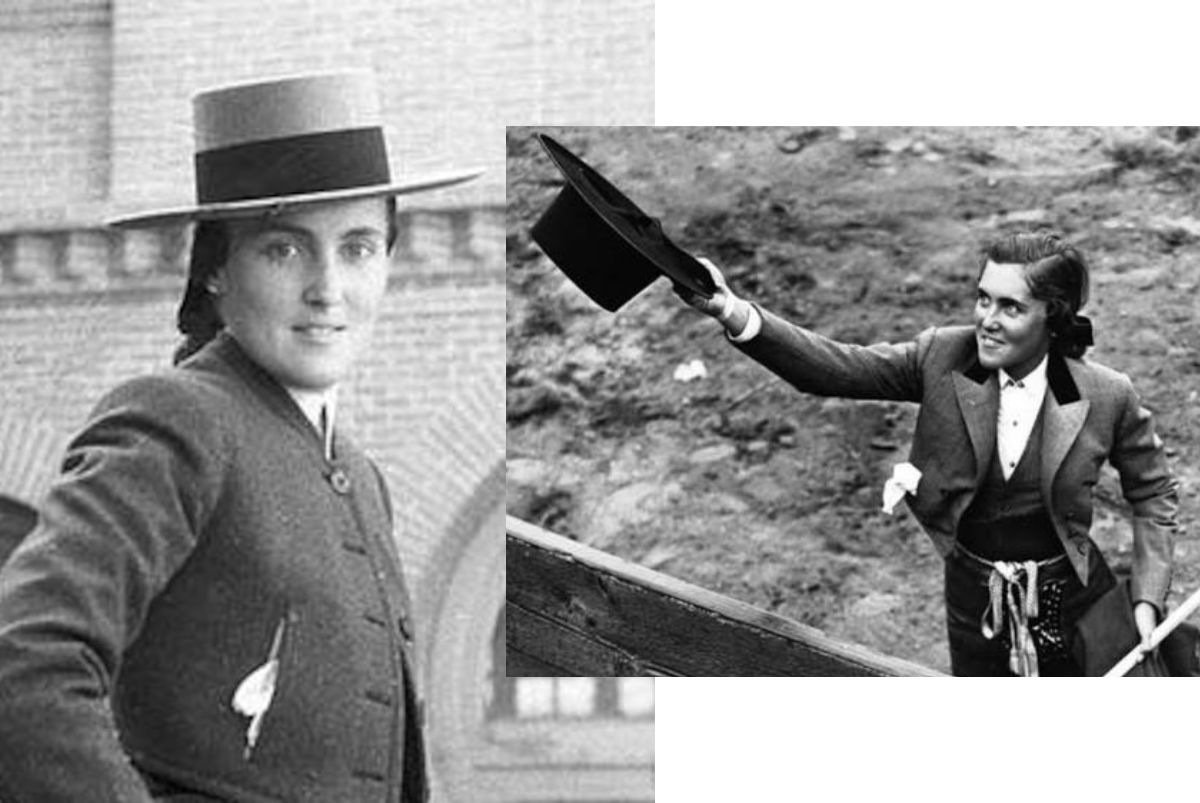
It has overwhelmingly been a male world. Conchita Cintrón, born in Chile on 9 August 1922 and raised in Peru, challenged that assumption. Watch surviving footage and it is difficult to remain indifferent, either to her presence or to the moral questions surrounding what she does. The crowds are enormous. The woman at their centre is slight, poised and smiling,
meeting the bull first from horseback, then on foot.
That distinction mattered. Under Franco, women in Spain were prohibited from bullfighting on foot, rather than from appearing on horseback. The footage also makes the brutality impossible to ignore: an injured animal, blades and a spectacle organised around suffering. Traditions differed between countries, including Portugal, but a less visibly bloody ending did not remove the ethical questions.
Cintrón was an extraordinary rider from childhood and appeared before audiences while still very young. Her career took her across Latin America and Europe. Accounts describe serious injuries and a determination to return even after being gored,
sometimes leaving medical care to re-enter the arena.
Her best-known act of defiance came in Spain towards the end of her career. In the celebrated account of her farewell, she dismounted and approached the bull on foot despite the prohibition, discarding the sword and touching the animal instead of killing it herself. The audience protested against the threat of her arrest. Orson Welles later wrote admiringly about her courage in the foreword to her memoirs.
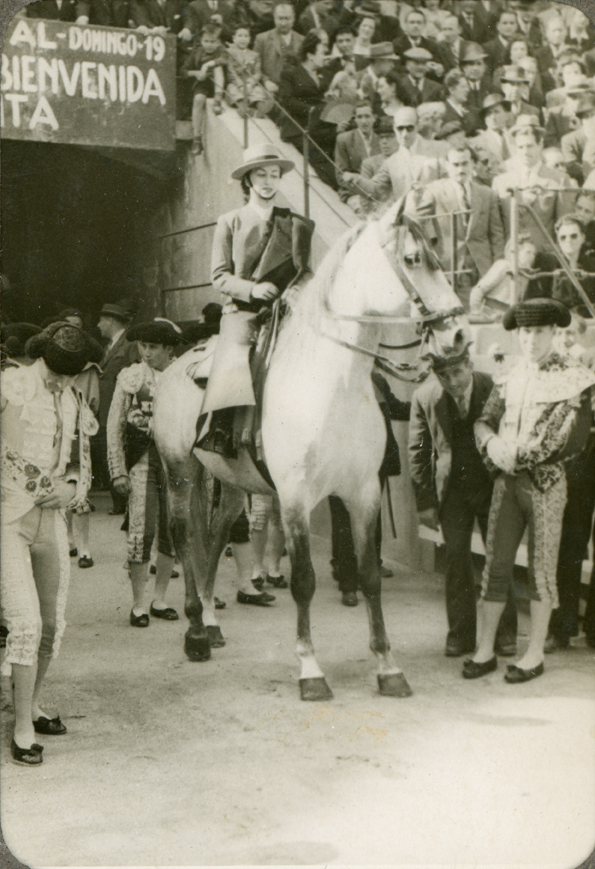
Ernest Hemingway was among her admirers. She retired young, married Francisco de Castelo Branco and settled into family life in Portugal. Writing and breeding dogs formed part of the life that followed the ring.
The rider had a life beyond the spectacle.
My own view is that this spectacle belongs in the past. The danger and suffering, for both animal and performer, are too great to dismiss. Cintrón deserves attention not for the bulls she killed, but for the courage and determination with which she entered a world that offered women little equality. Recognising that does not require us to admire the violence around her.
Hemingway and Martha Gellhorn: love in wartime
What’s happening in the city? Follow GoGuide on Instagram to hear about it first.
Subscribe to our YouTube channel for a closer look at the city, and a wider view.