Fiona Apple, forever refusing to play along
Thirty years after Tidal, we revisit the debut that introduced one of the Nineties’ most uncompromising voices.
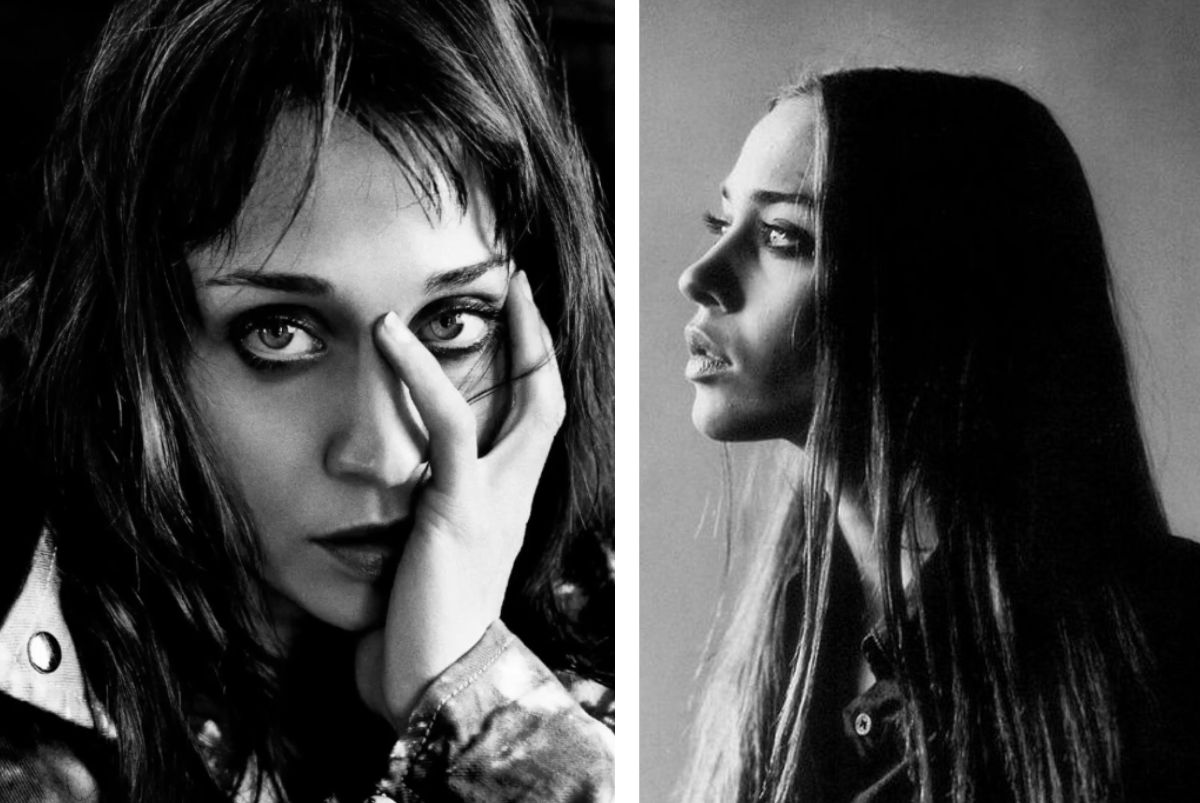
Vulnerable and formidable, raw and uncompromising: Fiona Apple was one of the most distinctive arrivals of the Nineties.
With her slight frame and enormous blue eyes, she conquered the stage, then refused to play by the industry’s rules. Thirty years after Tidal, the first of her five studio albums, we return to the unruly young artist who has kept the music business guessing ever since. Success arrived when she was eighteen, and it was overwhelming. “Criminal”, “Shadowboxer” and “Sleep to Dream” placed her alongside Alanis Morissette and Tori Amos in the public imagination. The songs sounded exposed and wounded; their author proved far less pliable than some people expected. When Apple criticised the business, parts of the media dismissed her as an angry, troubled teenager. What could be brushed aside then as adolescent angst is now widely recognised as the honesty that gives her music its staying power.
Apple did not make Tidal simply to become a pop star. It was a way of asserting herself and finding people who might understand. Her refusal to let producers or the press dictate her image earned her a reputation for rebellion. Her second album, When the Pawn... (1999), takes its ninety-word title from a poem written in response to press criticism. The third, Extraordinary Machine, was delayed and re-recorded over several years, prompting fans to protest outside Sony’s offices under the banner “Free Fiona”. The gaps between her records grew longer.
With those gaps came the freedom to make music on her own terms.
The Idler Wheel... (2012) and the extraordinary Fetch the Bolt Cutters (2020) secured her place among the most acclaimed artists of her generation. The latter appeared near the top of countless critical lists. Much of its remarkable sound came from working at home, turning everyday objects into rough, expressive percussion.
In May 2025, she released “Pretrial (Let Her Go Home)”, her first new original song in five years. It grew out of her work as a volunteer court watcher and addressed the human consequences of the American pretrial detention system.
In 2026, Apple also supplied the opening theme for Lucky,
the series starring Anya Taylor-Joy. Her voice is a natural fit for its rough edges. The story follows a woman who has left a life of crime behind, only to be forced back towards it in a desperate attempt to escape her past. Even in a title sequence, Apple is unmistakably herself.
The Rolling Stones and their 25th studio album, Foreign Tongues
What’s happening in the city? Follow GoGuide on Instagram to hear about it first.
Subscribe to our YouTube channel for a closer look at the city, and a wider view.