Life’s sweet and salty moments with Dimitar Ivanov, the Captain
Why he opened a restaurant, and how he holds on to humour when life gets difficult.
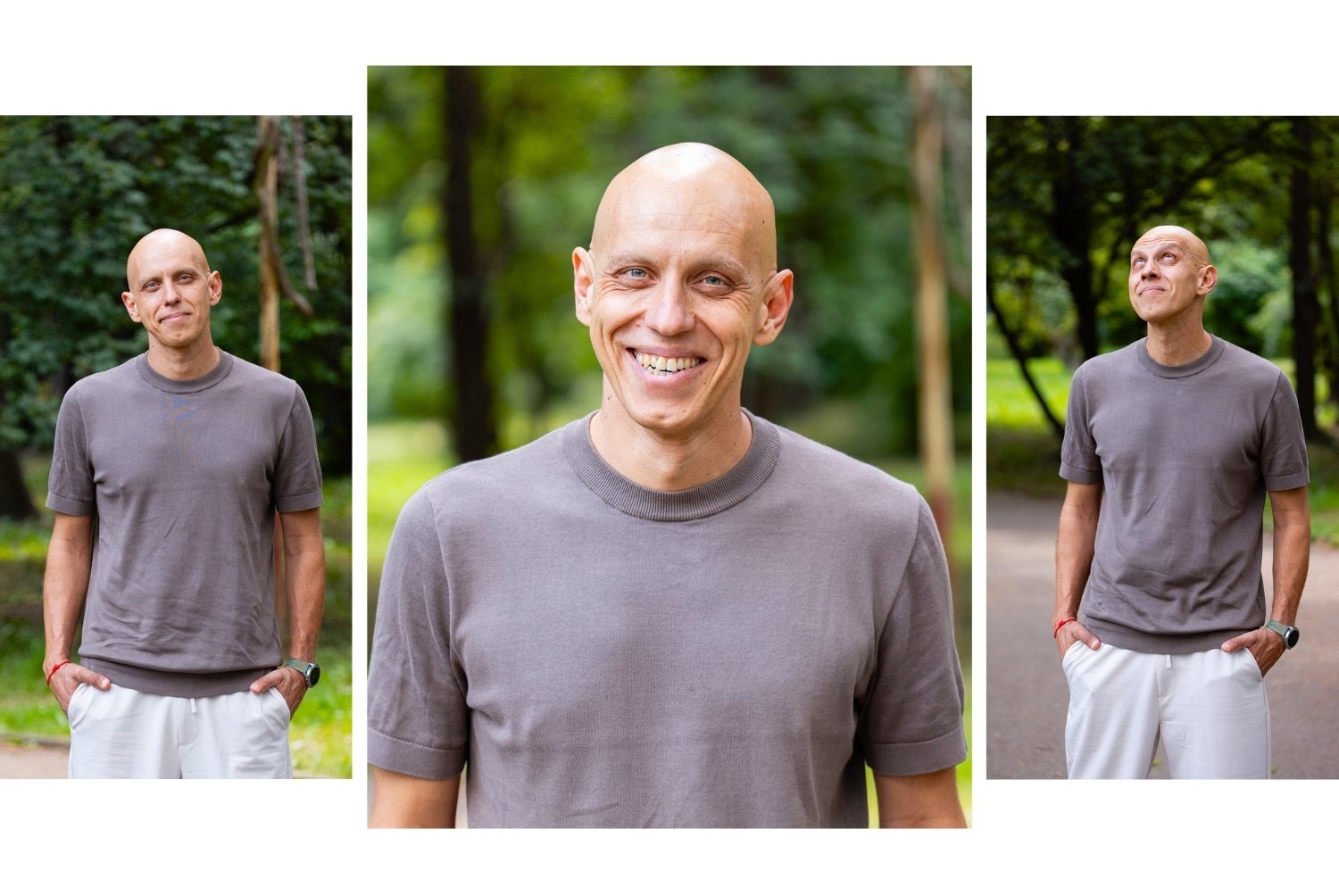
Long after my conversation with the Captain, I was still thinking about what he had said, and about life in general.
Some encounters make you stop and take stock. If the name Dimitar Ivanov, better known as the Captain, does not immediately ring a bell, he would understand. He says his puppet Bay Tanyo is more famous than he is. The man behind it is worth knowing: an actor, stand-up comedian, husband and father, an enthusiastic mushroom hunter, a lover of home cooking and nature, and no great admirer of summer heat. Above all, we know him as a pioneer of ventriloquism in Bulgaria. Making a voice appear to come from elsewhere is more than a speaking technique. It is an illusion, and one he has mastered.
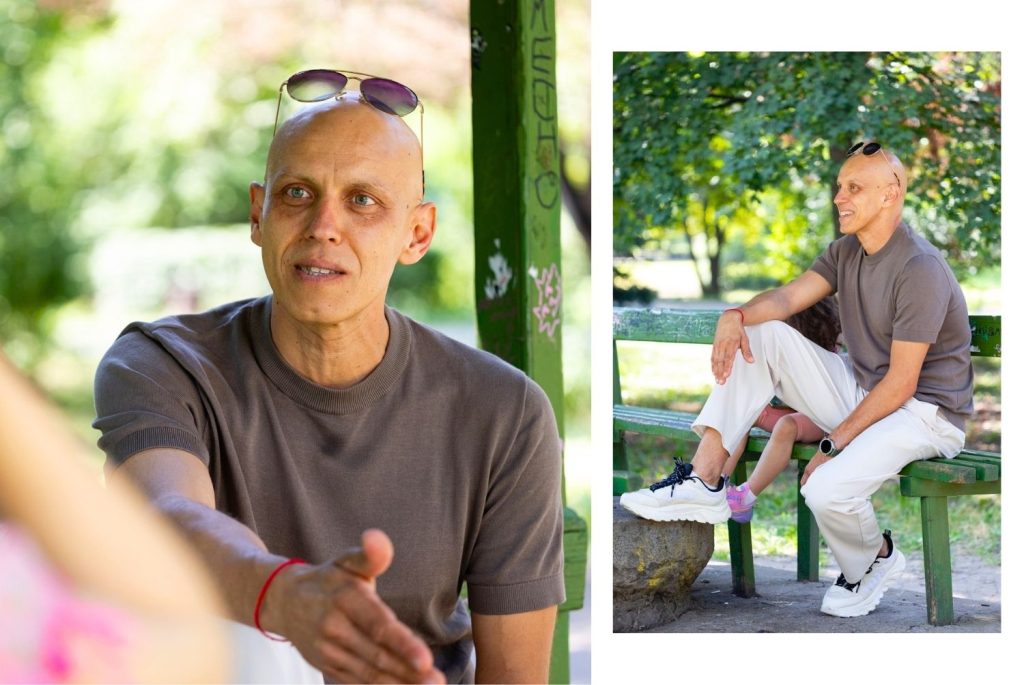
Along the way, people tried to discourage him. He carried on anyway, building an audience, filling halls and taking increasingly ambitious tours on the road. At the time of our summer conversation, he had been unable to finish the latest after publicly sharing that he was dealing with a health problem. His smile, however, remained. Family had always mattered deeply to him,
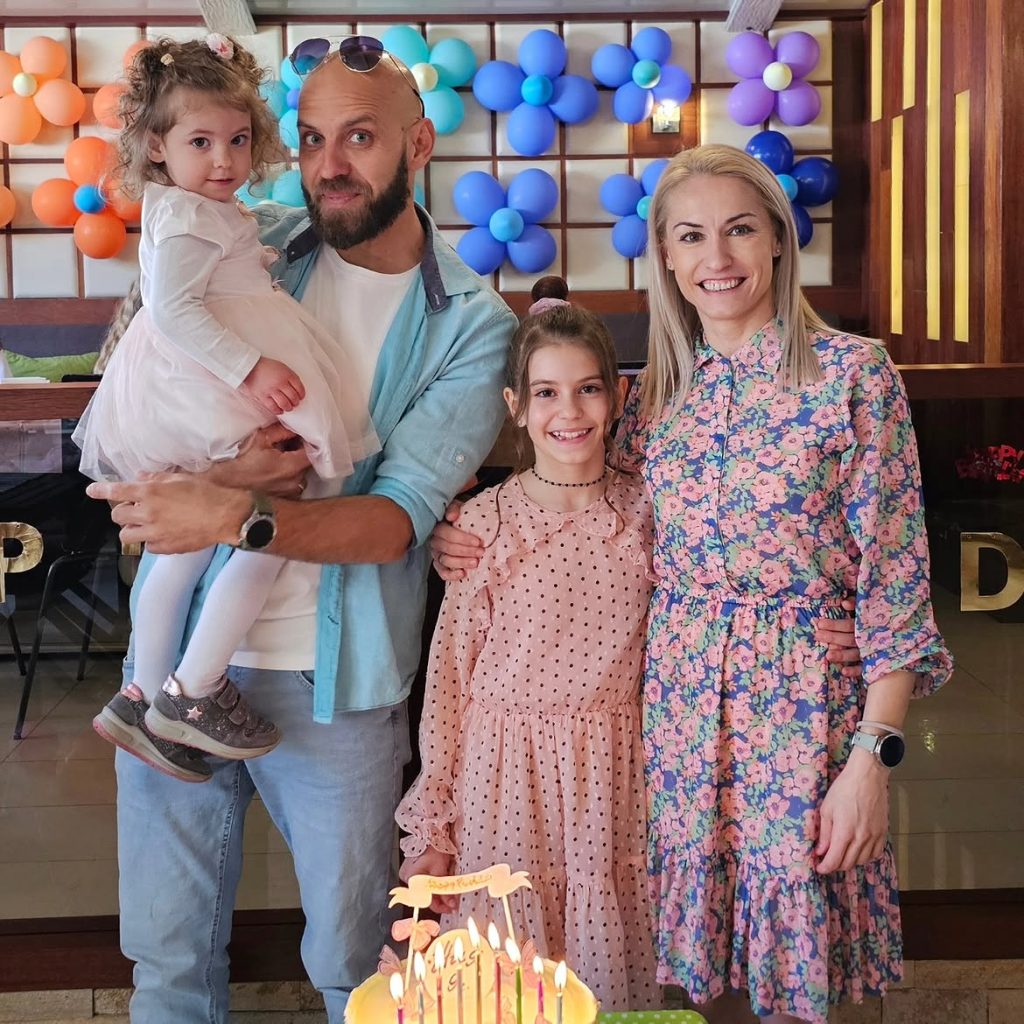
and beside him stood a strong woman with an equally strong sense of humour.
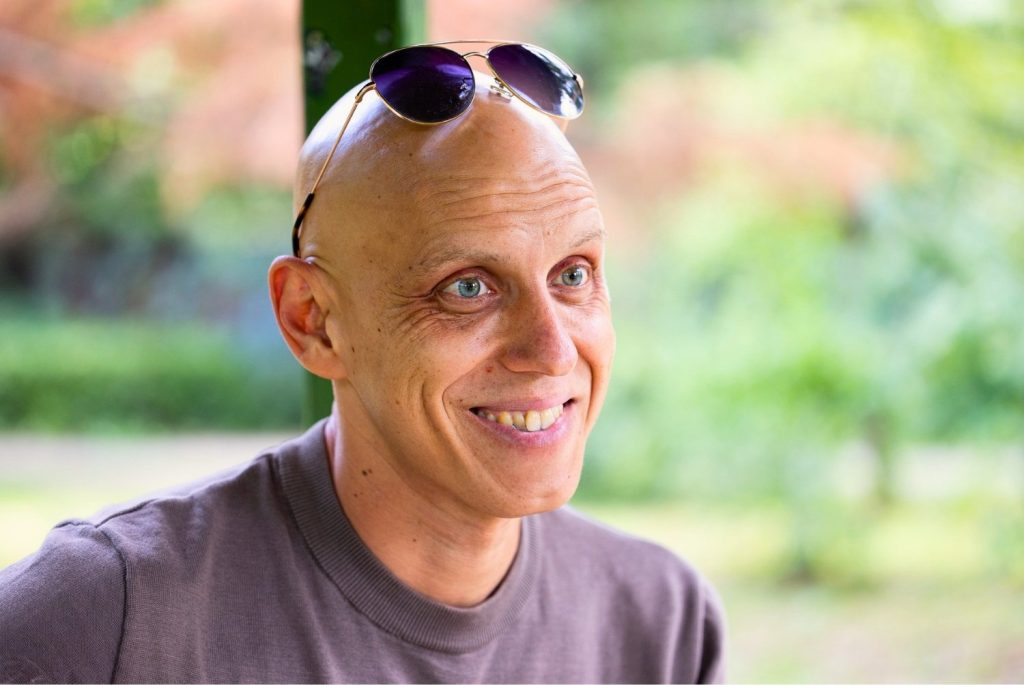
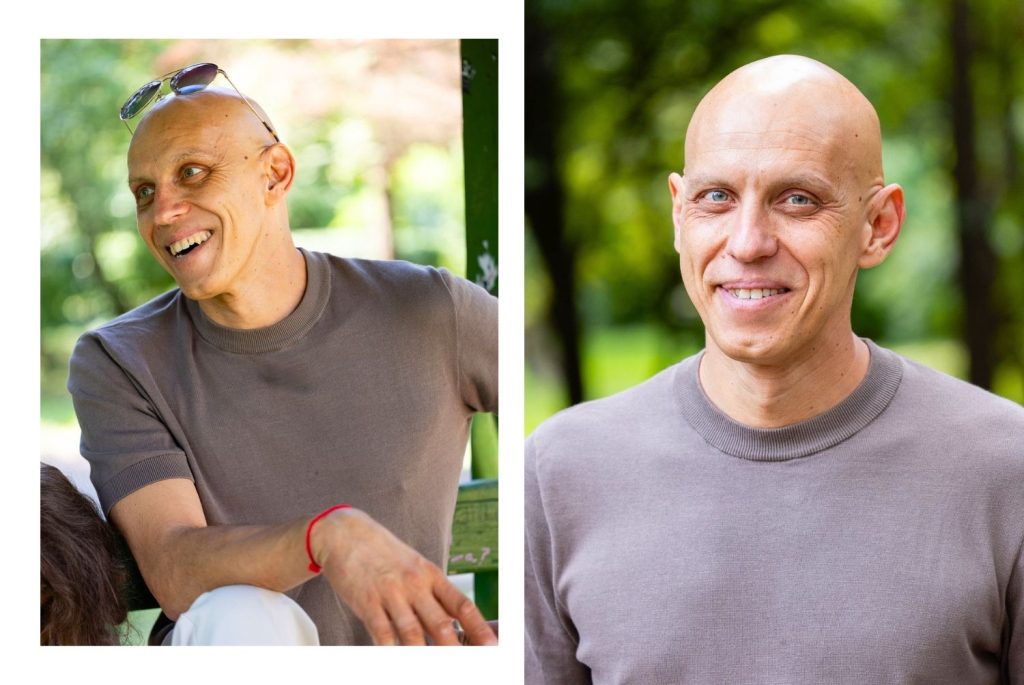
We met the day after his birthday, in the cool of Borisova Gradina, one of his family’s favourite places in Sofia. Our conversation began and ended with balance. Between those points came the restaurant he had recently opened, touring, and the moments when life leaves you with more questions than answers. He has often said that Dimitar and the Captain are not quite the same person, so I began by asking which one I was speaking to. Once we had settled that, with the usual jokes, he launched into his latest venture.
There is always plenty happening around you. Let’s start with Chisto i Prosto, the restaurant you recently opened. Where did the idea come from?
It goes back a long way. My colleague and producer Ivan Zhelyazkov and I are constantly touring, sometimes thirty or fifty towns, abroad and back again. There is hardly time to see your family, and you still have to eat. Lunch and dinner in restaurants, breakfast in hotels. Eventually you miss home cooking. I am not saying elaborate food is bad. It is great that it exists. But the unusual has become ordinary everywhere: asparagus-foam reduction with saffron, chicken tongues and lamb wings. Everywhere! Clearly cooking is developing, but sometimes you just want something homely and delicious that fills you up. When we perform near Dimitrovgrad, where I am from, we often stay there. One night Ivan and I got back late and my mother had laid out a tray of cooked fresh cabbage and young garlic in the garden. We looked at each other and said,
“God, after all the restaurants we have eaten in, this is the best food of all.”
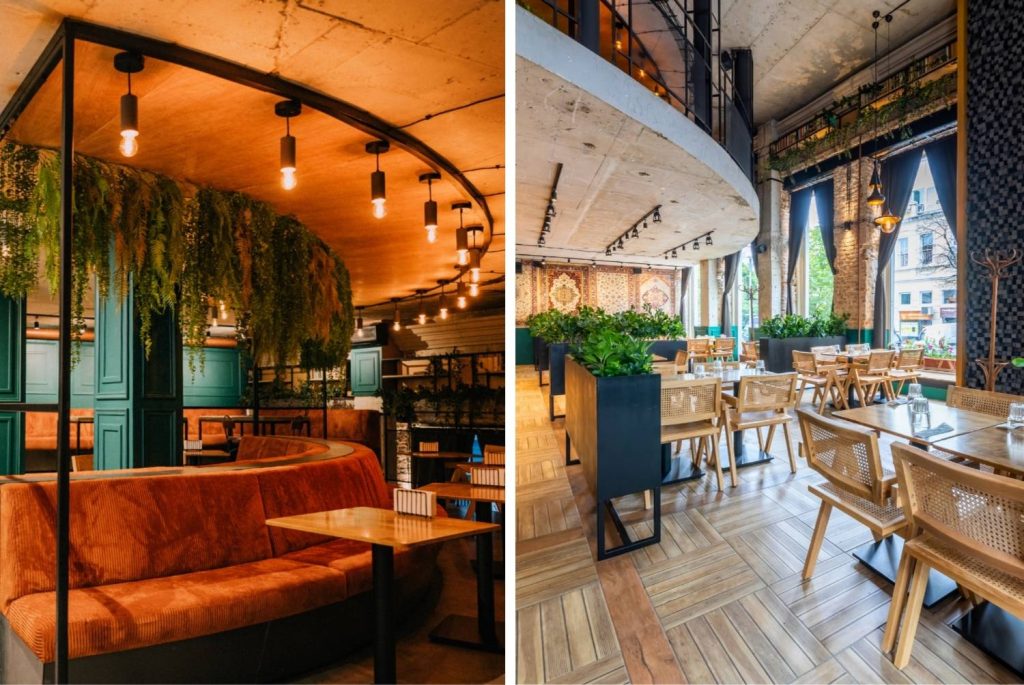
“Imagine a restaurant serving this kind of home cooking, the recipes we eat at home.” We thought perhaps there was room for such a place. That became Chisto i Prosto, roughly “clean and simple”: clean, tidy and well kept, and simple in the sense of straightforward. Not “duck hearts with orange peel, wild cherries and saffron”, just duck hearts. The way our mothers and grandmothers cooked. It need not be a culinary masterpiece. It needs to taste good and feed your soul as well as your body.
As though you were visiting your grandmother?
Exactly. Most recipes came from the mothers and grandmothers of people on the team. The room does not look exactly like my grandmother’s sitting room, though! We wanted it uncluttered. Whenever I went back to my grandparents, Bulgarian music would be playing. That brings back the feeling of home, so
we chose Bulgarian music, a simple interior, and ingredients that we produce ourselves or have made for us.
Some cannot be found elsewhere. Our rakia, wine and beer are made specially for us, as are the lemonade, orangeade and Etar-style soft drink. We are not built around familiar brands. Everything is very fresh. Our “Shabla pirates”, as we call them, bring fresh fish. We work with a farm for meat and dairy products. Quality matters enormously. I am even trying to persuade my mother to grow more in the garden so she can supply our vegetables.
People are looking for authenticity.
Yes. I bring some of the herbs from the village myself. We have used my grandmother’s recipe notebook, recipes from my colleague’s mother, and a dessert from my other grandmother, who is still with us. These are recipes tried across generations, rather than invented for the menu. We also have proper old-fashioned desserts: chocolate cake, biscuit cake, rice pudding with rose, chocolate biscuit salami, and crème caramel.
You announced the restaurant in a funny video addressed to your wife, saying you did not know how to tell her. How did she actually react?
She has always known I dreamed of having a restaurant or a small hotel, somewhere I could look after people.
She was surprised. I had mentioned investment ideas, but apparently she imagined something else. Laughs.
She took it reasonably well. The very first reaction was perhaps less reasonable, but she thought it through, and now she is delighted. She works in marketing and has a good eye, so she has thrown herself into coming up with ideas.
Speaking of grandparents and villages, what is your favourite childhood dish?
I really want it on the menu and am still battling with the head chef about it: my grandmother’s stew. We spent our summers with our grandparents,
and whenever we came home from playing, there was a pot of stew on the wood-burning stove.
I sometimes think the pot was never empty long enough to wash. Chicken stew with potatoes and vegetables in a red sauce. I could eat the whole thing. I still make it from her recipe, which is in the notebook. Unbelievable. I will never forget it.
Food that takes you back is a powerful idea. Childhood nostalgia gets to everyone.
Everyone is nostalgic for their own time. It always has been and always will be part of being human. You want to experience something again, but cannot bring it back. Occasionally a little opening appears in reality, like our restaurant, and you can step back for a moment.
You recently set out on your biggest tour. In an earlier conversation, you said your team never really celebrated success before looking ahead to the next thing. Even though you could not finish this tour, were you able to take in what you had achieved?
What happened alongside it made me realise that success means something else.
Success is balance.
Putting on your biggest tour is easy. Anyone can do it. But doing it without losing your connection to your family or damaging your health is difficult.

When we met, you were preparing to join Kyuchukov and Donski for the summer’s Dirty Thoughts tour. What kind of show were you putting together?
Very dirty jokes. We decided to go all out. Usually we try to keep a balance because our audience is so mixed, but we had all been through a lot and wanted to let it loose on stage. A properly juicy stand-up show, the sort that might make people blush at their own thoughts. We were going to be outrageous, but funny.
Bay Tanyo was sitting that tour out. You had said he was holidaying in the Maldives. Where was he by then?
Still away somewhere. He had not come back. Hopefully we would get him back on stage soon too.
You were also writing a book with him, and another with your elder daughter. How were those going?
Bay Tanyo’s book is called Homeopathy for the Soul. It was going well, perhaps halfway through. I hoped to finish by the end of summer. The other had taken a back seat but was waiting its turn. Its working title is Tintiri-mintiri, a Bulgarian expression a little like “blah, blah, blah”. A girl keeps saying it to her parents, but Tintiri-mintiri is actually a magical creature. Say his name a hundred times and he steals your parents’ voices. She travels to his magical land to find them, having all sorts of adventures. There is even a Chisto i Prosto restaurant where they eat.
Your family appears in so much of your work: jokes, shows, videos. You ought to give them a percentage.
Seventy per cent. That is our agreement. I always say my greatest luck in life has probably been my wife and children, when they behave. Laughs.
My wife has a wonderful sense of humour and is happy for us to joke about the children too.
Some people prefer to keep everything that happens at home private. She has always supported me.
In one video you said you wanted a puppet of God, so you could talk to him. Would you do it?
I have been talking to God quite often lately. I do not know whether I would make it. Perhaps not now. Later, God willing, if everything is all right. Illness can make you very religious. I have always believed, without being especially devout. Recently that has changed too, which I suppose is understandable.
God must have a sense of humour.
Perhaps he would enjoy it. The puppet would not be intended to desecrate anything. When you feel you have nothing to lose, you are freer and bolder. When you realise how much you have to lose, you become more cautious.
You often take material from your own life. What do you want to talk about now?
Everyday things, what happens to me. I am going through a difficult period, and I will need some time before I can sit down and joke about it. But there have been some bizarre, funny moments. When I announced my illness,
so many people sent me their supposed cures.
They probably believe in them. The problem is that they must not interfere with treatment. We can be superstitious, and illness makes that easier. People want a magical recovery, but their suggestions can obstruct established treatment. There is treatment for my condition. Someone even suggested a snake steeped in grape pomace, followed by drinking wine instead of water. Those are the sorts of things I will certainly talk about.
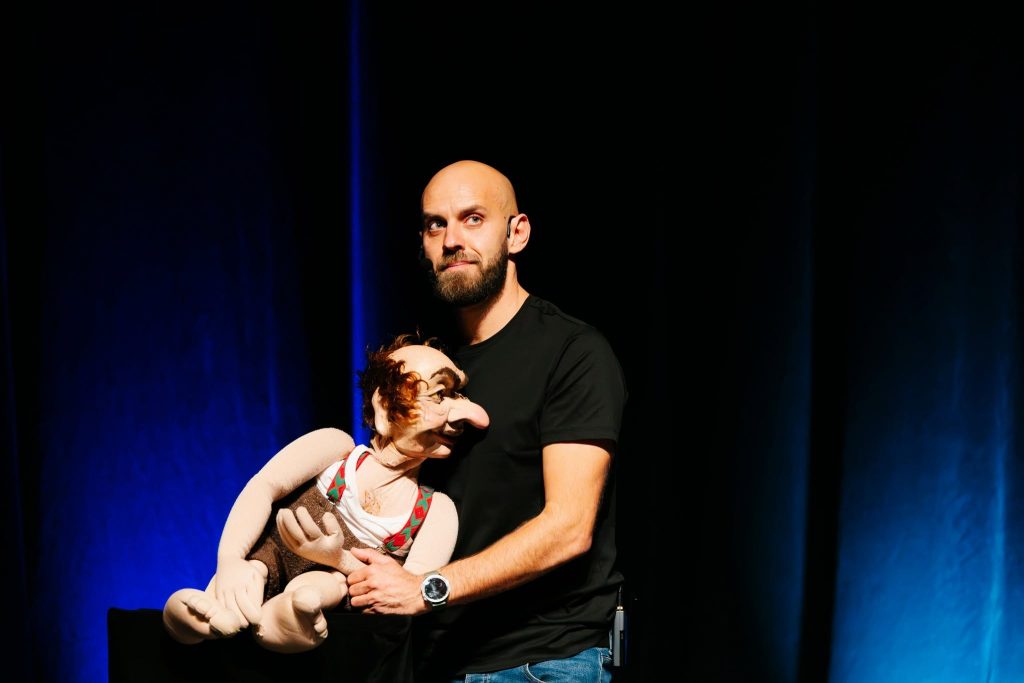
When life is turned upside down, you look back and take stock. How has that been for you? Do you ask yourself questions?
Constantly. “Why?” “But no...” I asked questions before, too. I have always wanted explanations. Perhaps that is part of being human: looking for truth and answers. It keeps us moving. That is life.
How do you keep your sense of humour through something so difficult?
It is partly your nature. You cannot think about one thing all the time. You need a change. That is one reason to return to the stage: it changes the direction of your thoughts and brings back something normal. Yes, you are ill, but medicine keeps advancing.
Humour has always been part of my life. It is not going to disappear.
It helps you deal with frightening things. Laugh in fear’s face and it gets smaller. Sometimes you do not feel like laughing at all, but even making yourself smile can change how you feel.
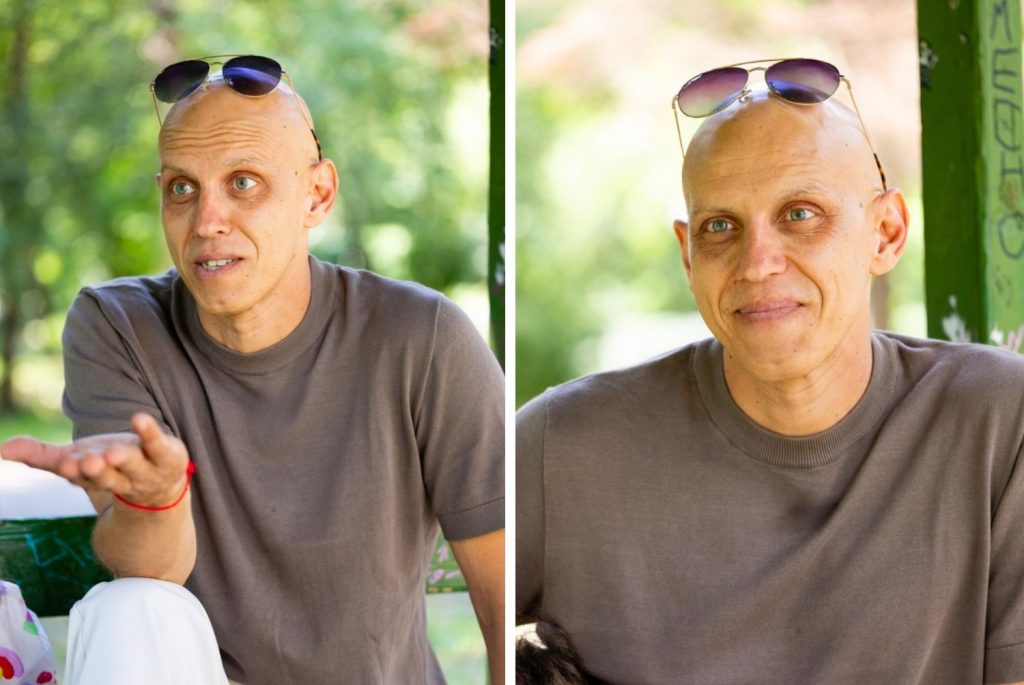
Do you believe laughter heals?
I do not know whether it heals, but it certainly makes you feel better, lighter. Laughter has always been with us and always will be. It is part of us.
I cannot say it heals. I can say it helps.
My last question was what he dreamed of. Beyond good health, he returned to balance: work and travel on one side, meaningful time with his family on the other. In that difficult period, he said, his family gave life its meaning. No amount of money could compare with time together. We had spoken about life’s saltier moments, but the encounter was full of laughter. The familiar spark still burned in his eyes, even when they grew wet. We wished him strength and recovery. At Chisto i Prosto, his other project offered a small route back to childhood, and a reminder that the simple things matter most.
What’s happening in the city? Follow GoGuide on Instagram to hear about it first.
Subscribe to our YouTube channel for a closer look at the city, and a wider view.