Vasil Rumenov Popov: the man behind the monsters
Mamnik, Azhder and the imagination that set them loose.
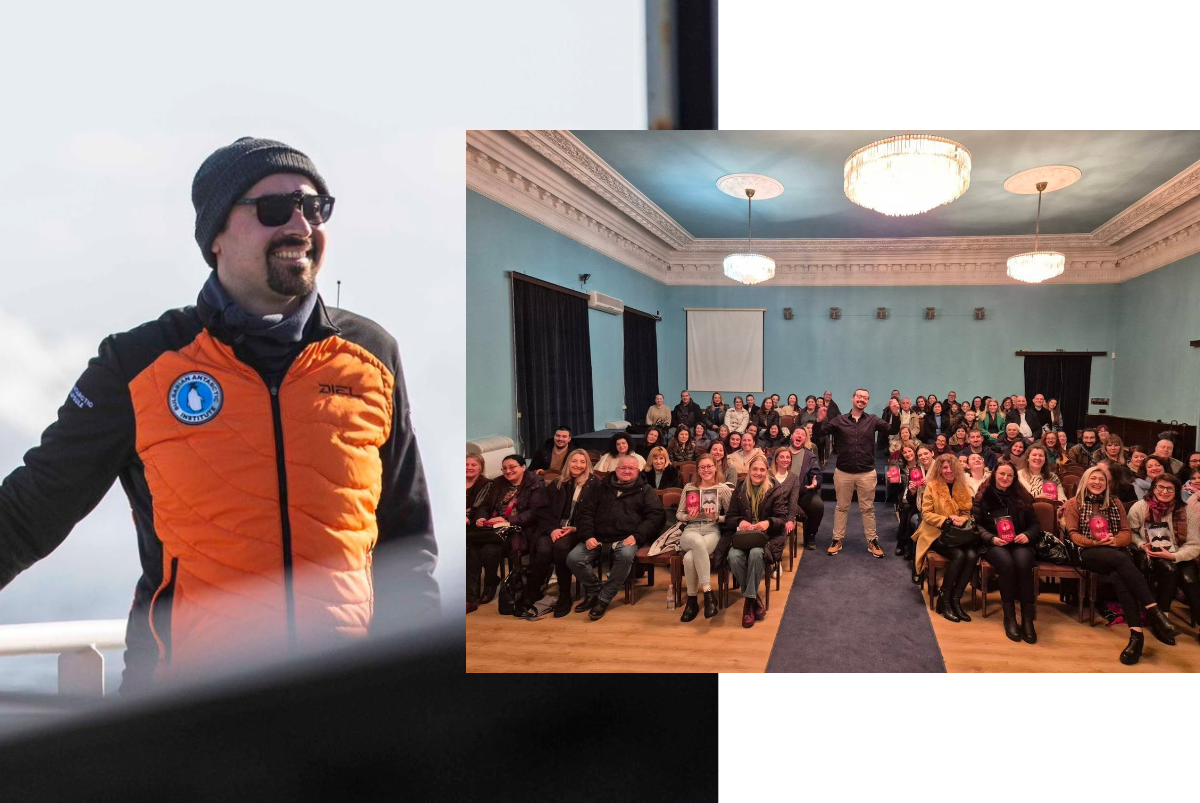
Photography: Vasil Popov.
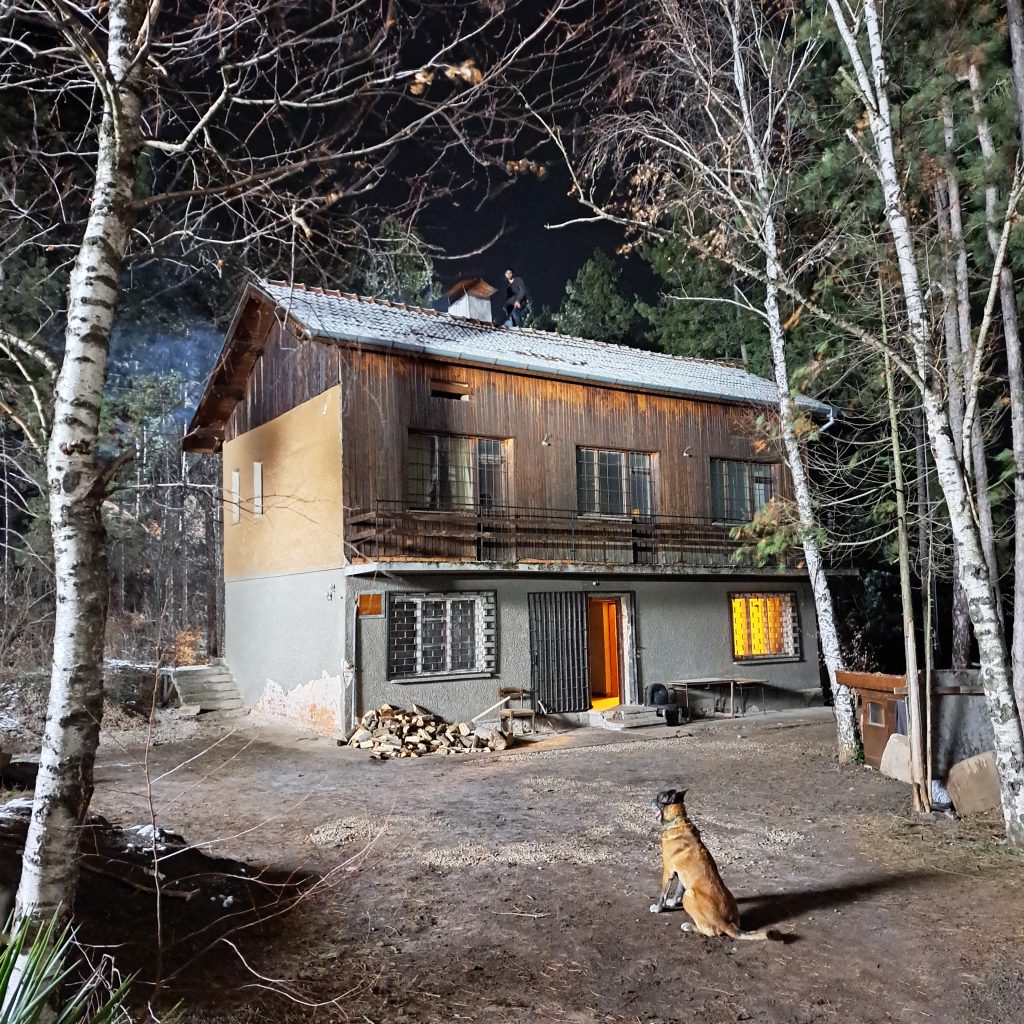
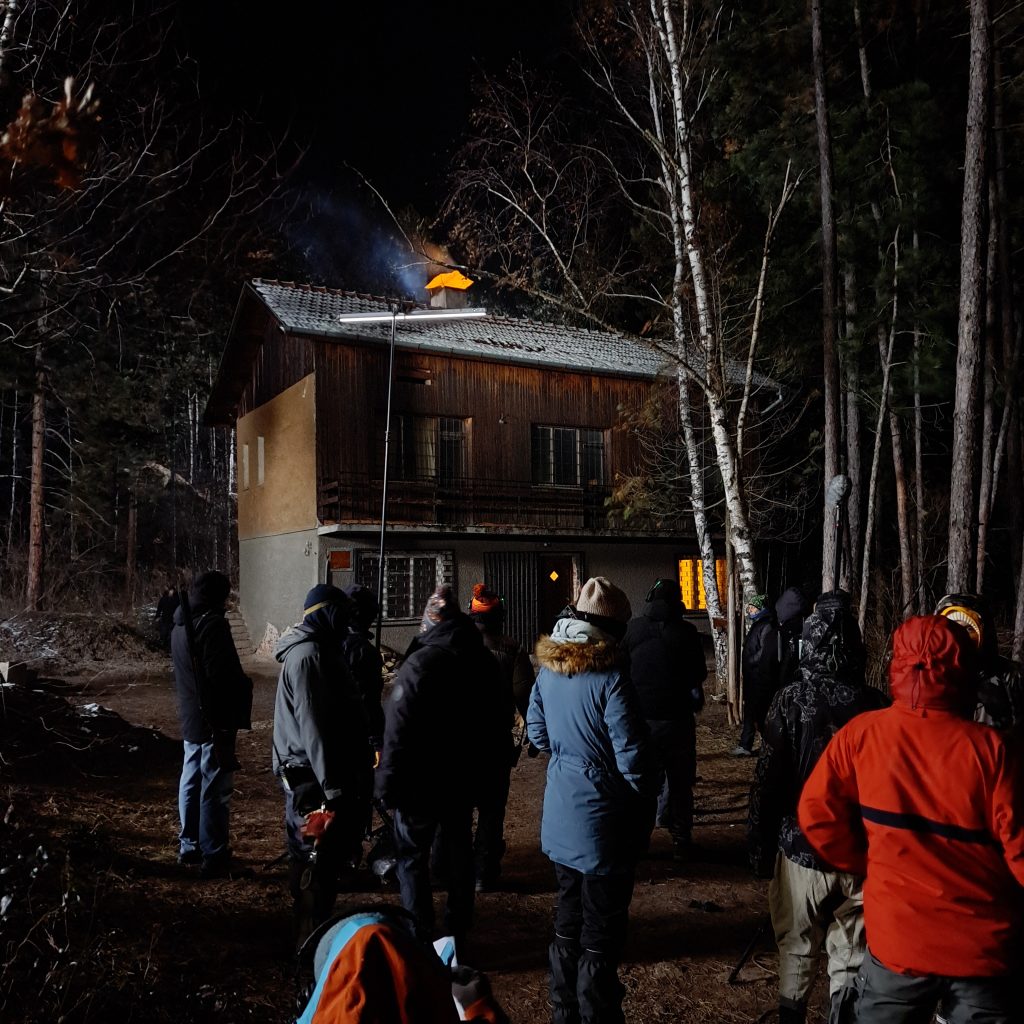
The mountain hut is burning.
Flames engulf it. Smoke wraps around the roof. There is noise, but also a palpable silence, the silence of people holding their breath. A large crew watches to make sure everything goes to plan. Actors move about; a dog barks. Excitement vibrates through the evening air. Something is about to break, something to burn, so that something else can be made. On the set of Mamnik, a scene imagined for months, perhaps years, takes no more than three minutes. He stands watching, barely breathing. The scene is epic. The sight of him watching it is something else. Behind his glasses, happiness becomes tears. It is happening.
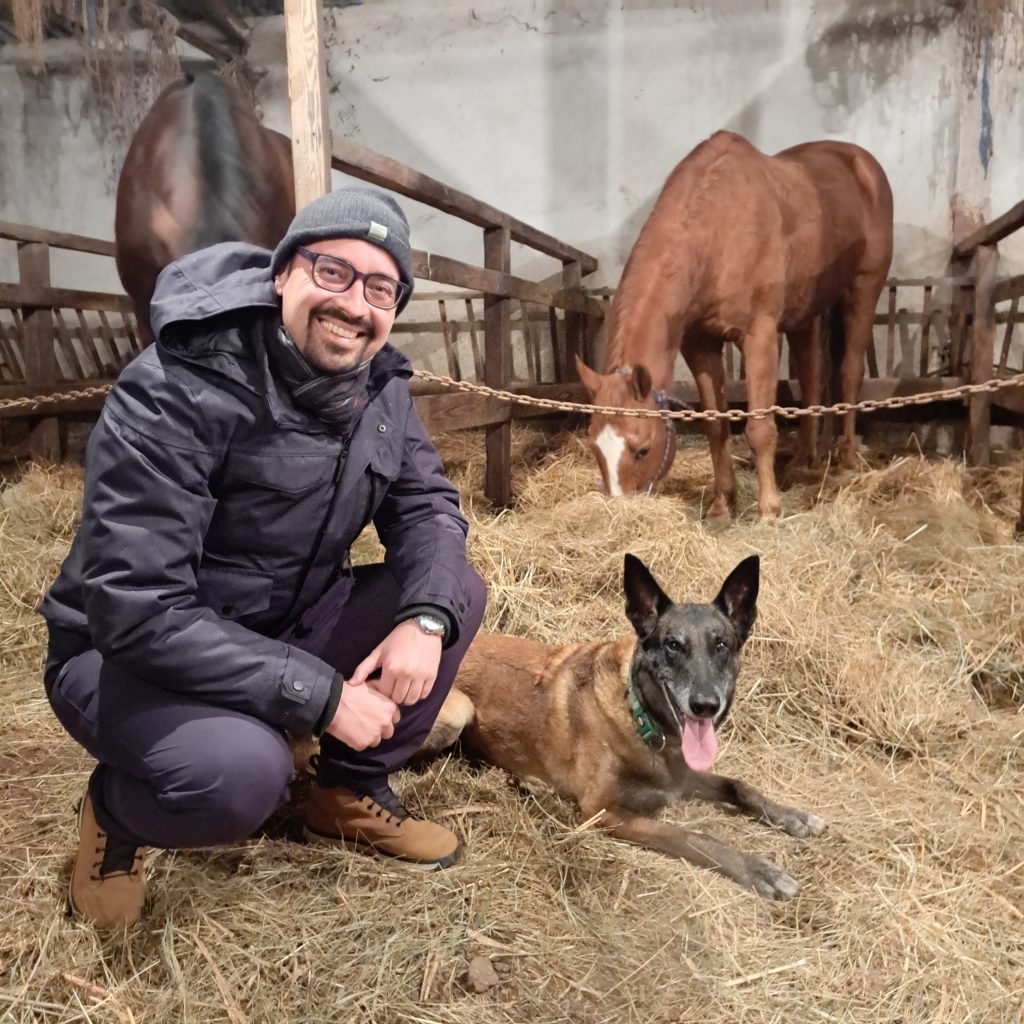
Scenes that once existed only in his head and his words are crossing into another art. When did it begin? With a chance encounter with the mamnik in a book of Bulgarian folk mythology? Perhaps. Or much earlier, in secondary school, when he walked around Filipovtsi in a faded red baseball cap and an oversized coat, rather like one of his own minor characters,
imagining himself as an avant-garde artist whose eccentric appearance people would remember.
Perhaps it began then, while he was writing his first novel, Step na Elbiri, which he finished but insists will never be published. Or beside Lake Constance with other young writers recognised by the Jugend-Literatur-Werkstatt Graz competition, learning to receive criticism and offer it in return.
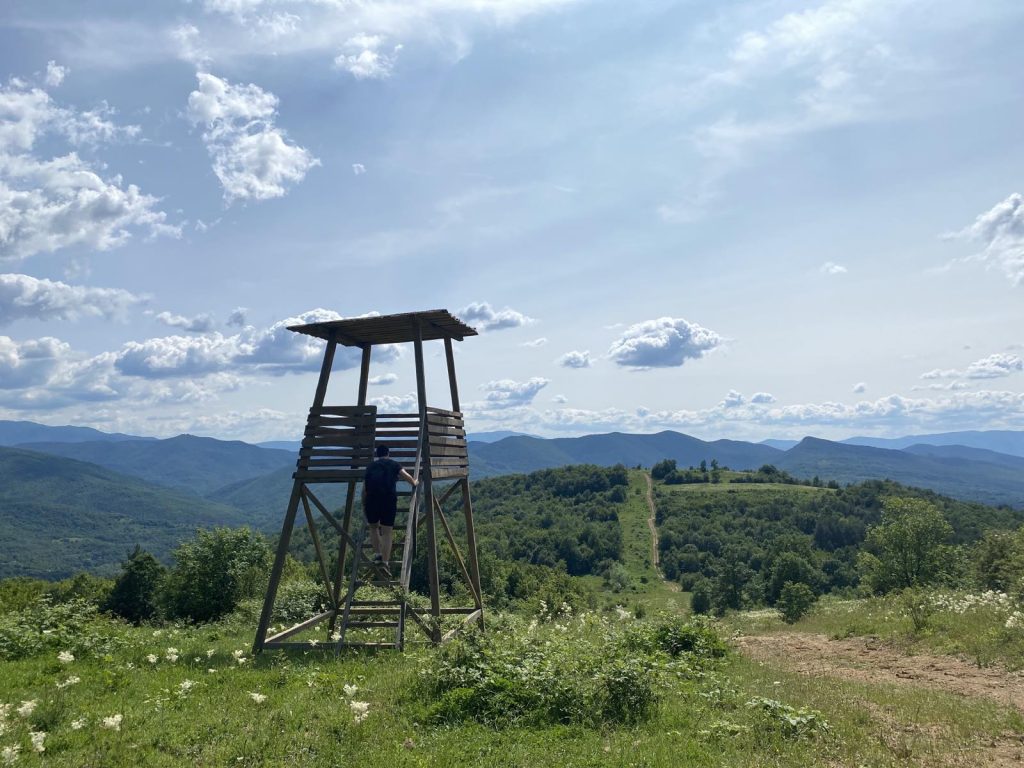
I suspect the spark was there earlier still. In the little figures he arranged and directed through scenes already rehearsed in his imagination. In reading Harry Potter and discovering Bulgarian literature. In time spent in the village, watching people and the natural world.
In making a small documentary about pollution in Filipovtsi,
and why people refused to use the rubbish bin. In photographing sunsets until he was frozen. In searching for dragon reliefs on the façades of churches seemingly forgotten by people and God alike. In becoming the person readers now know as Vasil Popov, creator of Mamnik.
During the first days of filming, many crew members did not recognise him. They did not know he had written the world they were about to recreate. Gradually, they met and began asking about the story and the characters’ pasts. Some questions he could answer, others he could not. When actress Eli Skorcheva first approached him, she asked what her character, Neda, had done for work when she was young. He did not know. But he understood something more important:
the story had grown beyond the thing he had first created.
It was gathering other people’s imagination, effort and labour, spreading beyond its original form and flying out of its creator’s nest. His grandfather, whose name he carries, would never see the series. He would not read the novel or discover what an audiobook was. He would not know that, after his death, his grandson would return less often to the village that had helped form the imagination so many readers admired.
He would not hear people ask why his grandson signed books the way he did. He would not see the packed halls applauding a pilot episode that held the village’s care home and so many small family stories within it. Vasil Popov, the grandfather of writer Vasil Popov, would not sit in those libraries and community centres, or place a hand on his grandson’s shoulder as he spoke about him.
And yet he would be there.
Bulgarian culture is fond of announcing a phenomenon, which can be both endearing and faintly absurd in a scene of its size. I will not try to explain how it accommodates quite so many. Nor will I use the word here, tempting though it is. Instead of one word, I will use rather more.
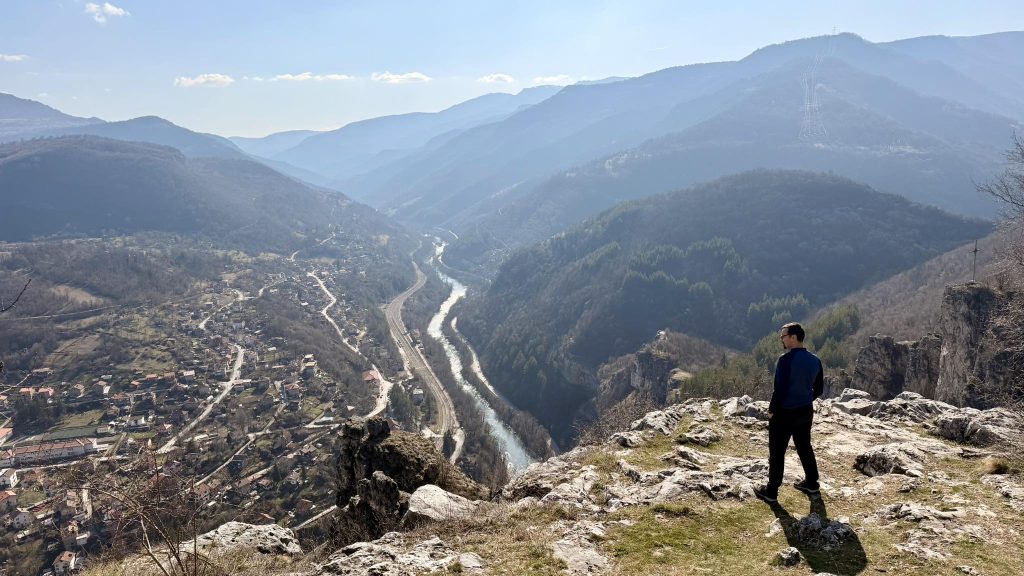
Vasil Rumenov Popov, born in Sofia on 4 March 1990, spent his early years near the corner of Vitosha Boulevard and Petar Parchevich Street, a place he associates with the former home of writer Stoyan Mihaylovski. He likes mentioning the connection when he passes. He also likes Yugoslav rock, dusting and collecting editions of Anton Donchev’s Time of Parting.
He likes meeting readers and giving each of them his attention.
Listening to their stories. Travelling. Even more, coming home. While writing Permafrost, he secretly dreamed of visiting Antarctica. Getting home would prove just as joyful as reaching what he calls, in the book, “the arse end of nowhere”. He had described it as though he had already been. Early in his career, he promised himself he would avoid the familiar dragons and woodland spirits of Bulgarian folklore, choosing less well-known creatures instead.
Two books later, he wrote a novel about dragons. At readings, he promises not to reveal the plot, then does. He promises not to say anything too alarming, then within minutes is discussing talismans made from human remains, marriages between the dead and the living, cholera and mortality. All the while, he is smiling.
How does someone like this become the father of monsters that bring terror and death?
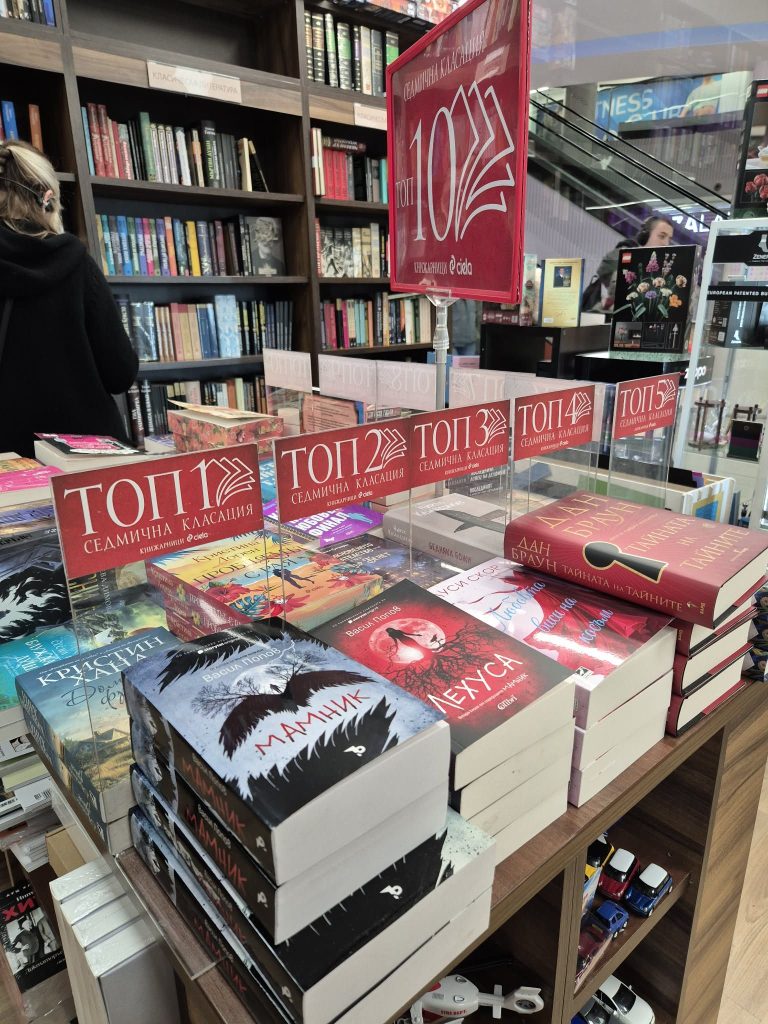
He will tell you that writing about frightening things makes him less afraid of them. Mountain thunderstorms, which he says worry him most, have not yet received enough attention. By the time of this spring 2026 profile, Mamnik had completed its twelve-week television run. Thousands of new readers had discovered the novel; others had reread, recommended or attacked it. Unofficial merchandise had appeared too, a less welcome measure of the story’s reach.
Meanwhile, Popov had travelled to Antarctica and back, visited small towns and villages, and received drawings of mamniks from children and bottles of wine from adults. He was editing the fourth book in the series, preparing the print edition of Azhder, signing books and fitting in appearances around Bulgaria, from Plovdiv and Peshtera to Haskovo, Sandanski, Pernik, Ruse, Vratsa and Lovech. There were podcasts too, including some nobody had heard of yet. A joke, podcast people. Please do not take offence.
Vasil Rumenov Popov is changing the story of contemporary Bulgarian popular fiction.
His work has found audiences across formats. I am not conducting a statistical study of the book market, but I consider him among the country’s most successful contemporary writers. I do not mean sales alone. I mean arriving in a town and finding the atmosphere of a celebration. I mean keeping the pleasure of reading alive. I am still refusing the word “phenomenon”. The point is simple enough: the hut is burning, a young man imagined the fire, and he has no intention of putting it out. Thank goodness.
Rene Karabash: “Write the book you want to read”
What’s happening in the city? Follow GoGuide on Instagram to hear about it first.
Subscribe to our YouTube channel for a closer look at the city, and a wider view.