Yasmin Mandelli: “I’m drawn to the line between what is visible and what is hidden”
The theatre designer on giving imagination a physical form.
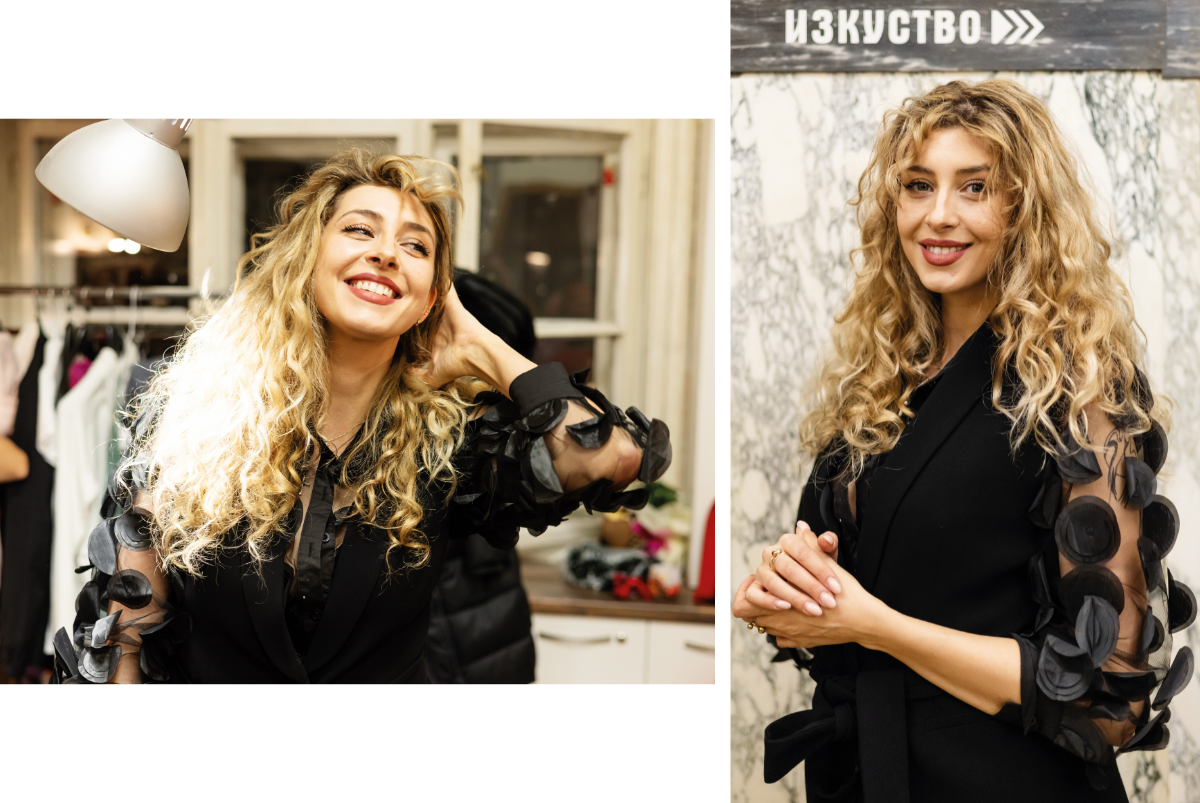
Yasmin Mandelli looks as though she has stepped out of the pages of Vogue,
but there is much more here than meets the eye. A distinctive set and costume designer in contemporary Bulgarian theatre, she creates the visual language that gives a production its physical form. We met between two premieres in January 2026 to talk about her move from fashion to theatre and the ways a stage can become a living space for experiment.
You worked in fashion and visual arts before moving into theatre design. How do those experiences shape the spaces you create?
I started in fashion early, working professionally with agencies from the age of 14. Meeting photographers, stylists, set designers, make-up artists and hairdressers in Bulgaria and Italy
shaped my visual thinking and taught me how to inhabit an idea or an image,
to understand it from the inside. Years later, that experience found a natural continuation in stage design. The focus expanded beyond the character to the space, the environment and more complex thematic layers.
When did you realise you wanted to help make theatre rather than simply watch it?
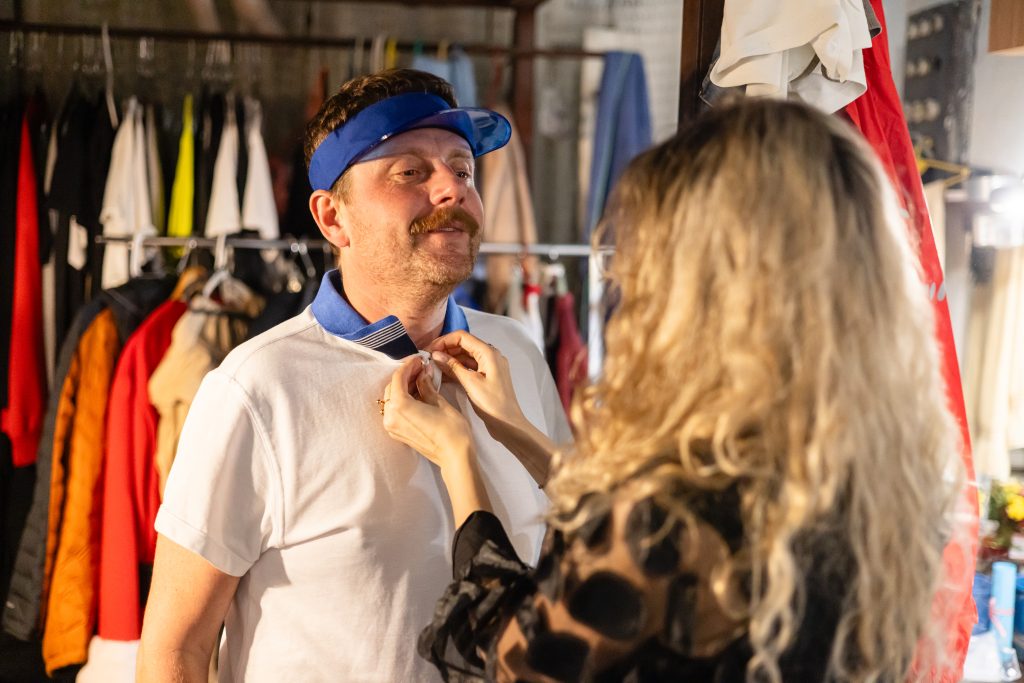
At first I was interested in film design. After my initial humanities studies in Milan and my fashion work, I realised at 21 that screen design offered a fuller space for thought and expression. I grew up among artists and fashion professionals,
so I understood the world through images, light and materials.
That led me naturally to stage and screen design at NATFA. Unexpectedly, theatre became my main focus. Ten years later, it still is.
What comes first in a new production: an image, a material, a concept, a space or a costume?
The first visual idea usually arrives as a feeling, through the meeting of the text, the subject and the conversation with the director. Sometimes it’s an image, sometimes a material or a colour. It’s always an impulse carrying the rhythm of the production.
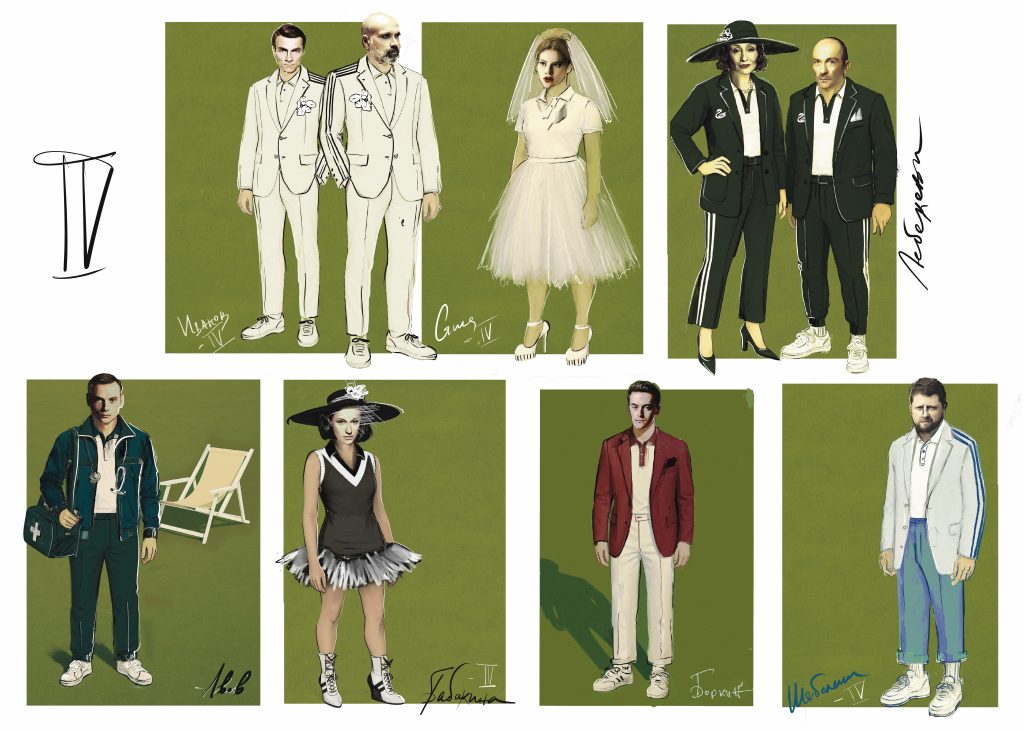
How does your approach change between drama, puppet theatre and musicals?
In drama, I connect with an idea associated with the designer Adolphe Appia:
the stage should create the conditions for experiencing the text, rather than simply illustrating it.
That’s my starting point too. The stage actively enables meaning. In puppet theatre, it begins where the material takes a breath and the inanimate becomes alive.
Does successful design support the action discreetly, or make a bold statement of its own?
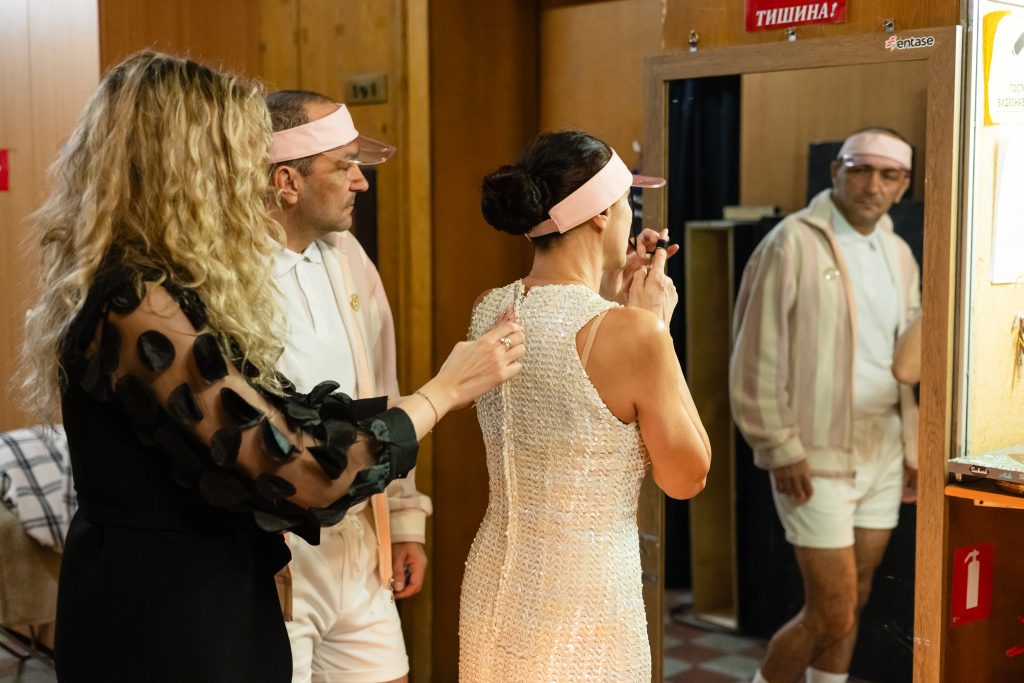
Neither discretion nor boldness is the measure of successful sets and costumes. Precision is. Sometimes the strongest intervention is barely visible. At other times, a production needs a more emphatic visual presence.
The visual world shouldn’t overpower the action,
but it shouldn’t be afraid to take responsibility when necessary. Good design knows when to step back and when to take the centre of attention.
How important are textures, materials and physical volume in an age of digital visualisation and 3D models? Can digital replace material in theatre?
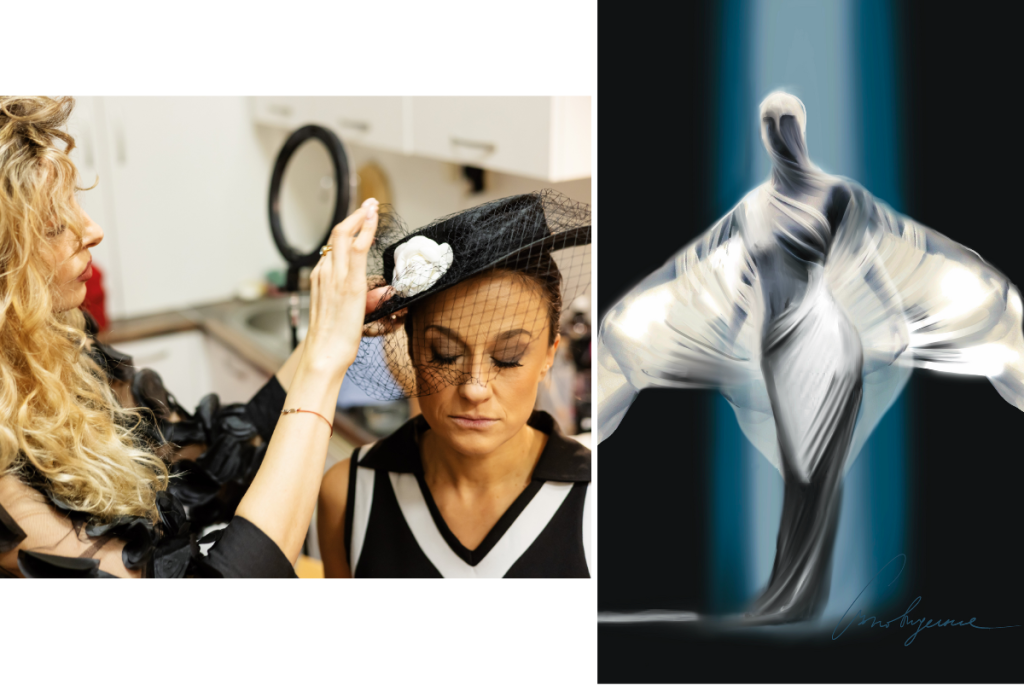
Digital tools are useful for designing, thinking and communicating, but
theatre remains a live, physical art.
Material has weight, resistance, sensitivity and memory. Digital media cannot fully reproduce those qualities.
What subjects do you explore through your visual language?
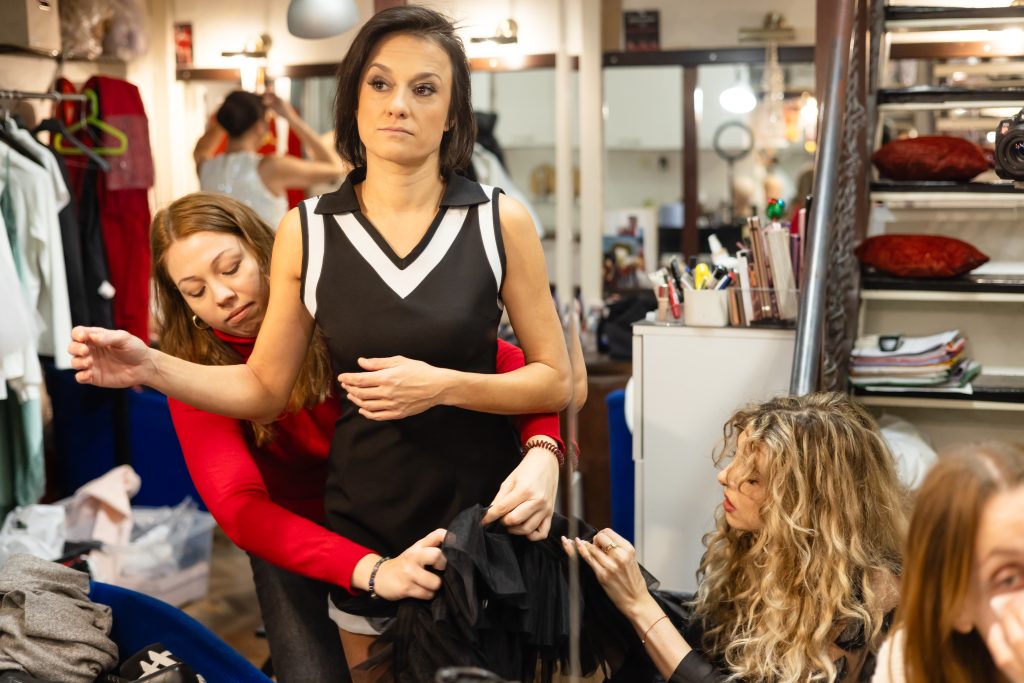
I’m drawn to the line between what is visible and what is hidden, the layers that aren’t on display but determine meaning.
A space often suggests more through what it leaves unsaid
than through what it shows. For me, the visual world doesn’t explain. It creates the conditions for viewers to recognise their own questions without handing them ready-made answers. Whatever the form, it stays in constant dialogue with the story.
How do you adapt your work to different Bulgarian theatres, audiences, aesthetics and budgets?
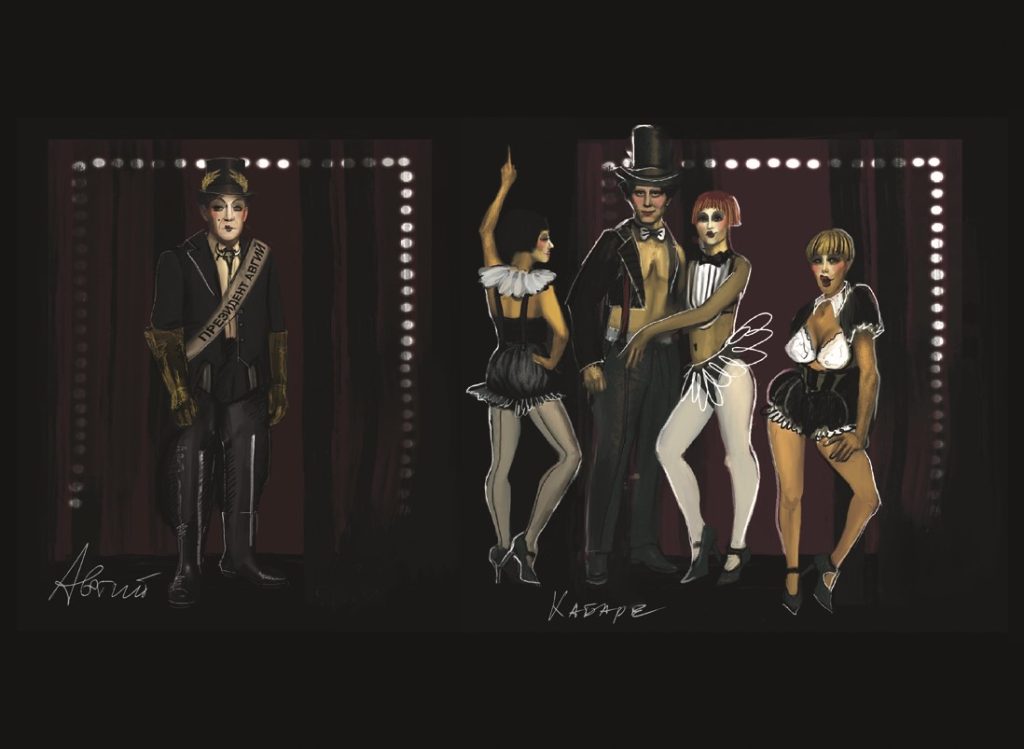
Adaptability guides me. I look for images and materials that can work powerfully at different scales.
Whether it’s a state theatre or an independent space,
the design needs to be conceptually clear, functional and honest about the conditions in which it’s made.
Which completed project are you proudest of?
It’s hard to choose one. Each belongs to a particular context, team and stage in my development. The most valuable are the ones where, despite the difficulties, the director’s thinking and the visual concept truly meet,
where the design becomes necessary to the production.
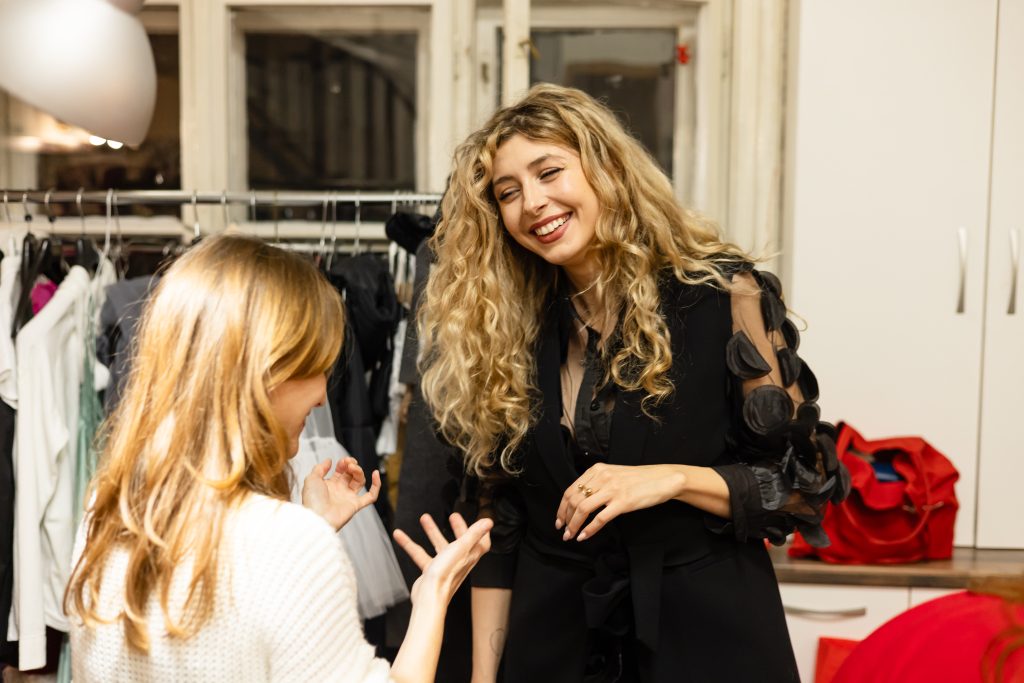
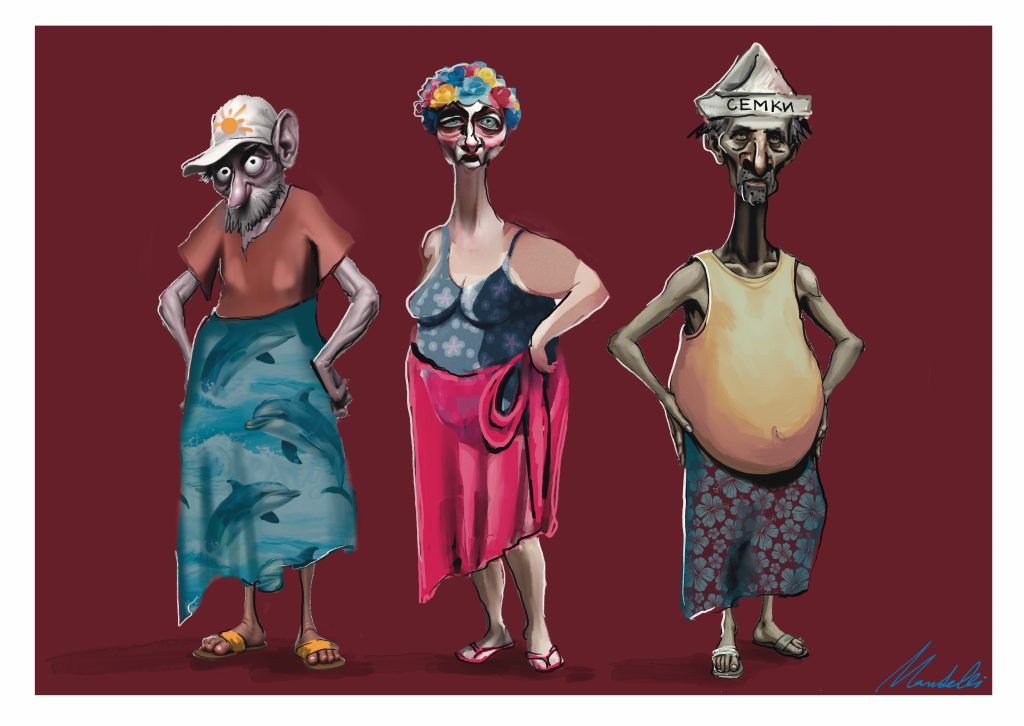
Those projects give me the strongest sense of why I do this work. One example is Anna the Incorrigible at Toplocentrala, directed by Nadya Pancheva, which received a 2025 Ikar nomination for set design. Other projects from 2025 include John and Joe at the Ivan Radoev Theatre, directed by Tsveti Penyashki; The Last Night of Socrates at Theatre 199, directed by Sunny Suninski; Hercules versus Augeas at Sofia Theatre, directed by Anton Ugrinov; Puk at Plovdiv Puppet Theatre, directed by Dimitar Stefanov; and Ivanov at Vazrazhdane Theatre, directed by Stiliyan Petrov.
What inspires you now? Is there a project you’d like to make without limits on time, place or budget?
The processes themselves inspire me: meeting people, the conversation,
the possibility of treating space as a living field for experiment.
And of course, why not dream of a project without limits on time or budget?
The Local: Aleksandar Lazarkov
What’s happening in the city? Follow GoGuide on Instagram to hear about it first.
Subscribe to our YouTube channel for a closer look at the city, and a wider view.